Does Weight Loss Affect Innotox Results? Key Facts
Does Weight Loss Affect Innotox Results? What You Need to Know Before and After Treatment
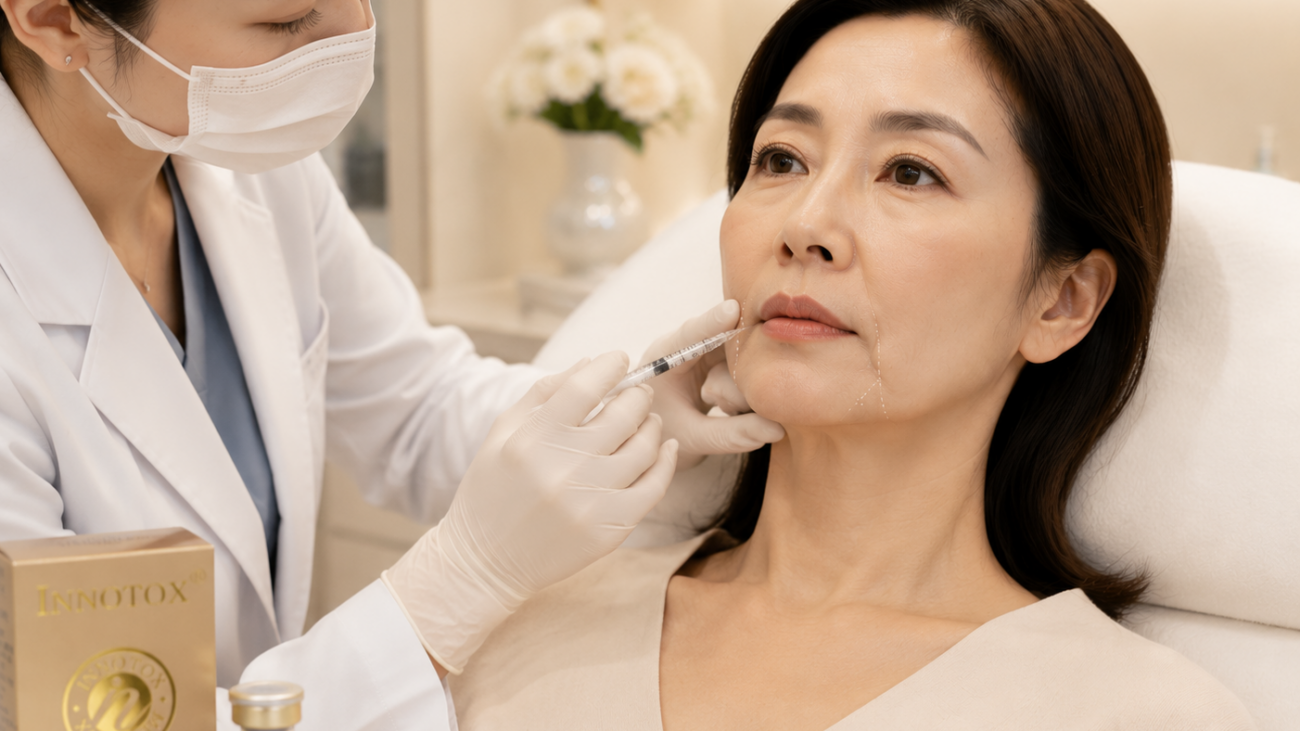
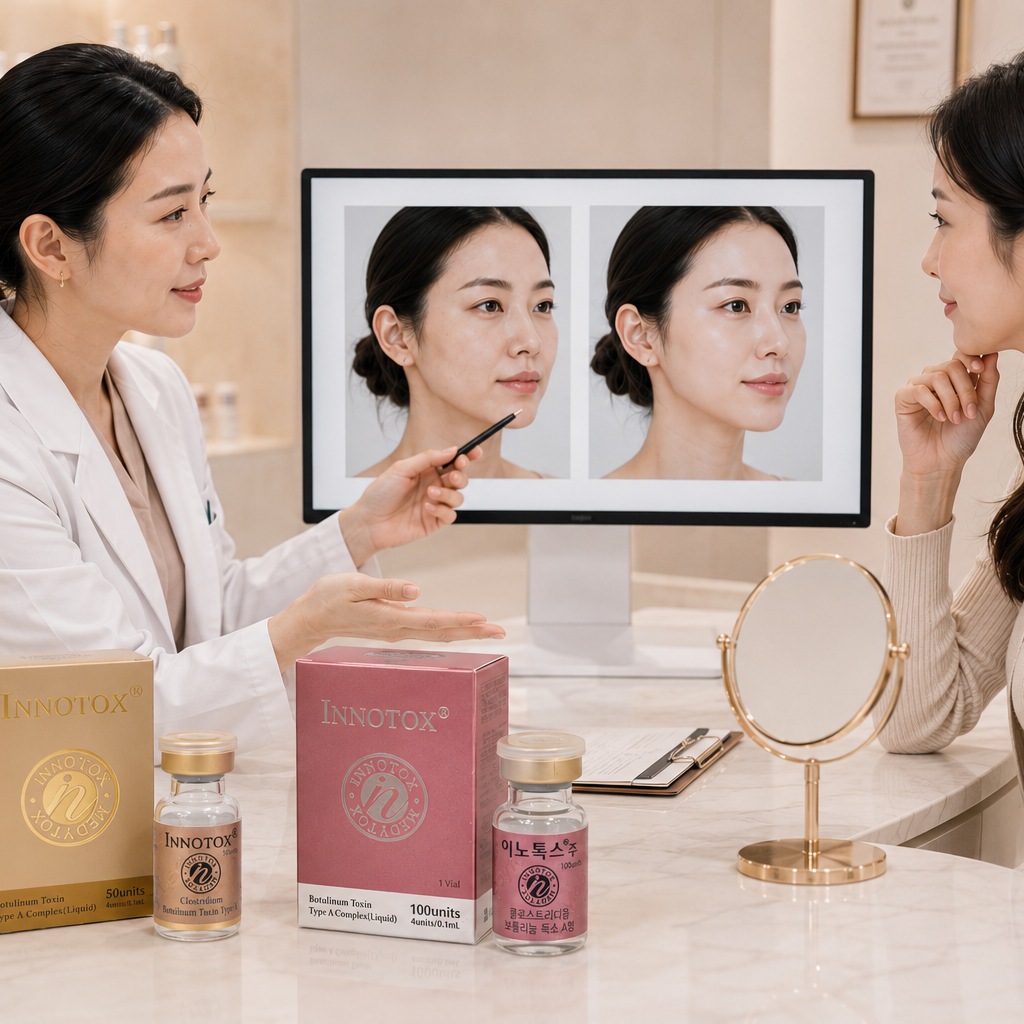
Many people begin aesthetic treatments around the same time they start a fitness or weight loss journey. As a result, one of the most common questions patients ask is whether weight loss changes Botox results. If you use Innotox, the world’s first liquid botulinum toxin type A, you may wonder whether losing weight will make your treatment wear off faster or alter your appearance.
The short answer is yes—but not because the neurotoxin stops working.
Weight loss primarily changes the shape of your face, while Innotox works by temporarily relaxing specific facial muscles. As facial fat decreases, the balance between muscle movement, skin elasticity, and facial volume also changes. These natural changes can influence how your Innotox results look, even though the product continues to perform exactly as intended.
Understanding this relationship helps patients achieve more natural, balanced outcomes throughout their aesthetic journey.
In this guide, we’ll explain how weight loss affects facial anatomy, whether it changes the longevity of Innotox, and how providers adjust treatment plans for patients who are actively losing weight.
How Innotox Works
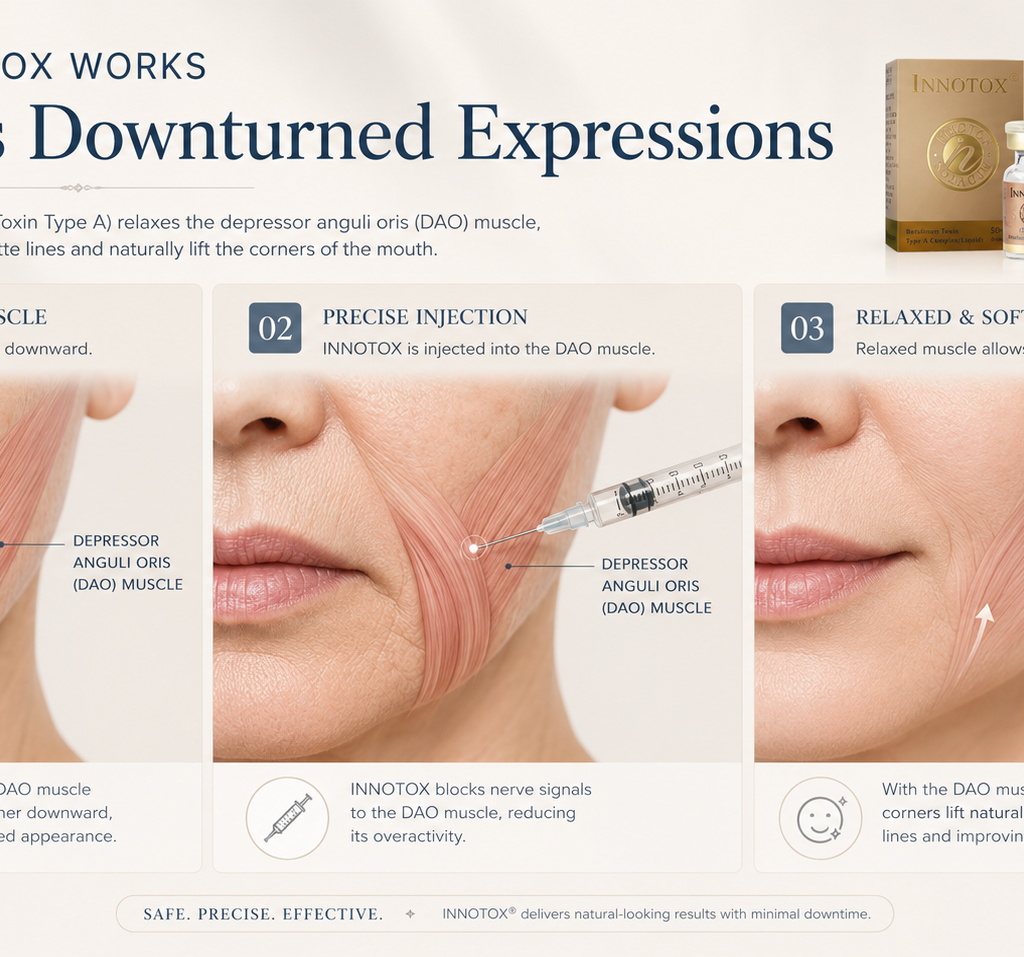
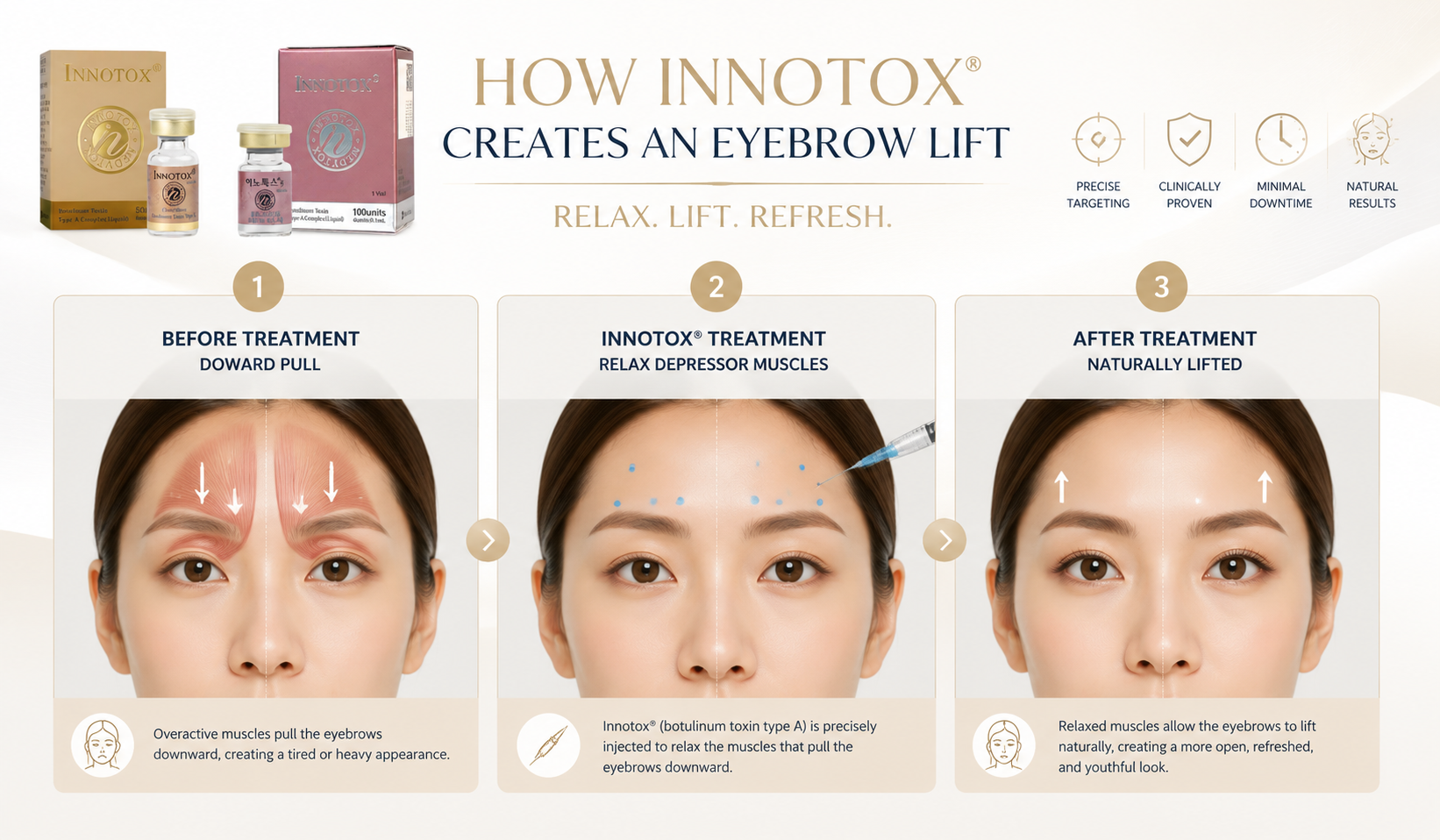
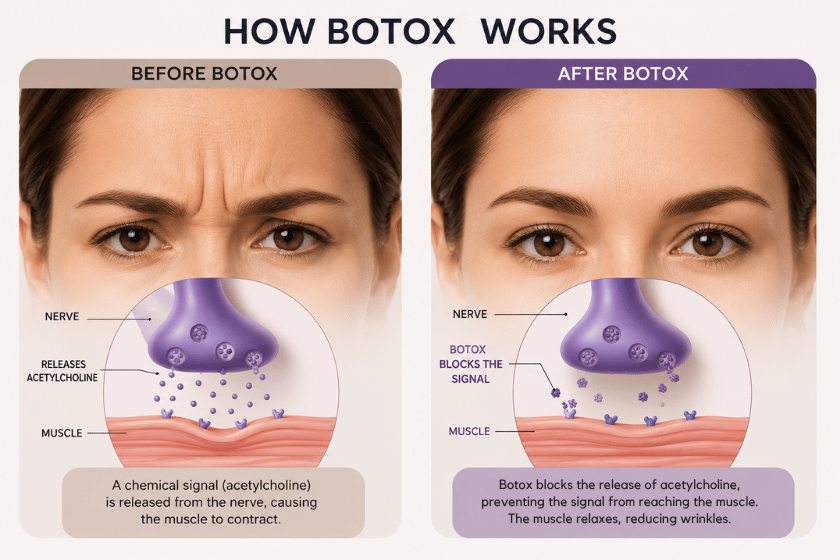
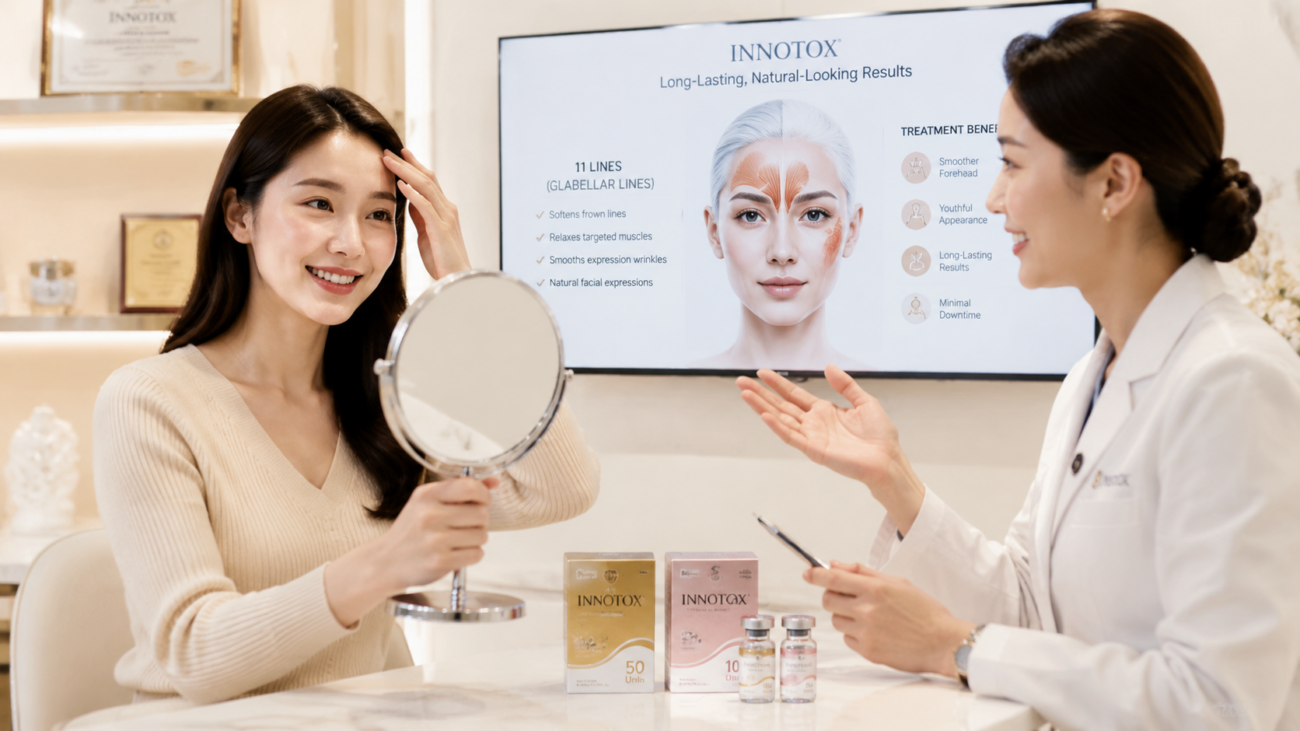
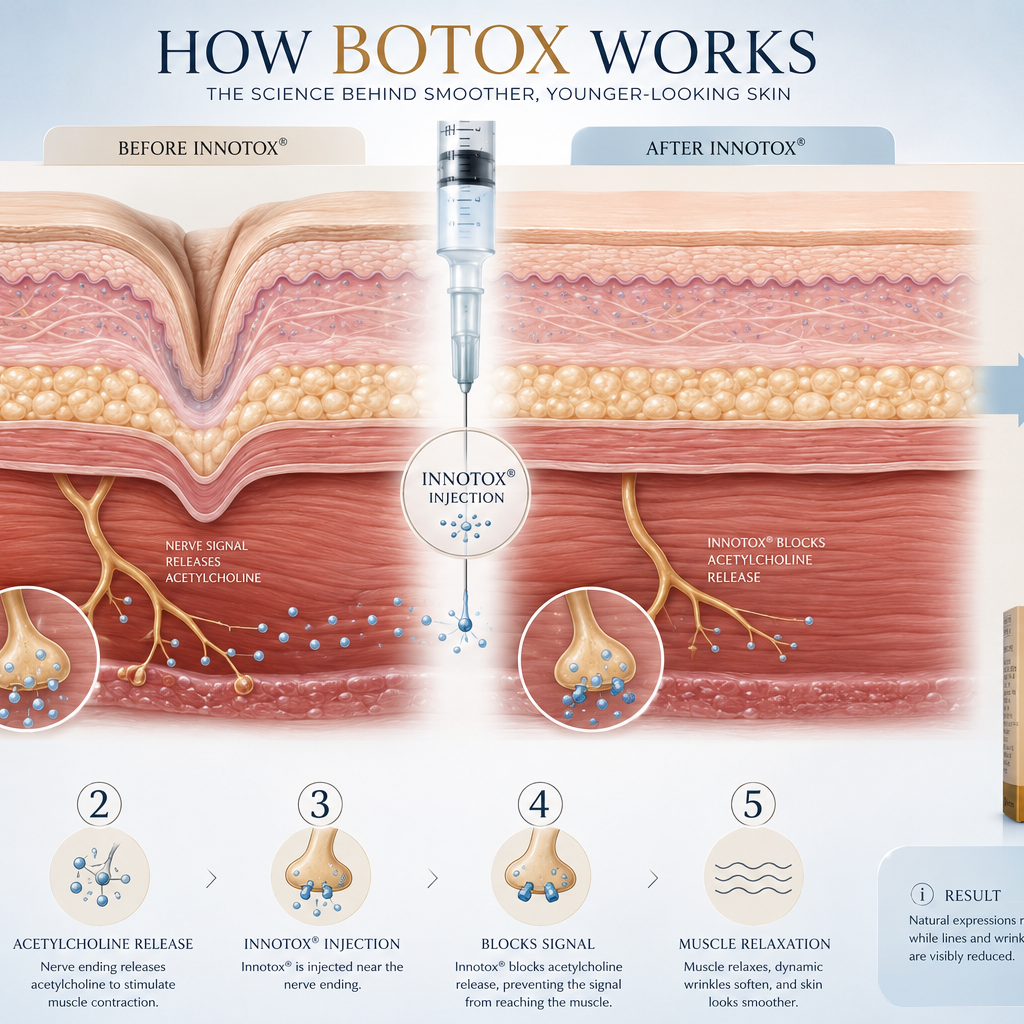
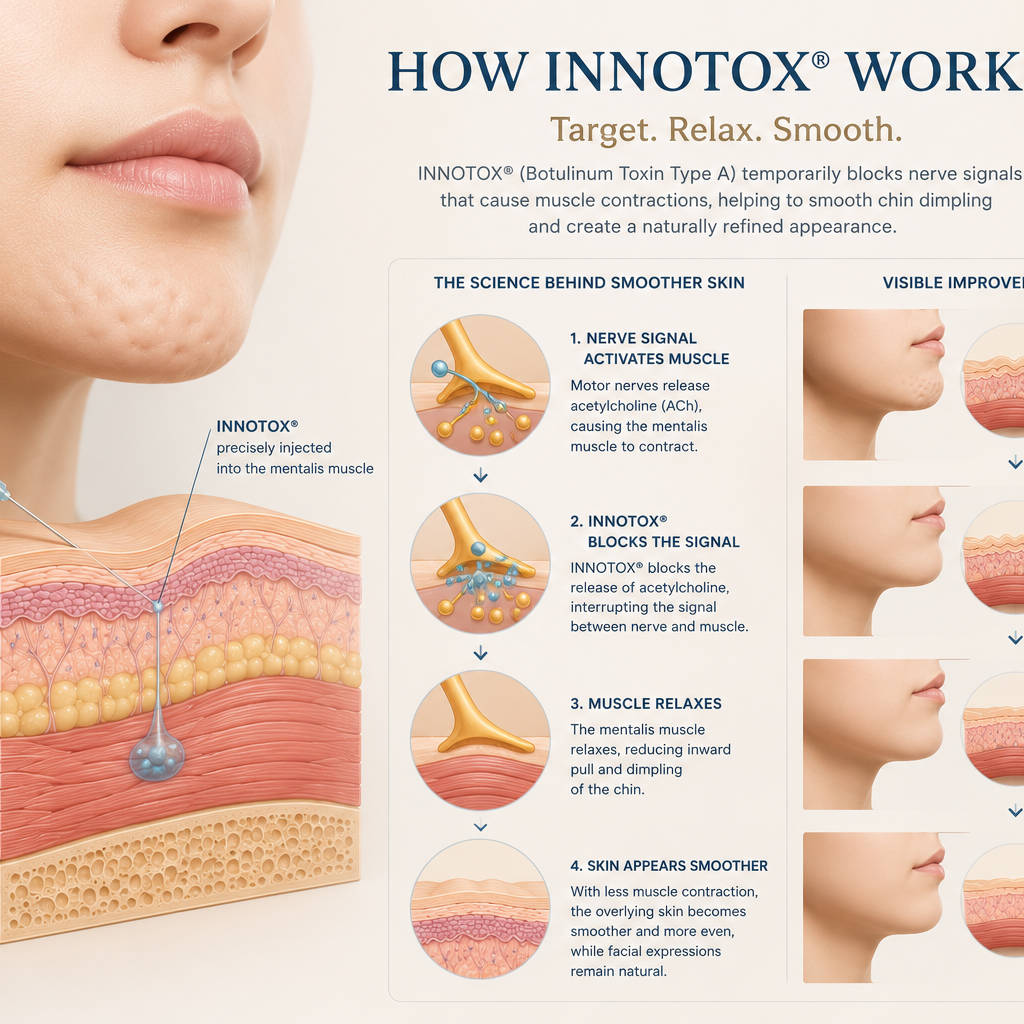
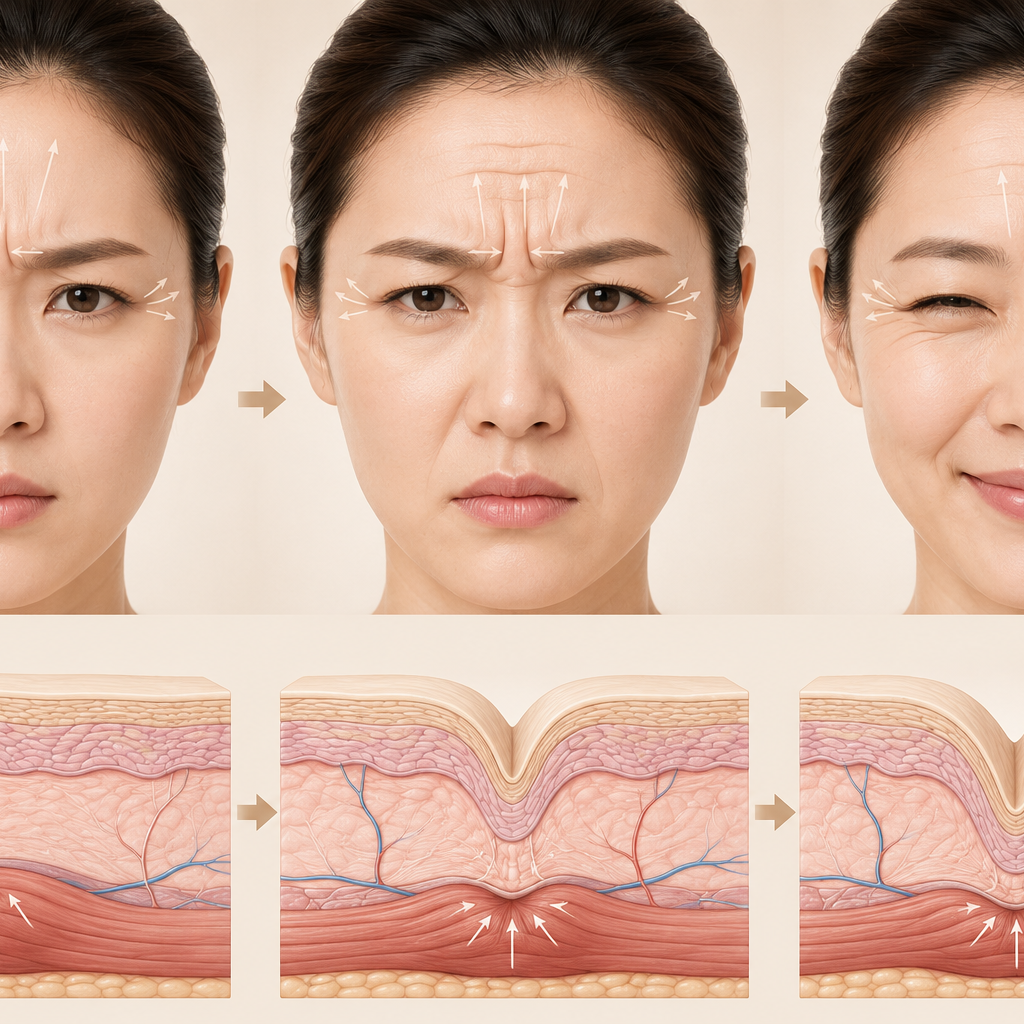
Before discussing weight loss, it’s important to understand how Innotox works. Unlike dermal fillers, Innotox does not replace lost volume or plump the skin. Instead, it temporarily blocks communication between nerves and targeted muscles.
When injected into facial muscles, Innotox:
- Reduces repetitive muscle contractions
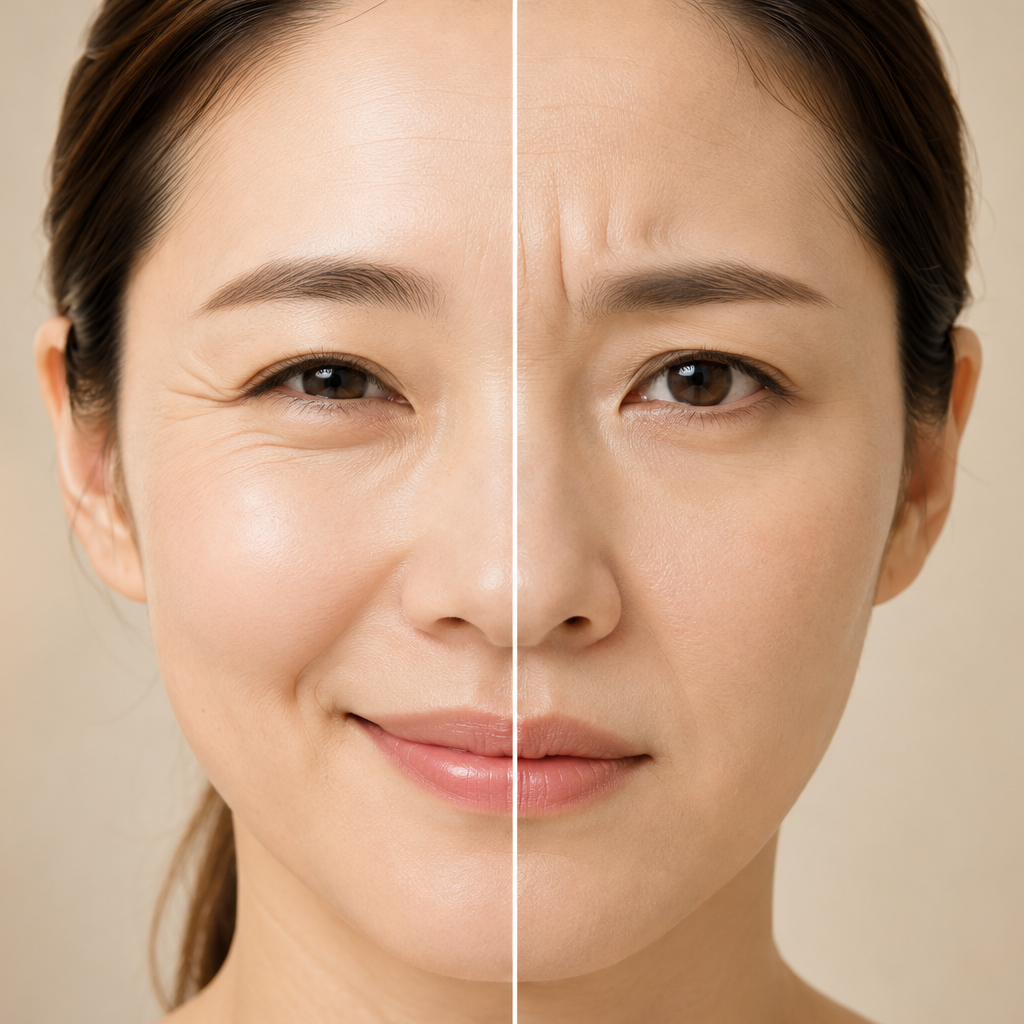
- Softens dynamic wrinkles
- Prevents deeper expression lines
- Creates smoother skin while preserving natural expressions
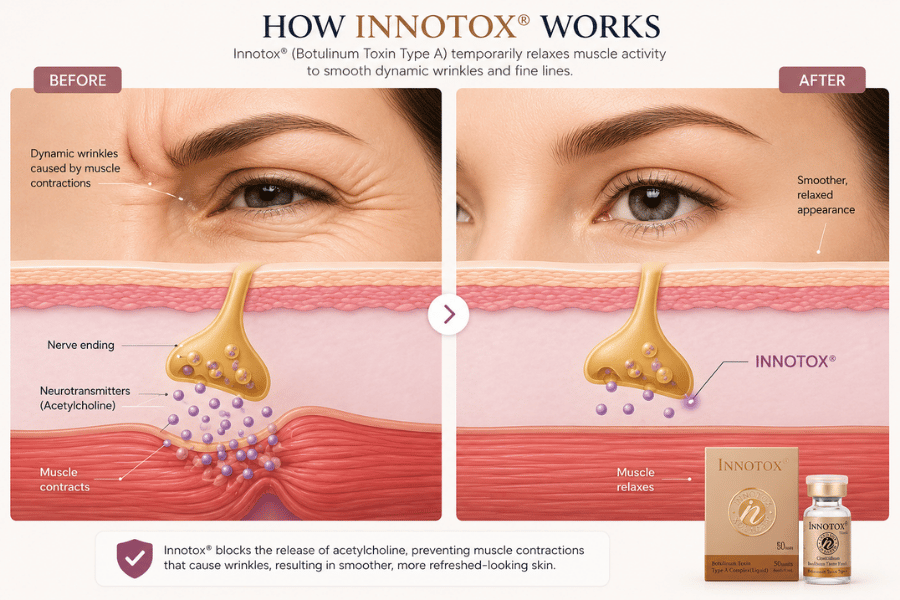
Because the treatment acts on muscles rather than fat, losing body weight does not directly reduce its effectiveness. However, changes in facial structure can make the final cosmetic result appear different.
Why Weight Loss Changes Your Face
Many people think weight loss only affects the body, but the face often changes as well.
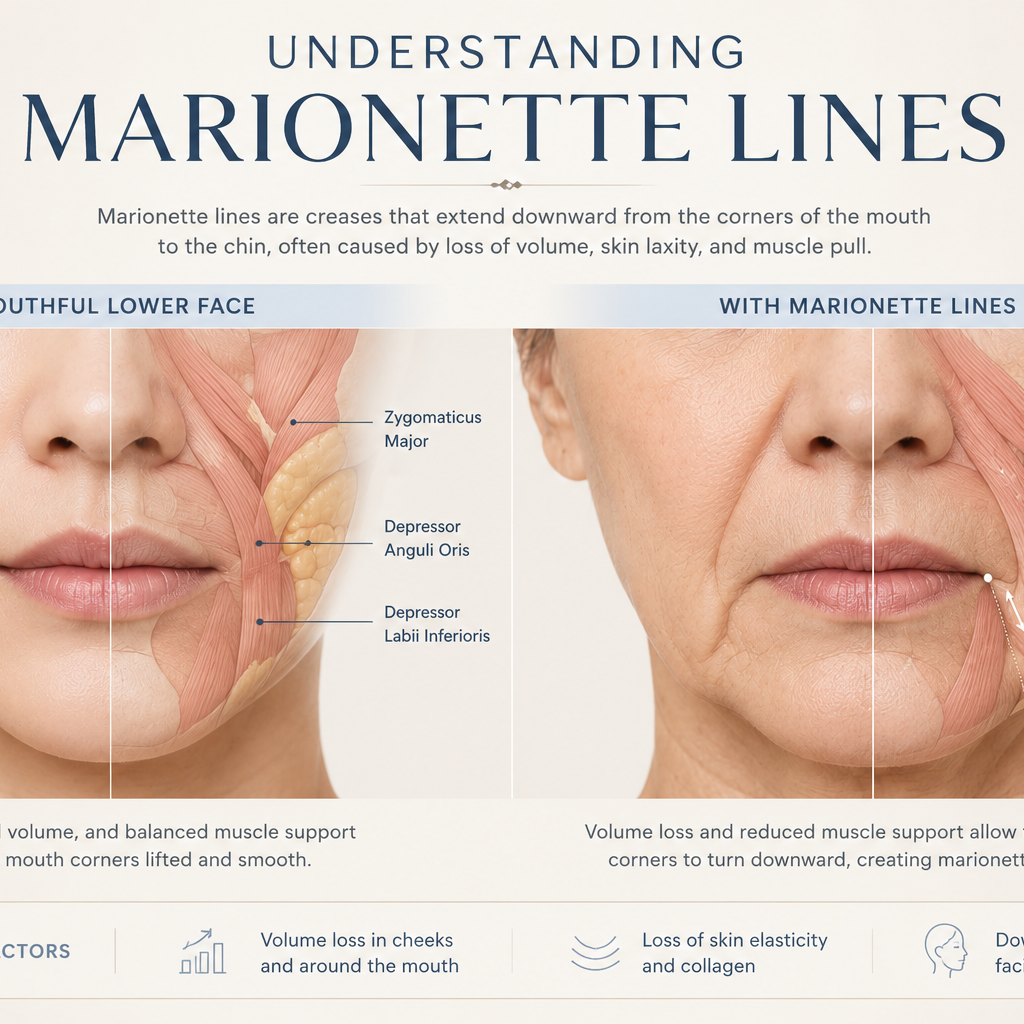
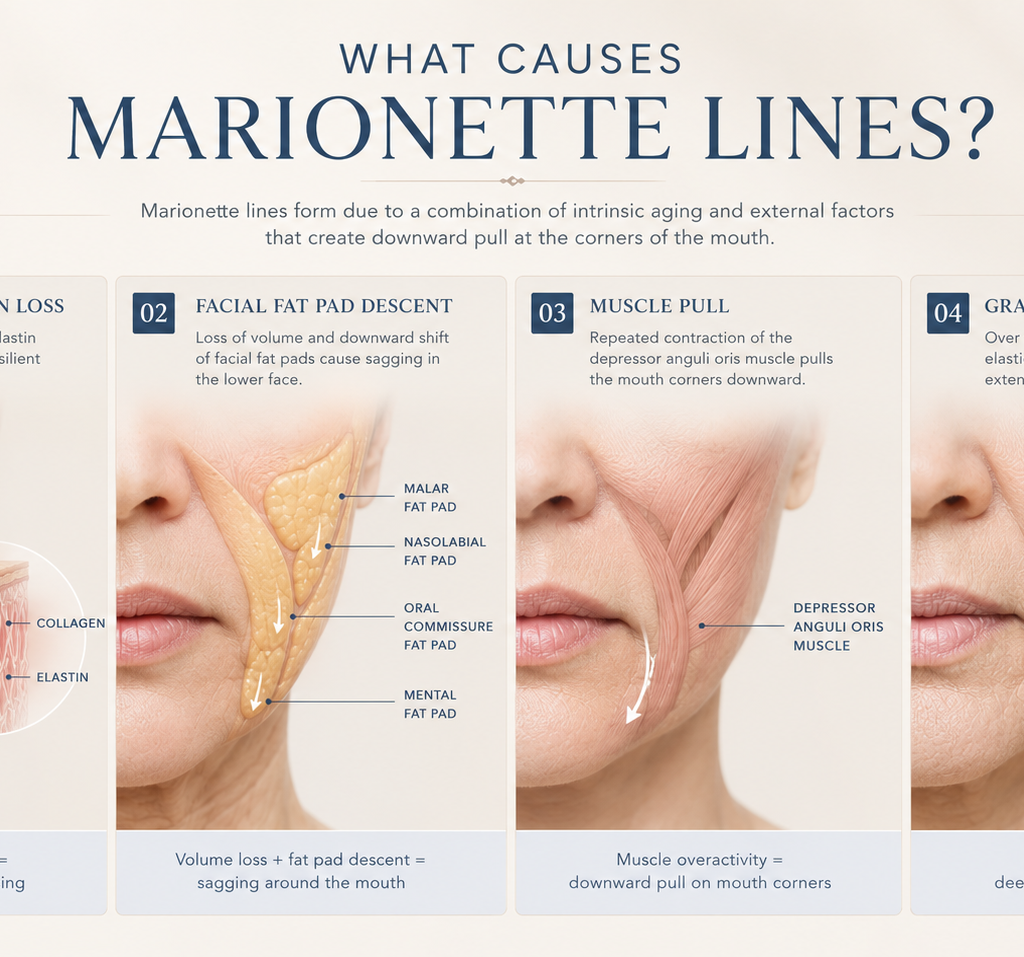
Facial fat provides youthful support beneath the skin. As body fat decreases, fat pads throughout the face can become smaller. Common changes include:
- Slimmer cheeks
- More visible cheekbones
- Less fullness around the temples
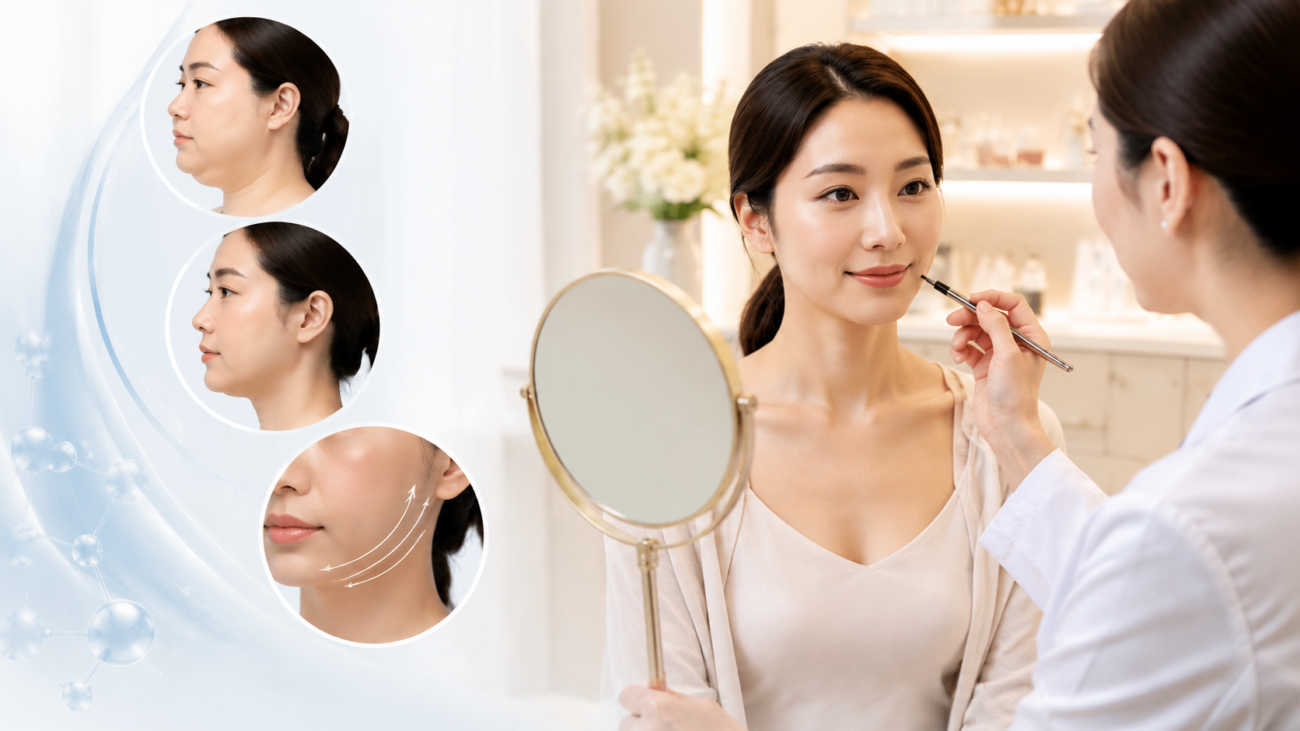
- Increased jawline definition
- Reduced fullness beneath the chin
- More noticeable folds around the mouth
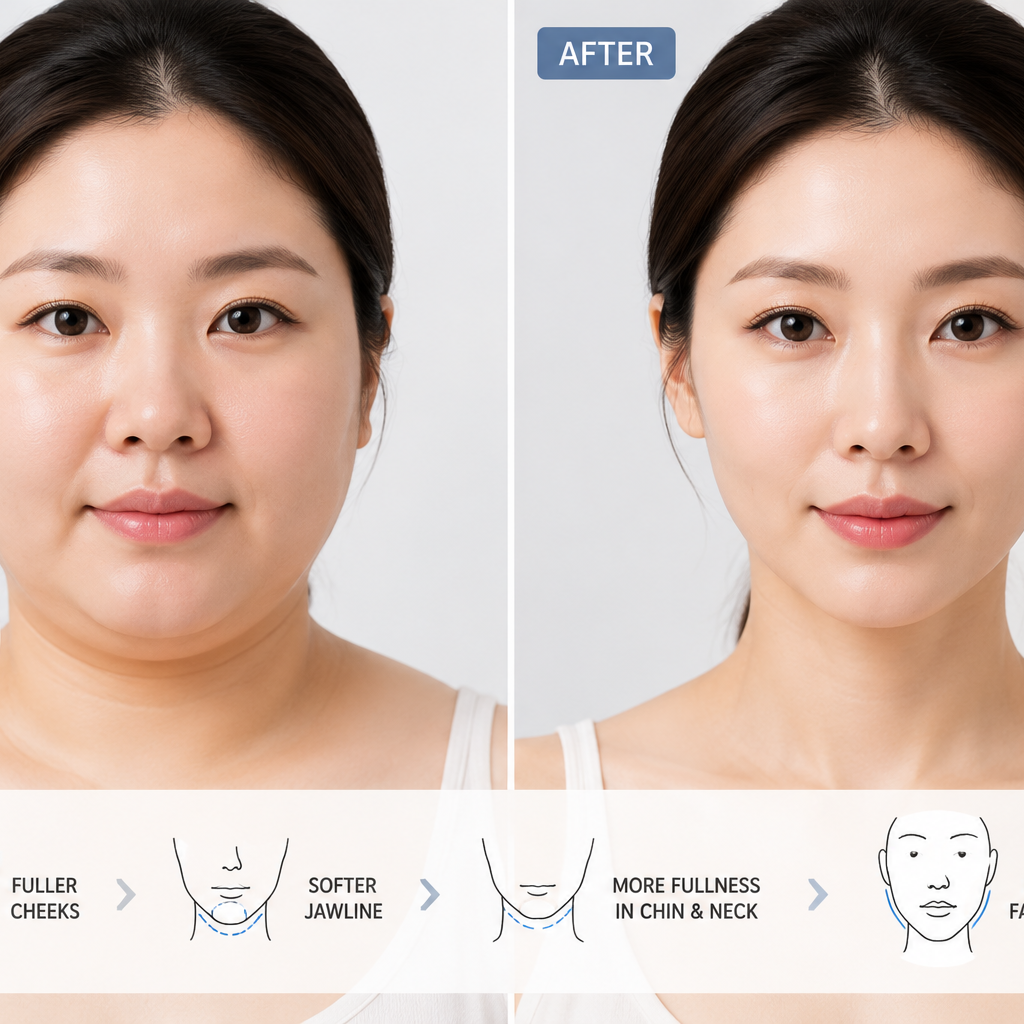
While these changes are often desirable, significant weight loss can also reveal wrinkles that were previously hidden by facial volume. This is why some patients notice different Botox results after losing weight.
Facial Fat vs. Facial Muscles
Understanding the difference between facial fat and muscles makes everything easier. Facial muscles create movement. In contrast, facial fat provides support.
Innotox affects only the muscles. And weight loss primarily affects the fat. Because these structures perform different roles, they influence your appearance in different ways.
For example:
| Facial Structure | Primary Function | Affected by Weight Loss | Affected by Innotox |
| Facial muscles | Expression | No | Yes |
| Fat pads | Volume | Yes | No |
| Skin | Elasticity | Indirectly | No |
| Wrinkles | Appearance | Indirectly | Dynamic wrinkles improve |
The interaction between these structures explains why facial aesthetics change after major weight loss.
Does Weight Loss Make Innotox Wear Off Faster?
One of the biggest misconceptions is that losing weight causes Botox to disappear more quickly. Current clinical evidence indicates that the duration of botulinum toxin treatments is influenced primarily by factors such as muscle activity, injection technique, dosage, and individual biological variation rather than changes in body weight.
The longevity of treatment depends much more on factors such as the following:
- Individual metabolism
- Muscle strength
- Injection technique
- Treatment area
- Dosage used
- Frequency of treatments
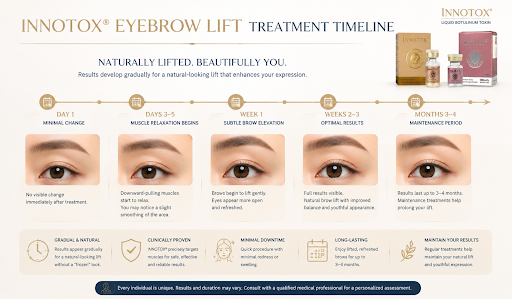
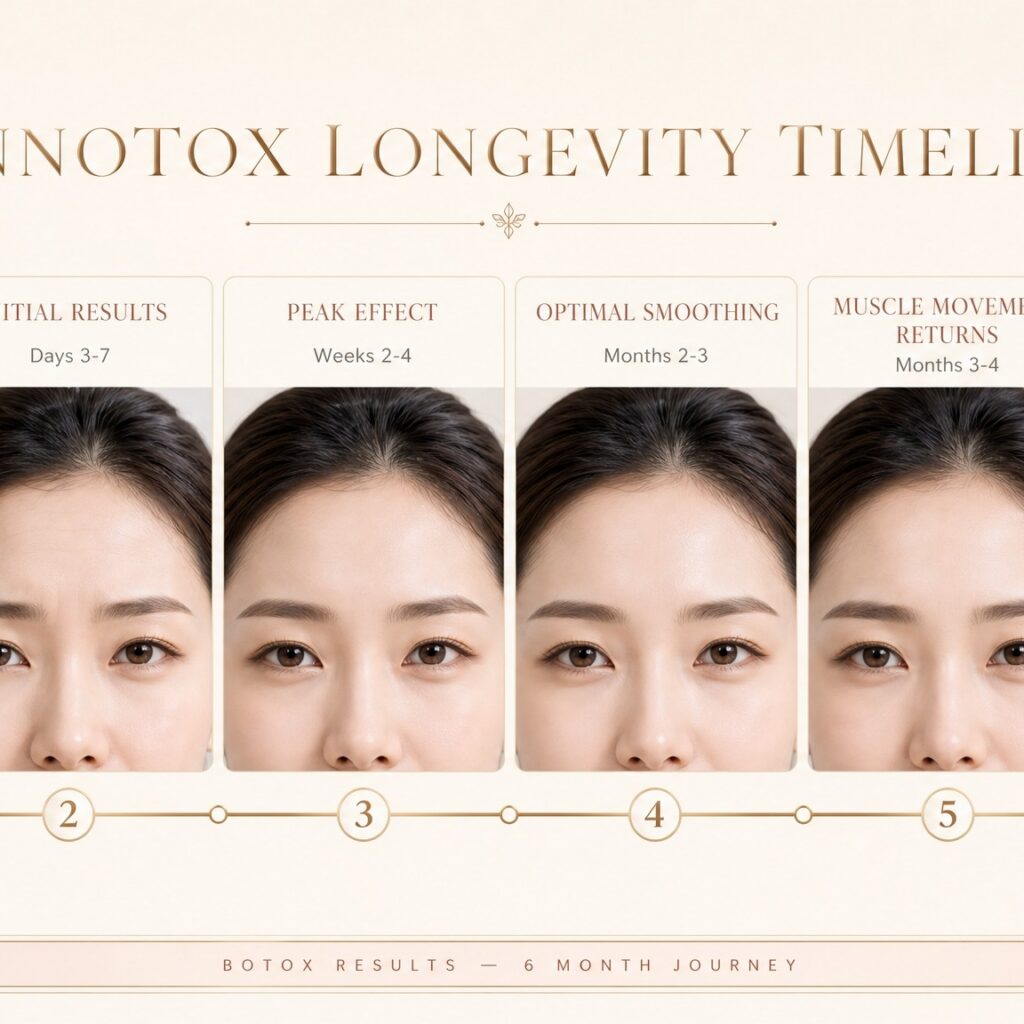
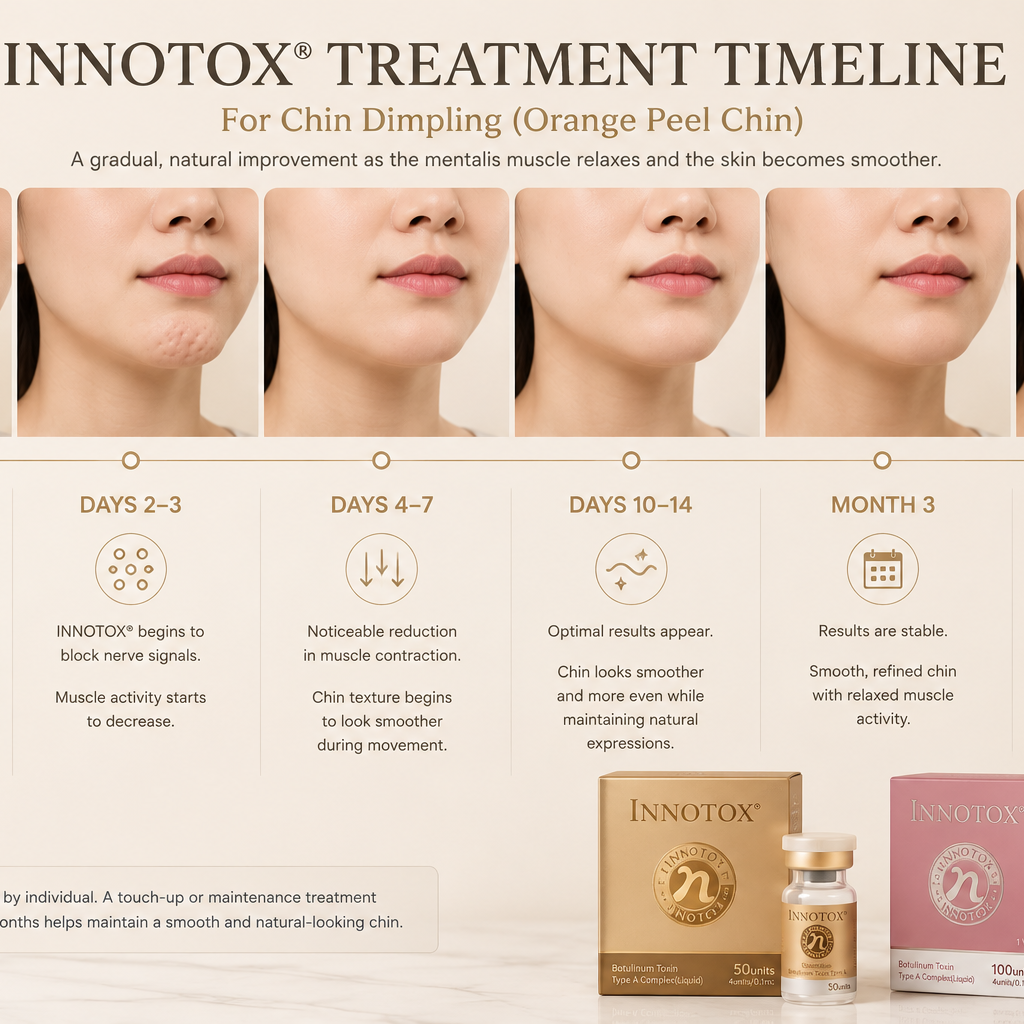
Most patients continue to enjoy results for approximately three to four months, regardless of moderate weight changes. Even individuals who lose a substantial amount of weight generally experience a similar duration of muscle relaxation.
Why Results May Look Different After Weight Loss
Although Innotox still relaxes the muscles effectively, your face may look different.
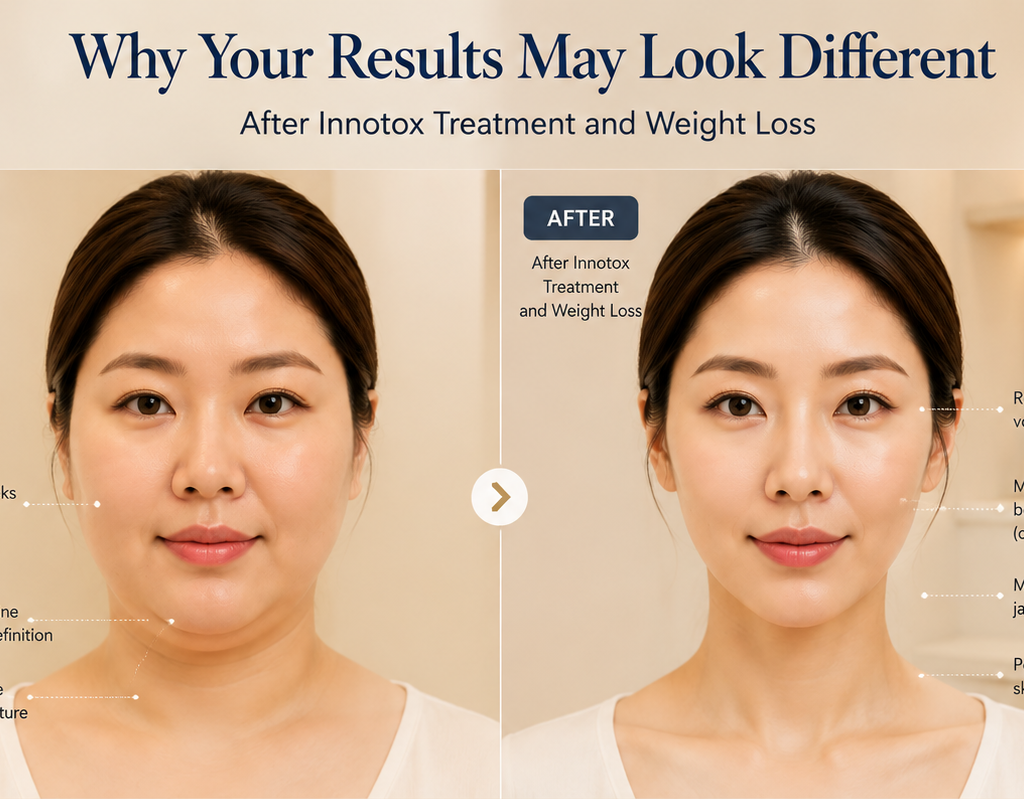
Several factors contribute to this change.
- Reduced Facial Volume
As cheeks become slimmer, wrinkles may become more noticeable. For example, forehead lines may appear smoother after Innotox, but hollow temples or flatter cheeks may make facial aging more visible.
Patients sometimes mistake this volume loss for weaker Botox results. In reality, the treatment is working normally.
- More Visible Bone Structure
Weight loss often increases facial definition. Higher cheekbones and sharper jawlines can make small asymmetries easier to notice. Since Innotox softens muscle movement, these structural changes may become more apparent.
- Skin Laxity
Rapid or significant weight loss sometimes leaves excess skin. Loose skin behaves differently than skin with healthy underlying support.
Although Innotox relaxes muscles beneath the skin, it cannot tighten loose tissue. Patients with skin laxity may benefit from combining treatments that improve collagen production or skin firmness.
Can Weight Loss Improve Innotox Results?
Interestingly, some patients feel that weight loss actually enhances their appearance after treatment. This is especially true when weight loss creates the following:
- Better jawline definition
- Less fullness beneath the chin
- Improved facial contour
- More balanced proportions
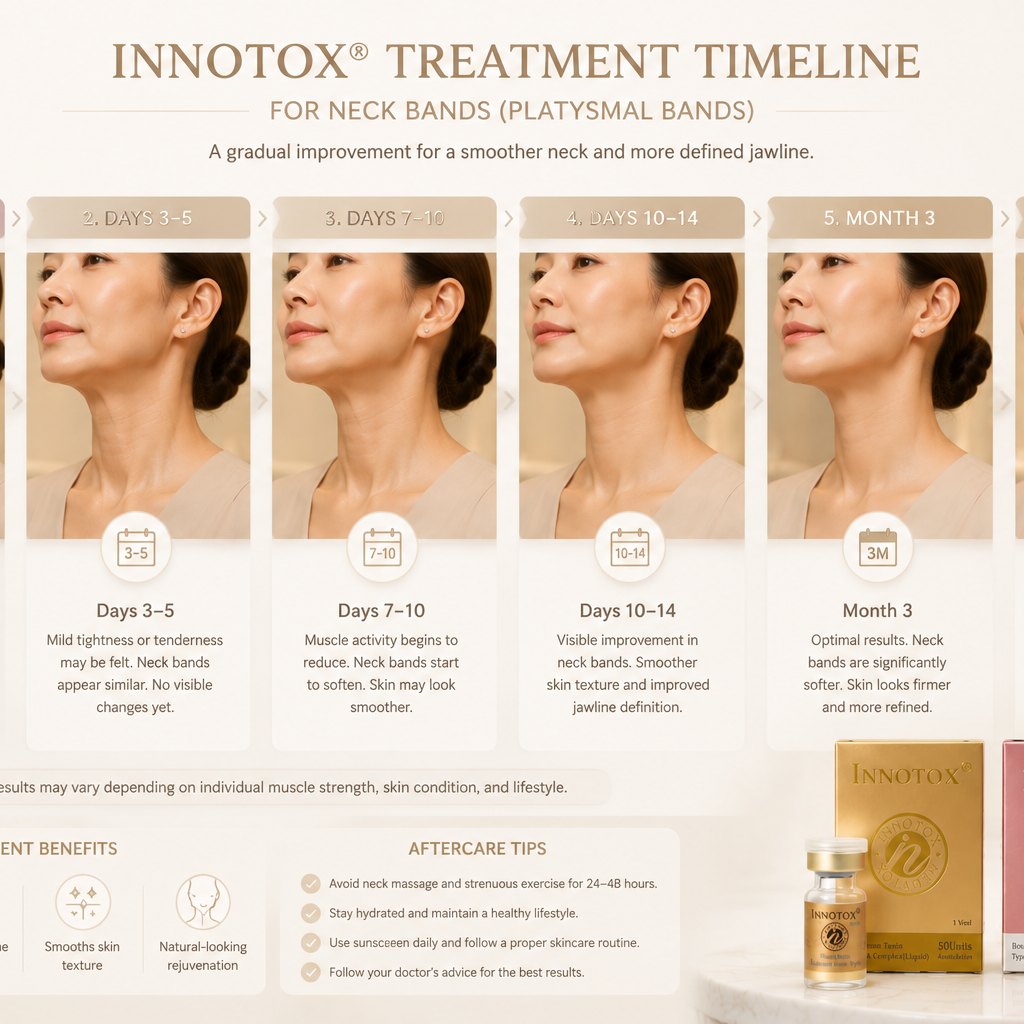
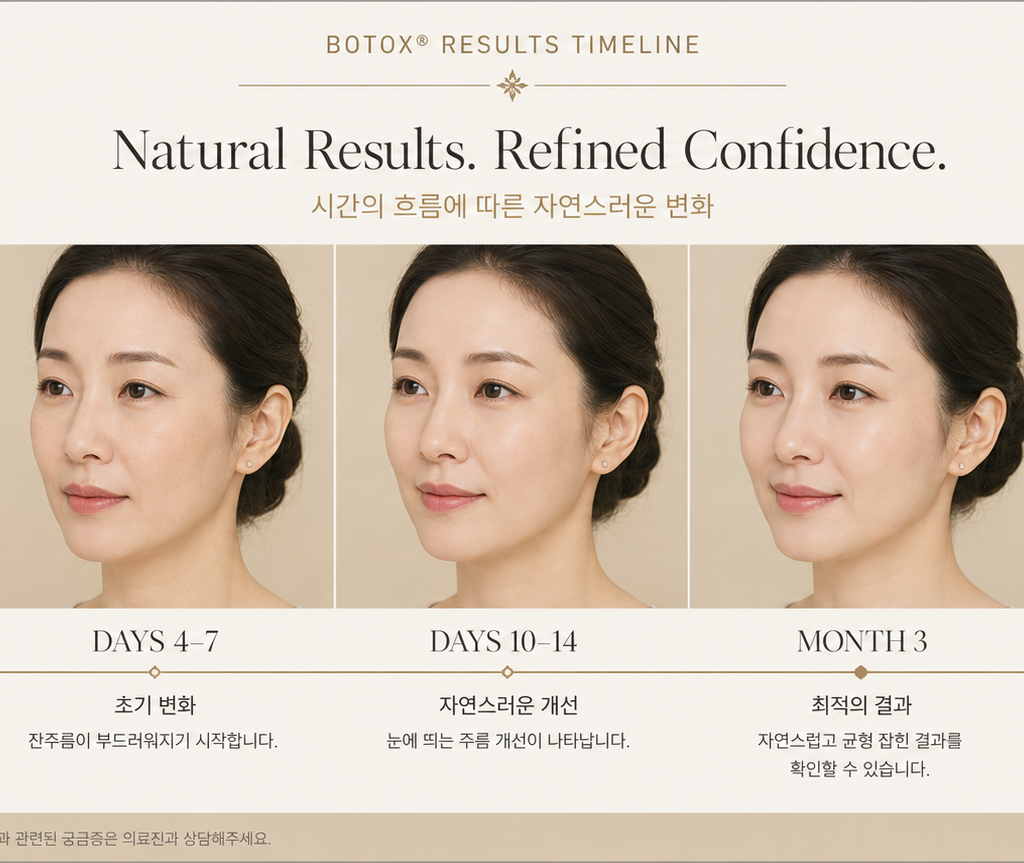
Because Innotox reduces excessive muscle movement, combining smoother skin with improved facial contours can create an elegant, refreshed appearance. The improvement is not caused by stronger neurotoxin activity. Instead, the overall facial balance becomes more harmonious. Our day-by-day guide on the Innotox recovery timeline may give you an idea of how the results would look after a Botox treatment.
Should You Lose Weight Before Getting Innotox?
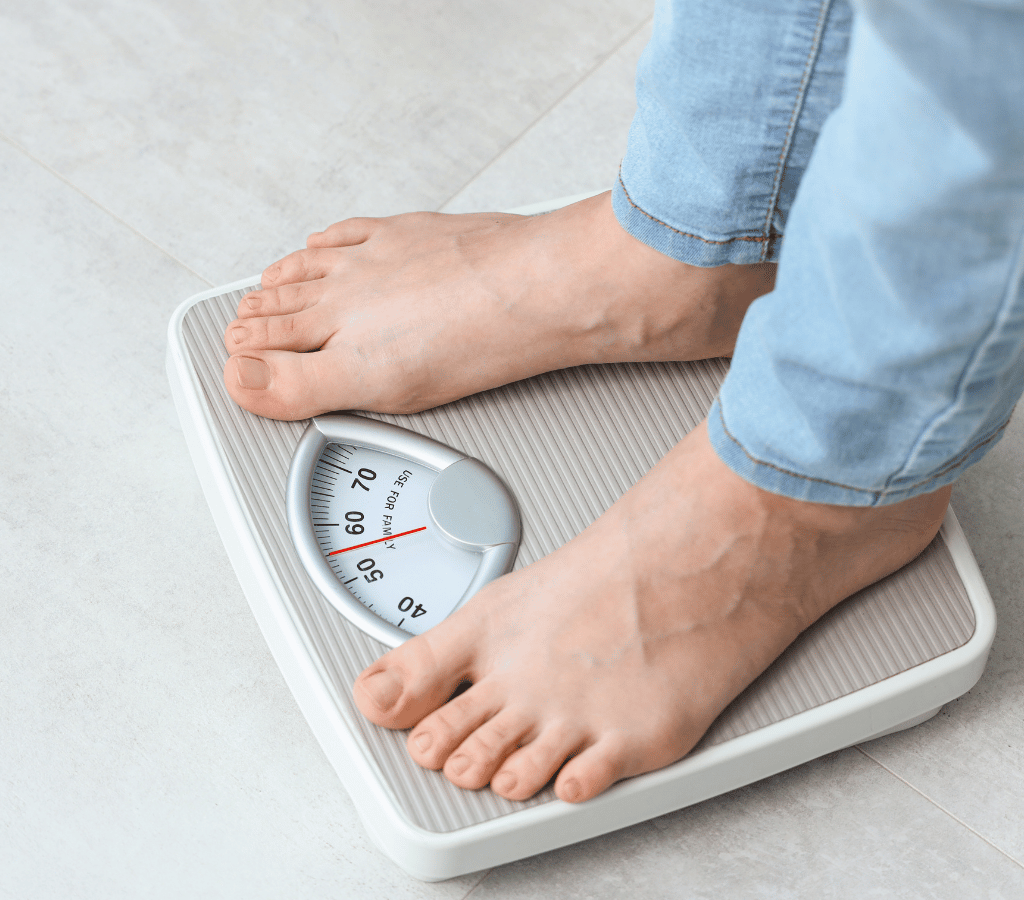
If you plan to lose only a small amount of weight, there is usually no need to delay treatment. However, if you expect to lose a significant amount—particularly more than 20 to 30 pounds—it may be worth discussing timing with your provider.
Large facial changes may influence:
- Injection placement
- Units required
- Long-term treatment planning
- Facial symmetry
- Combination procedures
Many aesthetic professionals recommend stabilizing your weight before making major cosmetic adjustments. This allows treatment plans to better match your long-term facial anatomy. If it is your first time experiencing Botox treatment, our beginner’s guide to Innotox treatment will help you in everything you should know before your appointment.
What If You Lose Weight After Treatment?
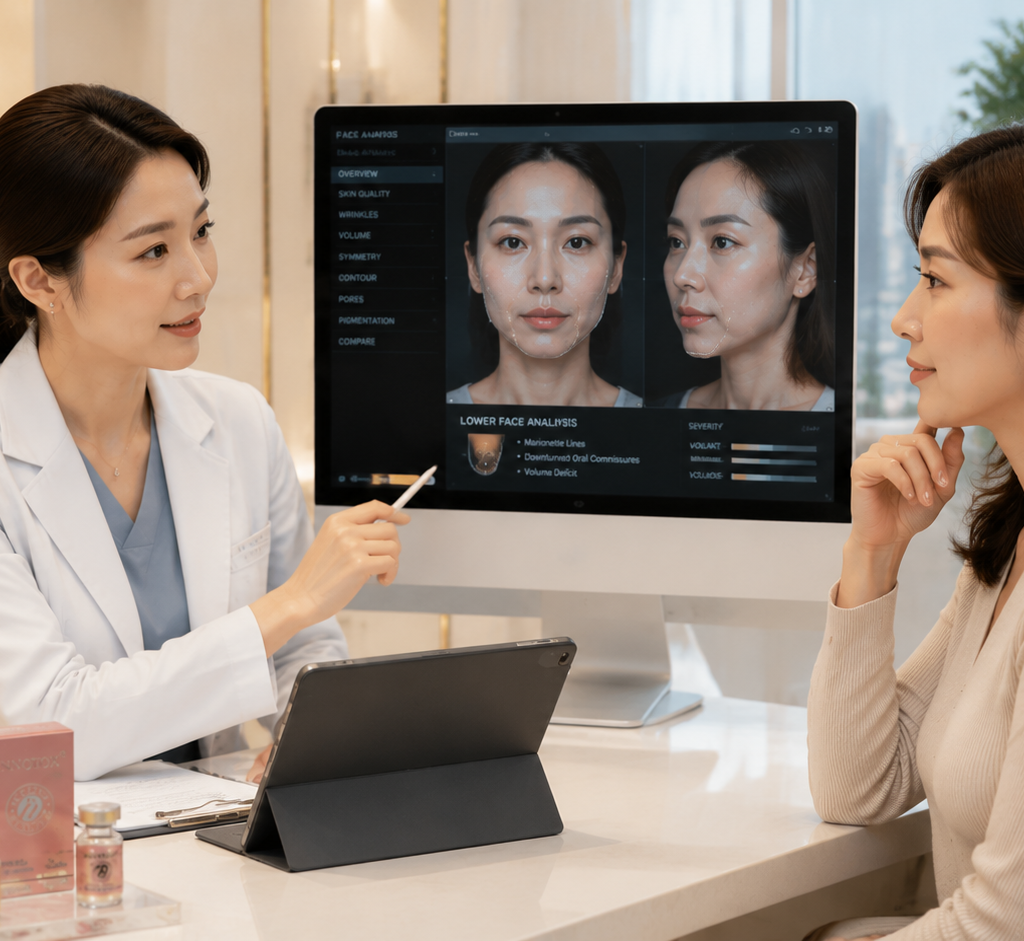
If you’ve already received Innotox and then lose weight, there is generally no cause for concern. The treatment will continue relaxing the targeted muscles. However, during your next appointment, your provider may recommend adjustments based on your new facial proportions.
These changes might include:
- Slightly different injection locations
- Modified dosage
- More balanced treatment across facial areas
- Combination treatments if volume loss becomes noticeable
Treatment planning evolves alongside your face.
Does Weight Loss Affect Every Treatment Area Equally?

No, some facial areas change more dramatically than others.
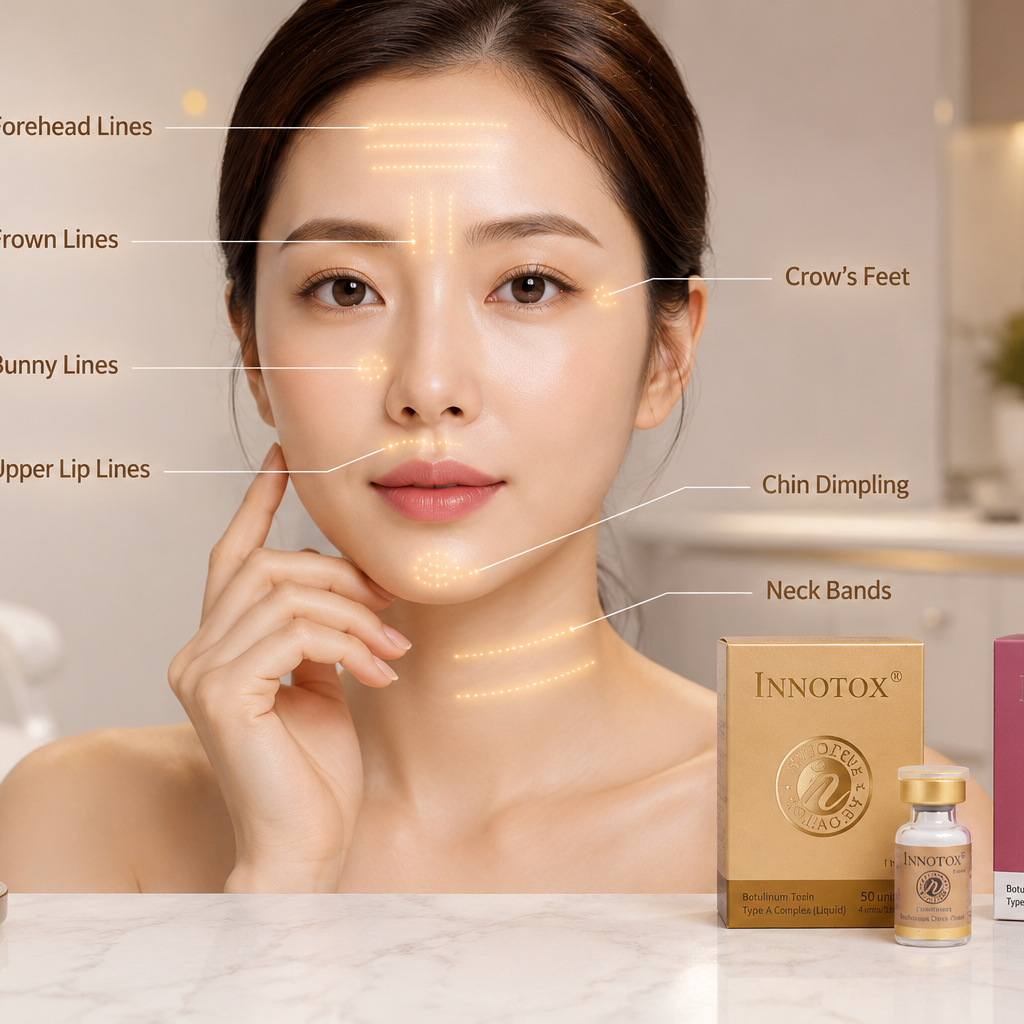
- Forehead
Forehead muscles remain relatively unchanged. Most patients see similar wrinkle improvement before and after weight loss.
- Frown Lines (Glabellar Lines)
These muscles are deep and strong. Weight loss has minimal impact on how Innotox works in this area.
Because the temples and upper cheeks may lose volume, crow’s feet can sometimes appear slightly more noticeable despite excellent muscle relaxation.
- Jawline
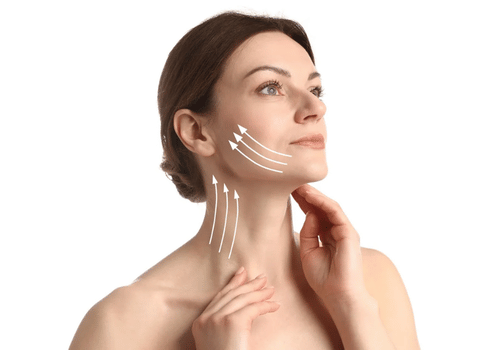
Weight loss often enhances jawline definition. Combining natural contour improvement with Innotox treatments for the masseter muscles can create a slimmer facial profile when clinically appropriate.
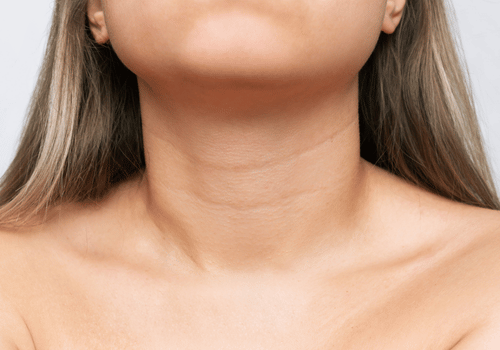
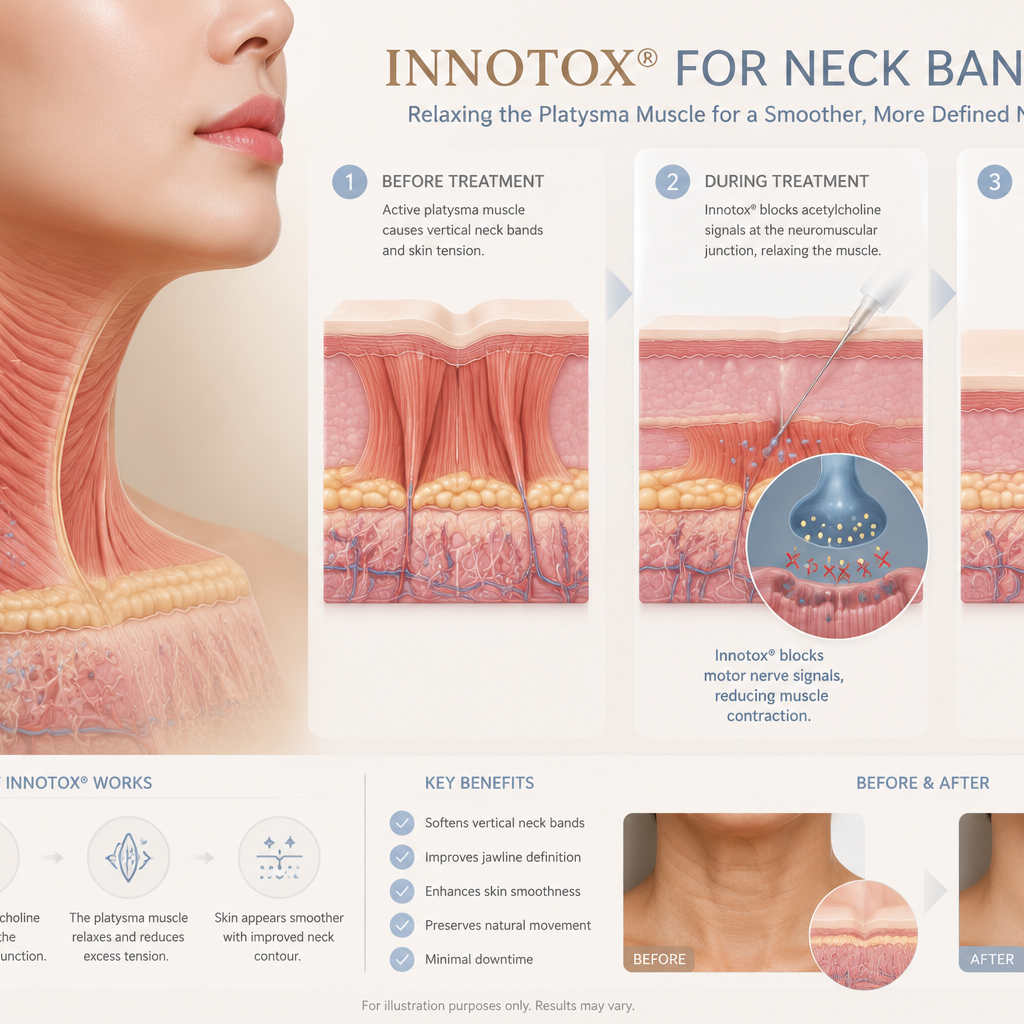
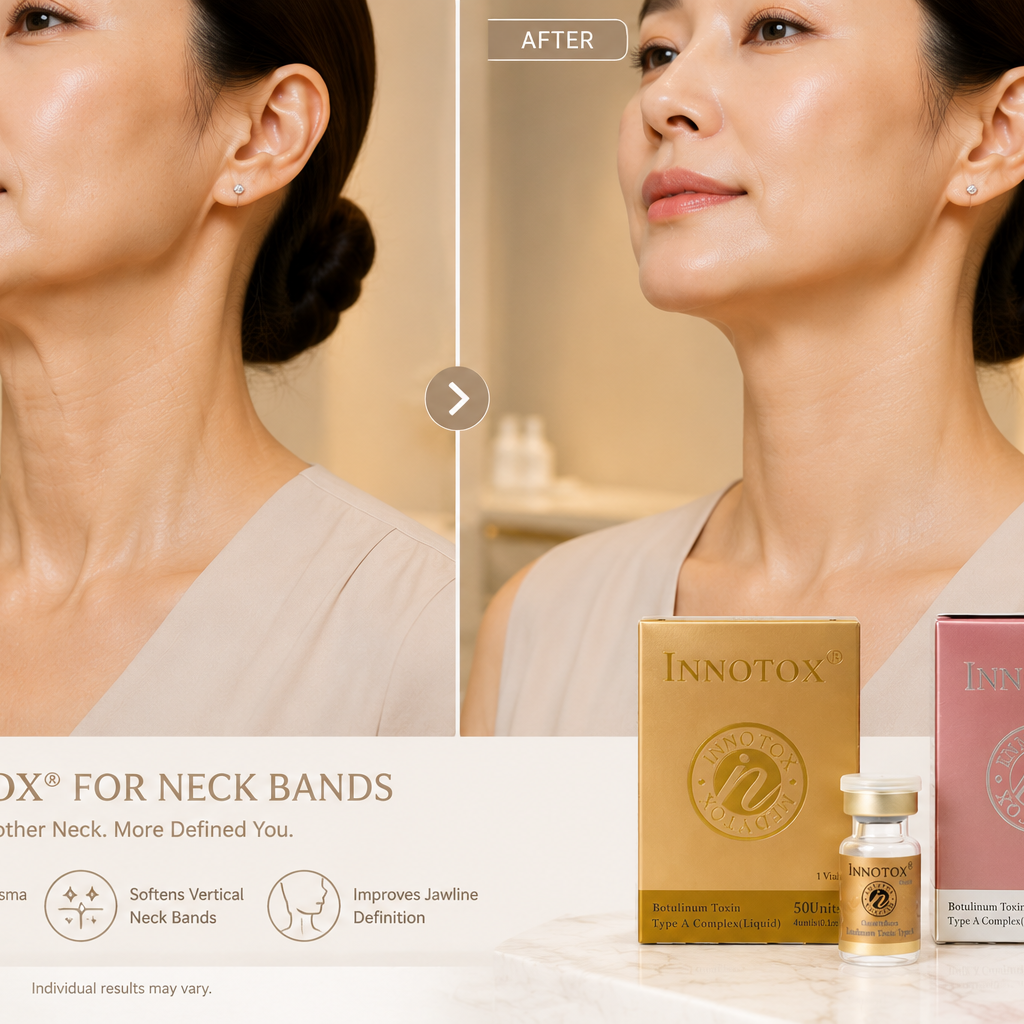
Patients who lose significant weight may notice neck bands more clearly.
Innotox may help relax these muscles, but additional skin-tightening treatments could also be beneficial depending on the degree of skin laxity.
Does Rapid Weight Loss Change Skin Aging?
Rapid weight loss sometimes accelerates visible facial aging. This occurs because of the following reasons:
- Fat decreases quickly
- Skin may not contract immediately
- Collagen production naturally slows with age
- Volume loss becomes more noticeable
These changes are unrelated to Innotox itself. Rather than treating muscle movement alone, providers may recommend a comprehensive facial rejuvenation plan that addresses volume, skin quality, and muscle activity together.
Combining Innotox With Other Treatments After Weight Loss

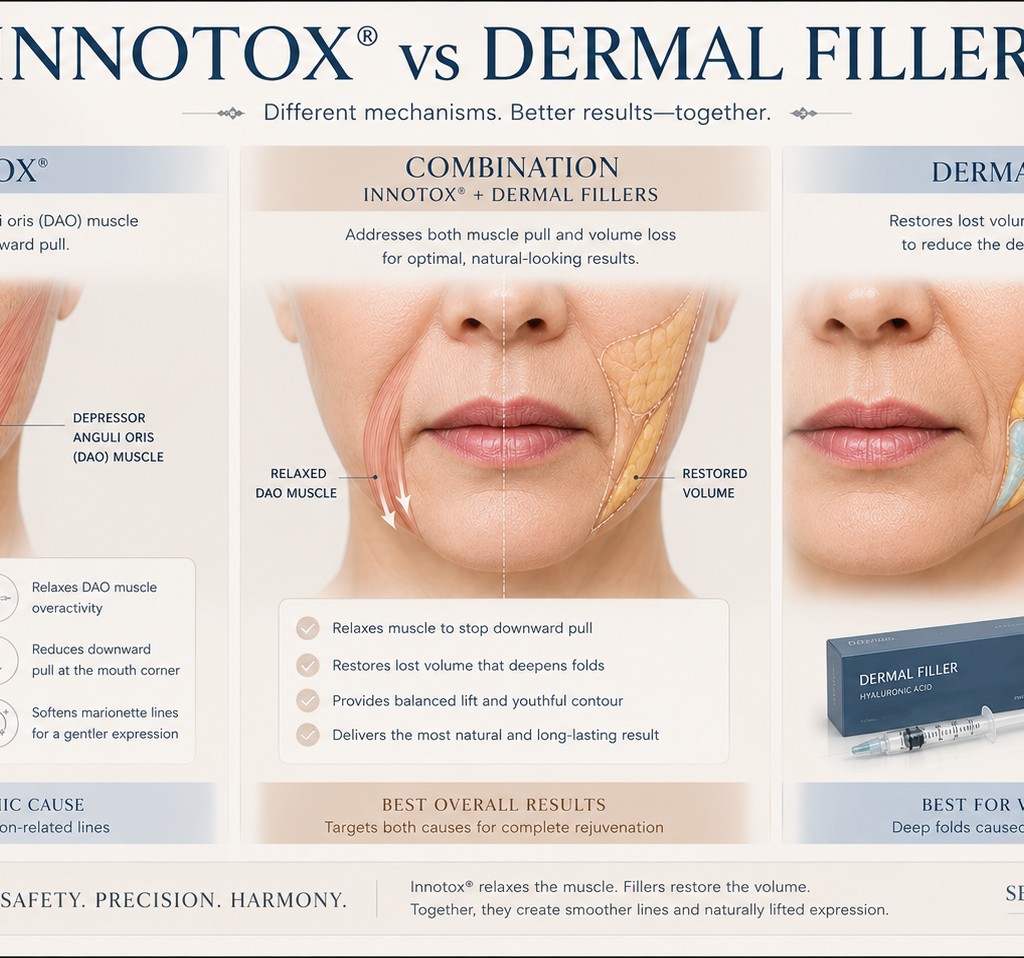
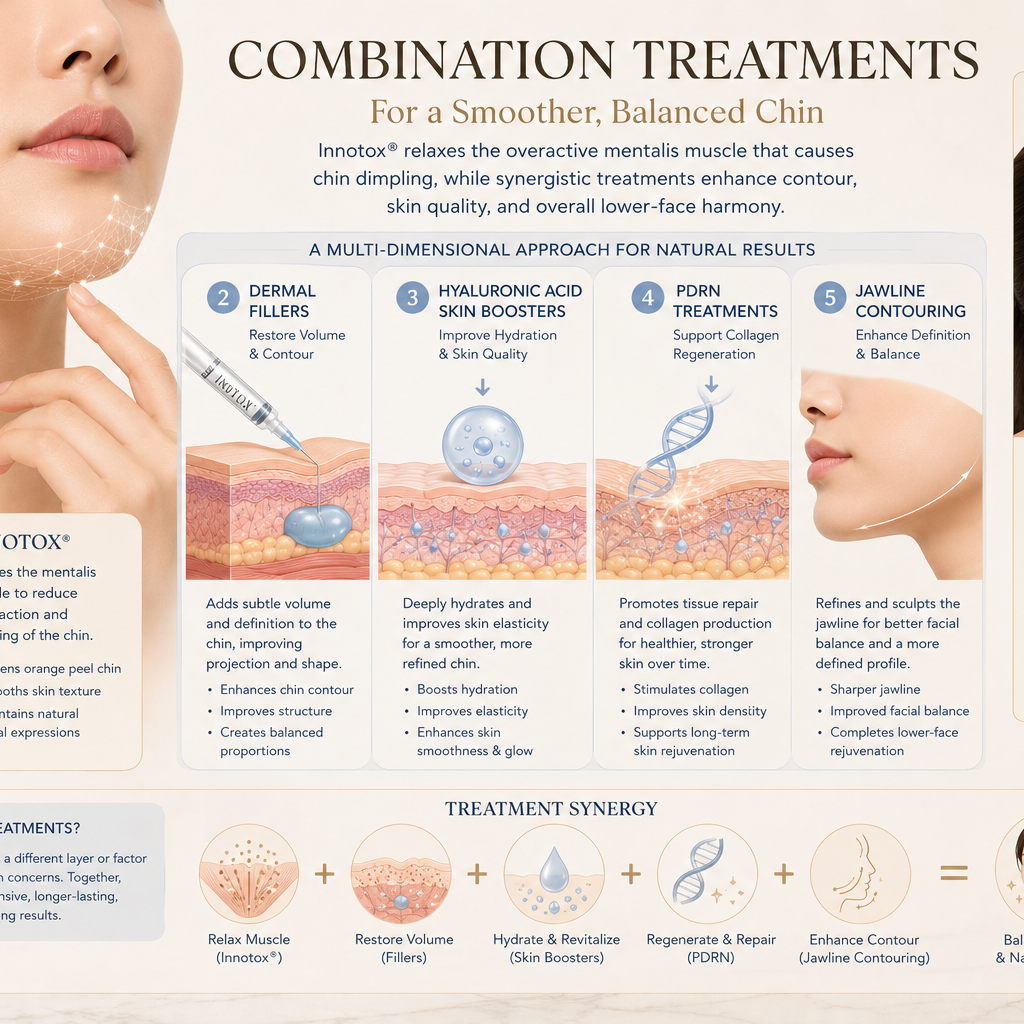
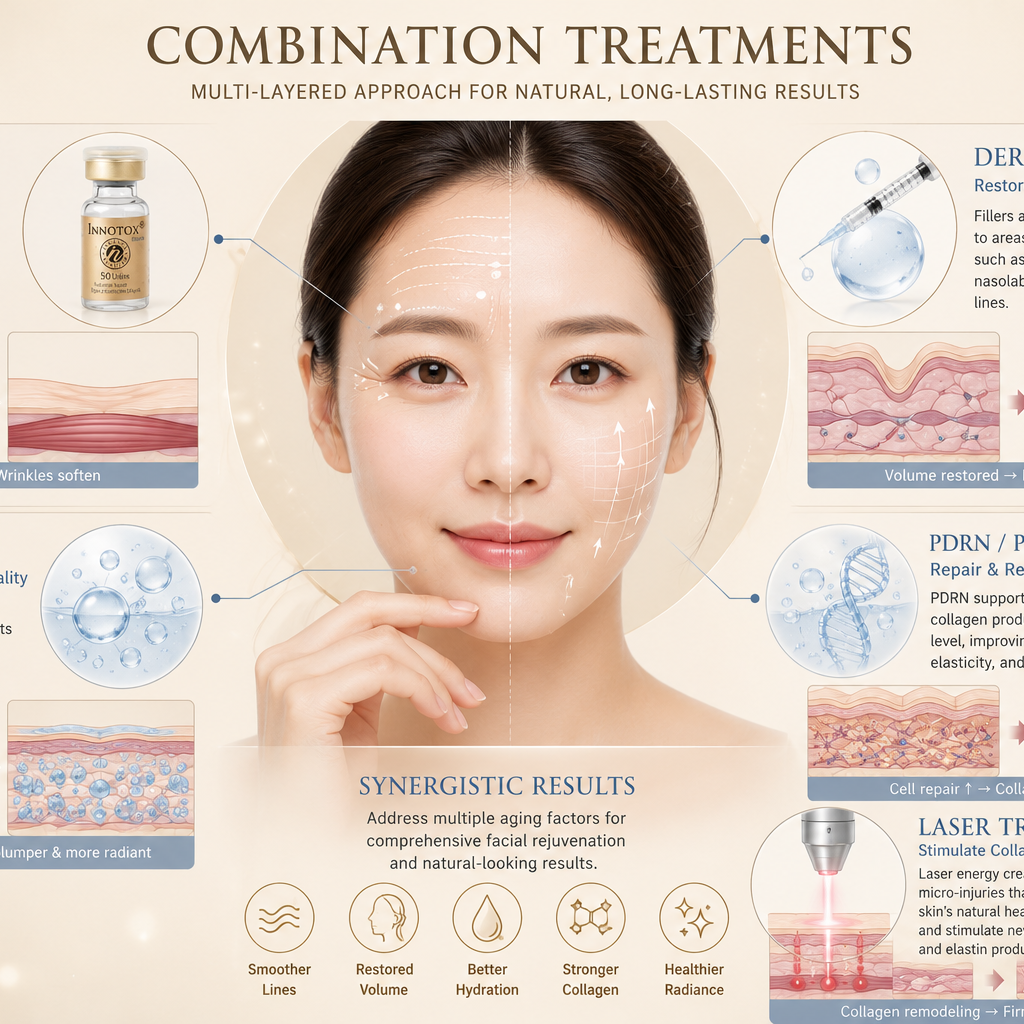
Patients who experience noticeable facial volume loss often benefit from combination treatments.
Depending on individual goals, providers may recommend the following:
- Hyaluronic acid fillers for volume restoration
- Skin boosters to improve hydration
- Collagen-stimulating treatments
- Microneedling
- Radiofrequency skin tightening
- Laser resurfacing
Innotox continues to reduce expression lines, while complementary procedures address concerns that muscle relaxation alone cannot correct.
This layered approach often creates the most natural-looking outcome.
Tips for Maintaining Beautiful Results During Weight Loss
If you’re actively losing weight, these strategies can help maintain balanced facial aesthetics.
- Lose Weight Gradually
Slow, steady weight loss allows the skin more time to adapt. Gradual changes may reduce the appearance of loose skin compared with rapid weight loss.
- Stay Hydrated
Well-hydrated skin often appears smoother and healthier. Proper hydration also supports the skin barrier throughout your weight loss journey.
- Prioritize Protein
Adequate protein intake supports muscle maintenance and provides the building blocks needed for healthy skin and collagen production.
- Protect Your Skin From Sun Damage
Daily sunscreen helps preserve collagen and elastin, reducing additional signs of premature aging that can become more noticeable after weight loss.
- Schedule Regular Follow-Up Visits
Your face changes gradually during weight loss. Regular assessments allow your provider to adjust treatment plans based on your evolving facial anatomy rather than relying on previous injection patterns.
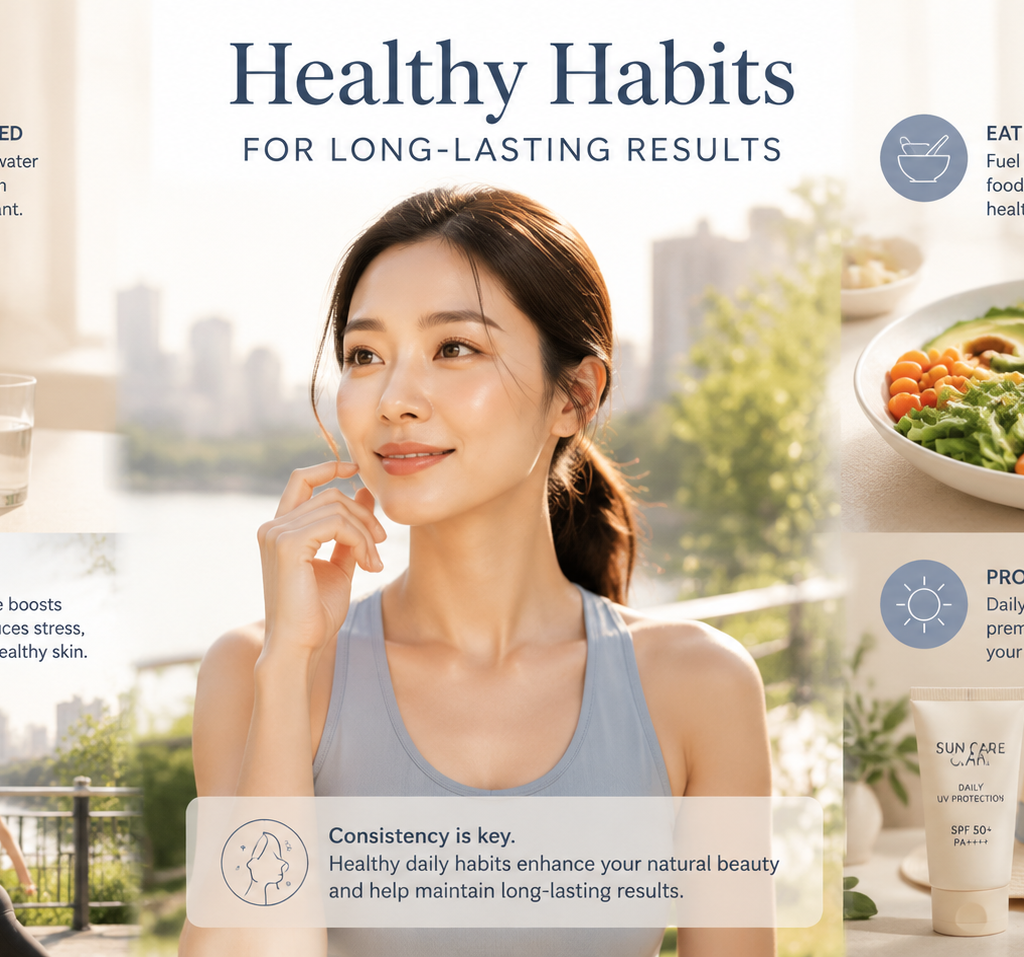
However, it is also equally important to be aware of what not to do after Innotox treatment. Our guide to Innotox’ 24-hour aftercare tips might be helpful in achieving optimal results and maintaining Botox results while also actively losing weight.
Common Myths About Weight Loss and Innotox
Myth: Losing weight dissolves Innotox.
False.
The product remains within the treated muscles and naturally wears off over time through normal biological processes.
Myth: Thin people need more Innotox.
Not necessarily.
Treatment depends on muscle strength, facial anatomy, and aesthetic goals rather than body weight alone.
Myth: Weight loss ruins Botox.
False.
Weight loss changes facial contours, but it does not prevent Innotox from relaxing muscles effectively.
Myth: You should avoid Botox while dieting.
False.
Most healthy individuals can safely receive Innotox while losing weight, provided their medical history and treatment goals are appropriately evaluated by a qualified healthcare professional.
Final Thoughts
Weight loss does not make Innotox less effective, nor does it cause the product to wear off faster. Instead, changes in facial fat, skin support, and overall facial contours can influence how your results appear over time. While Innotox continues to smooth dynamic wrinkles by relaxing targeted muscles, facial volume loss may reveal other signs of aging that require a more comprehensive approach.
The best results come from treating the face as a whole rather than focusing on wrinkles alone. If you are planning a significant weight loss or have recently reached your goal, speak with an experienced medical provider who can tailor your treatment plan to your current facial anatomy. With personalized care, Innotox can continue to deliver natural-looking, balanced results that complement your changing appearance.
Frequently Asked Questions
Can I get Innotox while losing weight?
Yes. Moderate weight loss does not interfere with the effectiveness of Innotox. If you are undergoing significant or rapid weight loss, your provider may adjust future treatments to match changes in your facial contours.
Will my wrinkles look worse after weight loss?
They can appear more noticeable if facial fat decreases and the skin loses some support. This change is related to volume loss rather than reduced effectiveness of Innotox.
Does losing weight require more units of Innotox?
Usually not. The number of units is determined by muscle size, muscle activity, facial anatomy, and treatment goals—not by overall body weight.
Should I wait until I reach my goal weight?
If you are close to your target weight, many providers recommend waiting until your weight is relatively stable before making long-term treatment decisions. However, there is no universal rule, and many patients successfully receive Innotox throughout their weight loss journey.
Can Innotox replace facial volume lost after weight loss?
No. Innotox relaxes muscles that cause dynamic wrinkles, but it does not restore lost facial volume. If volume loss is a concern, your provider may discuss other treatments that complement Innotox.