Innotox Dosage by Treatment Area: Complete Guide
Innotox Dosage by Treatment Area: A Complete Guide to Treatment Units and Facial Mapping
When considering wrinkle-relaxing treatments, one of the most common questions patients ask is, “How many units of Innotox will I need?”
While online dosage charts may provide general estimates, the truth is that there is no universal number that works for everyone. The correct Innotox dosage depends on several factors. For example, the treatment area, the strength of the targeted muscles, facial anatomy, aesthetic goals, and the experience of the injector.
Understanding how dosage varies over different facial parts can help patients set realistic expectations. It will also help patients understand why personalized treatment planning is important for achieving natural-looking results.
In this guide, we’ll explore the typical Innotox dosage ranges for the most commonly treated facial areas, explain the factors that influence unit selection, and discuss why facial mapping is just as important as the dosage itself.
Whether you’re considering your first treatment or simply want to better understand how Innotox works, this overview will help you make more informed conversations with a qualified healthcare provider while emphasizing the importance of individualized care over standardized dosing.
Understanding Why Innotox Dosage Matters
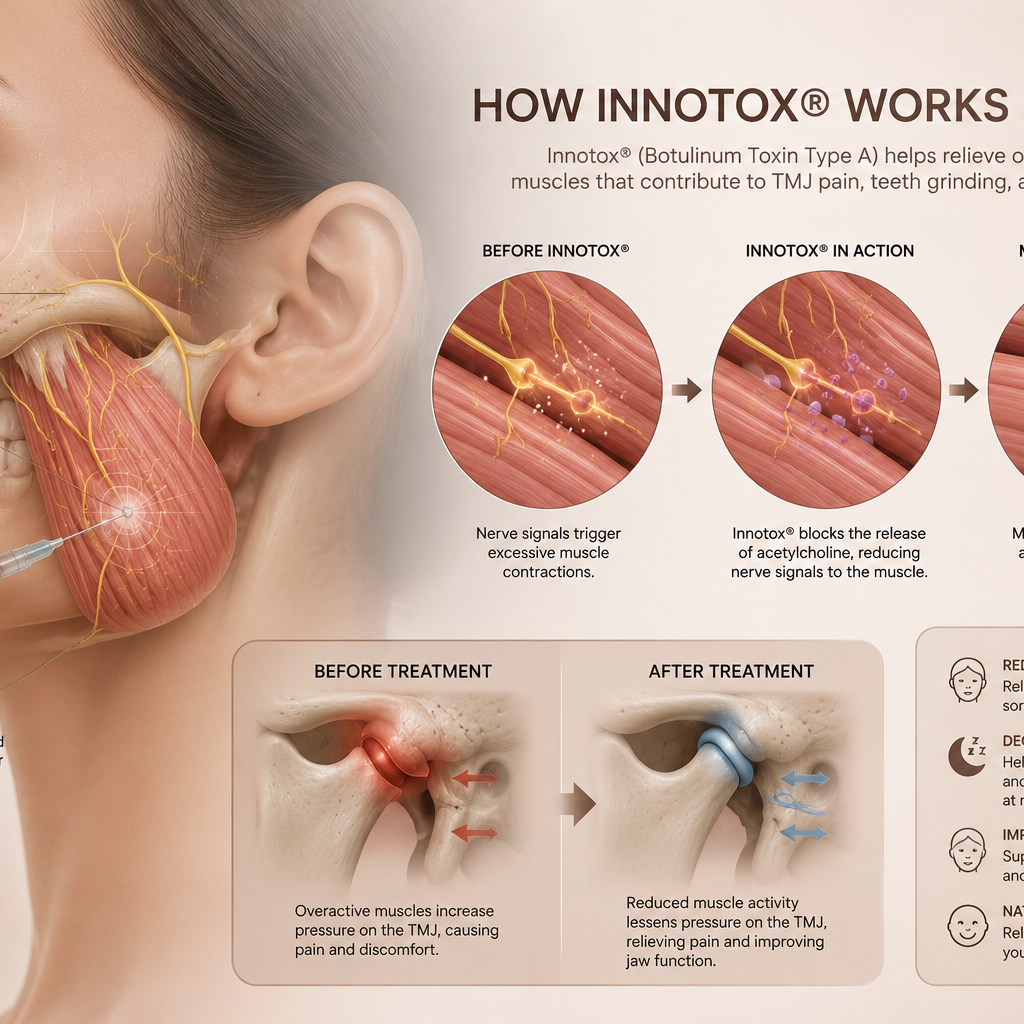
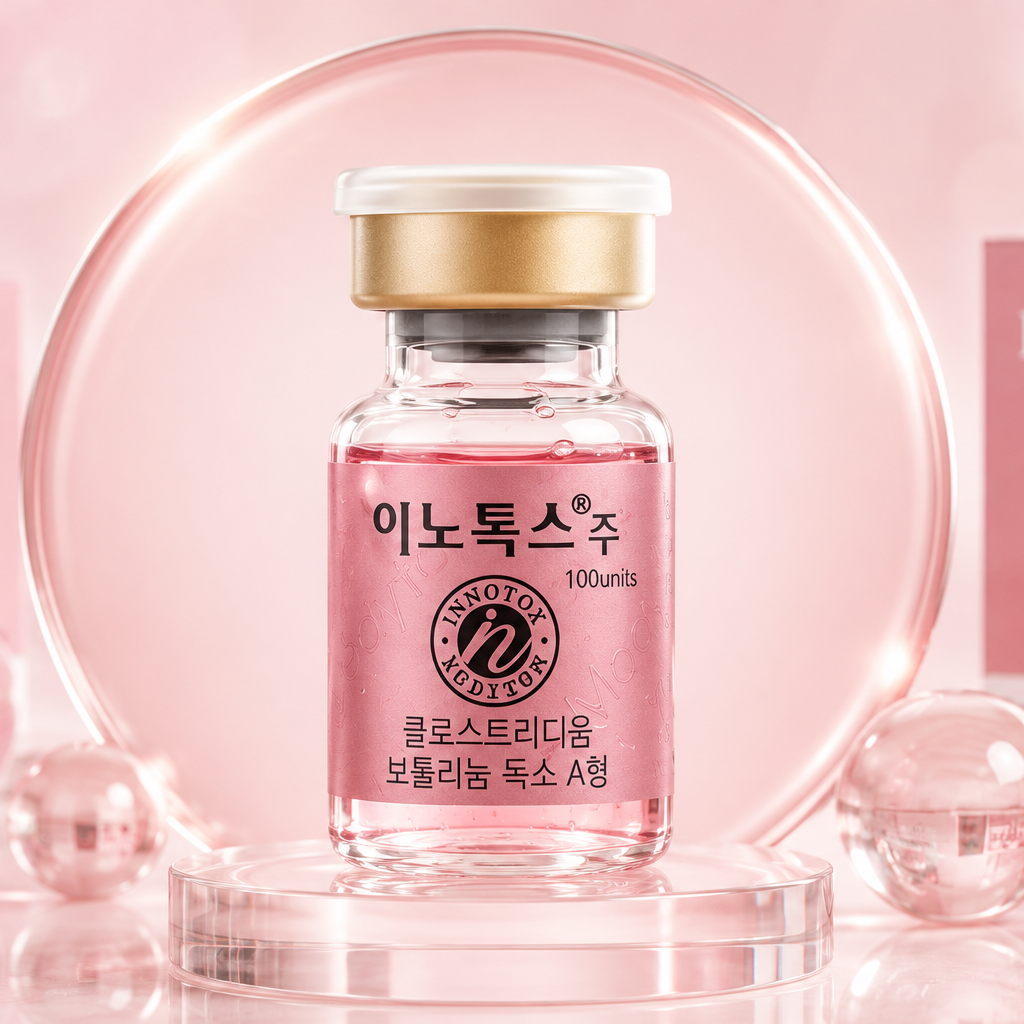
Innotox is a ready-to-use liquid botulinum toxin type A. It is known for its convenience and consistent preparation. Unlike traditional lyophilized neurotoxins that require dilution before injection, Innotox is available in liquid form, helping practitioners maintain standardized handling during treatment.
Proper dosing is important because both under-treatment and over-treatment can affect patient satisfaction. Using too few units may leave muscles partially active, causing wrinkles to remain visible. On the other hand, excessive dosing may reduce natural facial movement more than intended.
But the goal is not to erase all facial expressions. Instead, experts aim to soften wrinkles while also maintaining natural expressions.
Patients should also understand that dosage recommendations found online are general educational references rather than fixed treatment protocols. Individual facial muscles greatly differ from person to person. This means that two patients receiving forehead treatments may require completely different numbers of units to achieve similar cosmetic outcomes.
Therefore, a personalized approach is one of the main reasons why professional facial assessment remains an essential part of successful Innotox treatment. Aside from personalized Botox treatment plans, discover more Botox trends in this article that make botulinum toxin injectables more accessible now.
Determining the appropriate Innotox dosage is far more individualized than assigning the same number of units to every patient. Experienced injectors evaluate facial anatomy, muscle strength, treatment goals, gender, age, and previous neurotoxin history before deciding on the ideal dosage for each area.
Typical Innotox Dosage by Treatment Area
Although every treatment plan is customized, certain dosage ranges are commonly referenced in aesthetic practice. These values serve only as general guidelines because facial anatomy differs among individuals. Whether it is Innotox 50 Units or Innotox 100 Units, the final dosing should always be determined by a qualified healthcare provider after a thorough consultation.
| Treatment Area | Typical Unit Range* |
| Forehead Lines | 8–20 Units |
| Glabellar (Frown Lines) | 15–25 Units |
| Crow’s Feet | 12–24 Units |
| Bunny Lines | 4–10 Units |
| Chin Dimpling | 4–8 Units |
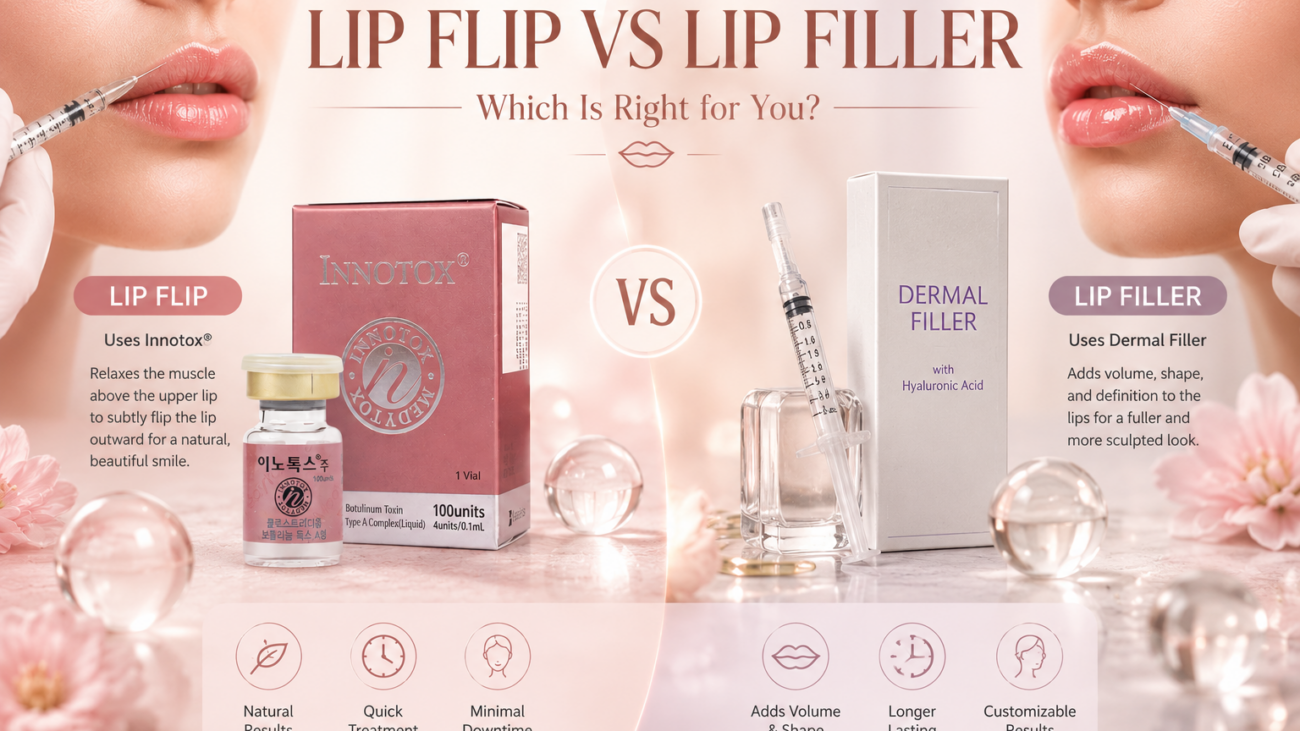
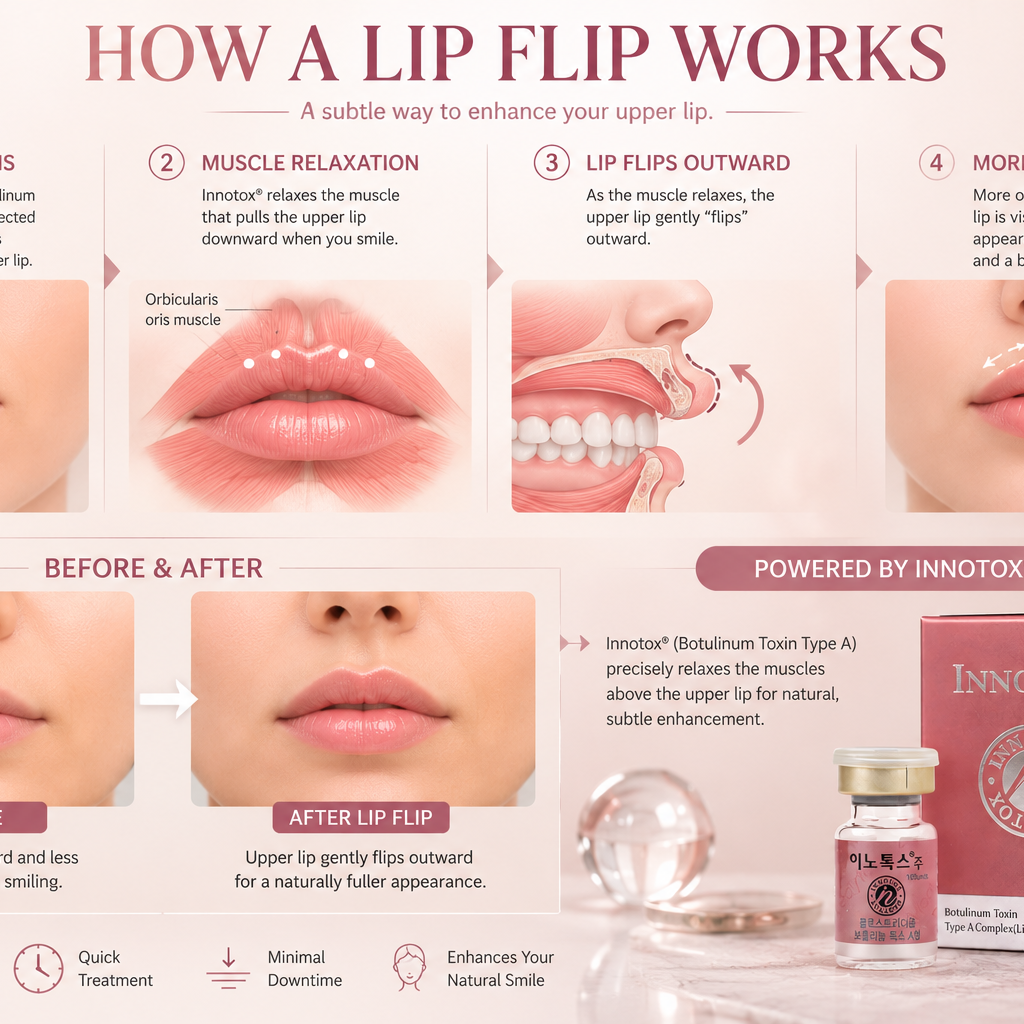
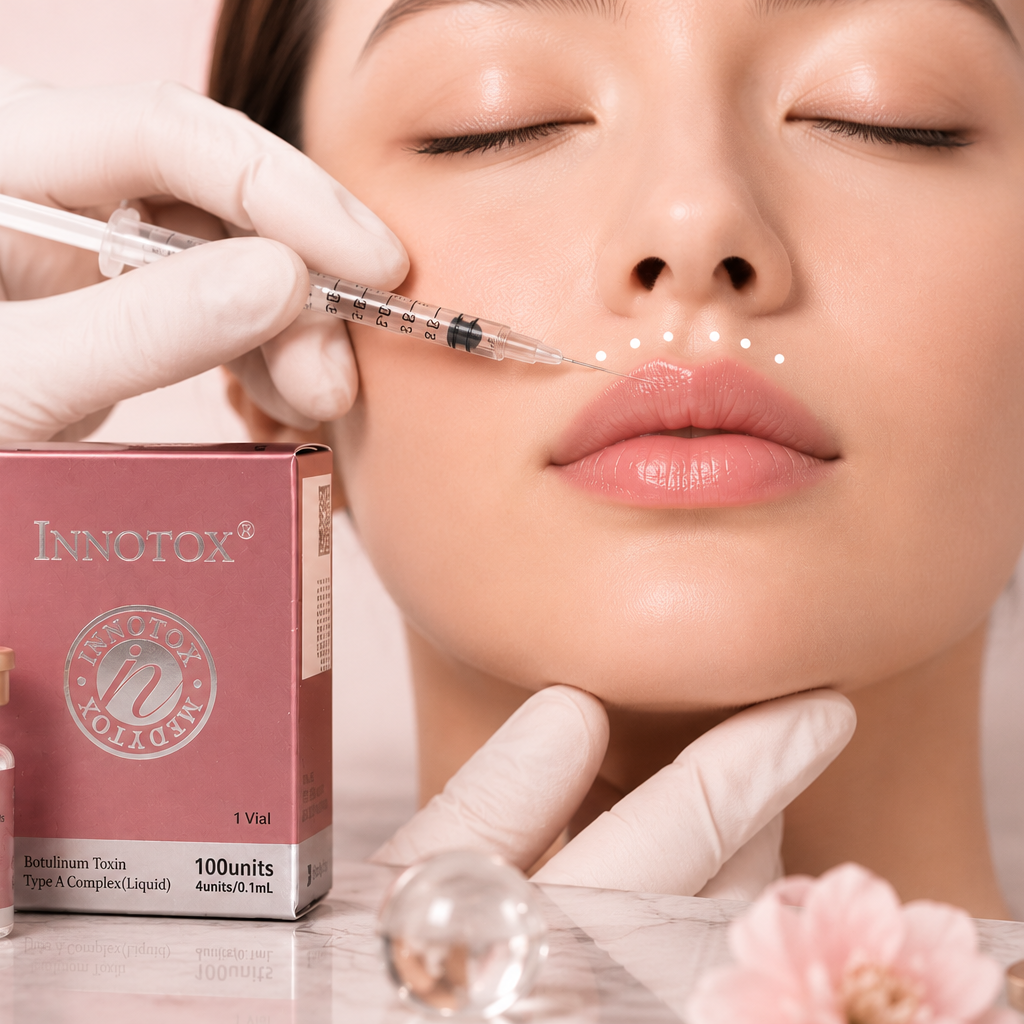
| Lip Flip | 4–8 Units |
| Gummy Smile | 2–6 Units |
| Downturned Mouth | 4–8 Units |
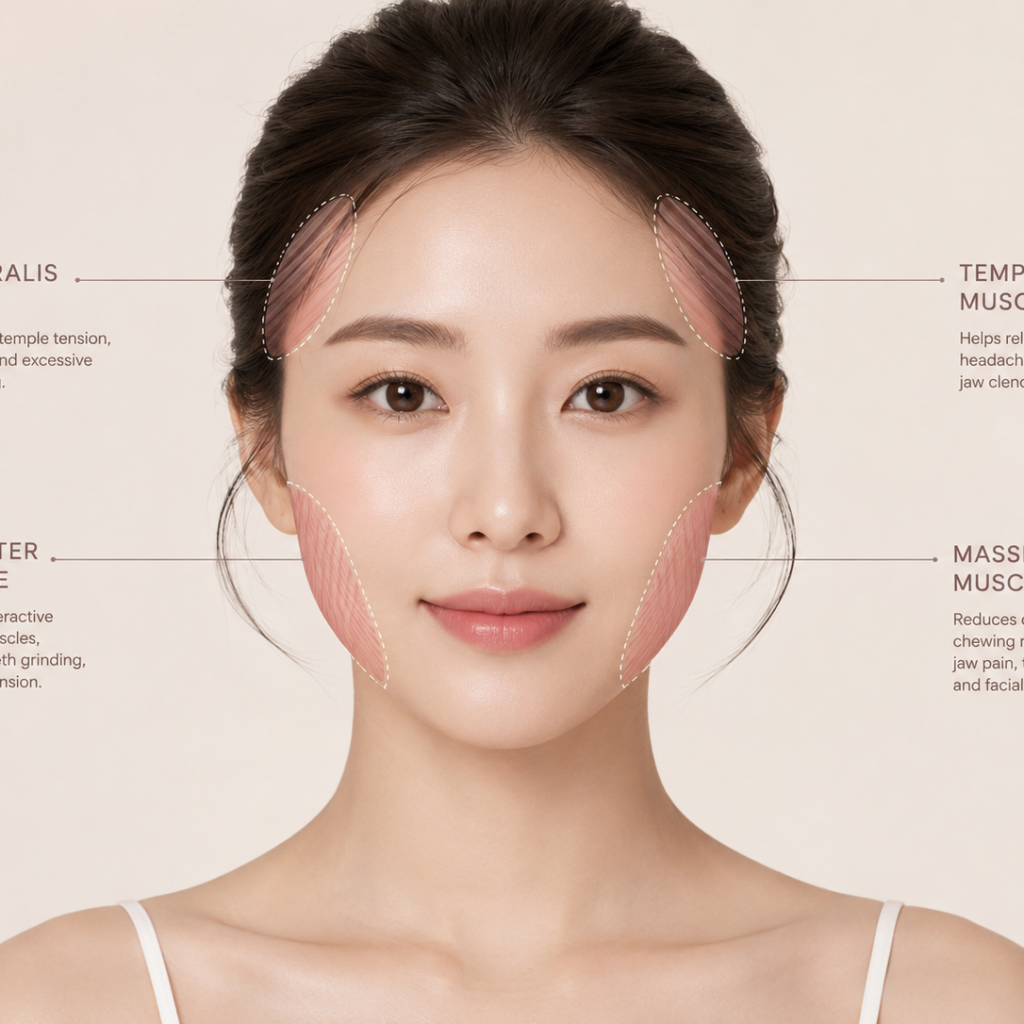
| Masseter (Jaw Slimming) | 20–40 Units per side |
| Platysmal Bands | 20–50 Units |
**These ranges are educational examples and should not replace individualized medical assessment.
Many patients are surprised to learn that larger muscles naturally require more units than smaller facial muscles. For example, jaw contouring typically involves much higher dosages than procedures such as a lip flip or gummy smile correction. This is because the masseter muscles involved in jaw slimming are significantly stronger than the muscles around the lips.
Doctors also frequently combine multiple treatment areas during a single appointment. Rather than calculating each area one by one, they evaluate how muscles interact across the entire face to maintain natural facial balance. This comprehensive approach often produces smoother and more harmonious outcomes than treating a single area alone.
Factors That Influence Your Innotox Dosage
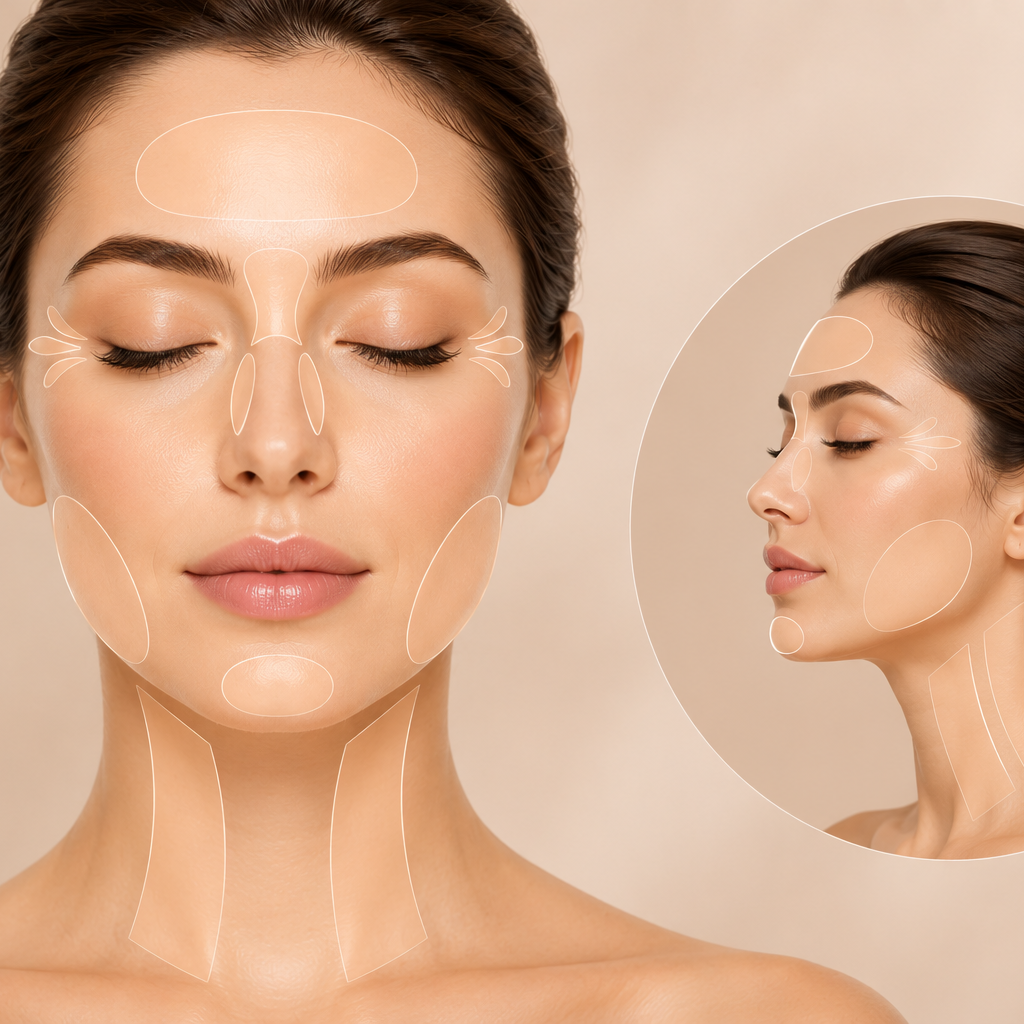
No universal dosage works for every patient because facial muscles vary in size, strength, and activity. Instead of following a fixed number of units, qualified practitioners assess several individual characteristics before forming a tailored treatment plan.
Some of the most important factors include:
- Muscle size and strength: Larger or stronger facial muscles generally require more units than smaller, less active muscles.
- Gender: Men often require higher dosages than women due to greater muscle mass, particularly in areas such as the forehead, glabella, and jawline.
- Age and wrinkle severity: Younger patients seeking preventative wrinkle management may need fewer units than individuals with long-established dynamic lines.
- Facial anatomy: Every face is unique, and differences in muscle placement and symmetry can affect both dosage and injection technique.
- Muscle activity: Some people naturally have stronger facial expressions that create deeper movement even when their face is at rest, while others develop wrinkles despite relatively mild muscle contraction.
- Treatment goals: Patients who prefer subtle, natural-looking movement may intentionally receive lower doses to preserve facial expression, whereas those seeking longer-lasting wrinkle reduction may benefit from slightly higher dosing within accepted clinical ranges.
Previous exposure to botulinum toxin can further improve future dosing strategies.
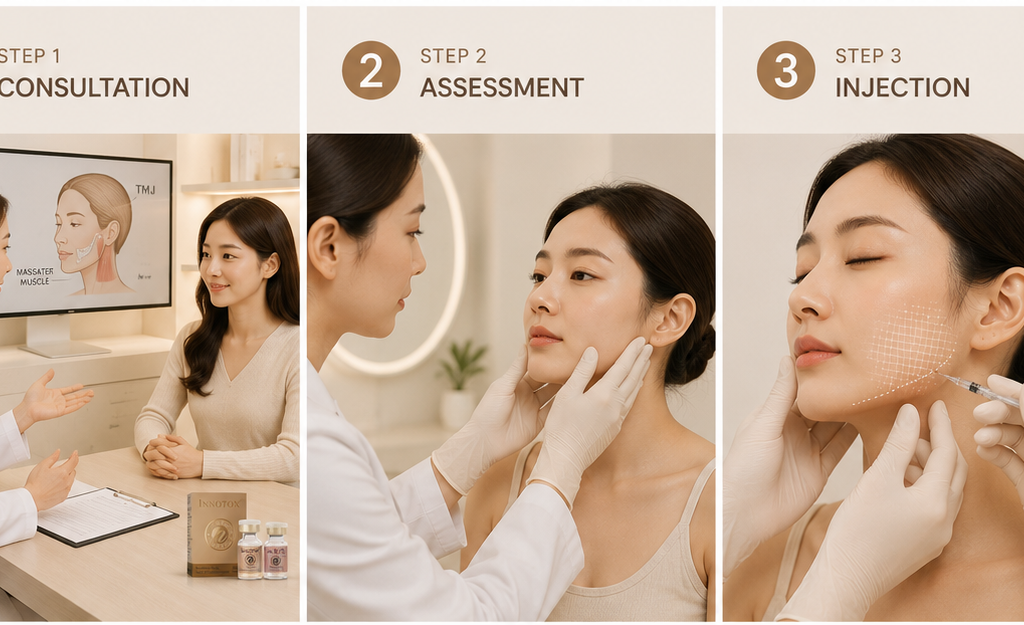
During the consultation, doctors assess how severe the wrinkles are and the way facial muscles move. This is to determine the most appropriate treatment plan for each patient.
Experienced injectors review how patients responded to earlier treatments, including:
- How quickly results appeared
- How long they lasted
- The degree of muscle relaxation achieved
Using this information, they can make thoughtful adjustments during subsequent appointments, allowing treatment plans to become increasingly personalized and optimized over time.
Common Cosmetic Treatment Areas Explained
The three main and most common treatment areas where Innotox is administered are the following:
Forehead Lines
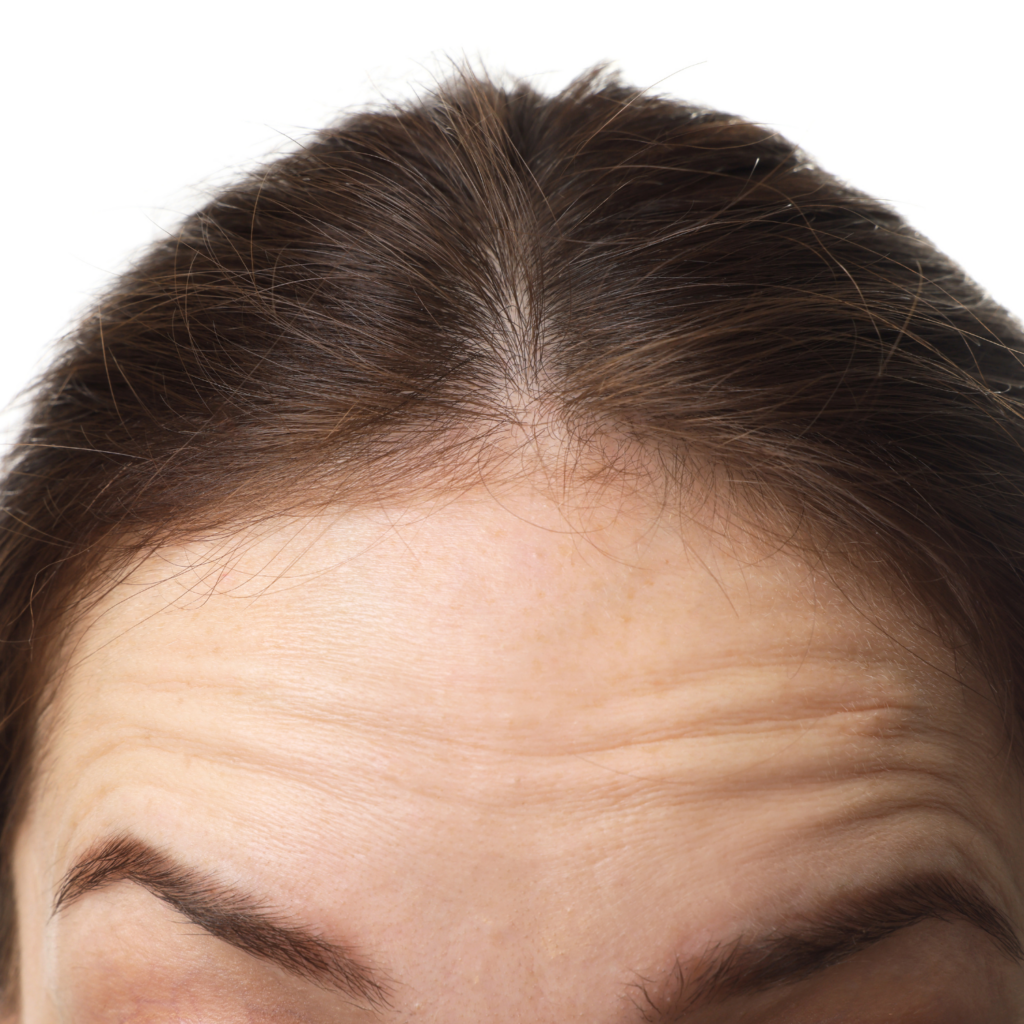
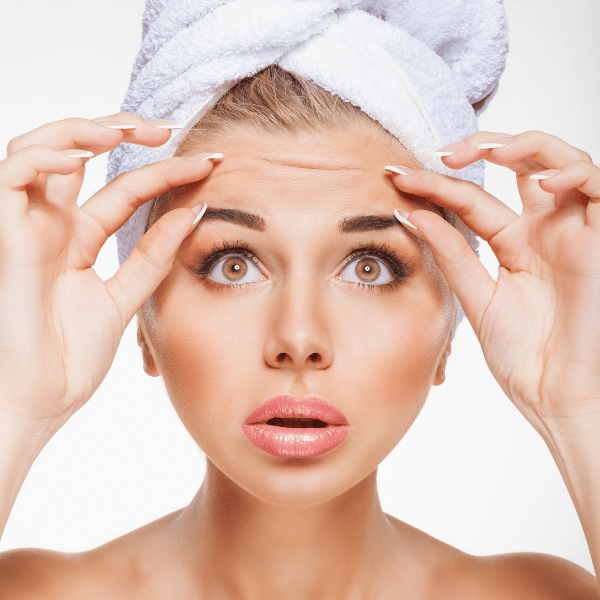
The forehead is one of the most frequently treated areas because repetitive muscle movement gradually creates horizontal expression lines.
Treating this area requires precision since excessive relaxation may produce an unnaturally heavy appearance. But insufficient treatment may also leave visible wrinkles during facial movement.
Therefore, experts evaluate the forehead together with the muscles between the eyebrows to maintain natural results.
Glabellar Frown Lines
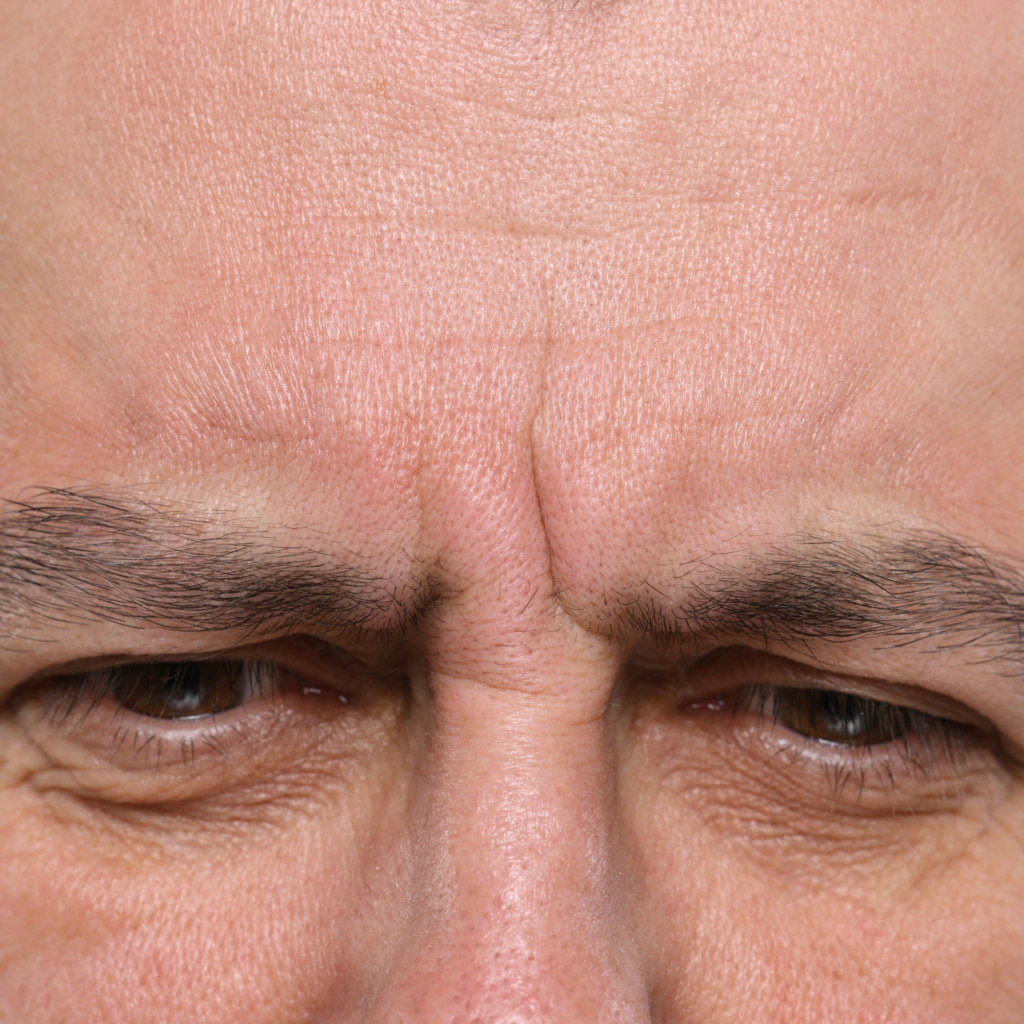
Glabellar lines, often called the “11 lines,” are produced by repeated contraction of the corrugator and procerus muscles.
These muscles tend to be stronger than other facial muscles, making this area one of the most common sites for Botox treatments. Proper injection softens an angry or tired appearance while also preserving natural expression.
Crow’s Feet
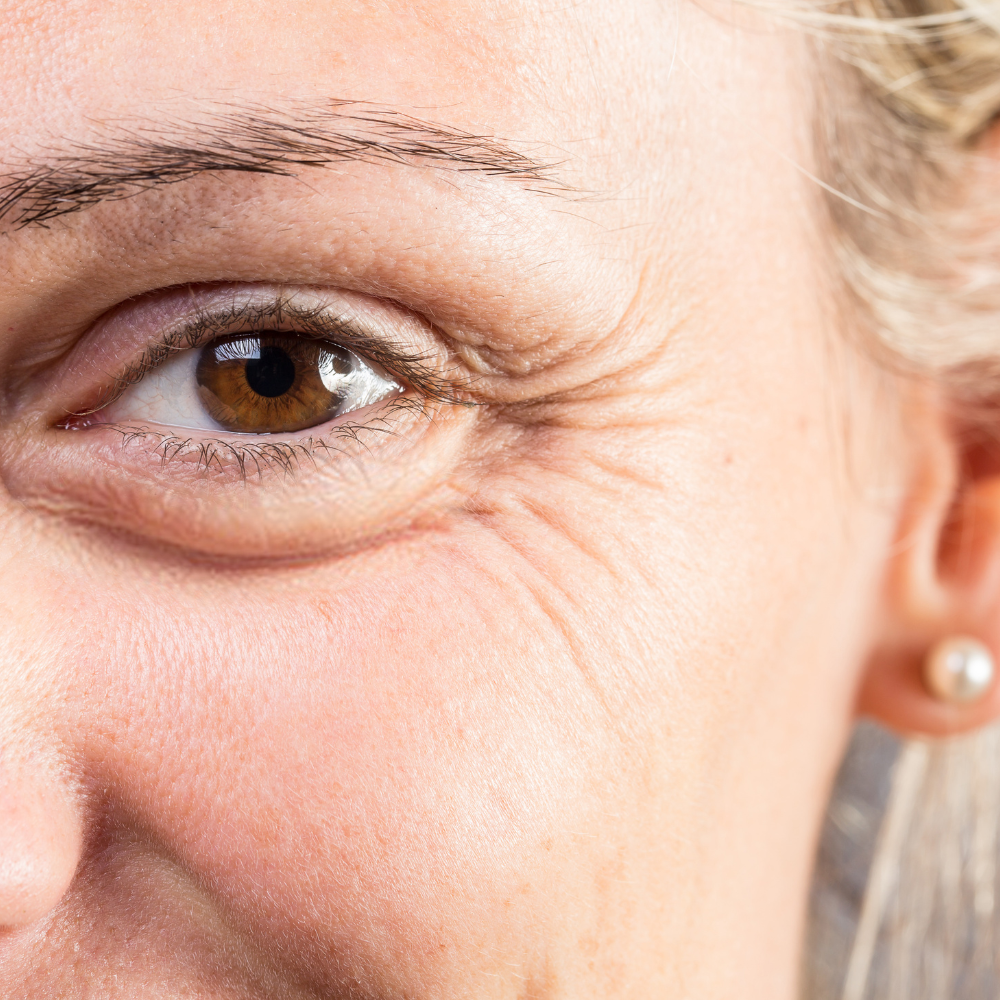
Crow’s feet develop from repeated smiling and squinting around the eyes. Rather than freezing every wrinkle, injectors usually aim to soften the lateral lines while allowing patients to maintain warm, genuine facial expressions. This conservative approach helps avoid an overly rigid appearance that many first-time patients hope to avoid.
Other Treatment Areas Injected with Innotox
There are also treatment areas that require only fewer units because the muscles involved are relatively small. These sites include:
- Bunny lines
- Chin dimpling
- Gummy smile correction
- Lip flip procedures
- Downturned mouth
Although these procedures use lower dosages, precision is still important because subtle adjustments can significantly influence the results.
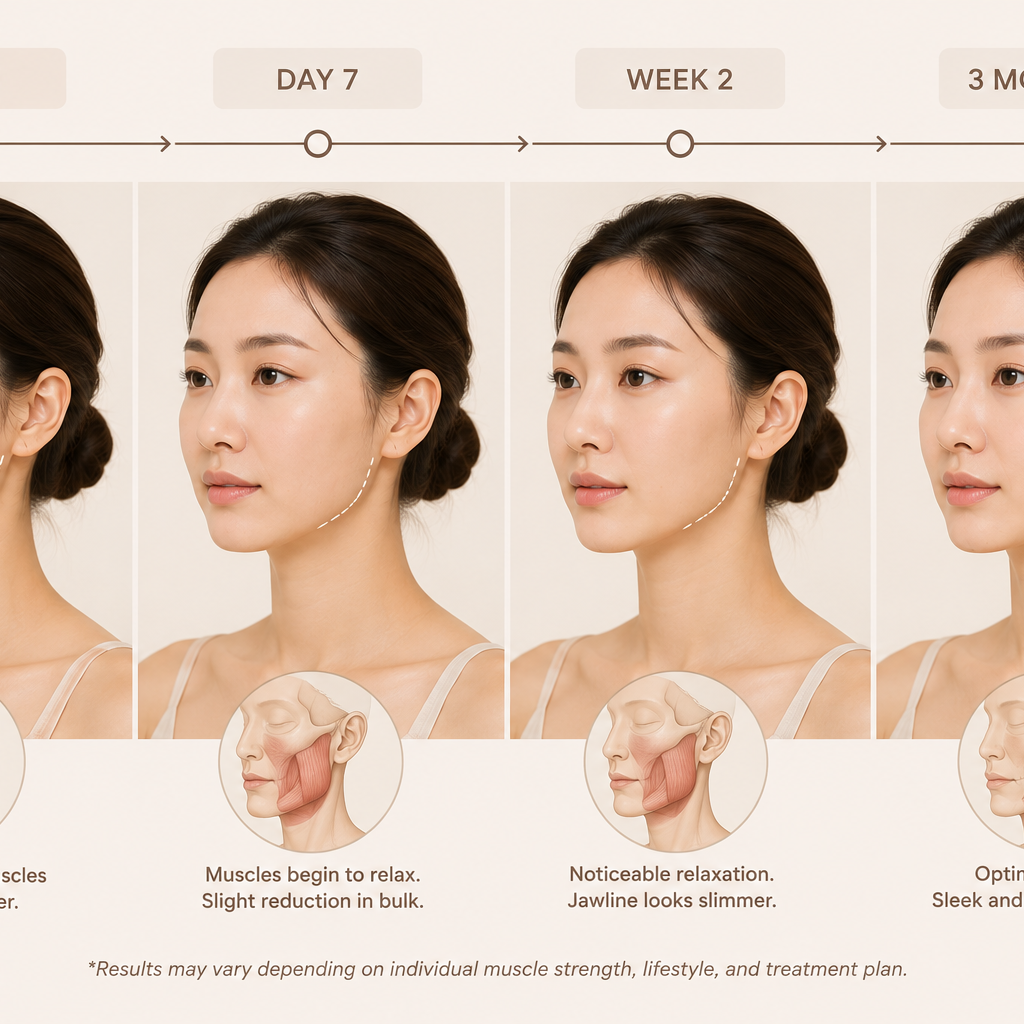
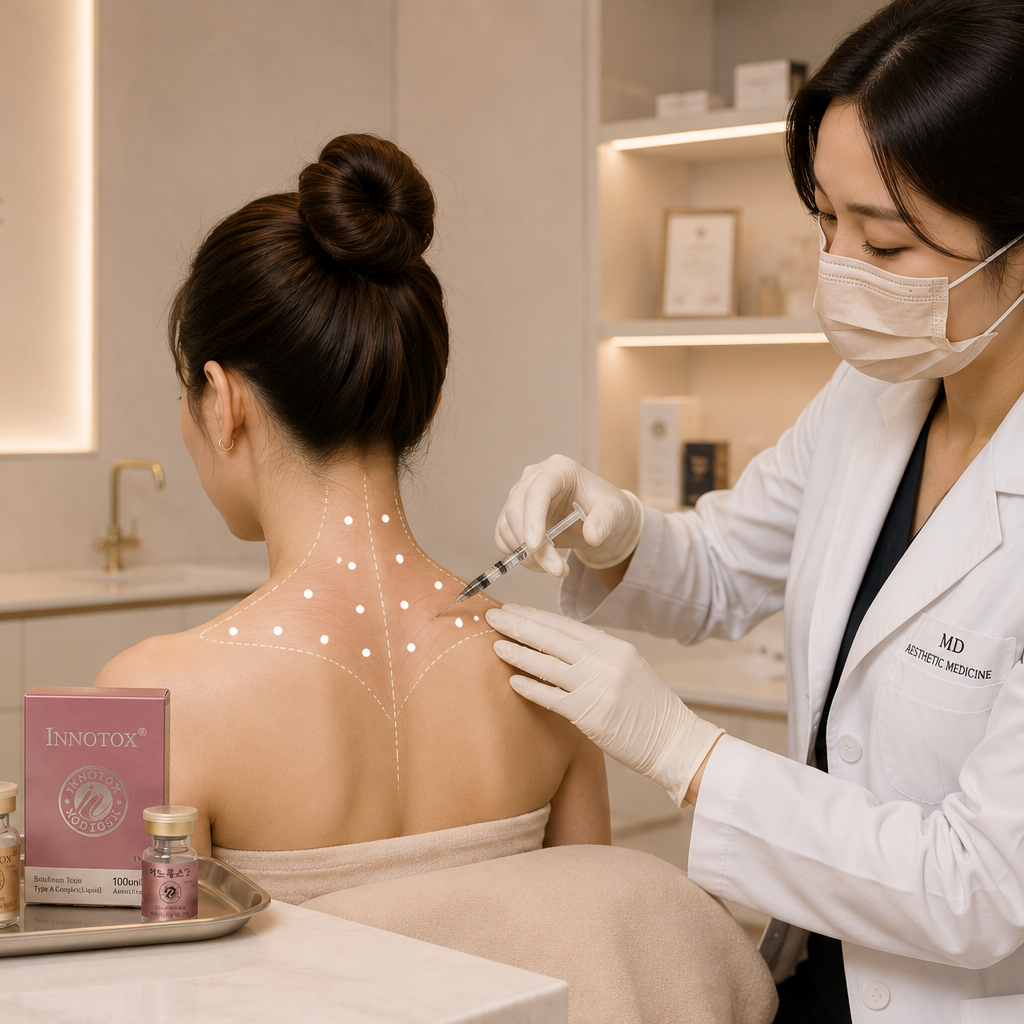
Aside from facial wrinkle treatment, Innotox can also be administered for the jaw and neck. These larger facial muscles include:
- Masseter reduction for jawline contouring
- Platysmal band treatment in the neck
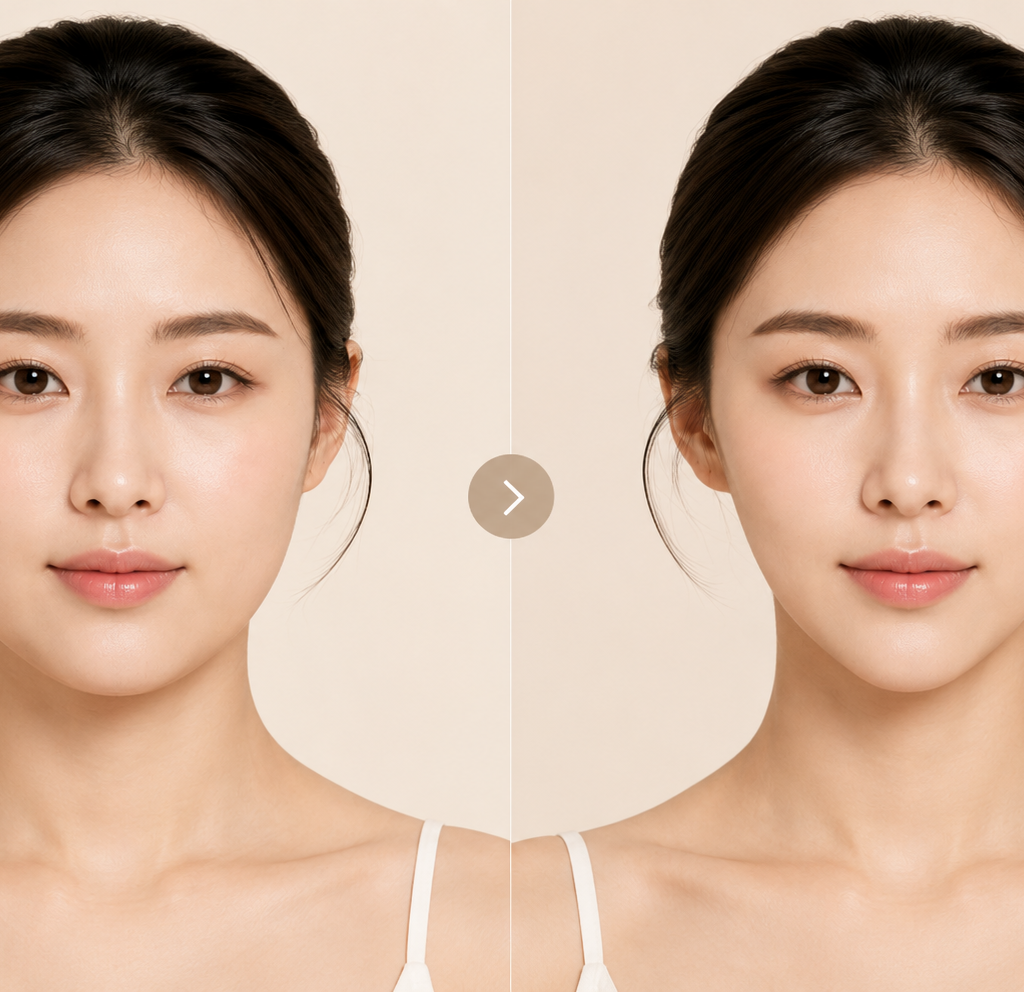
These larger muscles naturally require higher unit ranges and often produce gradual contouring improvements over several weeks as muscle activity diminishes. Learn how Innotox works for jawline disorders here!
Why Professional Facial Mapping Is More Important Than Unit Numbers
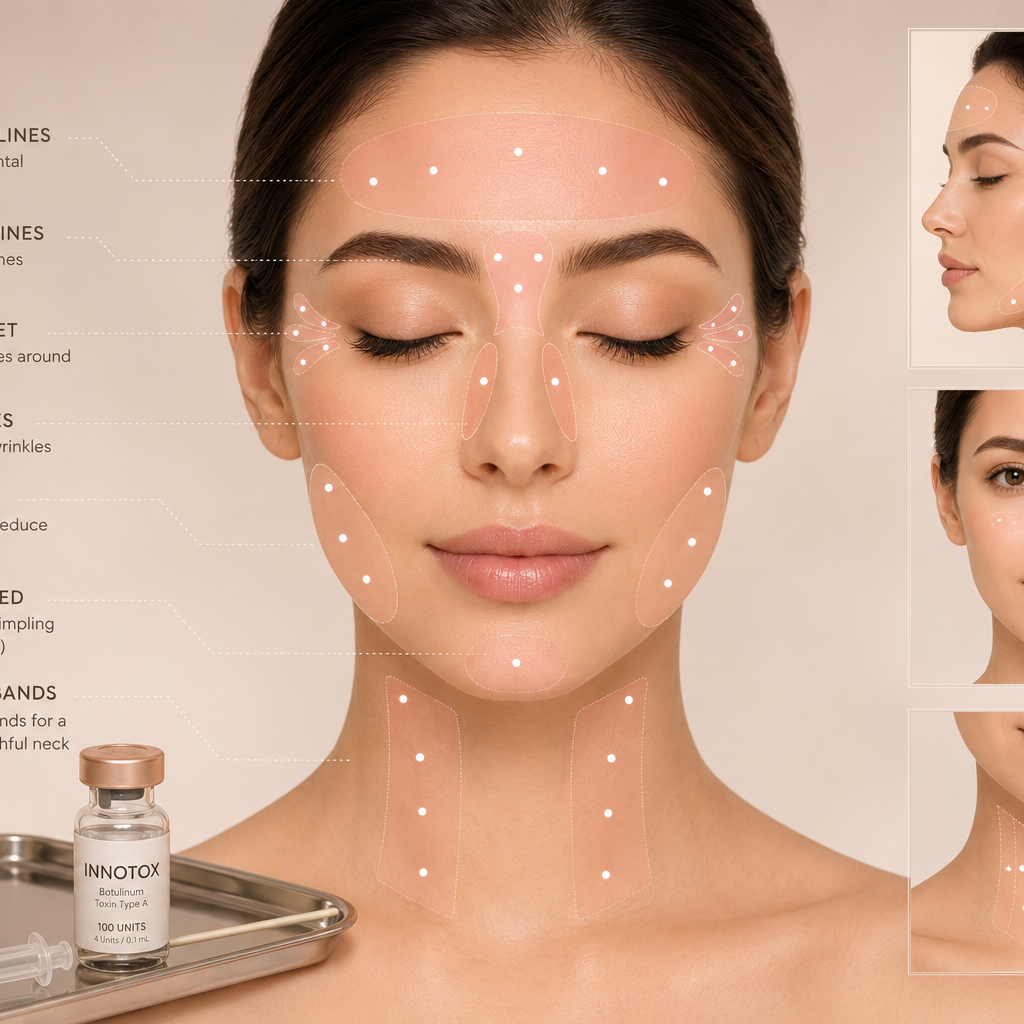
Patients often focus exclusively on the number of units they receive, but experienced injectors know that placement is equally important. Two patients may receive identical dosages yet achieve noticeably different outcomes simply because of differences in muscle anatomy and injection technique.
Precise facial mapping allows practitioners to target muscles accurately while minimizing unwanted diffusion into surrounding areas.
During consultation, providers typically ask patients to smile, frown, raise their eyebrows, purse their lips, and perform several facial expressions. Observing these movements reveals how muscles interact and which areas contribute most significantly to wrinkle formation. This dynamic evaluation helps practitioners customize injection points rather than following identical patterns for every patient.
Facial symmetry is another important consideration. Many individuals naturally have stronger muscles on one side of the face, requiring subtle dosage adjustments to achieve balanced results. Without individualized mapping, symmetrical injections may actually produce asymmetrical outcomes.
Ultimately, successful treatment depends on far more than selecting a specific number of units. Artistic assessment, anatomical knowledge, and injection precision work together to create natural-looking facial rejuvenation that complements each patient’s unique features.
How Long Do Innotox Results Last?
Although dosage contributes to treatment longevity, it is only one of several influencing factors. Most patients begin noticing early muscle relaxation within several days, with results continuing to develop over approximately one to two weeks before reaching their full cosmetic effect.
Visible improvement commonly lasts around three to four months, although individual experiences vary depending on metabolism, muscle strength, lifestyle, treatment area, and previous neurotoxin exposure. Larger muscles, such as the masseters, may gradually require maintenance treatments at different intervals than smaller facial muscles.
Regular follow-up appointments allow practitioners to evaluate treatment response and make dosage adjustments if necessary. Rather than increasing units dramatically during every visit, providers often make small refinements that optimize both cosmetic appearance and longevity while maintaining natural facial movement.
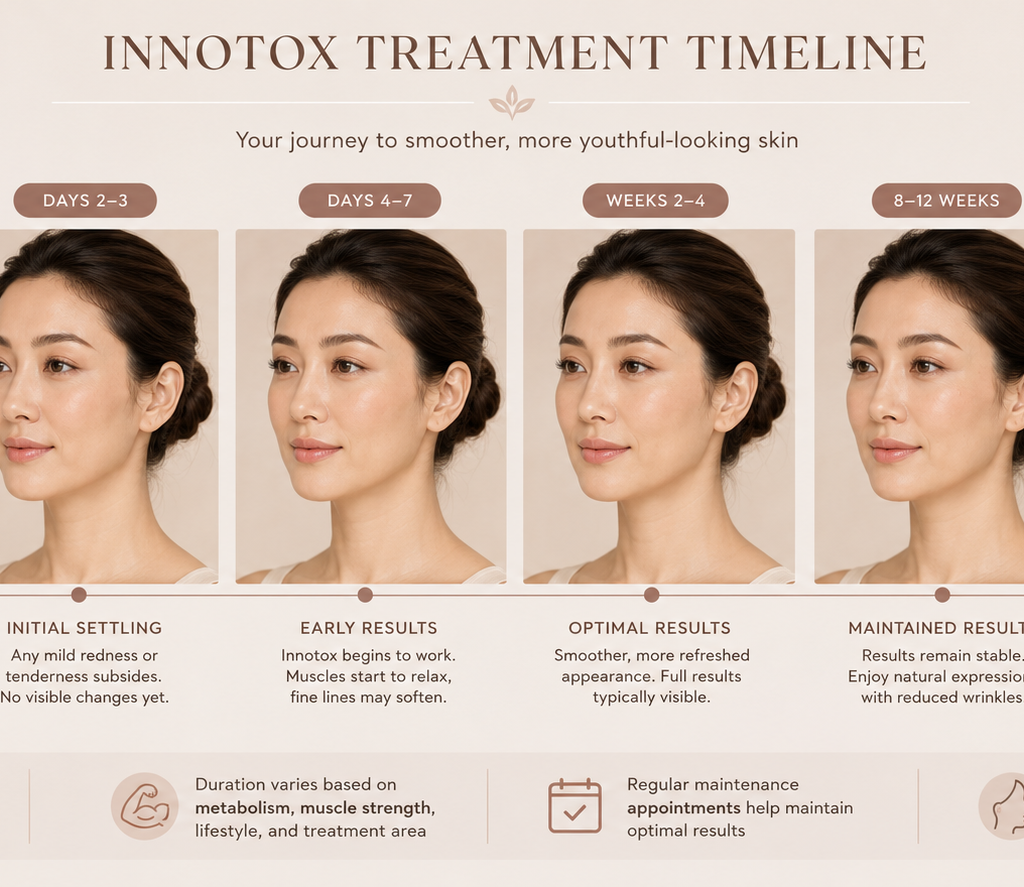
Patients can support consistent results by following appropriate aftercare instructions, attending scheduled maintenance appointments, and discussing any changes in treatment goals with their provider. Long-term success is generally achieved through individualized planning rather than relying solely on higher dosages.
Choosing Safe and Personalized Innotox Treatment

While online dosage charts provide helpful educational references, they should never replace professional medical assessment. Every face is unique, and achieving balanced, natural-looking results requires careful evaluation of muscle anatomy, facial symmetry, wrinkle patterns, and personal aesthetic goals.
Choosing an experienced injector is one of the most important factors influencing treatment success. Qualified practitioners understand how facial muscles interact, how dosage affects expression, and how to tailor treatment plans that enhance appearance without compromising natural movement. Their expertise extends beyond selecting unit numbers to creating personalized facial rejuvenation strategies that prioritize both safety and aesthetic harmony.
Whether you are considering your first wrinkle-relaxing treatment or planning maintenance injections, understanding how dosage varies by treatment area can help you have more informed discussions during consultation. Rather than asking for a specific number of units, patients often achieve better outcomes by focusing on their desired results and trusting a qualified provider to determine the most appropriate individualized treatment plan.
Frequently Asked Questions
Is more Innotox always better?
No. Higher dosages do not necessarily produce better cosmetic outcomes. Appropriate dosing depends on muscle strength, facial anatomy, and treatment goals.
Can two people receive different dosages for the same treatment area?
Yes. Individual muscle size and facial movement vary significantly, making customized dosing an essential part of treatment planning.
How soon will I see results?
Many patients begin noticing changes within a few days, with maximum results typically appearing after one to two weeks.
Can dosage be adjusted during future treatments?
Absolutely. Practitioners often refine dosages over multiple treatment sessions based on previous response and patient preferences.