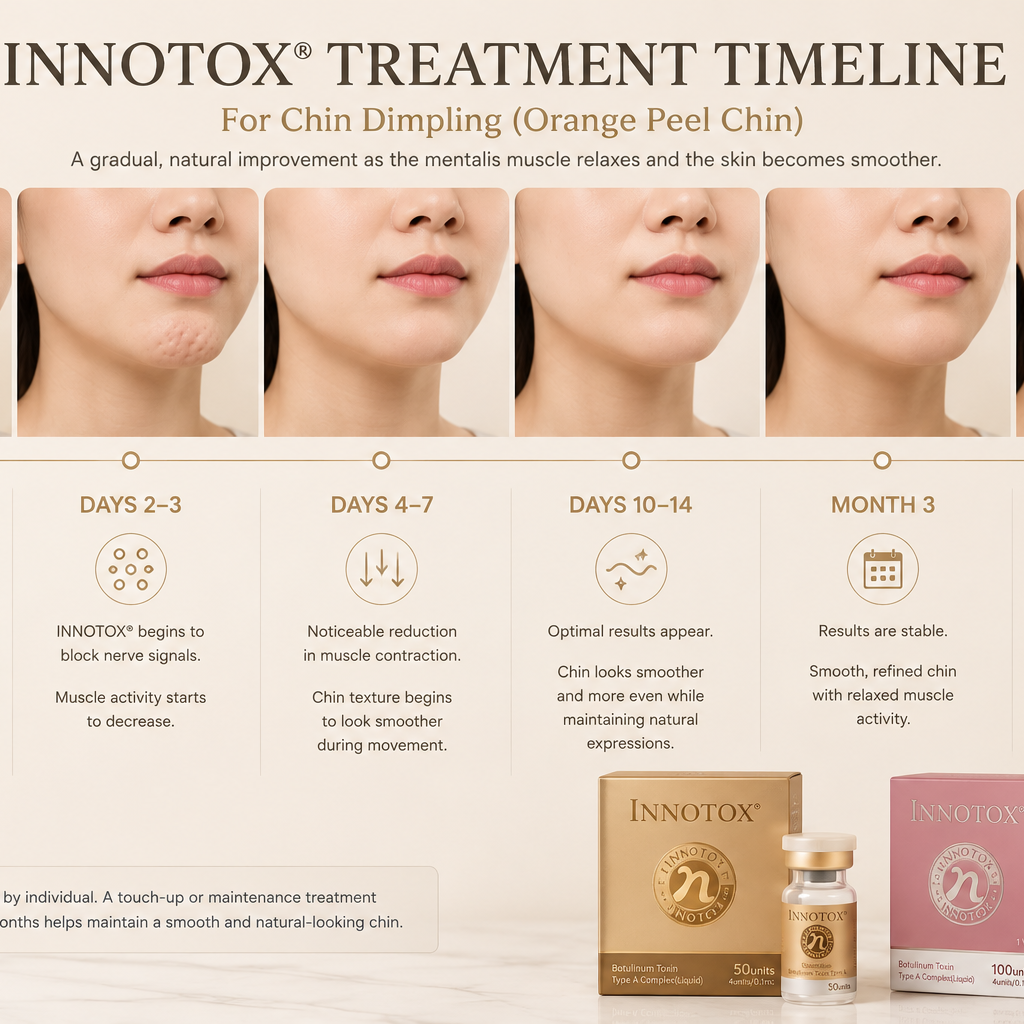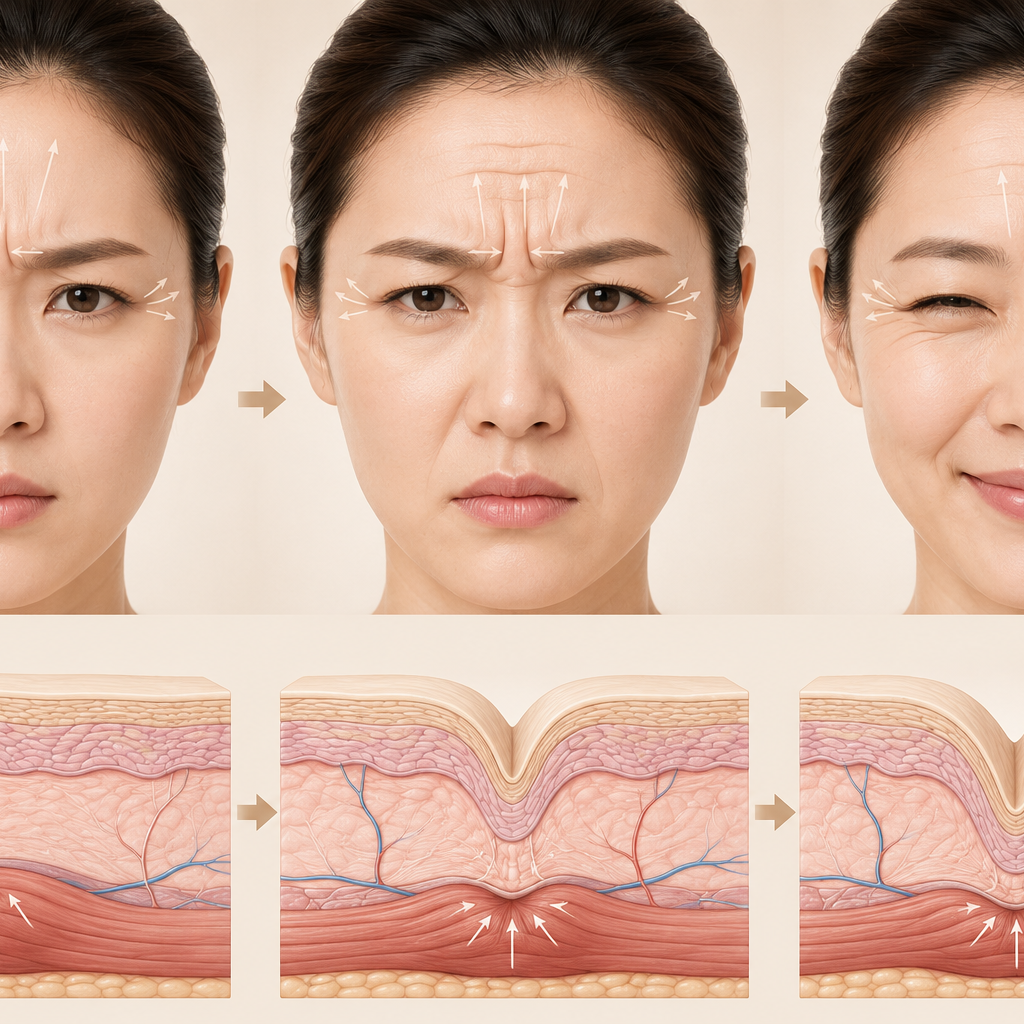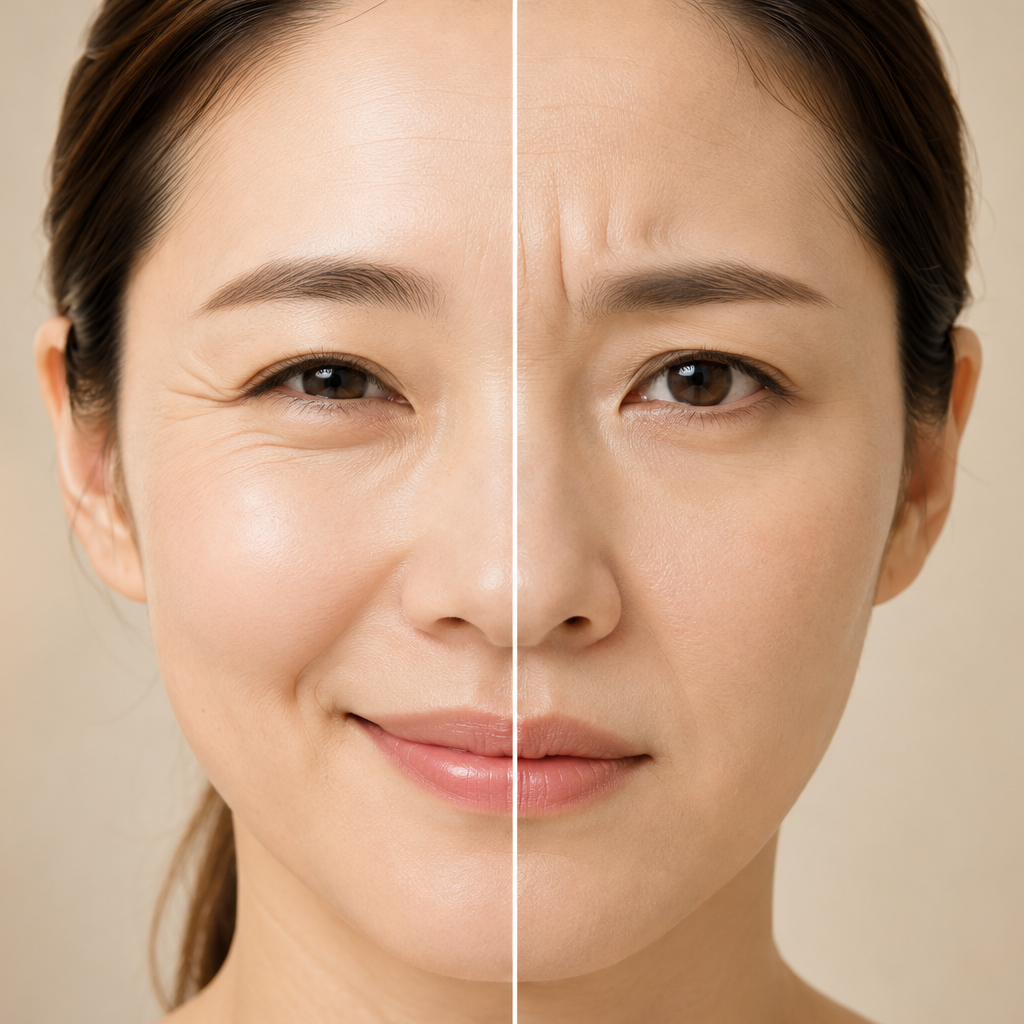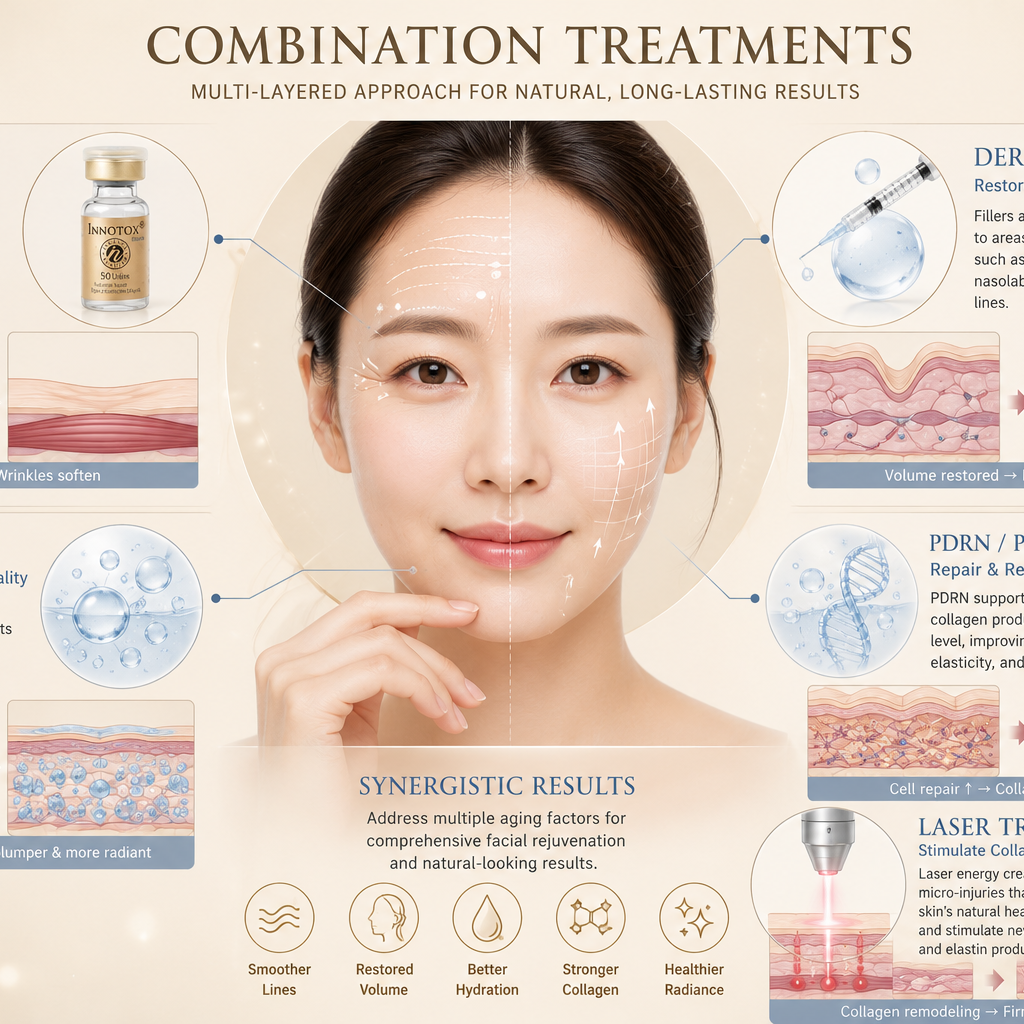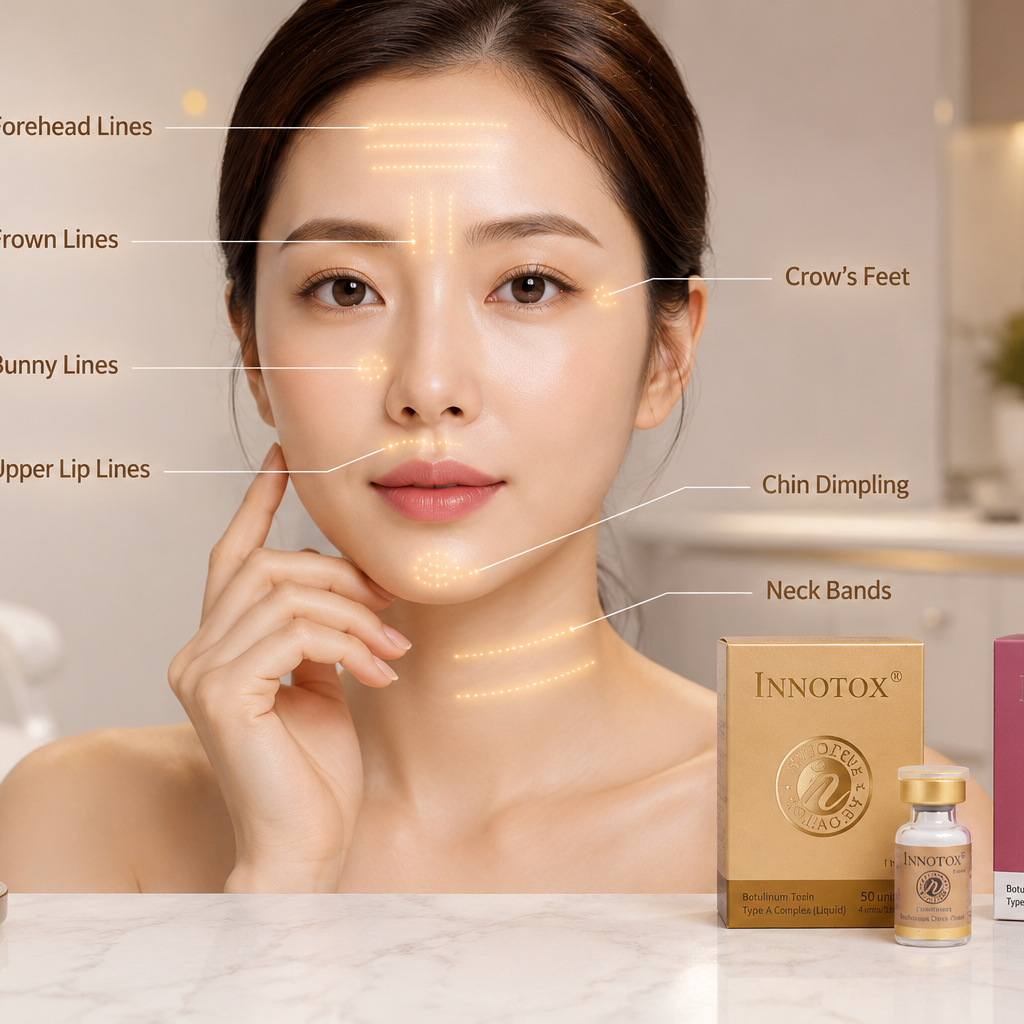
image

Can You Wear Makeup After Innotox? Aftercare Guide

Can You Wear Makeup After Innotox? A Complete Aftercare Guide

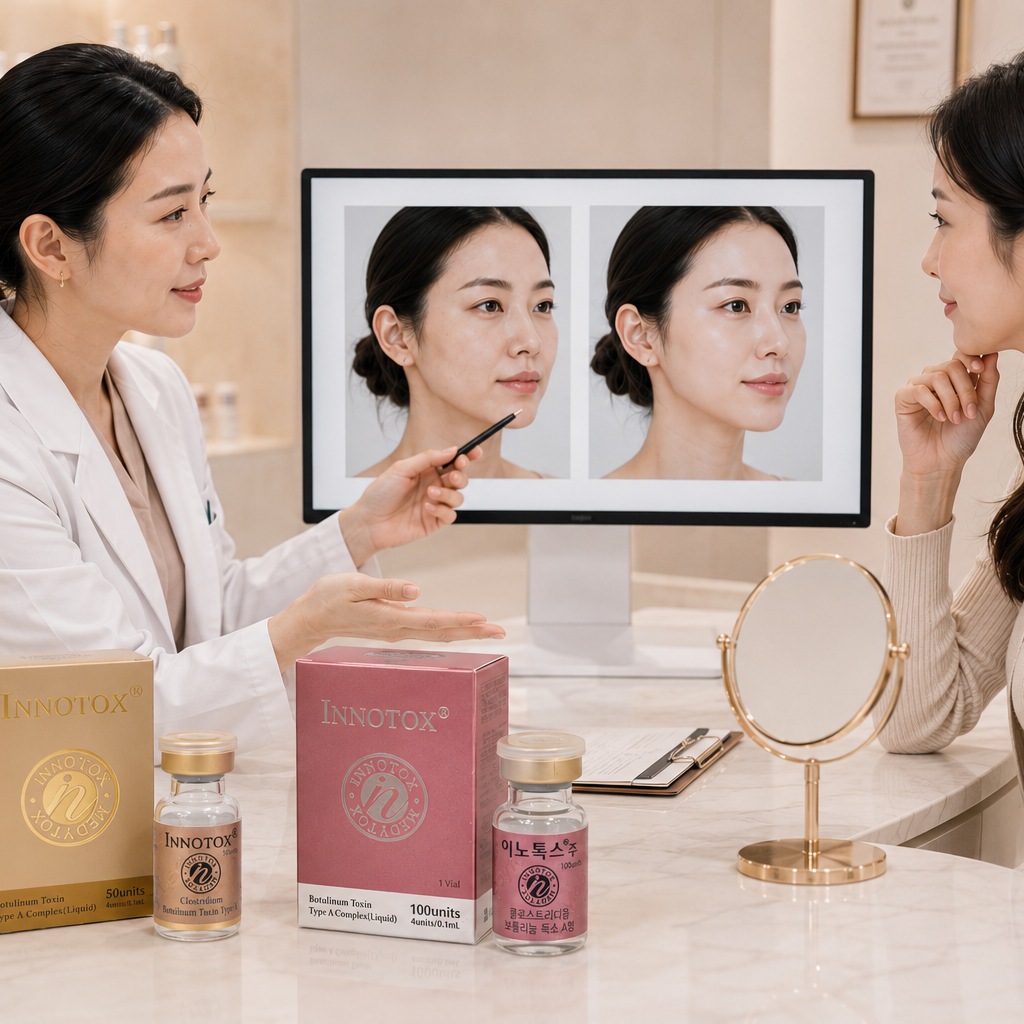
Getting Innotox is one of the quickest ways to soften expression lines while keeping natural facial movement. If this is your first treatment, our First-Time Botox Guide explains exactly what to expect before, during, and after your appointment. 

The treatment itself usually takes less than 30 minutes, and there is little downtime. Even so, what you do during the first day can influence your comfort and your final results.

One of the most common questions patients ask is simple:

“Can I wear makeup after Innotox?”

The short answer is yes—but not immediately.

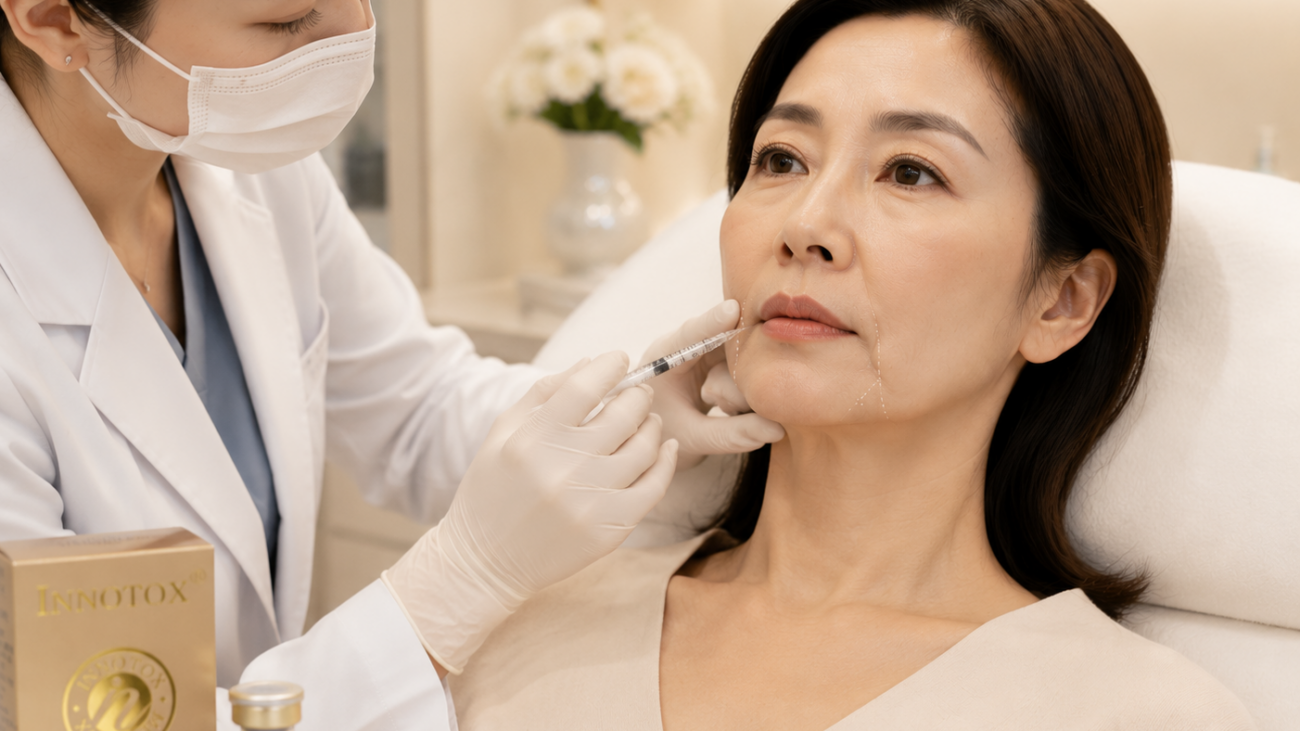
Your skin needs time to recover from the tiny injection points. Applying makeup too soon may increase irritation, introduce bacteria into the skin, or encourage rubbing that could affect the treated area.

This guide explains when it is generally safe to wear makeup, how to apply it carefully, which products to avoid, and how to build a skincare routine that supports the best possible results.

Why the First Few Hours Matter

Although Innotox is minimally invasive, every injection creates a tiny opening in the skin.

These openings begin closing within several hours. During that period, the treated area is more sensitive than usual.

Your practitioner will usually recommend avoiding unnecessary contact with your face while the product begins settling into the targeted muscles.

This is why patients are advised to avoid:

●       Heavy rubbing

●       Facial massage

●       Aggressive cleansing

●       Makeup application immediately after treatment

●       Tight face masks

Giving your skin a little time to recover can help reduce irritation while supporting a smooth healing process. For a complete list of activities to avoid after treatment, read our guide on What Not to Do After Innotox

How Long Should You Wait Before Wearing Makeup?

For most patients, practitioners recommend waiting at least 4 to 6 hours before applying makeup. Some providers prefer waiting until the next morning, especially if:

●       Multiple facial areas were treated

●       There is mild swelling

●       Small bruises are present

●       Your skin is naturally sensitive

●       You received several injections

Waiting longer is generally the safest approach.

If you are unsure, always follow your own injector’s aftercare instructions.

General Timeline

Time After TreatmentMakeup Recommendation
0–4 HoursDo not wear makeup
4–6 HoursUsually safe if there is minimal redness
Same EveningApply gently if approved by your provider
Next MorningSafe for most patients
24 HoursResume normal makeup routine

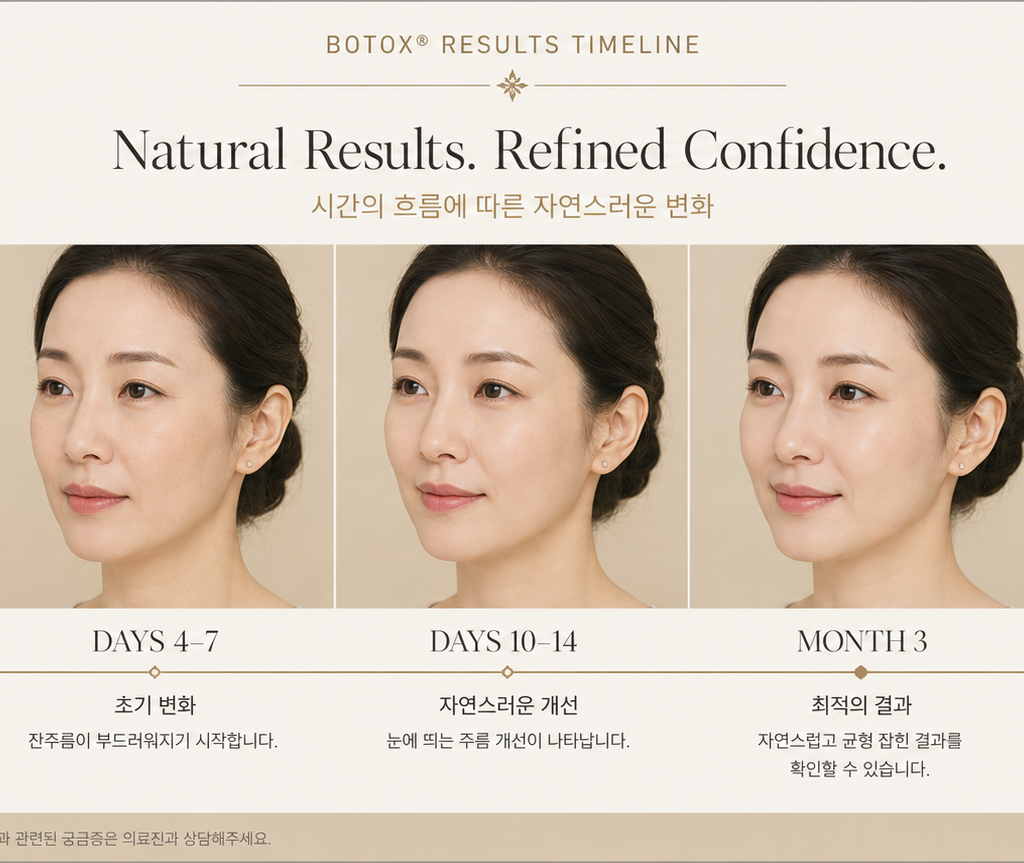
Remember that every person’s skin heals differently. You can also view our complete Innotox Recovery Timeline to understand what happens during the first hours, days, and weeks after treatment. 

Many people feel tempted to cover small injection marks immediately. However, applying foundation or concealer too early may create several problems.

1.     Increased Bacterial Exposure

Makeup brushes and sponges can carry bacteria. Even clean-looking brushes may contain microorganisms if they have not been washed recently. Fresh injection sites create tiny entry points that should stay as clean as possible.

2.     Extra Pressure on the Skin

Applying foundation often involves:

●       Blending

●       Buffing

●       Pressing

●       Rubbing

Repeated movement across freshly treated areas is not ideal during the first several hours.

3.     Higher Risk of Irritation

Some cosmetic products contain:

●       Fragrance

●       Alcohol

●       Strong preservatives

●       Exfoliating acids

These ingredients may irritate skin that has just undergone injections.

4.     Temporary Redness Can Worsen

Heavy rubbing can increase redness. Gentle handling allows redness to settle naturally.

 What If You Need Makeup the Same Day?

Sometimes treatments happen before work, dinner, or an important event. If your injector says makeup is acceptable after several hours, keep it simple. Less is always better.

  • Choose lightweight products.
  • Apply everything gently.
  • Avoid thick layers.

The Best Makeup Products After Innotox

Once your provider says makeup is safe, choose products that are gentle on healing skin. Good choices include:

1.     Mineral Foundation—Mineral formulas often contain fewer irritating ingredients. They also feel lighter on the skin.

2.     Lightweight Concealer—Apply only where needed. Avoid excessive blending.

3.     Hydrating BB or CC Cream—These provide light coverage while helping maintain hydration.

4.     Cream-Free Setting Powder—Use only a small amount. Avoid heavy baking techniques.

5.     Clean Makeup Brushes—Freshly washed brushes reduce bacterial exposure. Replace old makeup sponges regularly.

Makeup Products to Avoid During the First Day

Some products can be more irritating after treatment. So, consider avoiding:

●       Waterproof foundation

●       Heavy matte foundation

●       Full-coverage cream products

●       Glitter products

●       Strong setting sprays containing alcohol

●       Chemical exfoliating makeup primers

Your skin will usually tolerate these products again after recovery.

How to Apply Makeup Safely

Technique matters just as much as product selection.

1.     Start With Clean Hands Wash your hands before touching your face.

2.     Use Clean Tools – Dirty brushes transfer bacteria. So, make sure to wash your brushes regularly.

3.     Dab Instead of Rub – Use gentle tapping motions. Avoid dragging the skin.

4.     Apply Thin Layers – Multiple heavy layers require extra blending. Thin layers reduce unnecessary pressure.

5.     Skip Aggressive Contouring – Heavy contouring often requires vigorous blending. Wait until your skin feels completely normal.

Skincare Routine After Innotox

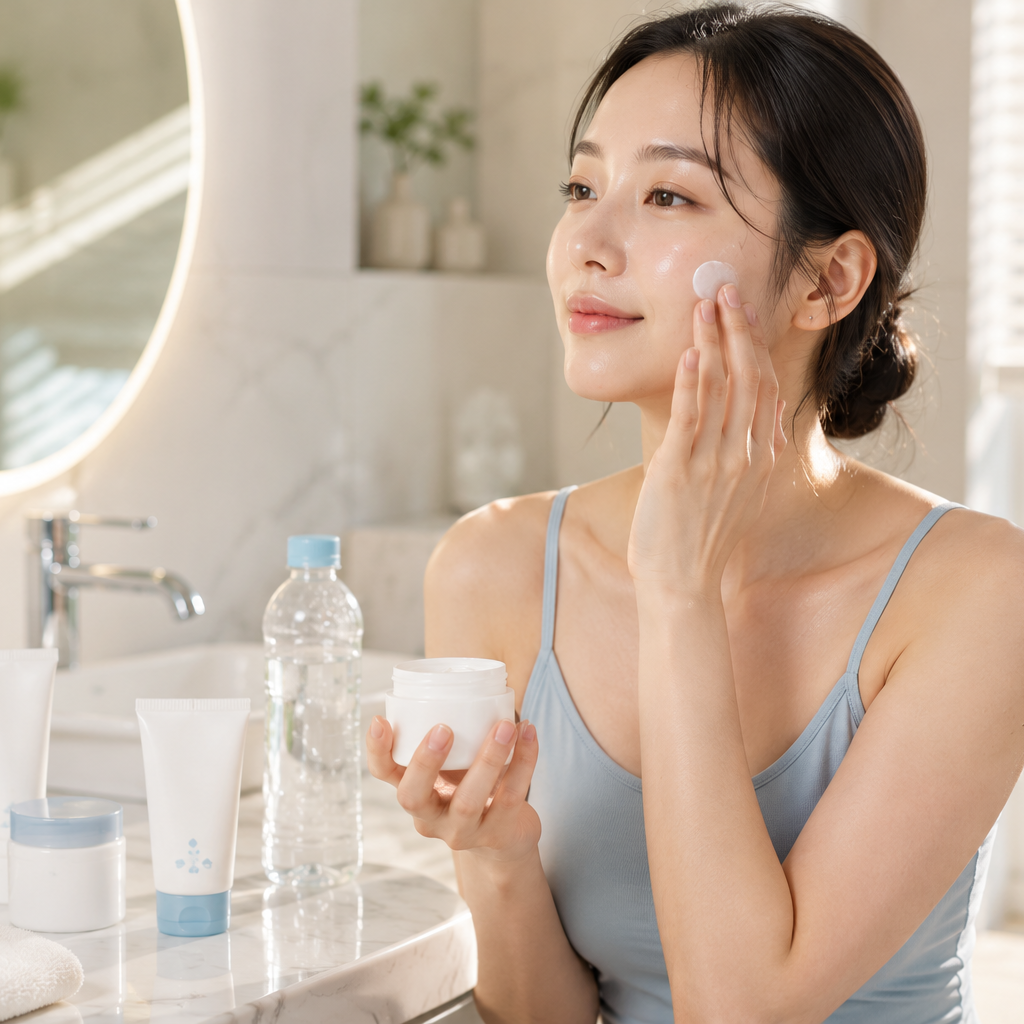
You must follow your doctor’s aftercare instructions to maximize the results of Innotox. You can wash your face before makeup. However, wait until your provider recommends cleansing. When cleansing:
●       Use lukewarm water.

●       Choose a gentle cleanser.

●       Avoid scrubs.

●       Pat dry with a soft towel.

●       Do not rub vigorously.

Gentle cleansing prepares your skin for makeup without unnecessary irritation.

Healthy skin helps maintain beautiful cosmetic results. A simple routine often works best. Below is a sample skincare routine.

Morning Routine

●       Gentle cleanser

●       Hydrating serum

●       Moisturizer

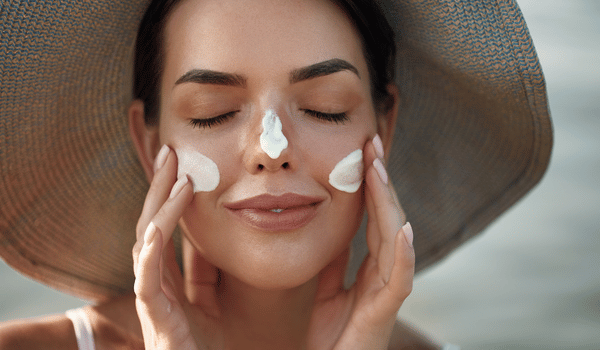
●       Broad-spectrum sunscreen SPF 30 or higher

Evening Routine

●       Gentle cleanser

●       Moisturizer

●       Barrier-supporting cream if needed

Keep your routine simple during the first day.

Skincare Ingredients to Avoid Immediately After Treatment

Certain active ingredients can temporarily increase sensitivity. Consider avoiding them for about 24 hours unless your practitioner advises otherwise.

These include:

●       Retinol

●       Retinoids

●       Glycolic acid

●       Salicylic acid

●       Lactic acid

●       Strong vitamin C formulas

●       Benzoyl peroxide

Once your skin feels normal again, these products can usually be reintroduced gradually.

Other Important Innotox Aftercare Tips

Wearing makeup is only one part of proper aftercare.

Several other habits help protect your results.

1.     Stay Upright

Remain upright for approximately four hours after treatment. Avoid lying flat immediately afterward.

2.     Avoid Heavy Exercise

Delay strenuous exercise until the following day unless advised differently. Heavy activity increases circulation and sweating.

3.     Skip Facial Massages

Avoid the following:

●       Facial massage

●       Gua sha

●       Facial rollers

●       Microcurrent devices

These should wait at least 24 hours.

4.     Avoid Excessive Heat

Delay undergoing the following:

●       Saunas

●       Steam rooms

●       Hot yoga

●       Hot tubs

High temperatures may increase temporary redness.

5.     Protect Your Skin From the Sun

Daily sunscreen helps protect your investment. Ultraviolet exposure contributes to collagen breakdown and premature aging.

When Can You Return to Your Normal Beauty Routine?

Most patients resume their regular routine within 24 hours. This usually includes:

●       Full makeup

●       Moisturizers

●       Sunscreen

●       Gentle skincare

●       Normal cleansing

After the first day, your skin generally feels completely normal again.

Signs You Should Contact Your Provider

Mild redness, tiny bumps, or slight swelling often resolve within hours. However, contact your injector if you notice:

●       Increasing pain

●       Severe swelling

●       Spreading redness

●       Fever

●       Pus

●       Vision changes

●       Difficulty swallowing

●       Muscle weakness beyond the treated area

These symptoms are uncommon but should always be evaluated promptly.

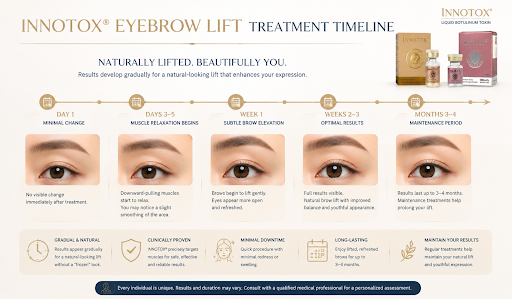
How Long Do Innotox Results Take to Appear?

While aftercare focuses on the first day, many patients also wonder when they will notice smoother skin.

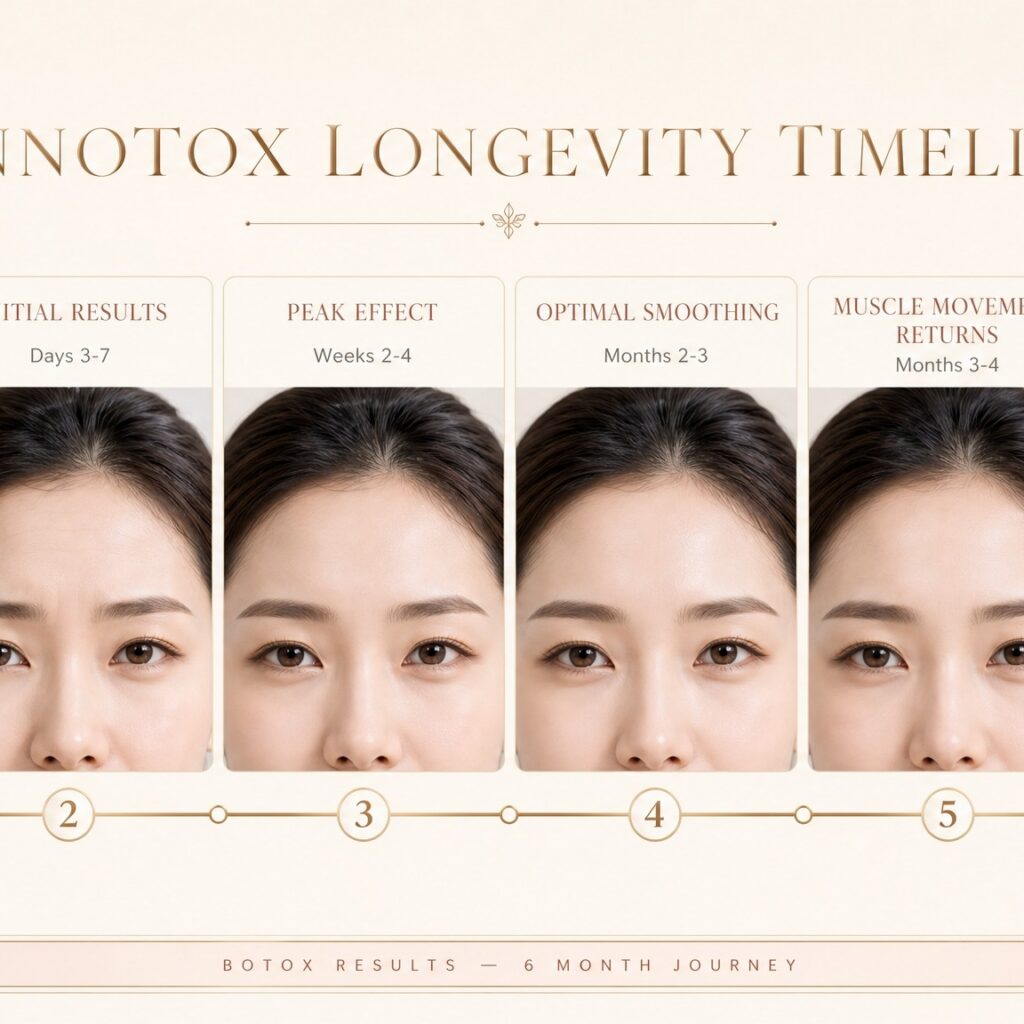
A typical timeline looks like this:

TimeWhat to Expect
Day 1Mild redness or tiny injection marks may be visible
Days 2–4Muscles gradually begin relaxing
Days 7–14Wrinkle softening becomes more noticeable
Around 2 WeeksFull results are typically visible
3–4 MonthsResults gradually begin wearing off for many patients

Following proper aftercare—including waiting before applying makeup—helps support a comfortable recovery while allowing you to enjoy your results with confidence.

Learn more about how long Innotox typically lasts and the factors that influence treatment longevity. 

Tips for Long-Lasting Results

Although makeup timing will not change how long Innotox lasts, healthy habits can help maintain your skin’s appearance between treatments.

Try to do the following:

●       Wear sunscreen every day.

●       Stay hydrated.

●       Follow a gentle skincare routine.

●       Avoid smoking.

●       Limit excessive sun exposure.

●       Attend follow-up appointments if recommended.

●       Schedule maintenance treatments as advised by your practitioner.

Healthy skin complements the wrinkle-smoothing effects of Innotox and contributes to a fresher overall appearance.

Final Thoughts

Wearing makeup after Innotox is usually safe—but timing matters.

Waiting at least 4 to 6 hours, or until your injector recommends, allows the tiny injection sites to begin healing and reduces the chance of irritation. When you do return to your routine, choose clean tools, lightweight products, and gentle application techniques.

Proper aftercare extends beyond makeup. Protecting your skin from heat, vigorous exercise, harsh skincare products, and excessive rubbing during the first day helps support a smooth recovery and allows you to enjoy your results with confidence.

When in doubt, always follow the personalized advice provided by your qualified medical professional. A few hours of patience can help ensure your skin looks and feels its best.

FAQs

Can I wear makeup immediately after Innotox?

No. Most practitioners recommend waiting at least 4–6 hours before applying makeup.

Is mineral makeup better after Innotox?

Yes. Mineral formulas are often lighter and less likely to irritate freshly treated skin.

Can I use a beauty blender after Innotox?

Yes, but only after the recommended waiting period. Use a clean sponge and dab gently instead of rubbing.

Should I avoid retinol after Innotox?

It is generally recommended to avoid retinol and other strong active ingredients for about 24 hours unless your practitioner advises otherwise.

Can sunscreen be applied after Innotox?

Yes. Once your provider says it is safe to touch the treated area, applying a broad-spectrum sunscreen is encouraged to protect your skin.

Can I wear foundation after Innotox?

Usually yes, but wait at least 4–6 hours or follow your injector’s advice. Apply it gently without rubbing.

Can I use concealer on injection marks?

If enough time has passed and your provider approves, a small amount of concealer may be used with light tapping motions.

Can makeup affect Innotox results?

The makeup itself does not affect the product. However, aggressive rubbing during application immediately after treatment may increase irritation and is best avoided.

Can I wear eye makeup?

Eye makeup is generally acceptable after the recommended waiting period. Apply mascara and eyeliner carefully without stretching the surrounding skin.

Should I replace my makeup sponge?

It is a good idea to use a clean sponge or freshly washed brushes after injections to minimize bacterial exposure.

image

How Often Should You Get Botox? Complete Guide

How Often Should You Get Botox? A Complete Guide to Treatment Frequency and Maintenance

One of the most common questions people ask before starting Botox is, “How often will I need treatments?” The answer depends on more than a calendar. 

If you’re new to aesthetic treatments, learning about ready-to-use liquid botulinum toxin can help you understand how Innotox works before planning your treatment schedule. 

Your treatment schedule is influenced by your facial muscles, treatment goals, metabolism, dosage, and how your body responds over time.

For most people, Botox treatments are repeated every three to four months. However, some patients maintain great results for longer, while others benefit from earlier touch-ups. The key is to follow a personalized treatment plan rather than waiting until every wrinkle fully returns.

This guide explains how often you should get Botox, what affects treatment frequency, and how to maintain smooth, natural-looking results throughout the year.

Why Botox Needs Maintenance Treatments

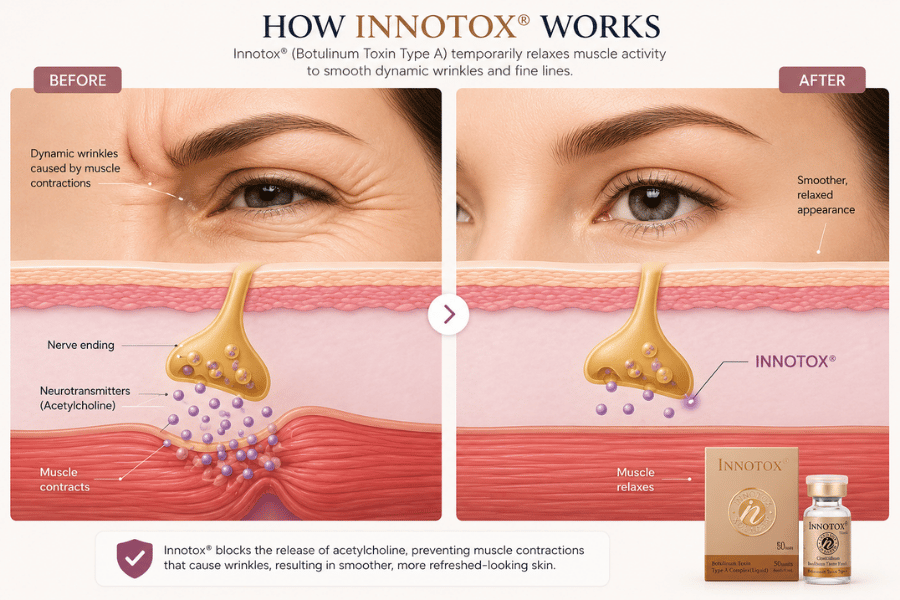
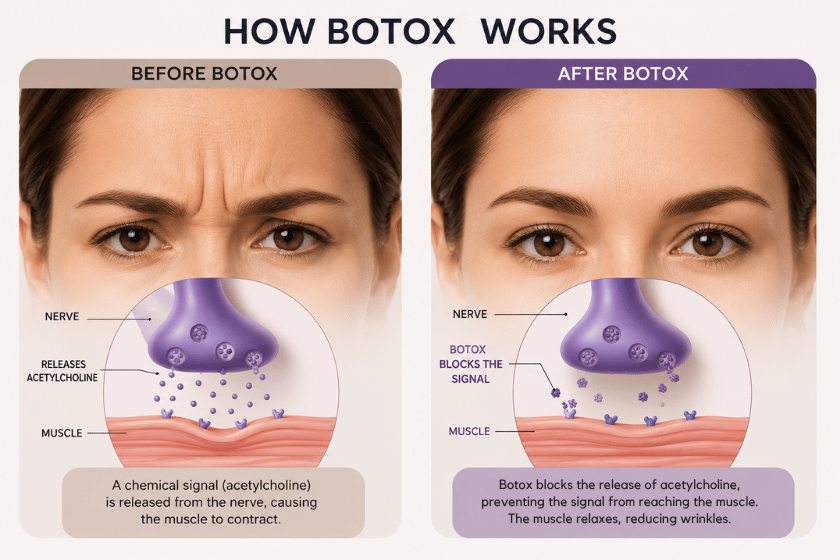
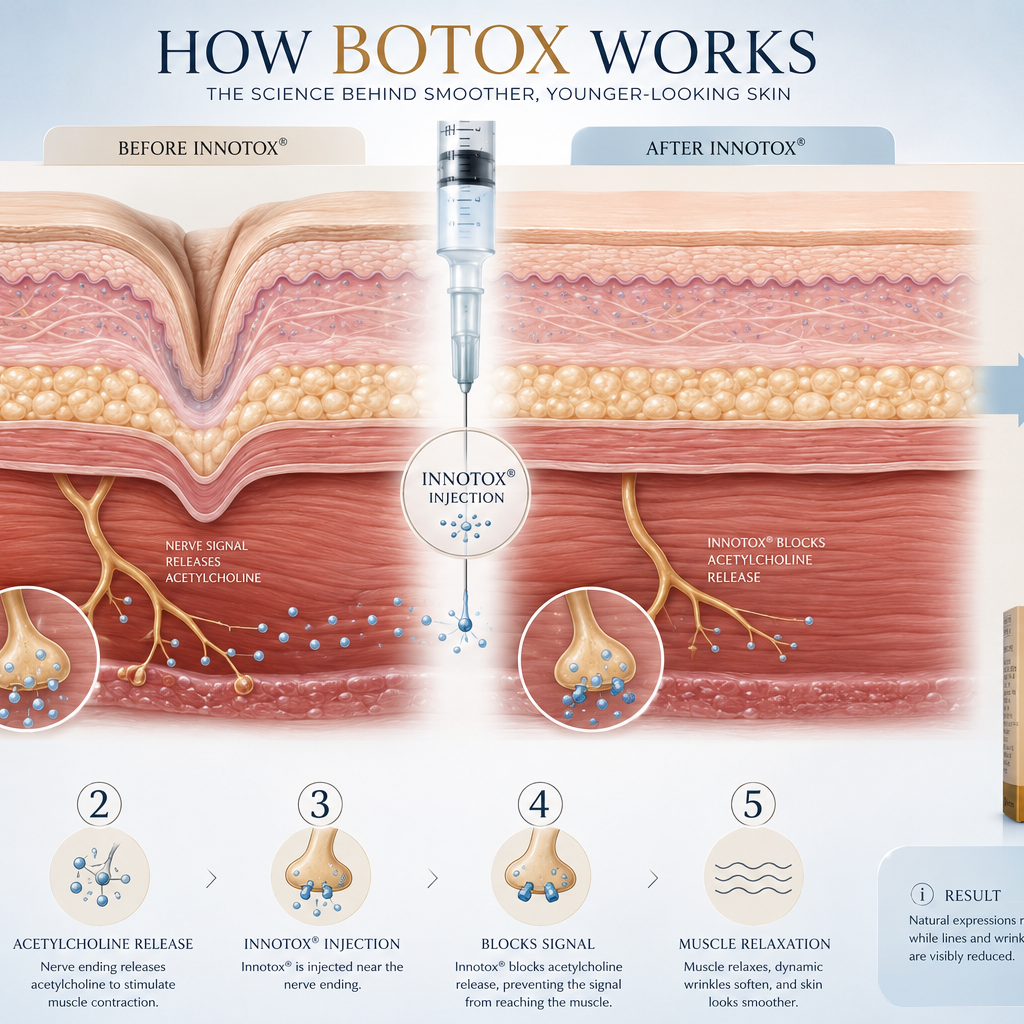
Botox works by temporarily relaxing targeted facial muscles. It blocks the nerve signals that cause repeated muscle contractions, allowing dynamic wrinkles to soften while preventing deeper expression lines from forming.

Unlike dermal fillers, Botox does not permanently change facial tissues. The treated nerves slowly regenerate, and muscle movement gradually returns. Because of this natural process, maintenance treatments are necessary to keep results consistent.

Most patients notice this timeline:

  • Muscle relaxation begins within several days.
  • Full results appear after about two weeks.
  • Results remain stable for several months.
  • Muscle activity slowly returns.
  • Wrinkles gradually become visible again.

Receiving treatments before muscle movement fully returns often helps maintain smoother skin with less product over time. 

How Often Should Most People Get Botox?

For most healthy adults, treatments every 3 to 4 months provide the best balance between effectiveness and natural movement.

This schedule allows the following:

  • Consistent wrinkle reduction
  • Better long-term prevention
  • More predictable results
  • Less dramatic fading between appointments

Many experienced providers recommend scheduling your next appointment before your previous treatment completely wears off.

Instead of starting over every few months, you simply maintain the existing improvement.

Typical Botox Maintenance Timeline

First Treatment

Your first treatment establishes how your muscles respond.

Many providers schedule a follow-up appointment after two weeks to evaluate the results and perform small adjustments if necessary.


Three Months

Most patients still enjoy noticeable wrinkle reduction.

Small facial movements may begin returning, especially in stronger muscles like the forehead.

Some people choose to receive maintenance treatment at this point.


Four Months

For many individuals, Botox gradually begins wearing off.

Wrinkles become slightly more visible during facial expressions.

This is one of the most common maintenance intervals.


Five to Six Months

Some patients—particularly those with smaller facial muscles or preventive treatments—continue seeing benefits.

However, stronger muscles often regain most movement by this stage.

Many providers recommend avoiding waiting too long if wrinkle prevention is your goal.

Factors That Affect Botox Frequency

No two patients need exactly the same schedule.

Several factors influence how often treatments are recommended.

  1. Muscle Strength

People with stronger facial muscles usually metabolize Botox more quickly.

This commonly includes:

  • Men
  • Individuals with strong frown lines
  • People who naturally have expressive facial movements

These patients sometimes benefit from treatments closer to every three months.

  1. Treatment Area

Different muscles recover at different speeds. Larger muscles often maintain results longer because higher doses are typically used.

For example:

Treatment AreaTypical Duration
Forehead3–4 months
Frown lines3–5 months
Crow’s feet3–4 months
Bunny lines3–4 months
Chin3–4 months
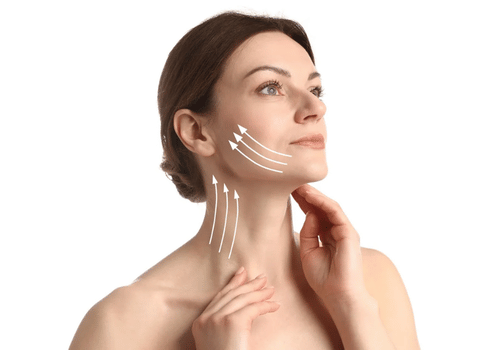
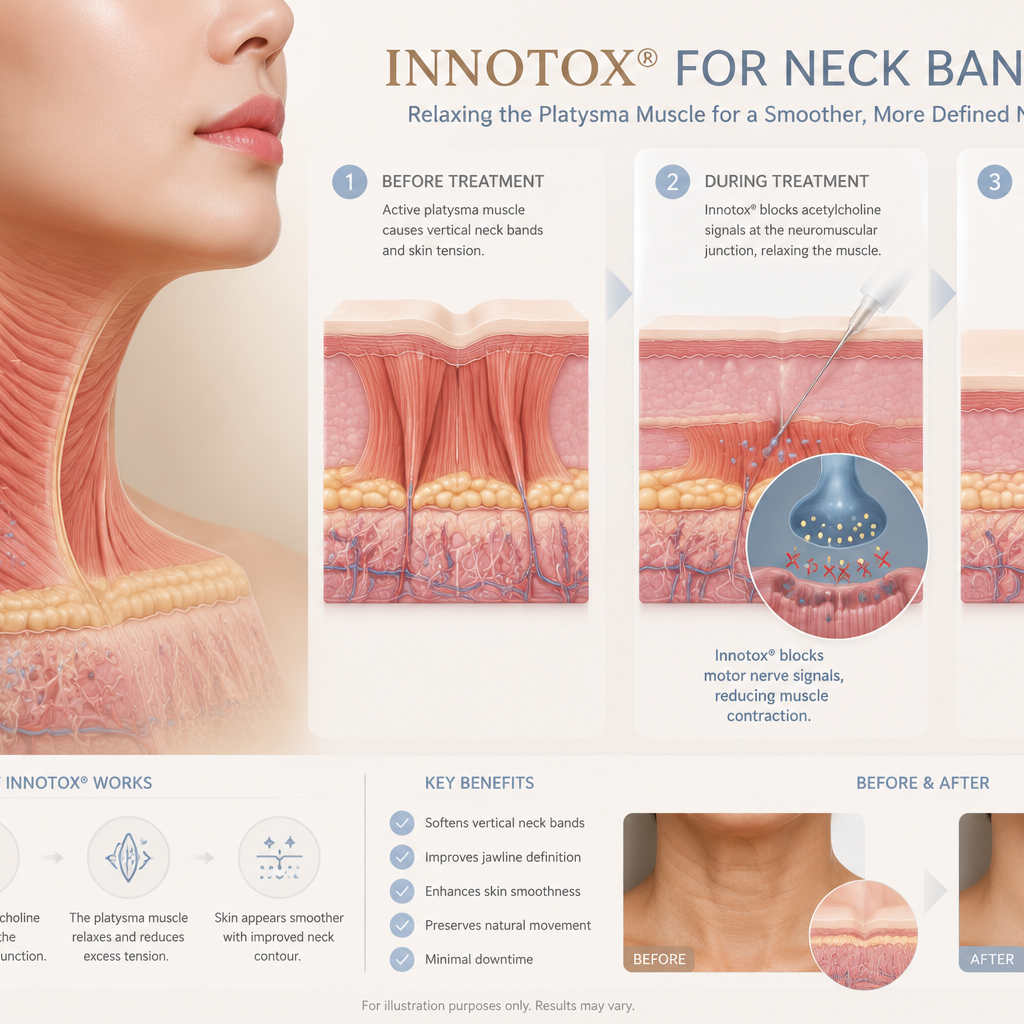
Neck bands3–5 months
Masseter4–6 months
  1. Dosage

Lower doses usually wear off sooner.

Higher doses generally provide longer-lasting muscle relaxation.

However, increasing dosage simply to extend longevity is not always appropriate.

Your provider balances are

  • Natural facial movement
  • Safety
  • Desired appearance
  • Long-term maintenance
  1. Individual Metabolism

Everyone processes medications differently.

People with faster metabolisms sometimes notice Botox wearing off sooner.

Age, genetics, and overall physiology also influence longevity.

  1. Physical Activity

Highly active individuals may occasionally notice slightly shorter treatment duration.

Although research remains mixed, athletes sometimes report needing maintenance slightly earlier than average.

  1. Treatment History

Patients who receive Botox consistently for several years often find that their muscles gradually become less active.

Some eventually extend maintenance intervals because treated muscles become weaker over time.

Is It Better to Wait Until Botox Completely Wears Off?

Not usually. Waiting until all muscle activity returns allows repeated facial expressions to recreate wrinkles.

Instead, many aesthetic providers recommend maintaining consistent muscle relaxation.

This approach may help:

  • Prevent deeper wrinkle formation
  • Preserve smoother skin
  • Reduce dramatic ups and downs
  • Improve long-term consistency

Maintenance is often easier than repeatedly correcting fully developed wrinkles.

Can You Get Botox Too Often?

Yes, receiving Botox too frequently is not recommended. Treatments performed too close together may increase the risk of:

  • Excessive muscle weakness
  • Unnatural facial movement
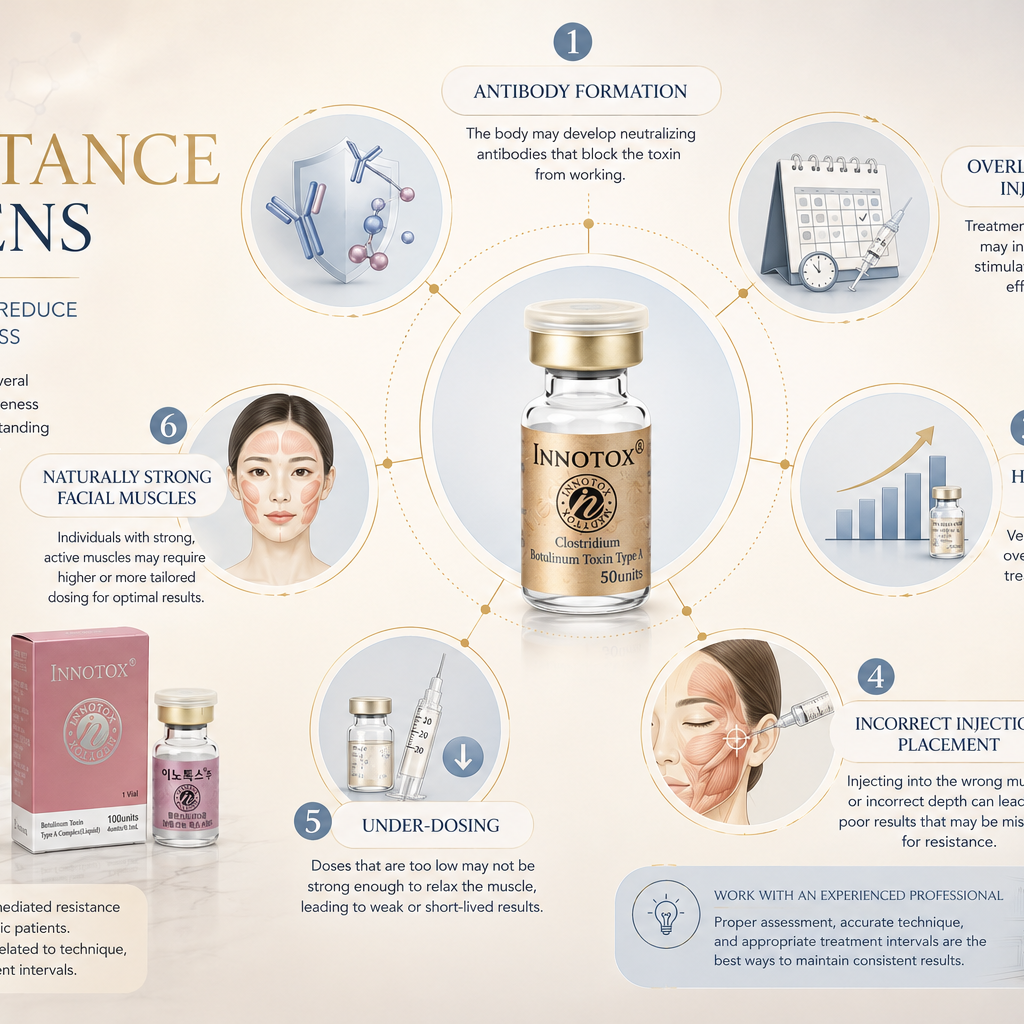
  • Product resistance in rare cases
  • Difficulty assessing previous results

Most experienced providers recommend waiting at least three months between full treatment sessions unless a medically appropriate touch-up is required. Patience produces more predictable outcomes.

What Happens If You Wait Too Long?

Delaying treatment is not dangerous. Botox simply wears off naturally.

However, several changes occur:

  • Muscle movement returns.
  • Dynamic wrinkles reappear.
  • Deep lines may become more noticeable.
  • Prevention benefits gradually decrease.

Restarting treatment later is completely possible, although some patients require slightly more product to regain previous results.

Preventive Botox May Require Different Scheduling

People beginning Botox in their late 20s or early 30s often seek prevention rather than correction.

Their goals include:

  • Limiting repetitive muscle movement
  • Preventing wrinkle formation
  • Preserving youthful skin

Because wrinkles are still mild, these patients sometimes maintain excellent results with:

  • Lower doses
  • Longer treatment intervals
  • Fewer treatment areas

Their provider adjusts frequency according to changing facial movement. If your goal is wrinkle prevention rather than correction, read our guide to Preventive Botox in Your 20s to learn how treatment schedules may differ. 

How Providers Decide Your Next Appointment

Rather than following one universal schedule, experienced injectors evaluate several factors.

These include:

  • Remaining muscle movement
  • Wrinkle severity
  • Facial symmetry
  • Patient satisfaction
  • Previous treatment response
  • Desired level of facial expression

Personalized scheduling often produces the most natural results.

Signs It’s Time for Your Next Botox Treatment

Instead of watching the calendar alone, pay attention to your facial movement.

Common signs include:

  • Wrinkles becoming visible during expressions
  • Increased forehead movement
  • Stronger frown lines
  • Crow’s feet returning while smiling
  • Makeup settling into expression lines again
  • Photos showing more visible facial movement

Scheduling treatment at this stage often prevents wrinkles from becoming fully established again.

Tips to Help Maintain Botox Results Longer

Although Botox naturally wears off, healthy skincare habits help preserve your overall appearance.

Good habits include:

  • Wearing sunscreen every day
  • Using quality moisturizers
  • Avoiding smoking
  • Staying hydrated
  • Following a consistent skincare routine
  • Managing stress
  • Sleeping well
  • Following your provider’s aftercare instructions

Healthy skin complements the effects of Botox.

Combining Botox With Other Treatments

Many patients combine Botox with treatments that improve skin quality while Botox relaxes facial muscles.

Common combinations include:

  • Skin boosters
  • Hyaluronic acid treatments
  • Microneedling
  • Laser resurfacing
  • Chemical peels
  • Medical-grade skincare

These treatments address skin texture, pigmentation, hydration, and collagen production, creating more comprehensive facial rejuvenation. If you’re unsure which treatment is right for you, our guide comparing Botox vs. dermal fillers explains when each option is most appropriate. 

Final Thoughts

There is no single Botox schedule that works for everyone. While most people achieve the best results with treatments every three to four months, your ideal maintenance plan depends on your facial muscles, treatment goals, metabolism, and how your body responds.

Rather than waiting for wrinkles to fully return, regular maintenance helps preserve smoother skin and natural facial movement throughout the year. A personalized treatment plan also reduces the need for dramatic corrections later.

The best approach is to work with a qualified medical provider who can assess your facial anatomy, monitor your results, and recommend the right treatment interval. With consistent care and realistic expectations, Botox can remain an effective part of a long-term facial rejuvenation strategy while maintaining natural-looking results.

Frequently Asked Questions

Can I get Botox every two months?

Routine treatment every two months is generally not recommended. Most providers prefer waiting around three months unless a small touch-up is medically appropriate.

Does Botox last longer after multiple treatments?

Often, yes. Consistent treatment may gradually reduce muscle strength, allowing some patients to maintain results for slightly longer intervals.

Will stopping Botox make wrinkles worse?

No. Your muscles simply return to their normal activity. Wrinkles gradually return to how they would have naturally appeared without treatment.

Can I schedule Botox before a special event?

Yes. Most providers recommend treatment about two weeks before weddings, vacations, or important events so the medication reaches its full effect.

Is maintenance cheaper than starting over?

Many patients find regular maintenance easier because wrinkle severity often remains lower over time. However, treatment costs depend on dosage, treatment areas, and provider pricing.

unnamed - 2026-07-16T153629.327

Botox Before and After: Realistic Results & Timeline

Botox Before and After: What Results Can You Expect? Complete Timeline & Realistic Outcomes

Many people expect Botox to erase wrinkles overnight. In reality, the results develop gradually. The medication needs time to relax targeted facial muscles before the skin begins to smooth out.

Knowing what happens after treatment helps set realistic expectations. It also makes it easier to recognize normal changes during recovery.

Whether you are considering Botox for forehead lines, crow’s feet, frown lines, or other facial areas, learning about ready-to-use liquid botulinum toxin can help you better understand how Innotox differs from traditional formulations. 

This guide explains what happens before treatment, what to expect each week afterward, how long the results last, and the factors that influence your final outcome.

Before Botox: Preparing for Treatment

A successful Botox treatment starts before the first injection. Your consultation allows your provider to study your facial anatomy, muscle movement, skin condition, and aesthetic goals.

Instead of treating wrinkles alone, experienced injectors examine how your muscles work together during natural facial expressions.

During your consultation, your provider may:

  • Review your medical history
  • Discuss previous cosmetic treatments
  • Examine facial muscle strength
  • Identify dynamic wrinkles
  • Recommend realistic treatment goals
  • Explain possible side effects
  • Discuss aftercare instructions

Your consultation also helps determine who should avoid Innotox, including patients with certain medical conditions or temporary contraindications. 

Patients often ask to look “younger but natural.” That goal depends on proper dosing rather than freezing every facial muscle.

Good preparation also includes avoiding activities that may increase bruising. Your provider may recommend avoiding alcohol and certain blood-thinning medications before treatment when medically appropriate.

Most Botox sessions take only 10 to 20 minutes.

Treatment Day: What Happens During the Procedure?

Botox injections are quick and minimally invasive.

After cleansing the skin, your provider marks the treatment areas and injects very small amounts of botulinum toxin into selected muscles using a fine needle.

Most patients describe the sensation as a tiny pinch.

Treatment commonly includes:

  • Forehead lines
  • Frown lines between the eyebrows
  • Crow’s feet
  • Bunny lines
  • Chin dimpling
  • Neck bands
  • Jawline slimming
  • Lip flip

Mild redness, tiny bumps, or slight swelling may appear immediately after treatment. These reactions are temporary and usually disappear within several hours.

Although the medication has already been injected, visible wrinkle reduction has not yet started.

Botox Timeline: Before and After Week by Week

Treatment Day

Immediately after treatment, the injection sites may appear slightly raised.

Some people notice:

  • Mild redness
  • Tiny bumps
  • Minor swelling
  • Small bruises

These effects usually improve quickly.

Your facial muscles still move normally because Botox has not started blocking nerve signals.

Most patients return to work immediately after their appointment.

Days 1 to 3

During the first several days, your appearance usually looks very similar to before treatment.

This often causes first-time patients to wonder whether the treatment worked.

Fortunately, this is completely normal.

Botox is gradually attaching to nerve endings beneath the skin. Muscle activity slowly begins to decrease, although most people cannot see obvious changes yet.

Some patients notice:

  • Slight muscle relaxation
  • Less facial tightness
  • Subtle reduction in movement

Visible wrinkle improvement is still limited.

Days 4 to 7

The first noticeable improvements usually appear during the middle of the first week.

As treated muscles continue relaxing, dynamic wrinkles become softer during facial expressions.

Patients often notice:

  • Easier forehead relaxation
  • Softer frown lines
  • Reduced crow’s feet while smiling
  • Less muscle movement

The face should still look natural.

Good Botox treatment reduces excessive muscle contraction rather than eliminating every expression.

Days 10 to 14

Most patients reach their full results about two weeks after treatment.

At this stage:

  • Dynamic wrinkles appear significantly smoother.
  • Facial expressions remain natural.
  • The skin looks refreshed.
  • The face appears well rested rather than “frozen.”

Static wrinkles may also improve because the overlying skin has time to relax.

Patients often begin receiving compliments without others realizing they had treatment.

One Month After Treatment

Around one month later, the results remain stable.

The muscles stay relaxed while normal facial expressions continue.

Many patients notice additional improvements because repetitive facial folding has decreased.

Skin often appears

  • Smoother
  • Brighter
  • More refreshed
  • Less tired

If small adjustments are necessary, some providers schedule a follow-up appointment during this period.

Months 2 to 3

Most patients continue enjoying excellent wrinkle reduction during the second and third months.

The treated muscles remain relaxed while untreated muscles continue functioning normally.

Many people forget they even had Botox because the results look so natural.

This period is often considered the peak treatment phase.

Months 3 to 4

Botox gradually begins wearing off.

Nerve endings slowly recover their ability to activate muscles.

This process happens gradually rather than suddenly.

Patients may notice:

  • Slightly stronger facial movement
  • Gradual return of expression lines
  • Increased forehead motion
  • More visible crow’s feet during smiling

The wrinkles usually return slowly instead of appearing overnight.

Months 4 to 6

For many patients, muscle activity has largely returned by this stage.

The exact timing varies between individuals.

Some patients continue seeing benefits for five to six months, while others prefer retreatment after three to four months.

Regular maintenance helps preserve smoother-looking skin throughout the year.

What Results Can Botox Realistically Achieve?

Botox produces impressive improvements, but realistic expectations remain important.

It works best on dynamic wrinkles caused by repeated muscle movement.

These include:

  • Horizontal forehead lines
  • Frown lines
  • Crow’s feet
  • Bunny lines
  • Chin dimpling
  • Neck bands

Patients often notice:

  • Smoother skin
  • Softer facial expressions
  • Younger appearance
  • Less tired-looking eyes
  • Improved facial balance
  • Prevention of deeper wrinkle formation

However, Botox does not add facial volume.

Deep static wrinkles, skin laxity, and significant volume loss may require additional treatments such as dermal fillers, skin boosters, laser resurfacing, or collagen-stimulating procedures.

What Botox Cannot Do

Understanding Botox’s limitations is just as important as knowing its benefits.

Botox cannot:

  • Lift severely sagging skin
  • Replace a surgical facelift
  • Fill hollow cheeks
  • Correct deep acne scars
  • Remove excess skin
  • Permanently eliminate wrinkles

Instead, Botox relaxes targeted muscles so the skin above them remains smoother during facial movement.

Factors That Influence Botox Results

Not everyone experiences identical results.

Several factors influence both effectiveness and longevity.

  1. Muscle Strength

People with stronger facial muscles often need higher doses and may metabolize Botox more quickly.

This is common among men and people with highly expressive faces.

  1. Treatment Area

Some muscles move more frequently than others.

For example, forehead muscles often recover sooner than smaller treatment areas.

  1. Dosage

Receiving too little Botox may shorten results.

Receiving excessive doses may create an unnatural appearance.

Finding the proper balance is essential.

  1. Individual Metabolism

Some people naturally break down botulinum toxin faster than others.

This can shorten treatment duration.

  1. Lifestyle

Several habits influence longevity.

These include:

  • Frequent intense exercise
  • Smoking
  • Excessive sun exposure
  • Poor skincare
  • High stress levels

Healthy skin habits often help maintain cosmetic improvements.

Tips for Achieving the Best Before and After Results

Good aftercare supports the best possible outcome.

Most providers recommend:

  • Stay upright for four hours.
  • Avoid rubbing the treated areas.
  • Skip strenuous exercise for 24 hours.
  • Avoid saunas and excessive heat for one day.
  • Sleep on your back the first night if possible.
  • Wear sunscreen every day.
  • Follow your provider’s instructions carefully.

Patients should also understand the recommendations for exercise after Botox before returning to the gym. 

These simple steps help reduce unnecessary pressure on recently treated muscles. 

When Should You Schedule Your Next Botox Session?

Most patients return every three to four months. Some prefer maintenance every four to five months once they understand how their body responds.

Waiting until every wrinkle fully returns is not always necessary.

Regular maintenance often requires fewer adjustments over time because treated muscles remain less active. Your provider can recommend a schedule based on your treatment areas and cosmetic goals.

Final Thoughts

Botox delivers gradual, natural-looking improvements rather than instant transformation. Most patients begin noticing subtle changes within the first week, with full results appearing around two weeks after treatment. The skin looks smoother, facial expressions become softer, and dynamic wrinkles become less noticeable while natural movement is preserved.

The best before-and-after results come from realistic expectations, individualized treatment planning, and proper injection technique. Regular maintenance every few months can help extend these improvements and slow the development of deeper expression lines over time.

When performed by an experienced medical professional, Botox remains one of the most reliable, predictable, and effective non-surgical treatments for reducing dynamic facial wrinkles while maintaining a refreshed and natural appearance.

Frequently Asked Questions

How soon will I notice Botox results?

Some patients notice subtle changes within three to five days. Full results usually appear after 10 to 14 days.

Will I look frozen?

Not when Botox is properly administered. Modern treatment aims to soften wrinkles while preserving natural facial expressions.

Does Botox work on deep wrinkles?

Botox works best on dynamic wrinkles. Deep static wrinkles may improve but often require additional treatments for optimal results.

How long do Botox results last?

Most patients enjoy visible improvements for three to four months, although some maintain results for up to six months.

Can I repeat Botox treatments?

Yes. Botox is commonly repeated several times each year under the guidance of a qualified medical professional.

image

First-Time Botox Guide: What Beginners Should Know

First-Time Botox Guide: Everything Beginners Should Know

Getting Botox for the first time can feel exciting and a little overwhelming. Many people want smoother skin, but they also worry about pain, side effects, or looking unnatural. These concerns are completely normal.

The good news is that modern botulinum toxin treatments are highly refined. When performed by a qualified medical professional, they are quick, minimally invasive, and require little downtime. Most people return to work or their normal routine the same day.

If you are considering Innotox, you may have another advantage. Unlike traditional botulinum toxin products that require dilution before use, Innotox is supplied in a ready-to-use liquid formulation. This helps practitioners prepare consistent doses while simplifying the treatment process.

This guide explains everything beginners should know before their first Botox appointment. You will learn how treatment works, how to prepare, what recovery looks like, and what results you can realistically expect.

What Is Botox and How Does It Work?

Botox is the common name people use for cosmetic treatments made from botulinum toxin type A. These treatments temporarily relax selected facial muscles that create expression lines.

Every time you smile, frown, squint, or raise your eyebrows, your facial muscles contract. Over time, these repeated movements leave visible lines on the skin. These are called dynamic wrinkles.

Botulinum toxin reduces the communication between nerves and targeted muscles. As the muscles relax, they contract less strongly. This allows the skin above them to appear smoother while helping prevent deeper wrinkles from forming.

The medication works only in carefully selected muscles. It does not affect your entire face. An experienced injector carefully chooses the treatment areas to maintain natural facial movement.

Common treatment areas include:

  • Forehead lines
  • Frown lines between the eyebrows
  • Crow’s feet
  • Bunny lines
  • Chin dimpling
  • Lip flip
  • Neck bands
  • Jawline slimming
  • Excessive sweating

The effects are temporary. Muscle activity gradually returns over several months, making maintenance treatments necessary for continued results.

Why Many Beginners Choose Innotox

Choosing your first botulinum toxin product can be confusing. Several options are available, but Innotox has become increasingly popular for first-time patients.

One reason is its liquid formulation. Unlike many conventional products, Innotox arrives ready to inject. It does not require mixing before treatment. Discover how different Innotox is to other Botox products in our article about Innotox vs. Traditional Botox: What is the Difference?.

This offers several potential benefits.

  • Consistent preparation
  • Faster appointment setup
  • Reduced preparation steps
  • Precise dosing by trained practitioners

However, the injector’s experience remains far more important than the product itself. Proper facial assessment, injection technique, and conservative dosing have the greatest influence on your final result.

Many beginners also appreciate that providers often recommend starting conservatively. Small adjustments can always be added during future appointments if needed.

A natural result should always be the goal.

Who Is a Good Candidate for Botox?

Most healthy adults with dynamic facial wrinkles are suitable candidates for Botox treatment.

You do not need deep wrinkles to benefit. In fact, many younger adults choose treatment before lines become permanently visible.

You may be a good candidate if you:

  • Notice wrinkles during facial expressions
  • Want subtle facial rejuvenation
  • Prefer a non-surgical treatment
  • Have realistic expectations
  • Are in good general health

Some people should postpone treatment. Learn more about who should avoid Innotox and common contraindications before scheduling your appointment. 

This may include individuals who:

  • Are pregnant or breastfeeding
  • Have certain neurological disorders
  • Have an active skin infection near the injection site
  • Have allergies to treatment ingredients
  • Recently received another incompatible treatment

Your provider will review your medical history before deciding whether treatment is appropriate. Being honest during your consultation helps ensure your safety.

Your First Consultation: What to Expect

The consultation is one of the most important parts of treatment. Rather than immediately giving injections, your provider first evaluates your facial anatomy and treatment goals.

They may ask questions about:

  • Your medical history
  • Previous cosmetic procedures
  • Current medications
  • Allergies
  • Pregnancy status
  • Lifestyle habits
  • Desired results

Next, they will examine how your facial muscles move.

You may be asked to:

  • Smile
  • Frown
  • Raise your eyebrows
  • Squint
  • Relax your face

These movements help identify which muscles create your wrinkles.

The provider then explains the recommended treatment plan. This includes the injection areas, estimated dosage, expected results, recovery, and possible side effects. 

Also, do not hesitate to ask questions. A good consultation helps you feel comfortable before treatment begins.

How to Prepare Before Your Appointment

Preparing properly helps reduce bruising and supports a smoother recovery.

Your provider may recommend avoiding certain medications and supplements for several days if medically appropriate. These may increase the risk of bruising.

Examples include:

  • Aspirin
  • Ibuprofen
  • Fish oil
  • Vitamin E
  • Some herbal supplements

Never stop prescription medication without medical advice.

It is also helpful to avoid alcohol for at least 24 hours before treatment because alcohol may increase bruising.

On the day of your appointment:

  • Arrive with clean skin.
  • Avoid heavy makeup.
  • Stay hydrated.
  • Eat a light meal beforehand.
  • Wear comfortable clothing.

These simple steps make the appointment more comfortable.

What Happens During Your First Botox Treatment?

Many first-time patients are surprised by how quick the procedure is. Most cosmetic appointments take only 15 to 30 minutes. Your provider first cleans the treatment area.

Some clinics apply a topical numbing cream, although many patients do not need one because the injections are very small.

The injector carefully marks or identifies the treatment points. Using a fine needle, small amounts of botulinum toxin are injected into selected muscles.

Most patients describe the sensation as a brief pinch or tiny mosquito bite. The discomfort usually lasts only a second.

Depending on the treatment area, you may receive several small injections. Immediately afterward, you might notice:

  • Small raised bumps
  • Mild redness
  • Slight swelling
  • Tiny pinpoint marks

These effects are expected and usually disappear within a few hours.

Once the procedure is finished, your provider will review your aftercare instructions. You can usually return to work or continue your normal day immediately.

Recovery Timeline After Your First Botox Treatment

Recovery is usually quick. Most people return to work or normal activities immediately after their appointment. Even so, the treated muscles need time to respond to the medication.

Treatment Day

Right after the injections, you may notice small bumps at the injection sites. Mild redness or slight swelling is also common.

These reactions are temporary. They often disappear within a few hours.

It is important to avoid touching or rubbing the treated areas. This helps keep the medication where it was placed.

Days 1–3

Most people look almost the same during the first few days. It may seem like nothing is happening. However, the medication is already beginning to affect the targeted muscles.

Some people notice slight muscle relaxation, but visible wrinkle reduction is usually limited at this stage.

Continue following your provider’s aftercare instructions.

Days 4–7

Many patients begin seeing visible improvement during the first week.

Facial expressions start to feel softer. Wrinkles caused by repeated muscle movement also become less noticeable. Results often appear gradually rather than overnight.

Days 10–14

Most people reach their full cosmetic results within two weeks.

Wrinkles appear smoother, while facial expressions still look natural when treatment has been properly planned.

If any adjustments are needed, this is often the time for a follow-up appointment.

How Long Do Botox Results Last?

Botox is not permanent. For most patients, results last three to four months. However, every person is different. Several factors influence how long your treatment lasts.

These include:

  • Your metabolism
  • Muscle strength
  • Treatment area
  • Dosage used
  • Lifestyle habits
  • Previous Botox treatments

People with stronger facial muscles may notice movement returning sooner. Likewise, individuals who exercise intensely or have a faster metabolism may experience slightly shorter results.

With regular maintenance, many patients enjoy more consistent wrinkle reduction over time. Your provider can recommend the best treatment schedule based on your response.

Common Side Effects Beginners Should Know

Botox has an excellent safety record when administered by qualified medical professionals.

Like any injectable treatment, however, mild side effects may occur. The most common side effects include:

  • Mild redness
  • Temporary swelling
  • Small injection marks
  • Slight bruising
  • Mild tenderness
  • Temporary headache

These effects usually improve within a few hours or several days.

More serious complications are uncommon but may occur if injections are performed incorrectly or if patients ignore aftercare instructions.

Seek medical attention if you experience:

  • Difficulty swallowing
  • Difficulty breathing
  • Vision changes
  • Severe muscle weakness
  • Allergic reactions

These events are rare but require immediate evaluation. Thus, choosing an experienced injector greatly reduces these risks.

Botox Aftercare Tips for Beginners

Good aftercare helps achieve the best possible results. Fortunately, the instructions are simple.

For the first 24 hours:

  • Keep your head upright for several hours.
  • Avoid rubbing the treated areas.
  • Skip strenuous exercise.
  • Avoid saunas and hot tubs.
  • Delay facials and facial massages.
  • Avoid excessive alcohol.

To know more, read our article about What Not To Do After Innotox Treatment for the First 24 Hours. It is also a good idea to postpone treatments such as chemical peels, microneedling, or laser procedures unless your provider recommends otherwise. 

Most skincare products can be used normally the following day unless your provider advises differently. Following these instructions allows the medication to settle properly within the targeted muscles.

Tips for Getting Natural-Looking Results

One of the biggest fears among beginners is looking “frozen.” In reality, natural-looking Botox depends far more on technique than on the product itself. 

Experienced injectors do not simply erase every facial movement. Instead, they aim to soften strong muscle contractions while preserving normal expression.

You can also help achieve better results by following a few simple principles.

  • Choose an experienced medical provider.
  • Be honest about your goals.
  • Start with conservative treatment.
  • Follow all aftercare instructions.
  • Return for scheduled follow-ups.

Remember, subtle improvements often look more youthful than dramatic changes.

The best Botox treatments usually go unnoticed by everyone except you.

Final Thoughts

Your first Botox treatment does not have to feel intimidating. Knowing what to expect before, during, and after your appointment can help you feel more confident and prepared.

The treatment itself is quick, recovery is minimal, and visible improvements develop gradually over the following two weeks. For most people, smoother skin lasts around three to four months before maintenance becomes necessary.

If you are considering Innotox, choosing a qualified and experienced medical provider is the best first step. A personalized treatment plan, conservative dosing, and proper injection technique can deliver refreshed, natural-looking results while preserving normal facial expression.

Rather than chasing dramatic changes, think of Botox as a way to subtly enhance your appearance. When performed correctly, the goal is simple: you should look like a more rested and refreshed version of yourself—not like someone else.

Frequently Asked Questions

Does Botox hurt?

Most people describe the injections as small pinches. The discomfort lasts only a few seconds.

When will I see results?

Some improvement may appear within several days. Full results usually develop after 10 to 14 days.

Will my face look frozen?

Not when treatment is performed correctly. Modern Botox treatments focus on maintaining natural facial movement while softening wrinkles.

Can I wear makeup afterward?

Many providers recommend waiting several hours before applying makeup to reduce irritation around the injection sites.

Can I exercise after treatment?

It is usually best to avoid vigorous exercise for the first 24 hours. Your provider will give instructions based on your treatment.

How often will I need Botox?

Most patients schedule maintenance treatments every three to four months. Your provider may adjust this interval depending on your individual response.

Is Innotox suitable for first-time patients?

Many practitioners use Innotox for first-time patients because it is supplied as a ready-to-use liquid formulation. However, the experience and skill of the injector remain the most important factors for achieving safe, natural-looking results.

image

How Long Does Innotox Last? Results Timeline

How Long Does Innotox Last? Complete Timeline of Results

One of the most common questions patients ask before receiving wrinkle-relaxing injections is, “How long does Innotox last?” While most people understand that botulinum toxin treatments are temporary, many are surprised to learn that the duration of results varies from person to person. Factors such as muscle strength, metabolism, treatment area, dosage, lifestyle, and previous neurotoxin experience all influence how long the cosmetic effects remain visible. Understanding this timeline allows patients to develop realistic expectations and plan maintenance treatments more effectively.

As a ready-to-use liquid botulinum toxin type A, Innotox has become increasingly popular because it eliminates the dilution step required by many conventional botulinum toxin products. Once injected by a qualified healthcare professional, the medication gradually relaxes targeted facial muscles responsible for dynamic wrinkles while allowing the skin above those muscles to appear smoother over time. Rather than producing immediate results, Innotox works through a gradual biological process that unfolds over several days before reaching its peak effect.

This guide explains exactly what patients can expect after treatment, how long results typically last, which factors influence longevity, and what can be done to help maintain smoother, natural-looking results for as long as possible.

Understanding How Innotox Works

Before discussing how long Innotox lasts, it helps to understand why the treatment gradually develops and eventually wears off. Innotox contains botulinum toxin type A, which temporarily interrupts communication between targeted nerves and muscles. By reducing muscle contraction, repetitive facial movements that create expression lines become softer, allowing dynamic wrinkles to gradually diminish.

Unlike dermal fillers, which create immediate volume beneath the skin, Innotox works beneath the surface at the neuromuscular junction. This means visible improvement depends on how quickly the medication begins relaxing the treated muscles rather than the injection itself. The biological process requires time, which explains why patients usually leave the clinic looking almost unchanged immediately after treatment. Discover the main difference between Innotox and dermal fillers in our complete guide.

The effects are also temporary because the body naturally repairs nerve communication over time. As new nerve endings develop and muscle activity gradually returns, facial movement slowly resumes and wrinkles become progressively more noticeable again. This natural recovery process is why maintenance treatments are typically performed every few months rather than once permanently.

The Complete Innotox Timeline of Results

Although every patient responds slightly differently, most people experience a similar progression following treatment. Understanding each stage of recovery helps reduce unnecessary concern and prevents unrealistic expectations during the first several days.

Treatment Day

Immediately after treatment, small raised bumps may appear at the injection sites. Mild redness, slight swelling, or pinpoint bruising can also occur but generally resolve within a few hours. At this stage, the medication has already been placed precisely into the targeted muscles, yet visible wrinkle reduction has not begun.

Most patients are able to return to work or normal daily activities immediately after leaving the clinic, provided they follow their practitioner’s aftercare instructions. Avoiding unnecessary pressure on the treated areas during the first few hours helps support proper product placement while the medication begins binding to nerve endings.

Days 1 to 3

During the first several days, most patients continue to look very similar to how they appeared before treatment. While it may feel as though nothing has changed, the medication is actively beginning its work beneath the skin. Some individuals notice very subtle softening of facial movement, but significant wrinkle reduction has usually not yet occurred.

Small bruises may become more noticeable before gradually fading. Mild tenderness or temporary tightness in treated muscles can also occur but generally resolves quickly. Patience during this stage is important because visible improvements are still developing.

Days 4 to 7

Many patients begin seeing noticeable changes by the middle of the first week. Expressions such as frowning, squinting, or raising the eyebrows often feel less forceful as targeted muscles gradually relax. Dynamic wrinkles typically begin appearing softer while natural facial movement remains preserved when treatment has been appropriately planned.

Results do not appear suddenly overnight. Instead, patients often describe a gradual improvement that becomes more noticeable each day. Depending on the treatment area, some muscles may respond slightly earlier than others.

Days 10 to 14

Approximately one to two weeks after treatment, Innotox generally reaches its maximum cosmetic effect. Facial muscles have relaxed to their intended degree, expression lines appear smoother, and patients often notice a refreshed appearance without looking overly frozen.

This is also the period when practitioners commonly evaluate treatment outcomes. If adjustments are necessary, follow-up appointments allow injectors to assess muscle response and facial symmetry before considering additional treatment.

How Long Do Innotox Results Typically Last?

After reaching full effect, most patients enjoy smoother facial movement for approximately three to four months. This timeframe represents the average duration observed in cosmetic practice, although individual experiences vary considerably. Some patients notice gradual return of movement closer to three months, while others continue enjoying visible improvement for four months or slightly longer.

The return of muscle activity is gradual rather than sudden. Patients usually first notice subtle increases in facial movement before wrinkles slowly become more visible again. Because the transition occurs progressively, there is rarely a distinct day when treatment simply “stops working.”

Certain treatment areas naturally remain effective for different lengths of time because muscles throughout the face differ significantly in strength and daily activity. Larger muscles involved in jaw slimming or facial contouring may behave differently than the smaller muscles responsible for crow’s feet or bunny lines.

Why Results Last Longer for Some People Than Others

One of the reasons patients compare their experiences is because longevity can vary even when identical products are used. Several factors influence how quickly muscle activity returns after treatment.

Some of the most important influences include:

  • Muscle strength: Larger, stronger muscles generally regain activity sooner than smaller muscles.
  • Treatment area: Frequently used facial muscles may metabolize treatment differently than less active areas.
  • Individual metabolism: People with faster metabolic rates sometimes notice slightly shorter treatment duration.
  • Dosage administered: Appropriate dosing helps achieve balanced longevity while preserving natural expression. This is most suitable if either a Baby Botox approach or a Full-Dose Botox technique is applied during treatment. Read more on their differences in our article about Baby botox vs. Full-Dose Botox
  • Previous neurotoxin treatments: Maintenance sessions may allow practitioners to fine-tune dosage based on previous response.
  • Lifestyle factors: Intense physical activity, stress, and other individual variables may influence how quickly results gradually diminish.

Rather than focusing on a single factor, experienced injectors evaluate the entire clinical picture when discussing expected longevity with patients. Because every individual responds differently, treatment plans remain highly personalized rather than standardized.

Does the Treatment Area Affect Longevity?

Yes. Not every facial muscle behaves in exactly the same way, meaning some treatment areas naturally maintain results longer than others. The frequency with which muscles contract throughout daily life plays an important role in determining how long cosmetic improvement remains noticeable.

For example, forehead muscles are constantly involved in raising the eyebrows and expressing surprise, while the muscles around the eyes repeatedly contract during smiling and squinting. Larger muscles such as the masseters, which assist with chewing, are used throughout the day and therefore respond differently than smaller facial muscles. These natural anatomical differences explain why maintenance schedules may vary depending on the treatment area.

Practitioners also consider how muscles interact with one another. Treating multiple facial areas simultaneously often requires balancing dosages to preserve harmony rather than maximizing longevity in a single region.

Can You Make Innotox Last Longer?

Although no method can permanently extend the biological activity of botulinum toxin, healthy habits and appropriate treatment planning may help patients maintain consistent results over time. Rather than searching for shortcuts, patients benefit most from working closely with experienced practitioners and following recommended aftercare.

Helpful strategies include:

  • Attend maintenance appointments before muscle activity fully returns.
  • Follow all aftercare instructions provided after treatment.
  • Protect your skin with daily broad-spectrum sunscreen.
  • Maintain a consistent skincare routine that supports overall skin health.
  • Avoid choosing treatment based solely on low price rather than injector experience.
  • Discuss previous treatment response with your practitioner during follow-up visits.

Long-term wrinkle management depends on more than simply repeating injections every few months. Careful assessment, individualized dosage adjustments, and ongoing communication with a qualified healthcare provider often produce the most natural and consistent outcomes.

What Happens When Innotox Wears Off?

One of the biggest misconceptions surrounding botulinum toxin is that wrinkles suddenly become worse once treatment wears off. In reality, muscles gradually regain their normal activity as nerve communication naturally recovers. Facial movement slowly returns over several weeks, allowing expression lines to become progressively more visible again.

Importantly, the treatment does not accelerate skin aging or permanently weaken facial muscles. Patients generally return to their natural baseline appearance rather than experiencing exaggerated wrinkles. Many individuals even feel that regular treatment helps delay the deepening of dynamic lines because repetitive muscle contraction has been reduced for several months.

As results gradually fade, patients can decide whether they wish to schedule another maintenance appointment or simply allow muscle activity to return naturally. The flexibility of temporary treatment remains one of the reasons why many people choose Innotox for wrinkle management.

When Should You Schedule Your Next Appointment?

Rather than waiting until every wrinkle has fully returned, many practitioners recommend scheduling follow-up consultations approximately three to four months after treatment. This allows the injector to evaluate how muscles are recovering and determine whether maintenance treatment is appropriate.

Some patients naturally require longer intervals, while others with stronger facial muscles may prefer slightly earlier maintenance appointments. There is no universally correct schedule because every treatment plan should reflect the patient’s anatomy, goals, and previous response rather than following a rigid calendar.

Over time, experienced injectors often refine dosage and injection placement based on previous outcomes. This personalized approach helps optimize both longevity and cosmetic balance while maintaining natural facial movement.

Understanding the Timeline Helps You Set Realistic Expectations

Knowing how long Innotox lasts allows patients to approach treatment with confidence and realistic expectations. Although visible improvements usually develop gradually over one to two weeks and typically remain noticeable for around three to four months, every patient’s experience is unique. Muscle strength, metabolism, treatment area, and individualized dosing all contribute to the duration of results.

Rather than focusing solely on how many months the treatment lasts, patients often achieve the greatest satisfaction by viewing Innotox as part of an ongoing aesthetic plan rather than a one-time procedure. Regular consultations with a qualified healthcare professional allow treatment to evolve alongside changing facial anatomy and cosmetic goals, helping maintain refreshed, natural-looking results over time.

Frequently Asked Questions

How long does Innotox usually last?

Most patients experience visible cosmetic improvement for approximately three to four months, although individual results vary.

When will I see the full results?

Maximum wrinkle reduction typically develops 10 to 14 days after treatment.

Does Innotox wear off suddenly?

No. Muscle activity gradually returns over several weeks, allowing facial movement and dynamic wrinkles to reappear progressively rather than overnight.

Can maintenance treatments extend the benefits?

Regular maintenance appointments allow practitioners to refine treatment plans and maintain consistent wrinkle reduction over time, although each session remains temporary.

Do stronger facial muscles shorten treatment duration?

In many cases, stronger muscles may regain activity sooner than smaller muscles, which is why individualized dosing and maintenance schedules are important.

image

Innotox Recovery Timeline: Day-by-Day Guide

Innotox Recovery Timeline: What to Expect Day by Day + Essential Aftercare Tips 

One of the reasons Innotox, a ready-to-use Botox treatment, has become increasingly popular in aesthetic medicine is that it offers wrinkle-relaxing treatment with little interruption to everyday life. Unlike surgical cosmetic procedures that require significant recovery periods, Innotox injections typically allow patients to resume most of their normal daily activities shortly after leaving the clinic. While the procedure itself generally takes only a few minutes, the recovery process continues over the following days as the medication gradually begins relaxing targeted facial muscles.

Many first-time patients expect immediate wrinkle reduction, but Innotox does not produce instant cosmetic changes. Instead, the treatment works progressively as botulinum toxin temporarily blocks communication between specific nerves and muscles. This gradual onset allows facial muscles to relax naturally, leading to smoother expression lines over time rather than dramatic overnight changes. Understanding this timeline helps patients set realistic expectations and reduces unnecessary concern during the first several days after treatment.

It is equally important to recognize that recovery involves more than simply waiting for results to appear. Following appropriate aftercare recommendations can help minimize temporary side effects, reduce the likelihood of complications, and support optimal cosmetic outcomes. Although recovery is generally straightforward, patients who understand what to expect at each stage often feel more confident throughout the process.

Immediately After Treatment: The First Few Hours

Immediately following your appointment, you may notice tiny bumps at the injection sites similar to small mosquito bites. These usually represent the small amount of fluid placed beneath the skin and often resolve within 20 to 30 minutes. Mild redness, slight swelling, or pinpoint bleeding may also occur, especially in areas where the skin is particularly delicate. These reactions are considered normal and typically disappear within the first few hours.

Although many patients return directly to work or continue their daily schedule after treatment, the first four hours are considered particularly important for aftercare. During this period, practitioners generally recommend remaining upright and avoiding activities that place unnecessary pressure on the treated areas. These recommendations are intended to reduce the possibility of the product diffusing into nearby muscles while it begins binding to its intended targets.

Some individuals also experience mild tenderness or a slight headache following injections, particularly after forehead treatments. These symptoms are usually temporary and resolve without intervention. If discomfort occurs, patients should follow the guidance provided by their treating practitioner rather than self-medicating without advice.

Days 1–3: Early Recovery Begins

During the first few days after treatment, most patients continue looking very much like themselves because visible wrinkle reduction has not yet fully developed. It is common to wonder whether the treatment is working, especially for first-time patients. In reality, the medication is already beginning its biological activity beneath the skin even though outward cosmetic improvements may still be subtle.

Small bruises may become slightly more noticeable during this period before gradually fading. Bruising varies considerably depending on individual skin characteristics, medications, supplements, and injection technique. Fortunately, when bruising does occur, it is generally minor and temporary.

Patients should avoid repeatedly testing their facial muscles by exaggerating expressions in front of the mirror. While it is natural to check for changes, the medication requires time to produce its full effect. Patience during these early days helps prevent unnecessary concern and allows the treatment to develop naturally.

Days 4–7: Visible Changes Become More Noticeable

By the middle of the first week, many patients begin noticing that treated muscles feel less active during facial expression. Dynamic wrinkles may appear softer when smiling, frowning, or raising the eyebrows, although results continue evolving throughout this period. Rather than suddenly freezing facial movement, Innotox usually creates a gradual transition toward smoother expressions.

Patients frequently describe this stage as feeling “lighter” when making facial expressions. The treated muscles simply do not contract with the same intensity as before, allowing wrinkles to become progressively less prominent. Depending on the treatment area and dosage used, some regions may respond slightly faster than others.

This stage is also when patients often become excited about the developing results. However, practitioners generally advise waiting until approximately two weeks after treatment before evaluating the final outcome. Making judgments too early may lead patients to believe additional treatment is needed when the product has not yet reached its full effect.

Days 10–14: Peak Cosmetic Results

Approximately one to two weeks after treatment, most patients reach the point at which Innotox has achieved its maximum cosmetic effect. Facial muscles have relaxed to the intended degree, dynamic wrinkles appear smoother, and facial expressions often look refreshed while still remaining natural when treatment has been properly performed.

This is also the timeframe when many clinics schedule follow-up appointments if necessary. During these visits, practitioners evaluate facial symmetry, muscle response, and overall patient satisfaction. Minor touch-ups may occasionally be recommended if small areas of muscle activity remain, although many patients achieve their desired results without requiring additional injections.

It is important to remember that every face responds differently. Factors such as muscle strength, metabolism, treatment area, previous neurotoxin experience, and individual anatomy all influence how quickly results develop and how long they last.

Months 2–4: Enjoying the Results

Once the full cosmetic effect has developed, patients generally enjoy smoother facial movement for approximately three to four months, although individual experiences vary. During this period, wrinkles caused by repeated muscle contraction remain noticeably softened, helping create a refreshed appearance without altering facial identity.

Many patients also observe that consistent treatment over time may help reduce the formation of deeper dynamic wrinkles because targeted muscles spend less time repeatedly folding the skin. Although Innotox does not permanently eliminate wrinkles, regular maintenance performed by qualified professionals can contribute to long-term wrinkle management.

Eventually, nerve communication gradually returns, muscle activity resumes, and facial movement slowly becomes more noticeable. This occurs progressively rather than suddenly, allowing patients to decide whether and when they wish to schedule maintenance treatment.

Essential Aftercare Tips for the Best Results

Although recovery after Innotox is generally uncomplicated, following simple aftercare recommendations can support optimal results and minimize unnecessary irritation. These guidelines are routinely discussed during consultation because they encourage proper healing while reducing avoidable complications.

Some of the most commonly recommended aftercare measures include:

  • Remain upright for approximately four hours after treatment.
  • Avoid rubbing, massaging, or applying firm pressure to treated areas.
  • Skip strenuous exercise until your practitioner advises it is appropriate.
  • Delay saunas, steam rooms, and prolonged heat exposure for the first day.
  • Avoid excessive alcohol consumption immediately after treatment if recommended by your provider.
  • Follow all personalized instructions provided during your consultation.
  • Contact your healthcare provider if you experience unusual symptoms or have concerns about your recovery.

Beyond these practical recommendations, patients should remember that consistency is equally important. Following aftercare advice carefully during the first 24 hours often contributes to a smoother recovery experience and helps the medication remain concentrated in its intended treatment areas. Learn more in our article about What Not To Do in the First 24 Hours After Innotox Treatment.

Common Recovery Experiences That Are Usually Normal

One of the reasons patients sometimes become anxious after cosmetic injections is that they are unsure which recovery experiences are considered normal. Fortunately, most temporary reactions are mild and resolve without intervention. Small areas of redness, pinpoint bruising, tenderness, mild swelling, or temporary tightness around treated muscles commonly improve within several days.

Some patients also notice that different treatment areas respond at different speeds. For example, crow’s feet may begin relaxing slightly earlier than stronger muscles such as the glabella or masseters. This variation reflects normal differences in muscle anatomy rather than treatment failure.

However, patients should always contact their healthcare provider if they develop symptoms that seem unusual, worsen unexpectedly, or involve significant swelling, difficulty swallowing, breathing problems, or vision changes. While serious complications are uncommon when treatment is performed appropriately, prompt medical evaluation remains important whenever unexpected symptoms occur.

When to Schedule Your Next Innotox Treatment

Because Innotox gradually wears off over time, maintenance appointments are typically individualized rather than scheduled according to a fixed calendar. Many patients return every three to four months, although treatment intervals vary depending on muscle activity, metabolism, cosmetic goals, and practitioner recommendations.

Some individuals choose maintenance before wrinkles fully return in order to maintain consistent muscle relaxation, while others prefer waiting until they notice increased facial movement again. Neither approach is inherently better, and experienced injectors work with patients to develop treatment schedules that fit their aesthetic preferences and lifestyle.

Maintaining regular consultations also provides opportunities to adjust dosage, refine injection placement, or discuss new cosmetic concerns as facial anatomy naturally changes over time. Rather than simply repeating identical treatments, long-term care often becomes increasingly personalized with each visit.

Recovery Is a Process, Not an Overnight Transformation

Although Innotox offers minimal downtime compared with many cosmetic procedures, achieving the best results still requires patience and realistic expectations. Improvements occur gradually as targeted muscles relax over one to two weeks, allowing facial wrinkles to soften naturally without dramatic interruption to daily life.

Patients who understand the recovery timeline often feel more confident throughout the process because they know what to expect at each stage. Combining realistic expectations with proper aftercare and treatment by a qualified healthcare professional provides the best foundation for safe, natural-looking, and satisfying cosmetic results. Rather than focusing solely on the day of treatment, successful Innotox therapy should be viewed as a carefully guided process that continues from consultation through recovery and long-term maintenance.

Frequently Asked Questions

How long does it take for Innotox to start working?

Many patients begin noticing subtle muscle relaxation within 3 to 5 days, although full cosmetic results typically develop between 10 and 14 days.

Can I go back to work after Innotox?

In most cases, yes. Because Innotox involves minimal downtime, many patients return to work or daily activities immediately after their appointment.

Is bruising normal after Innotox?

Yes. Mild bruising, redness, or slight swelling can occur around injection sites and usually resolves within several days.

How long do the results last?

Most patients enjoy results for approximately 3 to 4 months, although this varies depending on individual metabolism, muscle activity, and treatment area.

image

Who Should Avoid Innotox? Safety & Contraindications

Who Should Avoid Innotox? Understanding Contraindications, Precautions, and Safety Before Treatment 

Cosmetic injectables have become a popular way to reduce dynamic wrinkles without surgery. Innotox is one of the most widely recognized liquid botulinum toxin products used for facial rejuvenation.

However, not everyone is a suitable candidate for treatment. Understanding who should avoid Innotox is just as important as learning about its cosmetic benefits.

Certain medical conditions, medications, allergies, and life stages can increase the risk of complications. Knowing these factors helps you make informed decisions before treatment and have better conversations with your healthcare provider.

Whether you are considering your first Innotox treatment or planning future maintenance sessions, learning about contraindications and precautions can help you choose the safest treatment plan. 

Why It Is Important to Know Whether Innotox Is Right for You

Innotox is a ready-to-use liquid botulinum toxin type A used by trained healthcare professionals to soften dynamic wrinkles. When administered correctly, it can provide natural-looking facial rejuvenation.

Even so, the treatment is not appropriate for everyone.

Some people have medical conditions or allergies or take medications that may increase treatment risks. Others may simply need to postpone treatment until their health improves.

That is why reputable providers always perform a detailed consultation before recommending injections.

A consultation is not just paperwork. It helps identify potential risks, confirms whether treatment is appropriate, and ensures realistic expectations.

Many people who cannot receive Innotox today may still become suitable candidates later. Temporary illnesses, recent procedures, or certain medications may only require delaying treatment rather than avoiding it permanently.

Understanding the difference between a temporary precaution and a true contraindication helps patients make safer decisions.

How Healthcare Providers Determine Whether Someone Is a Good Candidate for Innotox

Choosing the right candidate involves much more than examining facial wrinkles.

Before treatment, healthcare providers review your complete medical history. They also ask about allergies, medications, previous cosmetic procedures, pregnancy status, neurological conditions, and treatment goals.

This evaluation helps identify possible risks before injections are performed.

Providers also examine facial anatomy, muscle movement, and skin quality. These factors help determine whether Innotox is likely to produce balanced, natural-looking results.

Some people appear to be excellent cosmetic candidates but have underlying medical conditions that require treatment to be postponed. Others may only need minor adjustments to their treatment plan or additional medical clearance.

Every patient is different. There is no universal treatment plan that works for everyone. Safe cosmetic care always begins with a personalized assessment rather than assuming every patient is suitable for injections.

Individuals with Known Allergies to Botulinum Toxin or Product Ingredients

A previous allergic reaction to botulinum toxin or any ingredient in Innotox is one of the clearest reasons to avoid treatment.

Although allergic reactions are uncommon, they can occur.

Patients who have experienced swelling, widespread rash, difficulty breathing, or other hypersensitivity reactions after previous botulinum toxin treatments should tell their healthcare provider immediately.

Providers also ask about allergies to injectable medications, preservatives, or pharmaceutical ingredients because these may affect treatment decisions.

Never hide or minimize previous allergic reactions during your consultation.

Accurate medical information helps practitioners recommend the safest treatment plan and consider alternative cosmetic procedures when necessary.

Patients with Certain Neuromuscular Disorders

Botulinum toxin works by temporarily reducing communication between nerves and muscles.

Because of this, patients with certain neuromuscular disorders require extra evaluation before treatment.

Conditions such as Myasthenia gravis, Lambert-Eaton myasthenic syndrome, and Amyotrophic lateral sclerosis (ALS) may increase sensitivity to botulinum toxin.

These disorders affect muscle strength and nerve function. As a result, they may increase the risk of unwanted muscle weakness.

Having one of these conditions does not automatically mean treatment is impossible. Instead, providers consider disease severity, overall health, current medications, and recommendations from other medical specialists before making a decision.

Patient safety always comes before cosmetic goals.

Pregnancy and Breastfeeding Considerations

Women who are pregnant or breastfeeding are generally advised to postpone elective cosmetic Innotox treatments. Current safety data remain limited.

Although there is no consistent evidence showing cosmetic botulinum toxin causes harm during pregnancy, most healthcare providers recommend delaying treatment as a precaution.

Fortunately, waiting rarely affects long-term cosmetic results. Most wrinkles can be treated after pregnancy or once breastfeeding has ended.

If you become pregnant after receiving Innotox, contact your healthcare provider for personalized advice instead of assuming complications will occur.

Open communication is always the best approach.

Active Skin Infections or Inflammation Near the Injection Site

Healthy skin provides the best environment for injectable procedures. Patients with active bacterial infections, viral outbreaks, open wounds, significant inflammation, or severe irritation near planned injection sites are commonly advised to postpone treatment until the affected area has fully healed.

Injecting through compromised skin may increase the risk of infection or interfere with normal healing. Common temporary conditions include acne cysts, cellulitis, active herpes simplex outbreaks around the mouth, recent facial injuries, or inflammatory skin diseases experiencing an acute flare. Delaying treatment by a short period often allows these conditions to resolve while reducing unnecessary procedural risk.

Practitioners also evaluate recent cosmetic procedures such as chemical peels, laser resurfacing, or microneedling because timing may influence when injectable treatments can safely be performed. Coordinating treatment schedules helps protect skin integrity while optimizing aesthetic results.

People Taking Certain Medications

Medication review forms another important part of every consultation because some drugs may influence treatment planning or increase the likelihood of bruising and bleeding around injection sites. Blood-thinning medications, certain herbal supplements, and anticoagulants may not prevent treatment altogether, but practitioners often discuss their potential effects before proceeding.

Some medications that affect neuromuscular transmission may also require additional evaluation when combined with botulinum toxin products. Patients should provide a complete and up-to-date medication list, including prescription drugs, over-the-counter medicines, vitamins, and dietary supplements. Even products perceived as harmless can occasionally influence cosmetic procedures.

Rather than discontinuing medications independently, patients should always follow the guidance of the healthcare professional who prescribed them. Stopping necessary medication without medical supervision may create greater health risks than the cosmetic procedure itself.

Individuals with Unrealistic Cosmetic Expectations

Not every reason to postpone Innotox treatment is medical. Psychological readiness and realistic expectations also contribute significantly to treatment success. Some patients expect complete elimination of every facial line, permanent wrinkle removal, or dramatic facial transformation after a single appointment. These expectations rarely reflect how botulinum toxin treatments are intended to work.

Experienced injectors spend time explaining that Innotox temporarily relaxes targeted muscles responsible for dynamic wrinkles rather than changing facial structure or replacing surgical procedures. Patients seeking subtle, refreshed, and natural-looking improvement often report greater satisfaction than those expecting perfection. Honest conversations during consultation help align expectations with achievable outcomes while strengthening the provider-patient relationship.

Temporary Situations That May Delay Treatment

Some people do not need to avoid Innotox permanently. Instead, they simply need to wait until temporary health conditions improve. For example, treatment is often delayed if you have a fever, an active illness, or an infection.

The following may be reasons that can delay treatment:

  1. Recent facial surgery, dental procedures, or other cosmetic treatments may also require additional healing time before injections can be performed safely.
  2. Inflammation from chemical peels, laser resurfacing, or microneedling should usually resolve before receiving Innotox.

These situations are considered temporary precautions rather than permanent contraindications. Once you have recovered, your healthcare provider can reassess whether treatment is appropriate.

Waiting a few days or weeks may reduce the risk of complications and improve your overall cosmetic results.

If your medical history changes between appointments, tell your provider before your next treatment. New medications, recent surgeries, or newly diagnosed medical conditions may affect your treatment plan, even if you have safely received Innotox in the past.

To prevent any delays in future follow-up appointments with Innotox treatments, read our comprehensive guide on What Not To Do After Innotox.
The Importance of an Honest Consultation Before Innotox Treatment

Perhaps the most effective way to maximize treatment safety is through open and honest communication during consultation. 
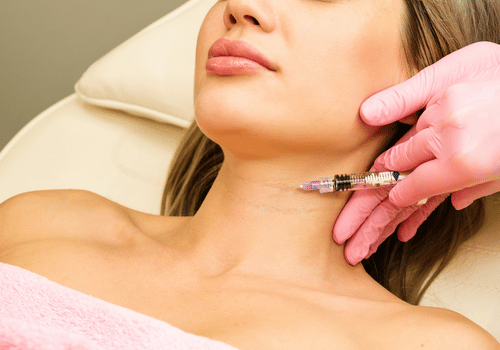
During this appointment, your provider reviews your medical history, current medications, allergies, previous cosmetic procedures, and treatment goals. Even information that seems unrelated may influence whether treatment is appropriate. Being honest allows your provider to identify possible contraindications and develop the safest treatment plan for you.

Experienced injectors also evaluate your facial anatomy, muscle movement, and skin quality. This assessment helps determine the correct injection sites and appropriate dosage for natural-looking results.

Sometimes the safest recommendation is to postpone treatment or choose another procedure. Although this may feel disappointing, it reflects responsible medical care rather than poor customer service. 

Choosing a licensed and experienced provider remains one of the most important decisions patients can make. Professional evaluation ensures that cosmetic goals are balanced with safety considerations, helping patients achieve natural-looking results while minimizing avoidable risks.

If this is your first cosmetic neurotoxin treatment, our guide for first-time Botox patients explains what you can expect before, during, and after your appointment. 

Final Thoughts

Innotox is a popular option for reducing dynamic wrinkles and achieving natural-looking facial rejuvenation. However, it is not the right choice for everyone.

Certain allergies, neuromuscular disorders, active skin infections, medications, pregnancy, and other medical conditions may require treatment to be delayed or avoided. In many cases, these situations are temporary and can be reassessed once your health has improved.

The safest way to determine whether you are a good candidate for Innotox is to schedule a consultation with a qualified healthcare provider. A thorough evaluation allows your provider to identify possible contraindications, answer your questions, and recommend the most appropriate treatment plan for your individual needs.

Making informed decisions before treatment helps improve safety, reduce unnecessary risks, and increase the likelihood of achieving natural, satisfying results.

Frequently Asked Questions

Can I receive Innotox if I have a chronic medical condition?

Possibly. Many chronic conditions do not automatically prevent treatment, but your provider will evaluate your medical history and determine whether additional precautions or medical clearance are necessary.

Should I postpone treatment if I am sick?

Yes. Elective cosmetic procedures are commonly delayed until acute illness, fever, or active infection has resolved.

Can I receive Innotox while pregnant?

Elective cosmetic botulinum toxin treatments are generally postponed during pregnancy and breastfeeding because available safety data remain limited.

Why is a consultation necessary before treatment?

A consultation helps identify contraindications, review medications, discuss expectations, and determine whether Innotox is an appropriate option for your individual circumstances.

image

Innotox Dosage by Treatment Area: Complete Guide

Innotox Dosage by Treatment Area: A Complete Guide to Treatment Units and Facial Mapping 

When considering wrinkle-relaxing treatments, one of the most common questions patients ask is, “How many units of Innotox will I need?” 

While online dosage charts may provide general estimates, the truth is that there is no universal number that works for everyone. The correct Innotox dosage depends on several factors. For example, the treatment area, the strength of the targeted muscles, facial anatomy, aesthetic goals, and the experience of the injector. 

Understanding how dosage varies over different facial parts can help patients set realistic expectations. It will also help patients understand why personalized treatment planning is important for achieving natural-looking results.

In this guide, we’ll explore the typical Innotox dosage ranges for the most commonly treated facial areas, explain the factors that influence unit selection, and discuss why facial mapping is just as important as the dosage itself. 

Whether you’re considering your first treatment or simply want to better understand how Innotox works, this overview will help you make more informed conversations with a qualified healthcare provider while emphasizing the importance of individualized care over standardized dosing.

Understanding Why Innotox Dosage Matters

Innotox is a ready-to-use liquid botulinum toxin type A. It is known for its convenience and consistent preparation. Unlike traditional lyophilized neurotoxins that require dilution before injection, Innotox is available in liquid form, helping practitioners maintain standardized handling during treatment. 

Proper dosing is important because both under-treatment and over-treatment can affect patient satisfaction. Using too few units may leave muscles partially active, causing wrinkles to remain visible. On the other hand, excessive dosing may reduce natural facial movement more than intended. 

But the goal is not to erase all facial expressions. Instead, experts aim to soften wrinkles while also maintaining natural expressions.

Patients should also understand that dosage recommendations found online are general educational references rather than fixed treatment protocols. Individual facial muscles greatly differ from person to person. This means that two patients receiving forehead treatments may require completely different numbers of units to achieve similar cosmetic outcomes. 

Therefore, a personalized approach is one of the main reasons why professional facial assessment remains an essential part of successful Innotox treatment. Aside from personalized Botox treatment plans, discover more Botox trends in this article that make botulinum toxin injectables more accessible now.

Determining the appropriate Innotox dosage is far more individualized than assigning the same number of units to every patient. Experienced injectors evaluate facial anatomy, muscle strength, treatment goals, gender, age, and previous neurotoxin history before deciding on the ideal dosage for each area.

Typical Innotox Dosage by Treatment Area

Although every treatment plan is customized, certain dosage ranges are commonly referenced in aesthetic practice. These values serve only as general guidelines because facial anatomy differs among individuals. Whether it is Innotox 50 Units or Innotox 100 Units, the final dosing should always be determined by a qualified healthcare provider after a thorough consultation.

Treatment AreaTypical Unit Range*
Forehead Lines8–20 Units
Glabellar (Frown Lines)15–25 Units
Crow’s Feet12–24 Units
Bunny Lines4–10 Units
Chin Dimpling4–8 Units
Lip Flip4–8 Units
Gummy Smile2–6 Units
Downturned Mouth4–8 Units
Masseter (Jaw Slimming)20–40 Units per side
Platysmal Bands20–50 Units

**These ranges are educational examples and should not replace individualized medical assessment.

Many patients are surprised to learn that larger muscles naturally require more units than smaller facial muscles. For example, jaw contouring typically involves much higher dosages than procedures such as a lip flip or gummy smile correction. This is because the masseter muscles involved in jaw slimming are significantly stronger than the muscles around the lips.

Doctors also frequently combine multiple treatment areas during a single appointment. Rather than calculating each area one by one, they evaluate how muscles interact across the entire face to maintain natural facial balance. This comprehensive approach often produces smoother and more harmonious outcomes than treating a single area alone.

Factors That Influence Your Innotox Dosage

No universal dosage works for every patient because facial muscles vary in size, strength, and activity. Instead of following a fixed number of units, qualified practitioners assess several individual characteristics before forming a tailored treatment plan. 

Some of the most important factors include:

  1. Muscle size and strength: Larger or stronger facial muscles generally require more units than smaller, less active muscles.
  2. Gender: Men often require higher dosages than women due to greater muscle mass, particularly in areas such as the forehead, glabella, and jawline.
  3. Age and wrinkle severity: Younger patients seeking preventative wrinkle management may need fewer units than individuals with long-established dynamic lines.
  4. Facial anatomy: Every face is unique, and differences in muscle placement and symmetry can affect both dosage and injection technique.
  5. Muscle activity: Some people naturally have stronger facial expressions that create deeper movement even when their face is at rest, while others develop wrinkles despite relatively mild muscle contraction. 
  6. Treatment goals: Patients who prefer subtle, natural-looking movement may intentionally receive lower doses to preserve facial expression, whereas those seeking longer-lasting wrinkle reduction may benefit from slightly higher dosing within accepted clinical ranges. 

Previous exposure to botulinum toxin can further improve future dosing strategies. 

During the consultation, doctors assess how severe the wrinkles are and the way facial muscles move. This is to determine the most appropriate treatment plan for each patient.

Experienced injectors review how patients responded to earlier treatments, including:

  • How quickly results appeared
  • How long they lasted
  • The degree of muscle relaxation achieved

Using this information, they can make thoughtful adjustments during subsequent appointments, allowing treatment plans to become increasingly personalized and optimized over time.

Common Cosmetic Treatment Areas Explained

The three main and most common treatment areas where Innotox is administered are the following: 

Forehead Lines

The forehead is one of the most frequently treated areas because repetitive muscle movement gradually creates horizontal expression lines. 

Treating this area requires precision since excessive relaxation may produce an unnaturally heavy appearance. But insufficient treatment may also leave visible wrinkles during facial movement. 

Therefore, experts evaluate the forehead together with the muscles between the eyebrows to maintain natural results.

Glabellar Frown Lines

Glabellar lines, often called the “11 lines,” are produced by repeated contraction of the corrugator and procerus muscles. 

These muscles tend to be stronger than other facial muscles, making this area one of the most common sites for Botox treatments. Proper injection softens an angry or tired appearance while also preserving natural expression.

Crow’s Feet

Crow’s feet develop from repeated smiling and squinting around the eyes. Rather than freezing every wrinkle, injectors usually aim to soften the lateral lines while allowing patients to maintain warm, genuine facial expressions. This conservative approach helps avoid an overly rigid appearance that many first-time patients hope to avoid.

Other Treatment Areas Injected with Innotox

There are also treatment areas that require only fewer units because the muscles involved are relatively small. These sites include:

  • Bunny lines
  • Chin dimpling
  • Gummy smile correction
  • Lip flip procedures
  • Downturned mouth 

Although these procedures use lower dosages, precision is still important because subtle adjustments can significantly influence the results.

Aside from facial wrinkle treatment, Innotox can also be administered for the jaw and neck. These larger facial muscles include:

  • Masseter reduction for jawline contouring
  • Platysmal band treatment in the neck

These larger muscles naturally require higher unit ranges and often produce gradual contouring improvements over several weeks as muscle activity diminishes. Learn how Innotox works for jawline disorders here!

Why Professional Facial Mapping Is More Important Than Unit Numbers

Patients often focus exclusively on the number of units they receive, but experienced injectors know that placement is equally important. Two patients may receive identical dosages yet achieve noticeably different outcomes simply because of differences in muscle anatomy and injection technique. 

Precise facial mapping allows practitioners to target muscles accurately while minimizing unwanted diffusion into surrounding areas.

During consultation, providers typically ask patients to smile, frown, raise their eyebrows, purse their lips, and perform several facial expressions. Observing these movements reveals how muscles interact and which areas contribute most significantly to wrinkle formation. This dynamic evaluation helps practitioners customize injection points rather than following identical patterns for every patient.

Facial symmetry is another important consideration. Many individuals naturally have stronger muscles on one side of the face, requiring subtle dosage adjustments to achieve balanced results. Without individualized mapping, symmetrical injections may actually produce asymmetrical outcomes.

Ultimately, successful treatment depends on far more than selecting a specific number of units. Artistic assessment, anatomical knowledge, and injection precision work together to create natural-looking facial rejuvenation that complements each patient’s unique features.

How Long Do Innotox Results Last?

Although dosage contributes to treatment longevity, it is only one of several influencing factors. Most patients begin noticing early muscle relaxation within several days, with results continuing to develop over approximately one to two weeks before reaching their full cosmetic effect.

Visible improvement commonly lasts around three to four months, although individual experiences vary depending on metabolism, muscle strength, lifestyle, treatment area, and previous neurotoxin exposure. Larger muscles, such as the masseters, may gradually require maintenance treatments at different intervals than smaller facial muscles.

Regular follow-up appointments allow practitioners to evaluate treatment response and make dosage adjustments if necessary. Rather than increasing units dramatically during every visit, providers often make small refinements that optimize both cosmetic appearance and longevity while maintaining natural facial movement.

Patients can support consistent results by following appropriate aftercare instructions, attending scheduled maintenance appointments, and discussing any changes in treatment goals with their provider. Long-term success is generally achieved through individualized planning rather than relying solely on higher dosages.

Choosing Safe and Personalized Innotox Treatment

While online dosage charts provide helpful educational references, they should never replace professional medical assessment. Every face is unique, and achieving balanced, natural-looking results requires careful evaluation of muscle anatomy, facial symmetry, wrinkle patterns, and personal aesthetic goals.

Choosing an experienced injector is one of the most important factors influencing treatment success. Qualified practitioners understand how facial muscles interact, how dosage affects expression, and how to tailor treatment plans that enhance appearance without compromising natural movement. Their expertise extends beyond selecting unit numbers to creating personalized facial rejuvenation strategies that prioritize both safety and aesthetic harmony.

Whether you are considering your first wrinkle-relaxing treatment or planning maintenance injections, understanding how dosage varies by treatment area can help you have more informed discussions during consultation. Rather than asking for a specific number of units, patients often achieve better outcomes by focusing on their desired results and trusting a qualified provider to determine the most appropriate individualized treatment plan.

Frequently Asked Questions

Is more Innotox always better?

No. Higher dosages do not necessarily produce better cosmetic outcomes. Appropriate dosing depends on muscle strength, facial anatomy, and treatment goals.

Can two people receive different dosages for the same treatment area?

Yes. Individual muscle size and facial movement vary significantly, making customized dosing an essential part of treatment planning.

How soon will I see results?

Many patients begin noticing changes within a few days, with maximum results typically appearing after one to two weeks.

Can dosage be adjusted during future treatments?

Absolutely. Practitioners often refine dosages over multiple treatment sessions based on previous response and patient preferences.

image

Innotox for TMJ: Jaw Pain & Teeth Grinding Relief

Innotox for TMJ Treatment: Can Botulinum Toxin Help Relieve Jaw Pain, Teeth Grinding, and Facial Tension? 

Jaw pain can make even the simplest daily activities uncomfortable. Eating, speaking, yawning, or waking up after a night’s sleep may become painful when the muscles surrounding the jaw are constantly overworked. Many people experiencing temporomandibular joint (TMJ) disorders or chronic teeth grinding (bruxism) search for treatment options that provide relief beyond mouthguards and pain medications.

One option that has gained increasing attention is botulinum toxin therapy, which helps relax overactive jaw muscles. Among modern botulinum toxin products, Innotox has become well known for its ready-to-use liquid formulation and predictable performance in aesthetic medicine. Today, many healthcare professionals also use botulinum toxin injections for selected functional concerns involving excessive muscle activity, including jaw muscle tension.

If you’ve wondered whether Innotox for TMJ could help with jaw discomfort, facial tension, or nighttime grinding, this guide explains everything you should know—from how the treatment works to who may be a good candidate, expected results, aftercare, and frequently asked questions.

What Is TMJ Disorder?

TMJ stands for the temporomandibular joint, the hinge connecting your lower jaw (mandible) to your skull. You have one joint on each side of your face, located just in front of your ears. These joints allow movements required for:

  • Speaking
  • Chewing
  • Swallowing
  • Smiling
  • Yawning

When the joint itself or the surrounding muscles become irritated, inflamed, or overactive, patients may develop temporomandibular disorders (TMD), commonly shortened to TMJ.

Although many people refer to the condition simply as “TMJ,” the more accurate term is TMD.

Common Symptoms of TMJ Disorders

Symptoms vary from person to person and may include:

  • Jaw pain
  • Facial muscle soreness
  • Clicking or popping sounds
  • Difficulty opening the mouth fully
  • Jaw locking
  • Morning headaches
  • Ear discomfort
  • Neck tension
  • Pain while chewing
  • Teeth grinding (bruxism)
  • Jaw muscle fatigue

Many of these symptoms result from excessive contraction of the masseter and temporalis muscles.

What Causes TMJ Problems?

TMJ disorders usually develop from multiple contributing factors rather than a single cause. These may include:

  • Chronic teeth grinding
  • Jaw clenching
  • Emotional stress
  • Anxiety
  • Arthritis
  • Previous jaw injury
  • Poor bite alignment
  • Muscle overuse
  • Connective tissue disorders

For many individuals, the muscles become overworked, creating a cycle of pain and tension. This is where muscle-relaxing treatments such as botulinum toxin may become part of a comprehensive treatment plan.

How Can Innotox Help Treat TMJ Disorders?

Innotox is a liquid botulinum toxin type A formulation developed in South Korea. Unlike many conventional neurotoxins supplied as freeze-dried powder, Innotox comes pre-dissolved and ready for injection, eliminating the need for reconstitution before use. Discover the truth about liquid Botox and how it really works here in this article

Its liquid formulation offers several practical advantages for experienced medical professionals, including consistent preparation and convenient handling in clinical settings.

Like other botulinum toxin type A products, Innotox works by temporarily reducing communication between nerves and targeted muscles. This decreases excessive muscle contraction while preserving surrounding muscle function when administered correctly.

TMJ symptoms are often driven by overactive chewing muscles, particularly the masseter muscle. When Innotox is carefully injected into these muscles, it temporarily reduces their contraction strength. This may help:

  • Decrease excessive jaw clenching
  • Reduce teeth grinding
  • Lower muscle fatigue
  • Relieve facial tension
  • Reduce pressure on the jaw joints
  • Improve overall jaw comfort

Rather than directly treating the joint itself, Innotox addresses one of the underlying contributors—muscle overactivity.

Which Muscles Are Usually Treated?

The exact treatment plan depends on each patient’s symptoms and examination.

Common muscles include:

  1. Masseter Muscle

This large chewing muscle sits at the angle of the jaw. It is most commonly injected because it is frequently responsible for the following:

  1. Bruxism
  2. Jaw clenching
  3. Facial tension
  4. Enlarged jaw muscles

Relaxing the masseter may also create a slimmer lower-face appearance in some patients.

  1. Temporalis Muscle

Located along the sides of the head, the temporalis muscle assists chewing. Patients with temple headaches, forehead tension, and severe clenching may benefit when this muscle contributes significantly to symptoms.

  1. Additional Muscles

Depending on individual anatomy, experienced practitioners may evaluate other surrounding muscles involved in jaw movement. Treatment plans are always personalized rather than identical for every patient.

Benefits of Using Innotox for TMJ Treatment

Patients experiencing muscle-related TMJ symptoms may notice several potential benefits.

  1. Reduced Jaw Pain

Less muscle contraction often means less mechanical stress placed on the jaw. Many patients report decreased soreness during chewing and speaking.

  1. Less Teeth Grinding

Nighttime grinding may decrease as muscle activity is reduced. This may also lessen tooth wear over time when combined with other dental recommendations.

  1. Fewer Tension Headaches

Because jaw muscles connect with muscles surrounding the temples, reducing excessive contraction may lessen headache frequency in appropriate patients.

  1. Improved Jaw Mobility

Patients sometimes notice easier mouth opening, reduced stiffness, and improved comfort while eating

  1. Facial Slimming

One well-known aesthetic benefit is gradual reduction in enlarged masseter muscles. This can create softer jaw contours and a more V-shaped facial appearance

  1. Improved facial balance

Although cosmetic improvement is often welcomed, the primary objective for TMJ treatment is functional relief rather than facial reshaping.

How the Procedure For TMJ Treatment With Innotox Works

Step 1: Consultation

The healthcare provider evaluates various factors, such as:

  • Medical history
  • Symptoms
  • Muscle activity
  • Jaw movement
  • Bruxism history
  • Previous treatments

Patients may also be referred by dentists or oral surgeons.

Step 2: Examination

The practitioner identifies:

  • Active trigger points
  • Muscle thickness
  • Areas of tenderness
  • Jaw symmetry

Patients may be asked to clench their teeth to help locate the strongest portions of the masseter muscles.

Step 3: Injection

Small amounts of Innotox are injected into selected muscles using a very fine needle. Most patients describe the sensation as mild pinching. The procedure generally takes approximately 10 to 20 minutes.

Most patients tolerate treatment very well. The injections use an extremely fine needle, and discomfort is generally brief. Some practitioners may apply ice or a topical numbing cream if desired, although many patients do not require additional anesthesia.

Step 4: Return to Normal Activities

Most individuals resume normal daily routines immediately afterward. No surgery or lengthy recovery period is required.

When Will Results Become Noticeable and How Long Do Results Last?

While every patient responds differently, a typical timeline may look like this:

TimelineWhat You May Notice
Days 1–3Initial muscle relaxation begins
Days 4–7Jaw tension gradually decreases
Weeks 2–4Maximum muscle relaxation is often achieved
2–4 MonthsBenefits gradually diminish as nerve activity returns

Follow-up appointments allow practitioners to assess results and determine whether future maintenance treatment is appropriate. The duration varies depending on:

  • Individual metabolism
  • Muscle size
  • Injection technique
  • Dosage
  • Severity of clenching

Many patients experience relief for approximately 3 to 4 months, though this can vary from person to person. Some individuals notice longer-lasting improvements after repeated treatments because the muscles gradually become less overactive.

Who May Be a Good Candidate?

You may be considered a potential candidate if you:

  • Frequently clench your jaw
  • Grind your teeth during sleep
  • Experience muscle-related jaw pain
  • Have enlarged masseter muscles
  • Wake with facial soreness
  • Experience recurrent tension headaches associated with jaw muscle overactivity
  • Have not achieved sufficient relief from conservative treatment alone

A comprehensive evaluation by a qualified healthcare provider is essential to determine whether botulinum toxin therapy is appropriate for your specific condition. However, treatment may not be suitable for everyone. Patients should discuss their complete medical history with their healthcare provider, especially if they:

  • Are pregnant or breastfeeding
  • Have certain neuromuscular disorders
  • Have an active infection at the injection site
  • Have allergies to any treatment components
  • Have TMJ symptoms caused primarily by structural joint abnormalities rather than muscle overactivity

A proper diagnosis is important because not all jaw pain is muscle-related.

Possible Side Effects and Aftercare Tips

Like any injectable treatment, temporary side effects may occur. These can include:

  • Mild swelling
  • Redness
  • Bruising
  • Tenderness
  • Temporary chewing fatigue
  • Mild asymmetry while muscles adjust

Serious complications are uncommon when treatment is performed by experienced, qualified medical professionals with a thorough understanding of facial anatomy. Following your provider’s instructions helps support a smooth recovery.

General recommendations may include:

  • Avoid rubbing the treated area for several hours.
  • Stay upright for several hours after treatment if advised.
  • Skip strenuous exercise until your provider says it is appropriate.
  • Avoid excessive heat, including saunas and steam rooms, for the remainder of the day.
  • Follow all personalized post-treatment instructions.
  • Attend follow-up appointments if recommended.

Can Innotox Be Combined with Other Treatments?

Yes. Depending on your diagnosis and goals, healthcare providers may recommend combining Innotox with other conservative or supportive therapies. Examples include:

  • Night guards prescribed by a dentist
  • Physical therapy
  • Stress management techniques
  • Jaw exercises
  • Posture correction
  • Massage therapy
  • Orthodontic evaluation when indicated

A multidisciplinary approach often provides the most comprehensive management for TMJ disorders.

Final Thoughts

TMJ disorders can significantly affect comfort, sleep quality, and daily activities, particularly when persistent jaw clenching and teeth grinding are involved. While treatment depends on the underlying cause, reducing excessive muscle activity can provide meaningful relief for many individuals.

Innotox offers a modern liquid botulinum toxin formulation that may help relax overactive jaw muscles associated with TMJ-related discomfort and bruxism when administered by an experienced healthcare professional. By targeting the muscles responsible for excessive tension, treatment may reduce jaw pain, ease headaches, improve comfort during chewing, and even create a softer facial contour in suitable candidates.

Because TMJ disorders can stem from multiple factors—including joint conditions, dental issues, stress, and muscle dysfunction—a thorough evaluation is essential before deciding on treatment. Working with a qualified medical or dental professional ensures that the most appropriate and personalized care plan is selected.

Whether your goal is reducing chronic jaw tension, managing nighttime teeth grinding, or improving overall quality of life, understanding how Innotox fits into a comprehensive TMJ management strategy is an important first step toward informed treatment decisions.

Frequently Asked Questions

Does Innotox cure TMJ?

No. Innotox does not cure TMJ disorders. Instead, it may temporarily reduce muscle overactivity that contributes to symptoms such as jaw tension, clenching, and teeth grinding. Ongoing evaluation and comprehensive care may still be necessary.

Can Innotox stop teeth grinding completely?

Not always. While many patients experience reduced grinding and clenching, results vary depending on the underlying cause and individual response to treatment.

Will my face become slimmer?

If enlarged masseter muscles are present, gradual facial slimming may occur as the muscles become less active. This effect develops over several weeks and varies between individuals.

How often are treatments needed?

Many patients return every three to four months if continued treatment is recommended. The exact schedule depends on symptom recurrence and clinical evaluation.

Can I eat after treatment?

In most cases, yes. Some patients may experience mild chewing fatigue for the first few days, especially when eating tougher foods, but normal eating can usually continue.

Is Innotox FDA-approved for TMJ treatment?

Regulatory approvals vary by country and indication. Botulinum toxin products are commonly used in clinical practice for a variety of medically appropriate applications, including certain off-label uses. Patients should consult a qualified healthcare provider regarding treatment recommendations and local regulatory status.

image

Hyperhidrosis Treatment with Innotox: Does It Work?

What Is Hyperhidrosis? How Innotox Can Help Treat Excessive Sweating Naturally 

Most people expect to sweat during a workout, on a hot summer day, or while feeling nervous before an important presentation. Sweating is one of the body’s natural cooling mechanisms, and under normal circumstances, it’s an essential part of maintaining a healthy body temperature.

However, for millions of people worldwide, sweating occurs even when there is no heat, exercise, or emotional trigger. Clothes become soaked within minutes, handshakes become uncomfortable, shoes remain damp throughout the day, and daily activities can become stressful. This condition is known as hyperhidrosis.

Fortunately, modern aesthetic medicine offers more than wrinkle reduction. Botulinum toxin treatments—including Innotox, a ready-to-use liquid botulinum toxin—have become one of the most effective non-surgical options for controlling excessive sweating.

In this comprehensive guide, we’ll explain what hyperhidrosis is, why it happens, how Innotox works, what treatment involves, and whether it may be the right solution for long-term sweat reduction.

What Is Hyperhidrosis?

Hyperhidrosis is a medical condition characterized by excessive sweating beyond what the body needs for normal temperature regulation. Unlike ordinary perspiration, hyperhidrosis can occur even when:

  • The weather is cool
  • You’re sitting still
  • You’re indoors
  • You’re relaxed
  • You’re sleeping (in some cases)

People with hyperhidrosis often describe sweating that seems unpredictable and difficult to control. Rather than being a cosmetic inconvenience, excessive sweating can interfere with work, relationships, confidence, and everyday comfort. 

Sweating is controlled by the sympathetic nervous system. When the body detects heat, stress, or physical activity, nerves send signals to eccrine sweat glands, telling them to produce sweat.

In hyperhidrosis, these nerves become overactive, sending signals even when the body doesn’t actually need cooling. The sweat glands themselves are normal—they simply receive too many activation signals. This explains why reducing nerve signaling can significantly decrease excessive sweating.

How Common Is Hyperhidrosis?

Hyperhidrosis is more common than many people realize. Studies estimate that approximately 3–5% of the global population experiences some form of excessive sweating. Because many people feel embarrassed discussing the condition, experts believe the true number may actually be higher. Many patients wait years before seeking treatment, assuming excessive sweating is simply something they have to live with. Fortunately, effective treatments now exist.

Types of Hyperhidrosis

Understanding the type of hyperhidrosis helps determine the most appropriate treatment.

Primary Focal Hyperhidrosis

This is the most common form. Characteristics include:

  • Usually begins during childhood or adolescence
  • Often hereditary
  • Affects specific body areas
  • Occurs symmetrically on both sides of the body
  • Not caused by another medical condition

Common treatment areas include:

  • Underarms (axillary hyperhidrosis)
  • Palms
  • Soles of the feet
  • Forehead
  • Scalp

Primary hyperhidrosis is often an excellent candidate for Innotox treatment.

Secondary Hyperhidrosis

Secondary hyperhidrosis develops because of an underlying condition or medication. Possible causes include:

  • Hormonal disorders
  • Menopause
  • Diabetes
  • Hyperthyroidism
  • Certain medications
  • Infections
  • Neurological disorders

In these cases, treating the underlying cause is typically the first priority.

Areas Commonly Affected by Hyperhidrosis

Hyperhidrosis can occur almost anywhere, but several regions are affected more frequently.

Underarms

This is the most commonly treated area. Patients often experience:

  • Visible sweat stains
  • Frequent clothing changes
  • Persistent moisture
  • Odor concerns despite good hygiene

Hands

Palmar hyperhidrosis may affect:

  • Handshakes
  • Writing
  • Keyboard use
  • Holding objects
  • Sports equipment

Many people report avoiding social interactions because of sweaty palms.

Feet

Excessive sweating of the feet can contribute to:

  • Slippery footwear
  • Odor
  • Skin irritation
  • Increased risk of fungal infections

Face and Forehead

Facial sweating may interfere with:

  • Makeup
  • Professional appearance
  • Public speaking
  • Photography
  • Social confidence

How Is Hyperhidrosis Diagnosed?

Diagnosis usually begins with a consultation. Your healthcare provider may ask:

  • When did sweating begin?
  • Which body areas are affected?
  • Does sweating occur during sleep?
  • Is there a family history?
  • Are you taking medications?
  • Has sweating suddenly worsened?

In many cases, diagnosis is based on medical history and physical examination alone.

Traditional Treatments for Hyperhidrosis

Several treatment options are available depending on severity. These include:

  • Prescription-strength antiperspirants
  • Oral medications
  • Iontophoresis
  • Microwave therapy
  • Surgical sympathectomy
  • Botulinum toxin injections

Among these options, botulinum toxin has become one of the most widely recommended treatments for focal hyperhidrosis because it offers significant sweat reduction without surgery.

How Does Innotox Work for Hyperhidrosis?

Innotox is a ready-to-use liquid botulinum toxin type A developed in South Korea. Unlike many conventional botulinum toxin products that require dilution before injection, Innotox comes as a liquid Botox formulation, helping simplify preparation and support dosing consistency.

Although Innotox is widely recognized for softening dynamic facial wrinkles, it can also be used by qualified medical professionals to reduce excessive sweating by temporarily blocking the nerve signals that activate sweat glands.

Sweat glands are activated by nerve endings that release a neurotransmitter called acetylcholine. Innotox temporarily blocks the release of acetylcholine.

Without this signal:

  • Sweat glands remain healthy
  • Sweat production decreases significantly
  • The body continues regulating temperature through untreated areas

Importantly, the treatment does not destroy sweat glands. It temporarily interrupts the communication between nerves and glands until nerve activity gradually returns over time.

Which Areas Can Be Treated With Innotox?

Innotox may be used for several localized areas of excessive sweating, including:

  1. Underarms – Often the easiest and most popular treatment area, providing substantial reductions in perspiration.
  2. Palms – Helpful for individuals whose work or social interactions are affected by sweaty hands.
  3. Soles – Can improve day-to-day comfort, although injections may be more sensitive in this area.
  4. Forehead – May reduce excessive facial perspiration while preserving natural facial expression when performed by an experienced injector.

Treatment suitability should always be assessed by a qualified healthcare professional.

What Happens During an Innotox Hyperhidrosis Treatment?

A typical appointment usually takes 20–40 minutes, depending on the treatment area.

Step 1: Consultation

The provider evaluates:

  • Sweat pattern
  • Medical history
  • Treatment goals
  • Suitable injection sites

Step 2: Cleansing

The skin is thoroughly cleaned to minimize the risk of infection.

Step 3: Mapping the Treatment Area

For larger areas, the practitioner may mark a grid to ensure even coverage.

Step 4: Injections

Multiple tiny injections are placed just beneath the skin using a very fine needle. Patients often describe the sensation as small pinches.

Discover the difference between Innotox 50 Units and 100 Units in this article to help you understand which is best for you.

Step 5: Aftercare

Patients can usually return to normal daily activities immediately.

When Will You Notice Results and How Long Does Innotox Last for Hyperhidrosis?

Results are gradual rather than immediate. A typical timeline looks like this:

Days 2–4
Sweating may begin to decrease.

Week 1
Noticeable improvement becomes apparent.

Weeks 2–3
Most patients experience maximum sweat reduction.

Several Months
Results are typically maintained before sweating gradually returns and retreatment may be considered.

Although individual experiences vary, many patients enjoy reduced sweating for approximately 4–6 months, and sometimes longer depending on the treatment area, dosage, and personal response. Because the effects are temporary, repeat treatments may be recommended to maintain results.

Benefits of Innotox for Hyperhidrosis

Many patients choose Innotox because it offers several practical advantages:

  • Non-surgical treatment
  • Minimal downtime
  • Quick in-office procedure
  • Targets localized sweating
  • May improve confidence in social and professional settings
  • Can reduce clothing stains and moisture
  • Ready-to-use liquid formulation that eliminates reconstitution before use

For people whose quality of life is affected by excessive sweating, these benefits can be meaningful.

Who Is a Good Candidate?

You may be a suitable candidate if you:

  • Experience excessive underarm sweating
  • Have sweaty palms or feet that interfere with daily activities
  • Find prescription antiperspirants ineffective
  • Want a non-surgical treatment option
  • Are generally healthy
  • Have realistic expectations

A consultation with a qualified healthcare provider is essential to determine whether Innotox is appropriate for your specific situation.

Possible Side Effects and Aftercare Tips Following Innotox for Hyperhidrosis Treatment

Most side effects are mild and temporary. They may include:

  • Redness
  • Mild swelling
  • Tenderness
  • Small injection marks
  • Temporary bruising

When treating the hands, temporary muscle weakness may occur in some individuals. Your provider will discuss potential risks before treatment.

To help optimize recovery:

  • Keep the treated area clean.
  • Avoid vigorous exercise for the remainder of the day unless advised otherwise.
  • Refrain from rubbing or massaging the treated area immediately after injections.
  • Follow all aftercare instructions provided by your practitioner.
  • Attend follow-up appointments if recommended.

Final Thoughts

Hyperhidrosis is more than simply “sweating too much.” It can influence confidence, comfort, work, and social interactions in ways that are often overlooked. The good news is that effective treatment options are available.

For individuals with focal excessive sweating, Innotox offers a minimally invasive approach that temporarily reduces sweat production by blocking the nerve signals responsible for overactive sweat glands. With a quick treatment session, minimal downtime, and results that can last for several months, it has become an increasingly popular option for patients seeking relief from persistent underarm, hand, foot, or facial sweating.

If excessive sweating is affecting your daily life, consult a qualified medical professional to determine whether Innotox is an appropriate treatment. An individualized assessment can help identify the underlying cause of your symptoms and create a treatment plan tailored to your needs.

Frequently Asked Questions

Is Innotox only used for cosmetic wrinkles?

No. While Innotox is well known for reducing dynamic wrinkles, botulinum toxin can also be used to manage conditions such as focal hyperhidrosis when appropriate.

Will I stop sweating completely?

Not necessarily. The goal is to reduce excessive sweating to a more comfortable, manageable level while allowing normal temperature regulation through other sweat glands.

Is the procedure painful?

Most patients tolerate treatment well. The injections are performed with a fine needle, and topical numbing cream may be used for sensitive areas such as the palms or soles.

Can excessive sweating come back?

Yes. Because botulinum toxin provides temporary effects, nerve signaling gradually returns over time. Repeat treatment may be recommended to maintain results.

Can I return to work afterward?

In most cases, yes. There is little to no downtime, and many patients resume normal daily activities immediately after the appointment.