
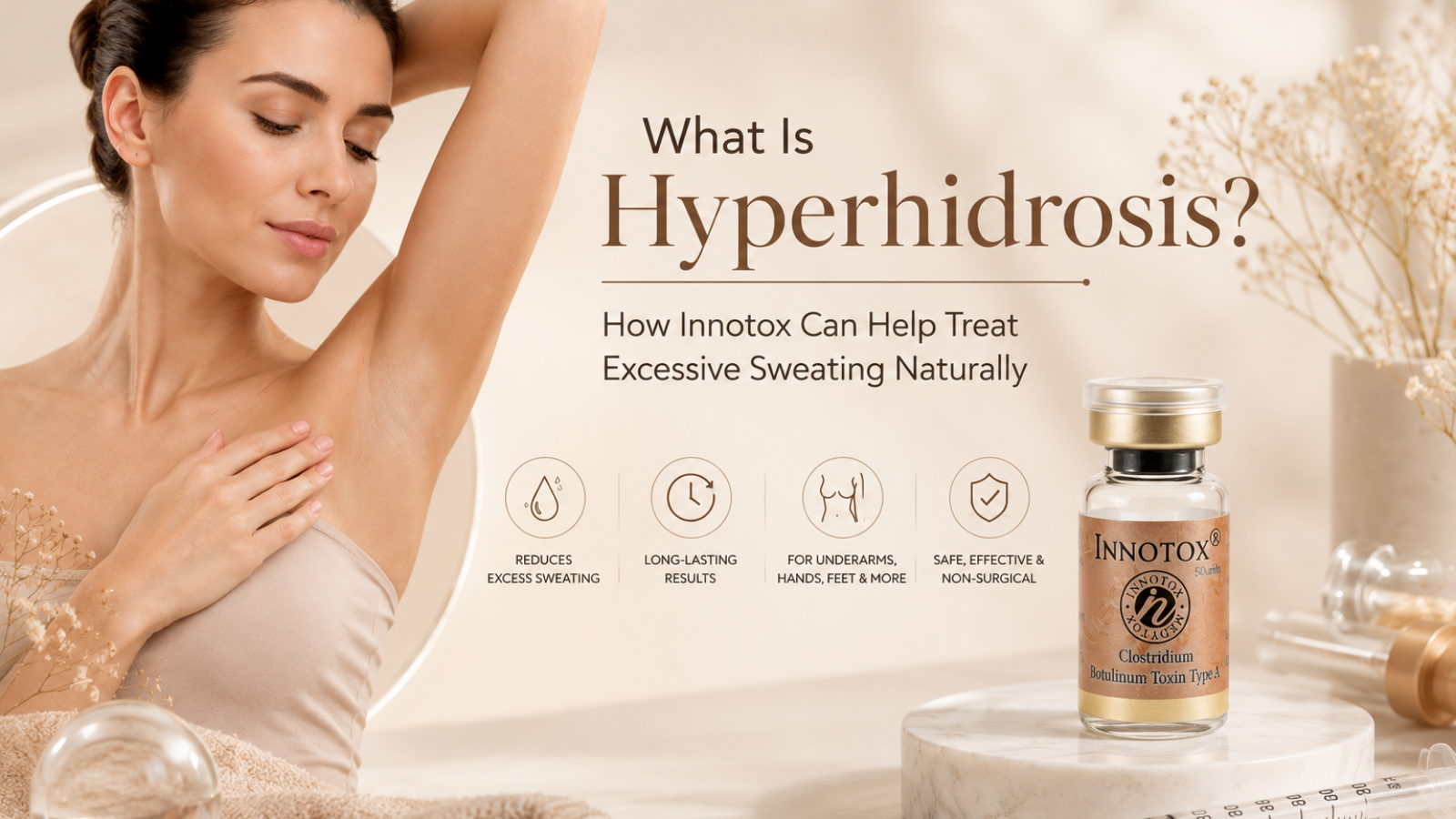
Hyperhidrosis Treatment with Innotox: Does It Work?
What Is Hyperhidrosis? How Innotox Can Help Treat Excessive Sweating Naturally
Most people expect to sweat during a workout, on a hot summer day, or while feeling nervous before an important presentation. Sweating is one of the body’s natural cooling mechanisms, and under normal circumstances, it’s an essential part of maintaining a healthy body temperature.
However, for millions of people worldwide, sweating occurs even when there is no heat, exercise, or emotional trigger. Clothes become soaked within minutes, handshakes become uncomfortable, shoes remain damp throughout the day, and daily activities can become stressful. This condition is known as hyperhidrosis.
Fortunately, modern aesthetic medicine offers more than wrinkle reduction. Botulinum toxin treatments—including Innotox, a ready-to-use liquid botulinum toxin—have become one of the most effective non-surgical options for controlling excessive sweating.
In this comprehensive guide, we’ll explain what hyperhidrosis is, why it happens, how Innotox works, what treatment involves, and whether it may be the right solution for long-term sweat reduction.
What Is Hyperhidrosis?

Hyperhidrosis is a medical condition characterized by excessive sweating beyond what the body needs for normal temperature regulation. Unlike ordinary perspiration, hyperhidrosis can occur even when:
- The weather is cool
- You’re sitting still
- You’re indoors
- You’re relaxed
- You’re sleeping (in some cases)
People with hyperhidrosis often describe sweating that seems unpredictable and difficult to control. Rather than being a cosmetic inconvenience, excessive sweating can interfere with work, relationships, confidence, and everyday comfort.
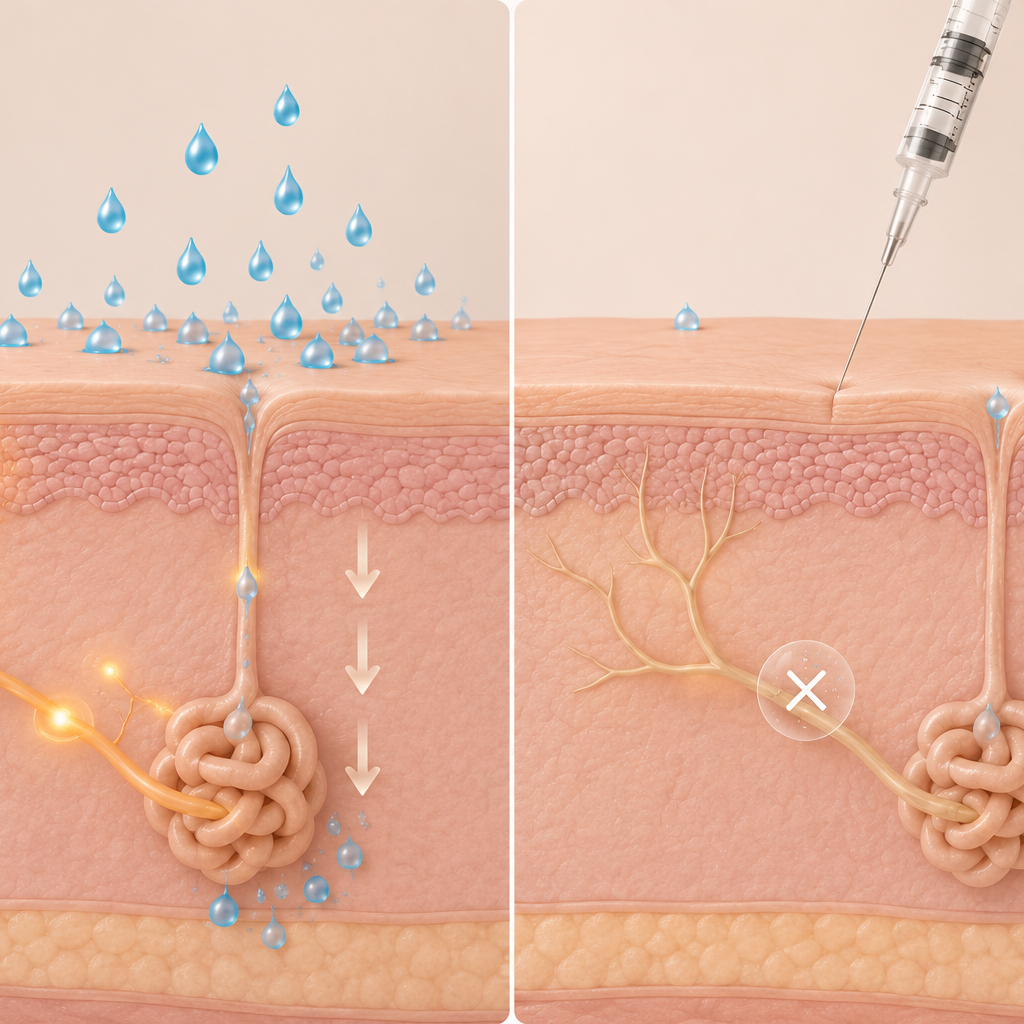
Sweating is controlled by the sympathetic nervous system. When the body detects heat, stress, or physical activity, nerves send signals to eccrine sweat glands, telling them to produce sweat.
In hyperhidrosis, these nerves become overactive, sending signals even when the body doesn’t actually need cooling. The sweat glands themselves are normal—they simply receive too many activation signals. This explains why reducing nerve signaling can significantly decrease excessive sweating.
How Common Is Hyperhidrosis?
Hyperhidrosis is more common than many people realize. Studies estimate that approximately 3–5% of the global population experiences some form of excessive sweating. Because many people feel embarrassed discussing the condition, experts believe the true number may actually be higher. Many patients wait years before seeking treatment, assuming excessive sweating is simply something they have to live with. Fortunately, effective treatments now exist.
Types of Hyperhidrosis
Understanding the type of hyperhidrosis helps determine the most appropriate treatment.
Primary Focal Hyperhidrosis
This is the most common form. Characteristics include:
- Usually begins during childhood or adolescence
- Often hereditary
- Affects specific body areas
- Occurs symmetrically on both sides of the body
- Not caused by another medical condition
Common treatment areas include:
- Underarms (axillary hyperhidrosis)
- Palms
- Soles of the feet
- Forehead
- Scalp
Primary hyperhidrosis is often an excellent candidate for Innotox treatment.
Secondary Hyperhidrosis
Secondary hyperhidrosis develops because of an underlying condition or medication. Possible causes include:
- Hormonal disorders
- Menopause
- Diabetes
- Hyperthyroidism
- Certain medications
- Infections
- Neurological disorders
In these cases, treating the underlying cause is typically the first priority.
Areas Commonly Affected by Hyperhidrosis
Hyperhidrosis can occur almost anywhere, but several regions are affected more frequently.
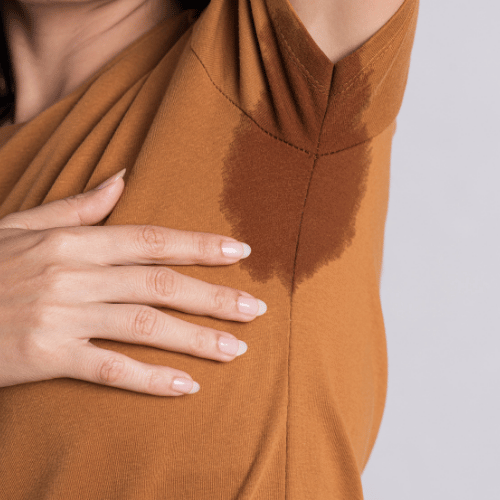
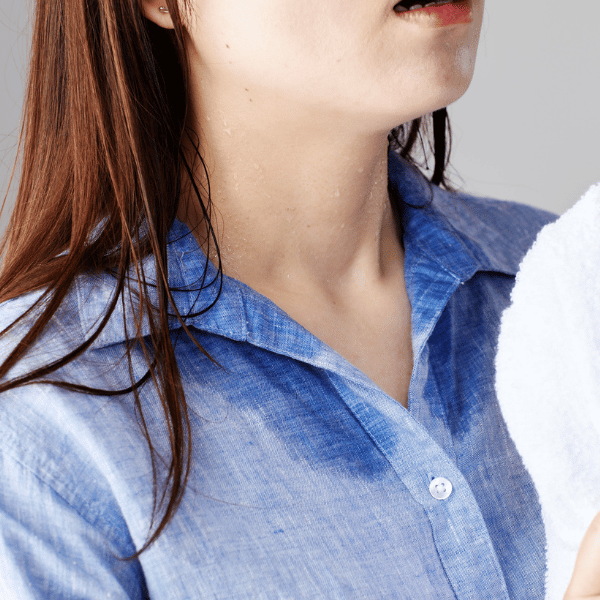
Underarms
This is the most commonly treated area. Patients often experience:
- Visible sweat stains
- Frequent clothing changes
- Persistent moisture
- Odor concerns despite good hygiene
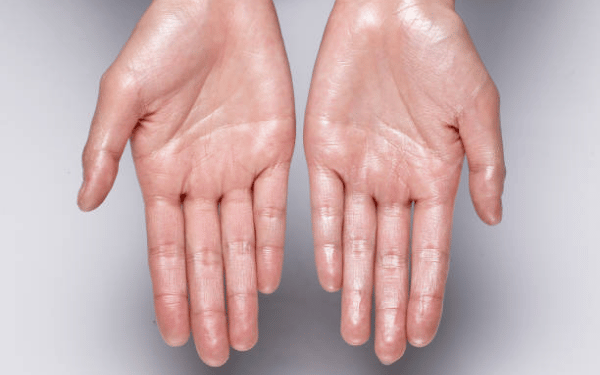
Hands
Palmar hyperhidrosis may affect:
- Handshakes
- Writing
- Keyboard use
- Holding objects
- Sports equipment
Many people report avoiding social interactions because of sweaty palms.
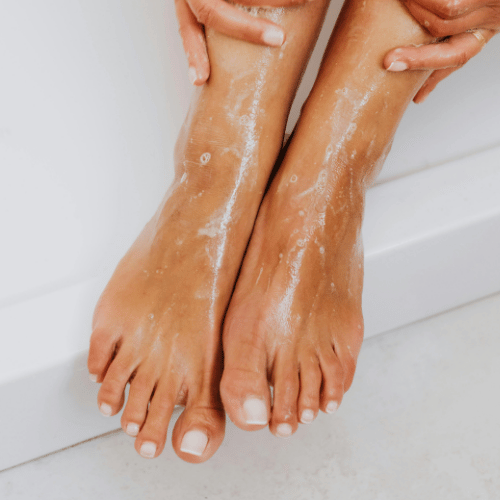
Feet
Excessive sweating of the feet can contribute to:
- Slippery footwear
- Odor
- Skin irritation
- Increased risk of fungal infections
Face and Forehead
Facial sweating may interfere with:
- Makeup
- Professional appearance
- Public speaking
- Photography
- Social confidence
How Is Hyperhidrosis Diagnosed?
Diagnosis usually begins with a consultation. Your healthcare provider may ask:
- When did sweating begin?
- Which body areas are affected?
- Does sweating occur during sleep?
- Is there a family history?
- Are you taking medications?
- Has sweating suddenly worsened?
In many cases, diagnosis is based on medical history and physical examination alone.
Traditional Treatments for Hyperhidrosis
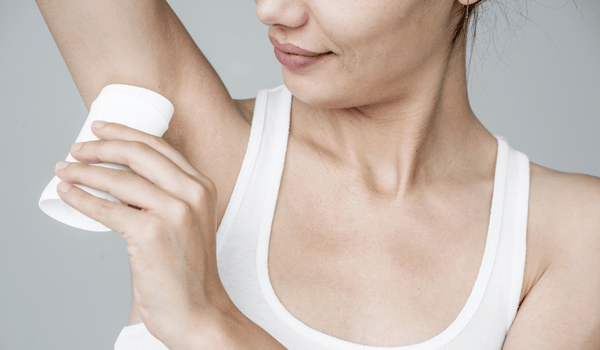
Several treatment options are available depending on severity. These include:
- Prescription-strength antiperspirants
- Oral medications
- Iontophoresis
- Microwave therapy
- Surgical sympathectomy
- Botulinum toxin injections
Among these options, botulinum toxin has become one of the most widely recommended treatments for focal hyperhidrosis because it offers significant sweat reduction without surgery.
How Does Innotox Work for Hyperhidrosis?
Innotox is a ready-to-use liquid botulinum toxin type A developed in South Korea. Unlike many conventional botulinum toxin products that require dilution before injection, Innotox comes as a liquid Botox formulation, helping simplify preparation and support dosing consistency.
Although Innotox is widely recognized for softening dynamic facial wrinkles, it can also be used by qualified medical professionals to reduce excessive sweating by temporarily blocking the nerve signals that activate sweat glands.
Sweat glands are activated by nerve endings that release a neurotransmitter called acetylcholine. Innotox temporarily blocks the release of acetylcholine.
Without this signal:
- Sweat glands remain healthy
- Sweat production decreases significantly
- The body continues regulating temperature through untreated areas
Importantly, the treatment does not destroy sweat glands. It temporarily interrupts the communication between nerves and glands until nerve activity gradually returns over time.
Which Areas Can Be Treated With Innotox?
Innotox may be used for several localized areas of excessive sweating, including:
- Underarms – Often the easiest and most popular treatment area, providing substantial reductions in perspiration.
- Palms – Helpful for individuals whose work or social interactions are affected by sweaty hands.
- Soles – Can improve day-to-day comfort, although injections may be more sensitive in this area.
- Forehead – May reduce excessive facial perspiration while preserving natural facial expression when performed by an experienced injector.
Treatment suitability should always be assessed by a qualified healthcare professional.
What Happens During an Innotox Hyperhidrosis Treatment?
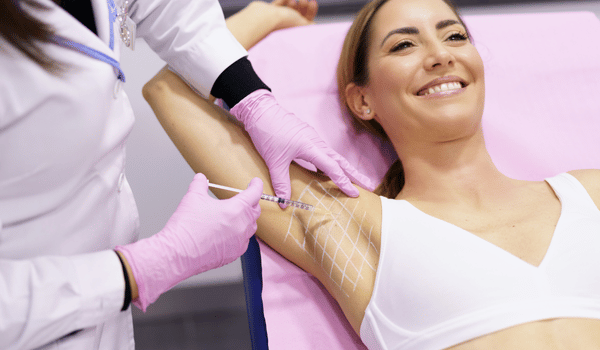
A typical appointment usually takes 20–40 minutes, depending on the treatment area.
Step 1: Consultation
The provider evaluates:
- Sweat pattern
- Medical history
- Treatment goals
- Suitable injection sites
Step 2: Cleansing
The skin is thoroughly cleaned to minimize the risk of infection.
Step 3: Mapping the Treatment Area
For larger areas, the practitioner may mark a grid to ensure even coverage.
Step 4: Injections
Multiple tiny injections are placed just beneath the skin using a very fine needle. Patients often describe the sensation as small pinches.
Discover the difference between Innotox 50 Units and 100 Units in this article to help you understand which is best for you.
Step 5: Aftercare
Patients can usually return to normal daily activities immediately.
When Will You Notice Results and How Long Does Innotox Last for Hyperhidrosis?
Results are gradual rather than immediate. A typical timeline looks like this:
Days 2–4
Sweating may begin to decrease.
Week 1
Noticeable improvement becomes apparent.
Weeks 2–3
Most patients experience maximum sweat reduction.
Several Months
Results are typically maintained before sweating gradually returns and retreatment may be considered.

Although individual experiences vary, many patients enjoy reduced sweating for approximately 4–6 months, and sometimes longer depending on the treatment area, dosage, and personal response. Because the effects are temporary, repeat treatments may be recommended to maintain results.
Benefits of Innotox for Hyperhidrosis
Many patients choose Innotox because it offers several practical advantages:
- Non-surgical treatment
- Minimal downtime
- Quick in-office procedure
- Targets localized sweating
- May improve confidence in social and professional settings
- Can reduce clothing stains and moisture
- Ready-to-use liquid formulation that eliminates reconstitution before use
For people whose quality of life is affected by excessive sweating, these benefits can be meaningful.
Who Is a Good Candidate?
You may be a suitable candidate if you:
- Experience excessive underarm sweating
- Have sweaty palms or feet that interfere with daily activities
- Find prescription antiperspirants ineffective
- Want a non-surgical treatment option
- Are generally healthy
- Have realistic expectations
A consultation with a qualified healthcare provider is essential to determine whether Innotox is appropriate for your specific situation.
Possible Side Effects and Aftercare Tips Following Innotox for Hyperhidrosis Treatment
Most side effects are mild and temporary. They may include:
- Redness
- Mild swelling
- Tenderness
- Small injection marks
- Temporary bruising
When treating the hands, temporary muscle weakness may occur in some individuals. Your provider will discuss potential risks before treatment.
To help optimize recovery:
- Keep the treated area clean.
- Avoid vigorous exercise for the remainder of the day unless advised otherwise.
- Refrain from rubbing or massaging the treated area immediately after injections.
- Follow all aftercare instructions provided by your practitioner.
- Attend follow-up appointments if recommended.
Final Thoughts
Hyperhidrosis is more than simply “sweating too much.” It can influence confidence, comfort, work, and social interactions in ways that are often overlooked. The good news is that effective treatment options are available.
For individuals with focal excessive sweating, Innotox offers a minimally invasive approach that temporarily reduces sweat production by blocking the nerve signals responsible for overactive sweat glands. With a quick treatment session, minimal downtime, and results that can last for several months, it has become an increasingly popular option for patients seeking relief from persistent underarm, hand, foot, or facial sweating.
If excessive sweating is affecting your daily life, consult a qualified medical professional to determine whether Innotox is an appropriate treatment. An individualized assessment can help identify the underlying cause of your symptoms and create a treatment plan tailored to your needs.
Frequently Asked Questions
Is Innotox only used for cosmetic wrinkles?
No. While Innotox is well known for reducing dynamic wrinkles, botulinum toxin can also be used to manage conditions such as focal hyperhidrosis when appropriate.
Will I stop sweating completely?
Not necessarily. The goal is to reduce excessive sweating to a more comfortable, manageable level while allowing normal temperature regulation through other sweat glands.
Is the procedure painful?
Most patients tolerate treatment well. The injections are performed with a fine needle, and topical numbing cream may be used for sensitive areas such as the palms or soles.
Can excessive sweating come back?
Yes. Because botulinum toxin provides temporary effects, nerve signaling gradually returns over time. Repeat treatment may be recommended to maintain results.
Can I return to work afterward?
In most cases, yes. There is little to no downtime, and many patients resume normal daily activities immediately after the appointment.
Add a Comment