
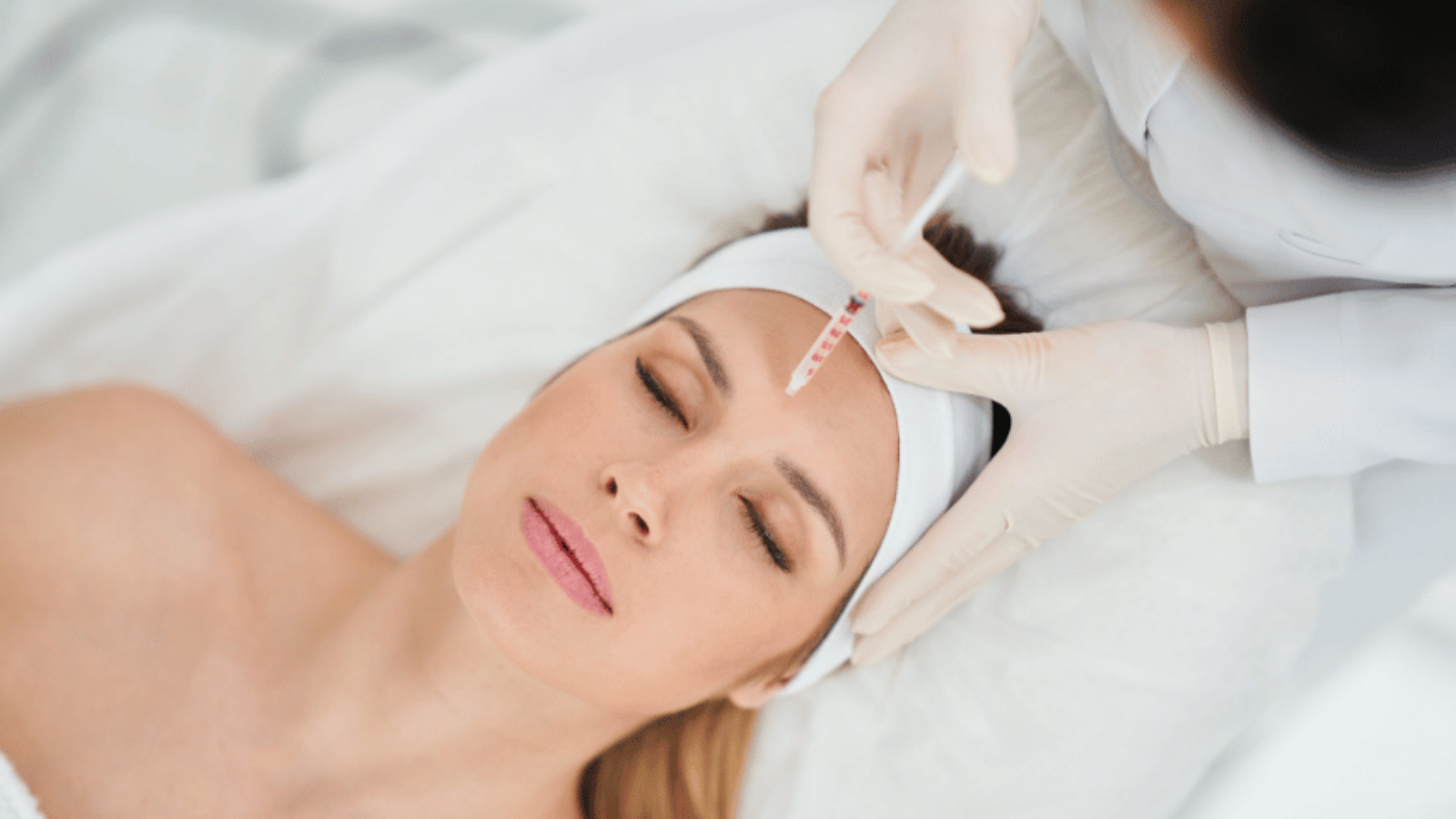
Botox Trends 2026: Top Aesthetic Innovations, Treatment Styles, and What Patients Can Expect
Botox has remained one of the world’s most popular non-surgical cosmetic procedures for decades, but the way patients and practitioners approach treatment continues to evolve. In 2026, the emphasis is no longer on achieving a perfectly frozen forehead or dramatic transformations. Instead, modern Botox treatments focus on natural movement, preventive care, personalization, and overall facial harmony.
Social media, improved injection techniques, and growing public awareness have changed patient expectations. More people—from individuals in their twenties seeking prevention to mature patients looking for subtle rejuvenation—are embracing Botox as part of a comprehensive skincare and wellness strategy. Even men who often have misconceptions that skincare and aesthetic treatments are only limited to women are now open to and embrace it.
Whether you’re considering your first treatment or are curious about where the industry is headed, here are the biggest Botox trends shaping aesthetic medicine in 2026.
1. Natural-Looking Results Continue to Dominate
One of the strongest trends in 2026 is the move away from overdone appearances. Patients increasingly request refreshed, well-rested looks rather than completely eliminating facial movement. Experienced injectors now prioritize preserving natural expressions while softening dynamic wrinkles. This approach often involves:
- Conservative dosing
- Strategic placement
- Customized treatment plans
- Gradual enhancements over time
The goal is for friends and family to notice that someone looks healthier or younger without immediately identifying that Botox was involved.
2. Preventive Botox Becomes Mainstream
Preventive Botox has steadily gained popularity and is expected to remain a leading trend throughout 2026. Rather than waiting for deep wrinkles to form, younger adults choose low-dose treatments to minimize repetitive muscle movements that contribute to expression lines. Common preventive treatment areas include:
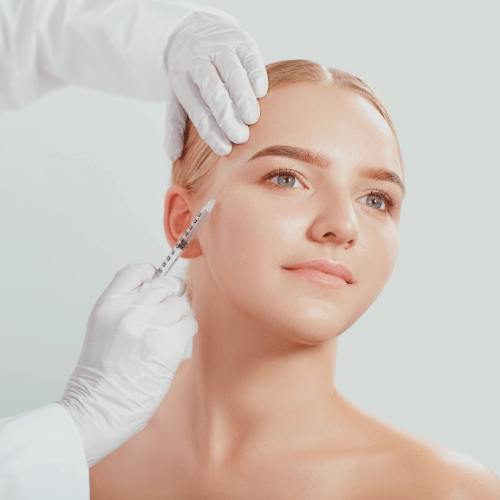
- Forehead lines
- Glabellar “11” lines
- Crow’s feet
- Bunny lines on the nose
While preventive Botox isn’t necessary for everyone, many patients view it as part of a proactive anti-aging regimen similar to wearing sunscreen or using retinoids.
3. Micro-Botox Gains Even More Attention
Micro-Botox involves administering highly diluted or tiny doses of botulinum toxin into superficial facial muscles or the skin itself. Instead of immobilizing muscles, this technique may help:
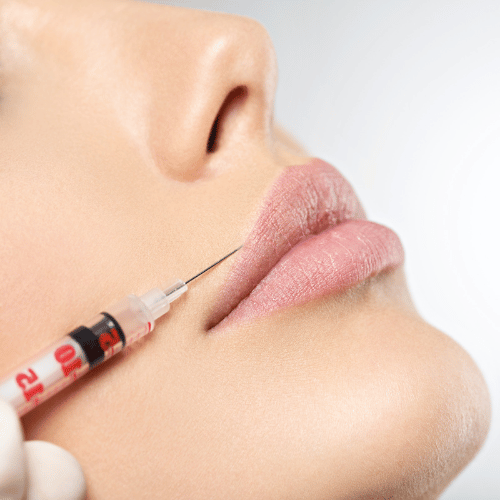
- Refine skin texture
- Minimize pore appearance
- Reduce excess oil production
- Create smoother-looking skin
- Maintain subtle facial movement
Because the treatment focuses on refinement rather than dramatic muscle relaxation, it’s particularly attractive to younger patients and those seeking a polished but natural appearance.
4. Personalized Treatment Plans Replace One-Size-Fits-All Approaches
The era of standardized Botox dosing is fading. Modern practitioners increasingly tailor injections based on each patient’s:

- Facial anatomy
- Muscle strength
- Age
- Gender
- Ethnicity
- Lifestyle
- Cosmetic goals
- Previous treatment response
This personalized approach often produces more balanced outcomes while reducing the risk of unnatural stiffness or asymmetry.
5. Combination Treatments Become the New Standard
Rather than relying solely on Botox, clinics increasingly combine treatments to address multiple aspects of facial aging. Popular combinations include:
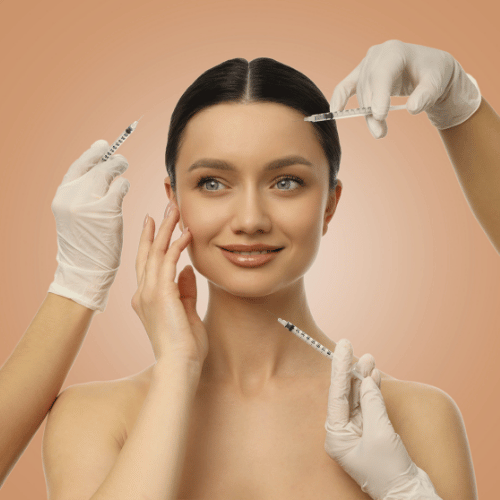
- Botox with hyaluronic acid fillers
- Botox with skin boosters
- Botox with collagen-stimulating injectables
- Botox with laser resurfacing
- Botox with microneedling
- Botox with radiofrequency treatments
- Botox with medical-grade skincare
These multimodal approaches target wrinkles, skin quality, pigmentation, hydration, and volume loss simultaneously, often producing more comprehensive rejuvenation.
6. Men Continue Driving Growth in Botox Treatments
The demand for Botox among men continues to rise in 2026. Many male patients seek treatments to maintain a competitive professional appearance or simply look less tired without appearing cosmetic.
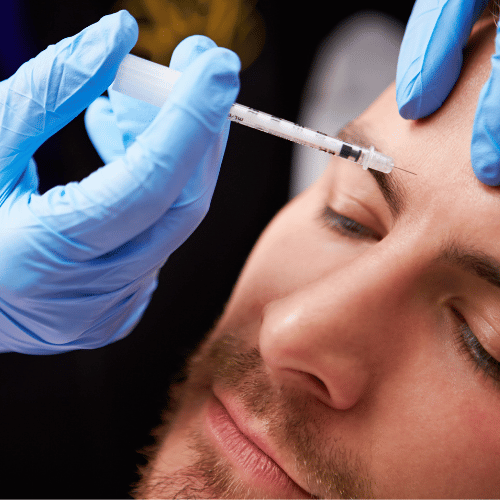
Common treatment goals include:
- Softening forehead lines
- Reducing frown lines
- Improving crow’s feet
- Achieving a more approachable expression
- Preventing deeper wrinkles
Practitioners typically adapt injection patterns and dosing to preserve masculine facial characteristics while creating refreshed results.
7. Baby Botox Appeals to First-Time Patients
“Baby Botox” remains especially popular among younger adults and first-time patients. The concept involves using smaller quantities of neurotoxin than traditional treatments to produce subtle improvements while maintaining facial mobility.
Benefits may include:
- Softer expressions
- Lower risk of appearing overtreated
- Easier adjustment for new patients
- Incremental enhancement
- High patient satisfaction when natural results are prioritized
Baby Botox also aligns with current aesthetic preferences, emphasizing authenticity over dramatic change.
8. Full-Face Assessment Improves Overall Balance
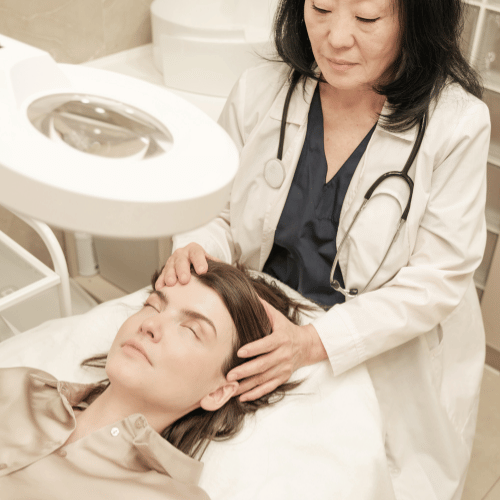
Instead of treating isolated wrinkles, practitioners increasingly evaluate the face as a whole. This holistic philosophy considers how muscles interact across different regions and may involve treatment of areas such as:
- Forehead
- Glabella
- Crow’s feet
- Chin dimpling
- Jawline
- Platysmal neck bands
- Brow positioning
By considering facial balance rather than individual lines alone, injectors can often produce more harmonious and youthful outcomes.
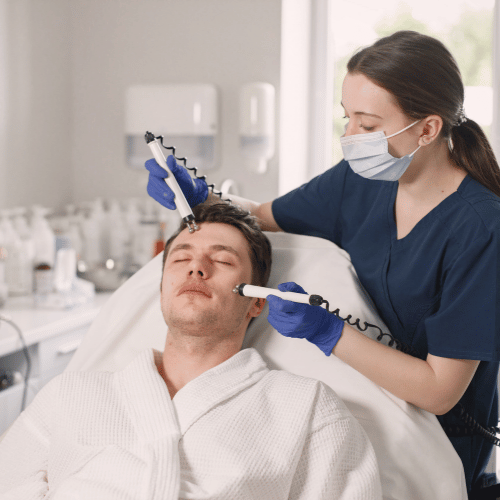
9. Patients Prioritize Skin Quality Alongside Wrinkle Reduction
Consumers are becoming increasingly educated about skin health, leading to greater interest in treatments that complement Botox. Many patients now combine wrinkle prevention with therapies aimed at improving:
- Hydration
- Elasticity
- Collagen production
- Skin texture
- Pigmentation
- Radiance
The result is a more comprehensive rejuvenation strategy that addresses both muscle movement and overall skin appearance.
10. Digital Consultations and AI-Assisted Planning Expand
Technology is playing a growing role in aesthetic medicine. Many clinics now use advanced imaging systems during consultations to evaluate facial movement and simulate treatment outcomes. These tools can help:

- Document baseline appearance
- Track progress over time
- Facilitate patient education
- Support personalized treatment planning
- Improve communication between patient and provider
While AI-assisted analysis is becoming more common, clinical expertise and individualized assessment remain essential for safe and effective care.
11. Longer-Term Treatment Planning Gains Popularity
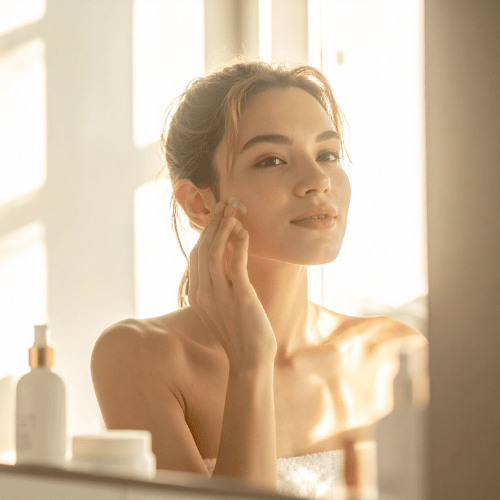
Patients increasingly view Botox as an ongoing maintenance treatment rather than a one-time procedure. Instead of waiting until results completely wear off, many work with providers to establish individualized treatment schedules based on:
- Muscle activity
- Metabolism
- Lifestyle
- Desired outcomes
- Budget
This approach can help maintain consistent results and avoid large fluctuations in appearance.
12. Neck and Lower Face Treatments Receive More Attention
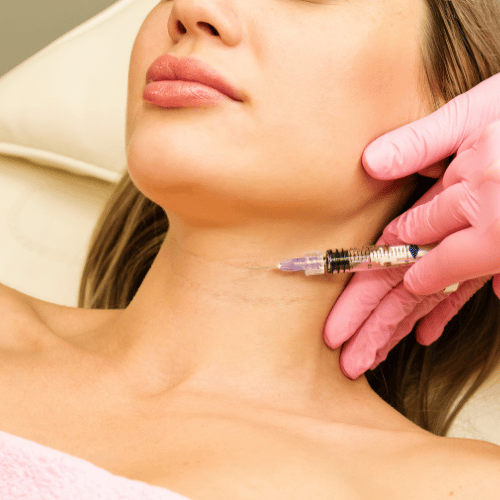
Although forehead injections remain highly requested, interest in lower-face applications continues to expand. Qualified practitioners may use botulinum toxin to address concerns such as:
- Downturned mouth corners
- Pebbled chin texture
- Prominent neck bands
- Jawline slimming in select patients
- Excessive jaw muscle activity associated with teeth grinding
As with all Botox treatments, proper patient selection and anatomical knowledge are crucial for optimal outcomes.
13. Social Acceptance Continues to Increase
Cosmetic injectables have become far more mainstream than they were a decade ago. Celebrities, influencers, healthcare professionals, and everyday patients openly discuss their treatments, reducing stigma and encouraging transparency. Many people now view Botox similarly to professional skincare or routine cosmetic maintenance. This normalization has also led patients to seek qualified medical providers and evidence-based information rather than unrealistic beauty standards.

14. Safety and Education Take Center Stage

As demand grows, patients are placing greater importance on provider qualifications and treatment safety. Responsible clinics emphasize thorough consultations, medical history reviews, realistic expectations, proper injection techniques, sterile procedures, follow-up care, and transparent discussions of risks and benefits. Patients are also becoming more aware that authentic products administered by trained professionals contribute significantly to treatment quality and safety.
15. Customized Aesthetic Goals Reflect Individual Beauty
Perhaps the defining Botox trend of 2026 is the rejection of cookie-cutter beauty ideals. Instead of requesting identical celebrity-inspired looks, patients increasingly seek treatments tailored to their own facial anatomy and preferences. Some prioritize wrinkle prevention, while others want subtle lifting, improved symmetry, or a more refreshed appearance. This individualized philosophy encourages providers to collaborate closely with patients and develop treatment plans that enhance existing features rather than change them dramatically.
Choosing Botox in 2026: What Patients Should Know
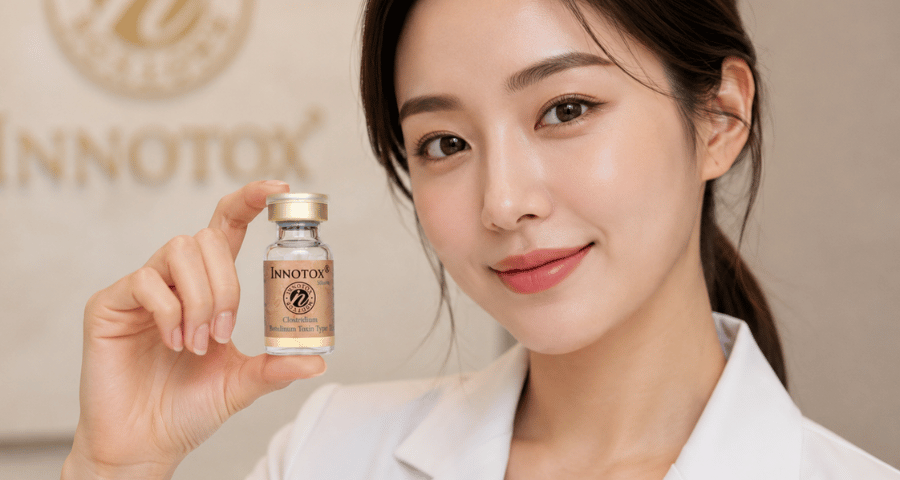
If you’re thinking about getting Botox in 2026, it’s important to approach the treatment with realistic expectations and a well-informed mindset. While Botox is one of the most widely performed cosmetic procedures in the world, achieving great results depends not only on the product itself but also on the skill of the injector and the overall treatment plan.
Choose a qualified and experienced medical professional. The expertise of your provider plays a significant role in the outcome of your treatment. An experienced injector understands facial anatomy, muscle movement, and proper dosing techniques, helping ensure that your results look balanced and natural rather than stiff or overdone. Don’t hesitate to ask about their training, experience, and before-and-after photos of previous patients.
Be honest about your goals during your consultation. Everyone has different reasons for considering Botox. Some people want to soften forehead lines, while others are interested in preventing wrinkles or achieving a more refreshed appearance. Clearly communicating your expectations allows your provider to develop a personalized treatment plan that aligns with your facial features and desired results.
Ask about customized dosing instead of expecting a standard treatment. There is no one-size-fits-all approach to Botox. Factors such as your age, muscle strength, facial anatomy, and aesthetic goals all influence how much product may be appropriate. A tailored treatment plan often produces more natural-looking and satisfying results than simply using a fixed number of units.
Remember that subtle changes can have the biggest impact. One of the defining Botox trends in 2026 is the preference for understated enhancements. Rather than freezing facial expressions completely, many patients choose treatments that soften wrinkles while preserving natural movement. This approach often leaves people looking well-rested and refreshed without making it obvious they’ve had cosmetic work done.
Follow your provider’s aftercare instructions carefully. Although Botox requires little downtime, following post-treatment recommendations can help support the best possible outcome. Your provider may advise avoiding strenuous exercise, excessive rubbing of the treated area, or lying down for a short period after your appointment. Adhering to these guidelines can contribute to a smoother recovery and more predictable results.
Maintain healthy skincare and lifestyle habits. Botox works by relaxing targeted muscles, but it doesn’t replace a good skincare routine or healthy daily habits. Wearing sunscreen, staying hydrated, using quality skincare products, getting enough sleep, eating a balanced diet, and avoiding excessive sun exposure can all help preserve your skin’s appearance and complement your Botox treatments.
Finally, it’s worth remembering that Botox is just one part of a comprehensive approach to facial rejuvenation. The best results often come from combining injectable treatments with consistent skincare, healthy lifestyle choices, and, when appropriate, complementary procedures that improve skin texture, hydration, and overall skin quality. By taking a long-term, personalized approach, patients can achieve results that look natural, balanced, and reflective of their own unique beauty.
Final Thoughts on the 2026 Botox Trends
The Botox landscape in 2026 reflects a broader shift in aesthetic medicine toward personalization, prevention, and natural-looking enhancement. From Baby Botox and micro-Botox to combination therapies and comprehensive facial assessments, today’s treatments prioritize balance over dramatic change.
As techniques continue to evolve, patients have more opportunities than ever to achieve refreshed, confident results that complement their unique features. By choosing qualified providers and maintaining realistic expectations, Botox can remain a valuable tool in a modern, individualized approach to aesthetic care.
“The best Botox treatment isn’t the one that changes your face—it’s the one that helps you look naturally refreshed while still looking like yourself.”
Add a Comment