image

Baby Botox vs. Full-Dose Botox: Key Differences

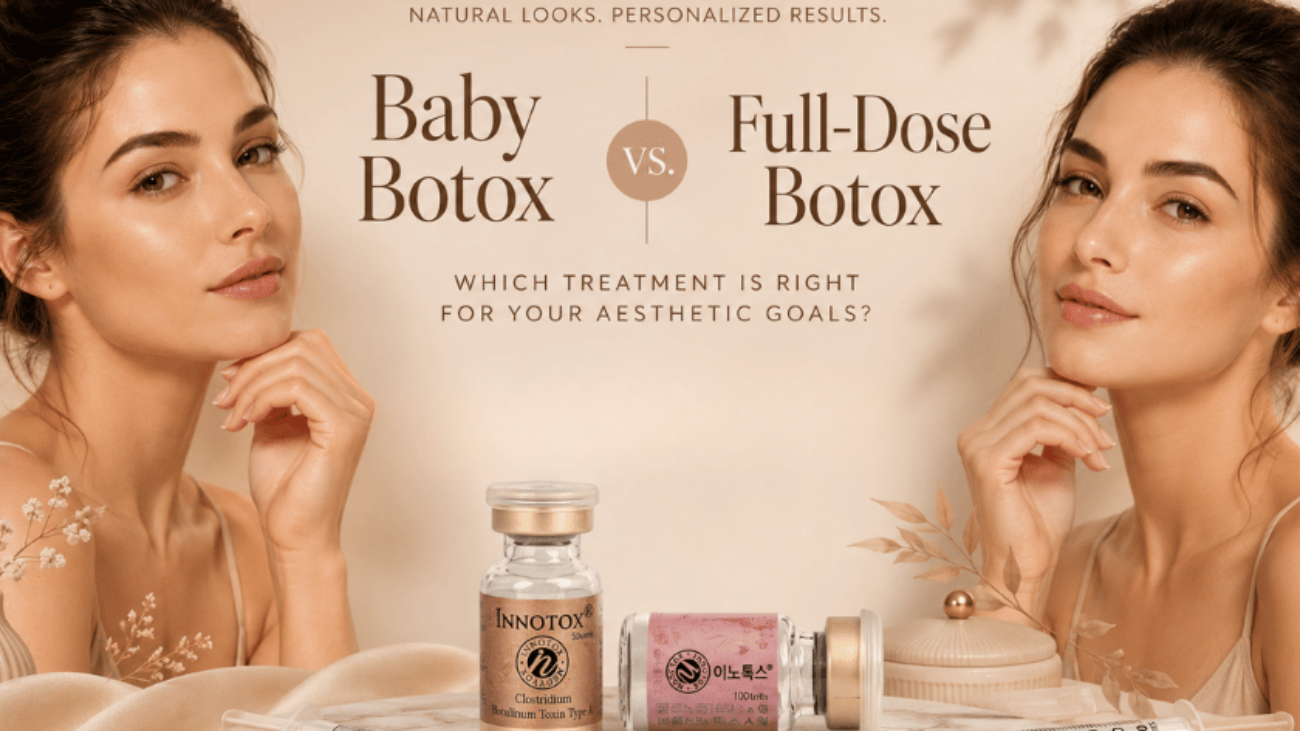
Baby Botox vs. Full-Dose Botox: Which Treatment Is Right for Your Aesthetic Goals? 

When most people think about Botox treatments, they often imagine dramatic wrinkle reduction or perfectly smooth foreheads. However, modern aesthetic medicine has shifted toward a more personalized philosophy. Instead of using the same treatment plan for everyone, practitioners now tailor botulinum toxin injections according to facial anatomy, muscle strength, age, and cosmetic goals.

This personalized approach has led to the growing popularity of Baby Botox, a technique that uses smaller amounts of botulinum toxin to create subtle, natural-looking improvements. Meanwhile, full-dose Botox remains the preferred option for individuals seeking more noticeable wrinkle reduction or stronger muscle relaxation.

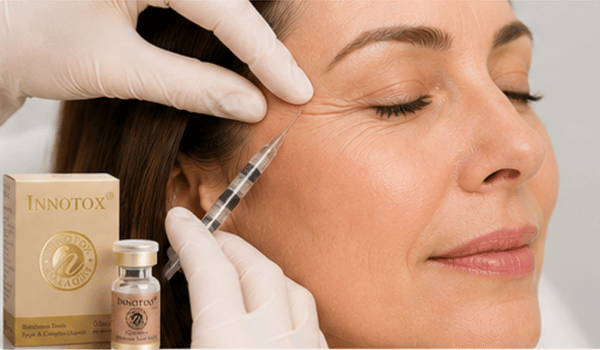
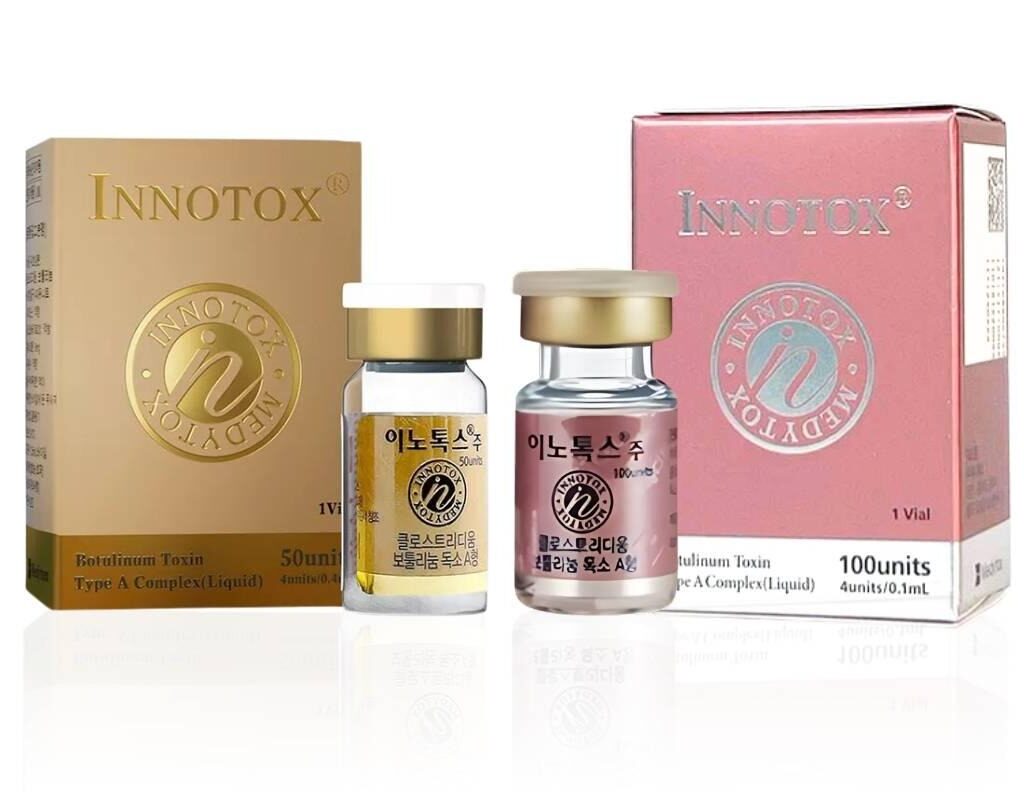
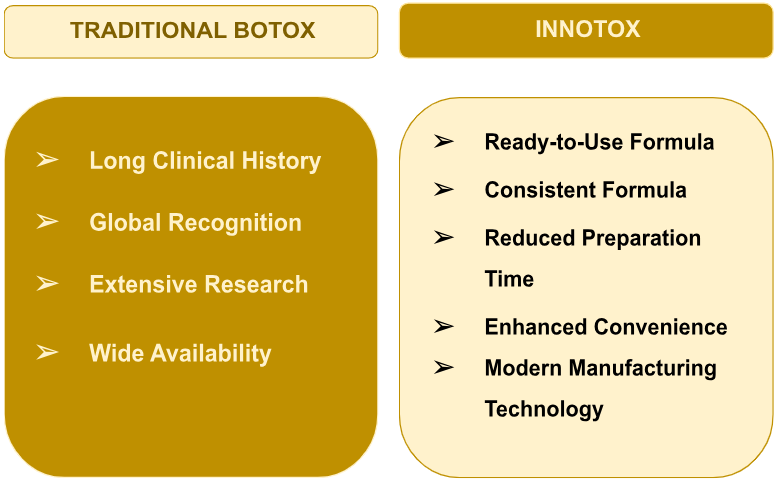
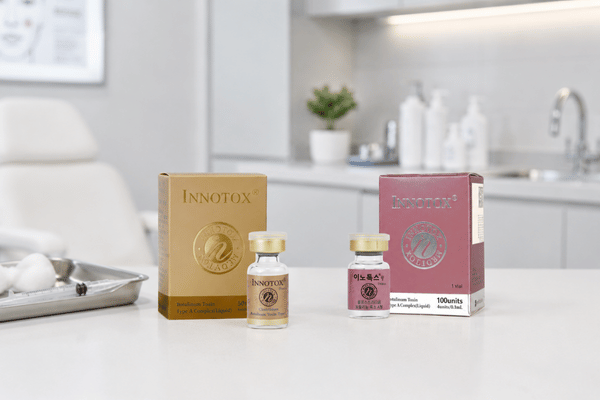
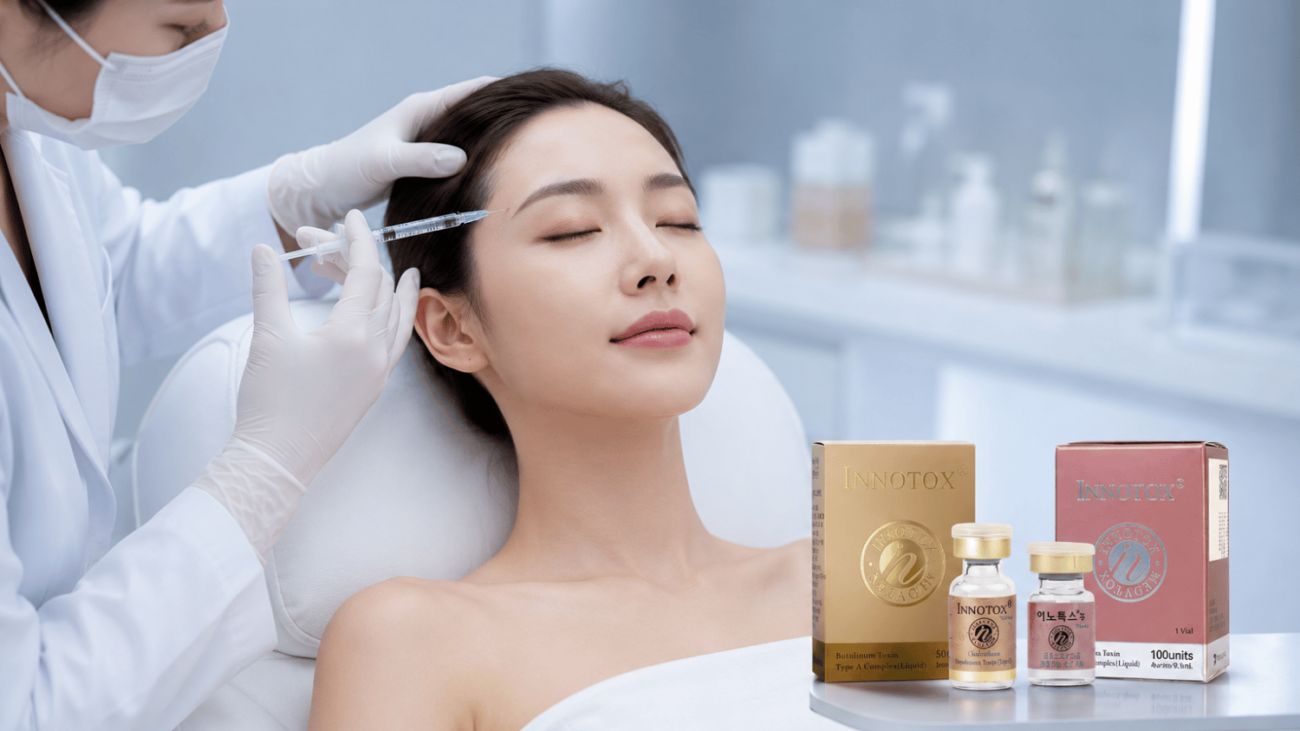
With products like Innotox, the world’s first commercially available liquid botulinum toxin formulation, practitioners can customize treatments with exceptional precision, making both Baby Botox and traditional full-dose treatments excellent options depending on the patient’s needs.

But how do these two approaches actually compare?

Let’s explore everything you should know before deciding which treatment may be best for your aesthetic goals.

Understanding Botox Treatments
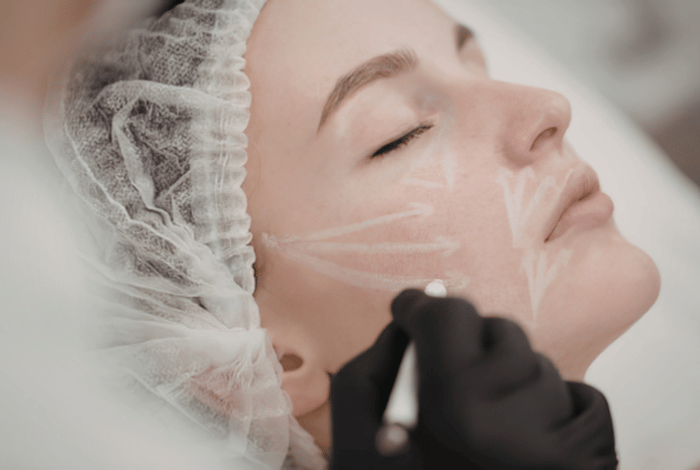
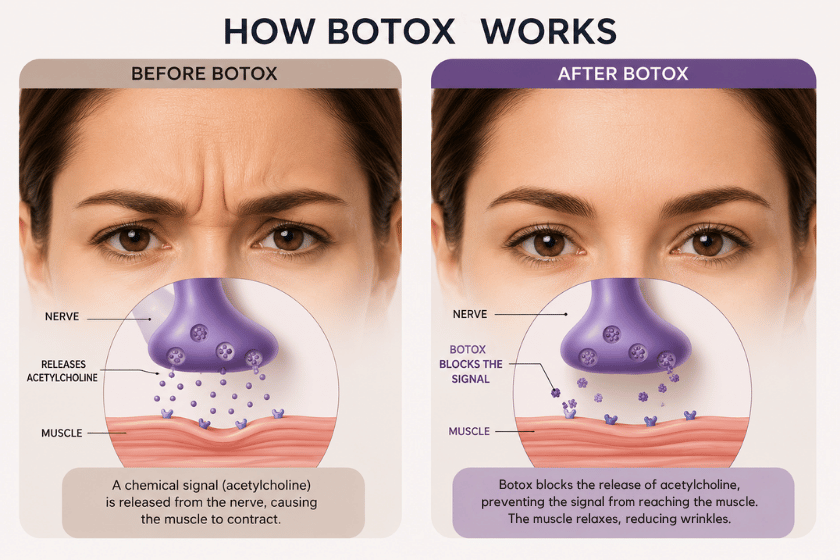
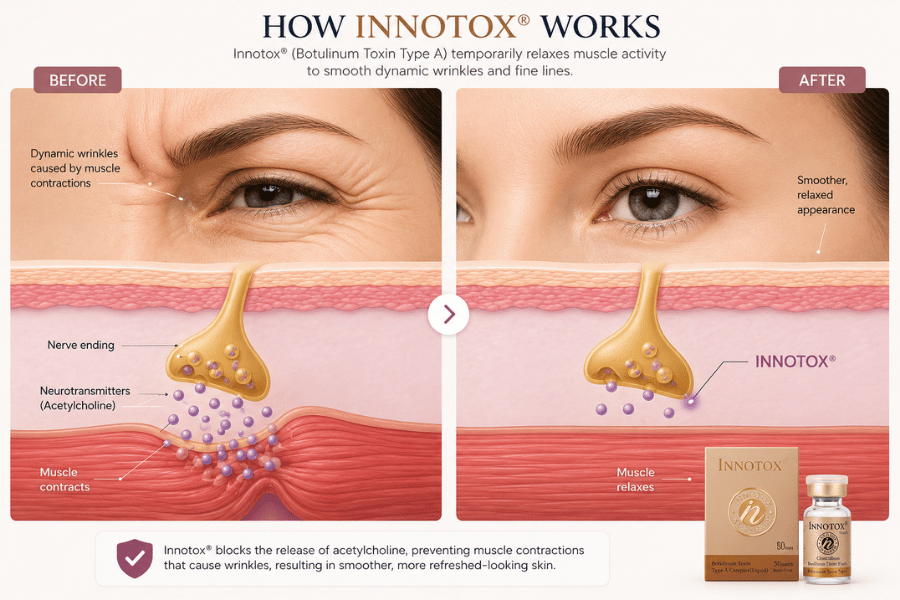
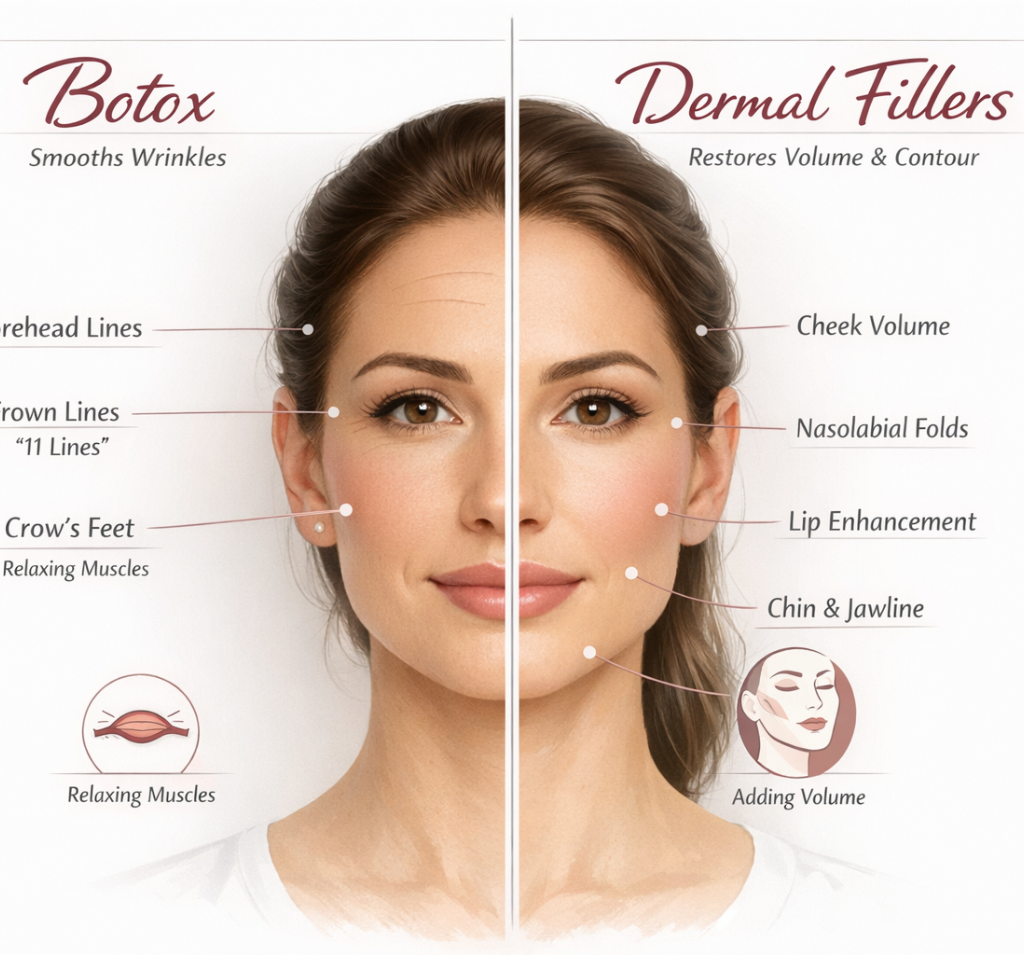
Botulinum toxin works by temporarily reducing communication between nerves and targeted facial muscles. As these muscles relax, repetitive facial movements become less intense, allowing dynamic wrinkles to soften over time.

Treatment commonly targets areas such as the following:

  • Forehead lines
  • Frown lines (glabellar lines)
  • Crow’s feet
  • Bunny lines
  • Chin dimpling
  • Neck bands
  • Lip flip
  • Jawline slimming
  • Hyperhidrosis (excessive sweating)

Although the medication remains the same, the amount injected can significantly influence the final appearance.

This is where Baby Botox and full-dose Botox differ.

What Is Baby Botox?

Baby Botox refers to a treatment approach that uses smaller doses of botulinum toxin than traditional protocols. Rather than completely relaxing facial muscles, Baby Botox aims to soften their activity while preserving natural movement and facial expressions.

Instead of creating a completely smooth forehead, for example, Baby Botox allows subtle movement while minimizing wrinkle formation. The goal isn’t to eliminate every line.

It’s to create a refreshed appearance that often leaves people saying, “You look well-rested,” and not, “Did you get Botox?” This subtle enhancement has become especially popular among younger adults and first-time patients.

What Is Full-Dose Botox?

Full-dose Botox follows more traditional dosing recommendations. Here, practitioners use standard or higher unit amounts based on:

  • Muscle strength
  • Wrinkle severity
  • Facial anatomy
  • Desired longevity
  • Cosmetic goals

The objective is greater muscle relaxation, leading to more dramatic wrinkle reduction and smoother skin. This option is commonly selected by patients with:

  • Moderate to severe expression lines
  • Strong forehead muscles
  • Deep frown lines
  • Advanced signs of facial aging

Full-dose treatments typically provide stronger wrinkle correction while lasting slightly longer than lower-dose approaches.

Baby Botox vs. Full-Dose Botox: Key Differences

FeatureBaby BotoxFull-Dose Botox
DoseLower than standardStandard or higher
AppearanceVery naturalMore dramatic smoothing
Facial movementMostly preservedMore muscle relaxation
Wrinkle reductionMild to moderateModerate to significant
Ideal forPrevention, subtle enhancementEstablished wrinkles
First-time patientsExcellentAlso appropriate depending on goals
LongevityOften slightly shorterUsually longer-lasting
Touch-upsMay require more frequent maintenanceTypically fewer touch-ups

Neither option is inherently better. The ideal choice depends on your skin, facial muscles, and treatment goals.

The beauty industry has increasingly embraced natural-looking enhancements. Instead of dramatically changing facial features, many patients now prefer subtle improvements that maintain facial personality. Baby Botox fits perfectly within this trend.

Some of its most appealing advantages include the following:

Natural Facial Expressions

One of the biggest misconceptions surrounding Botox is the fear of looking “frozen.” Baby Botox minimizes this concern by allowing muscles to retain much of their normal movement. You can still smile, laugh, and express emotions naturally.

Preventive Wrinkle Care

Many younger adults in their 20s and early 30s are turning to Baby Botox as a preventive strategy. Repeated facial movements eventually contribute to wrinkle formation. Reducing muscle activity early may help delay the development of deeper expression lines over time.

Softer Overall Appearance

Rather than producing perfectly smooth skin, Baby Botox creates a refreshed appearance that looks less obvious. Friends may notice you look healthier or more rested without realizing you’ve had an aesthetic treatment.

Lower Initial Commitment

For patients who feel nervous about injectable treatments, Baby Botox offers an excellent introduction. Since lower doses are used, many first-time patients appreciate the subtle nature of the results before deciding whether they’d like additional treatment later.

Benefits of Full-Dose Botox
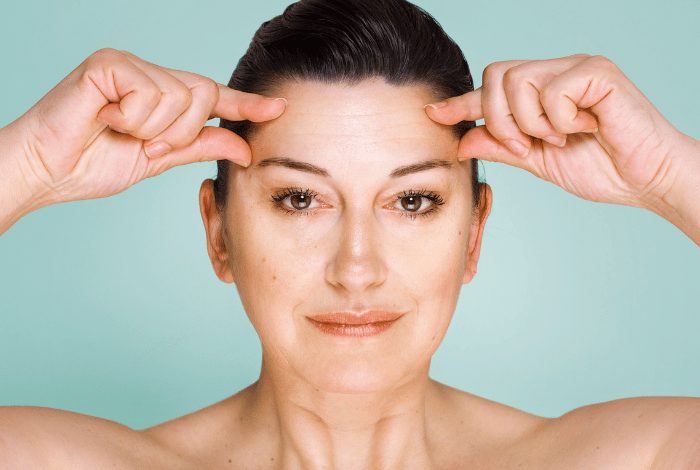
While Baby Botox receives significant attention, traditional full-dose treatments continue to be extremely popular for good reason.

  1. More Noticeable Wrinkle Reduction

Patients with moderate or severe wrinkles often require stronger muscle relaxation to achieve meaningful improvement. Full-dose Botox typically provides more dramatic smoothing.

  1. Longer Duration

Although individual results vary, larger doses generally remain effective slightly longer because greater muscle relaxation occurs. Many patients maintain results for approximately three to four months before retreatment.

  1. Better for Strong Facial Muscles

Some individuals naturally have stronger forehead or glabellar muscles. In these cases, Baby Botox may not produce sufficient relaxation, making full-dose treatment the more effective option.

  1. Greater Treatment Efficiency

Patients seeking maximum wrinkle reduction often achieve their desired results with fewer follow-up adjustments when full-dose protocols are appropriately selected.

Where Innotox Fits Into Both Treatment Styles
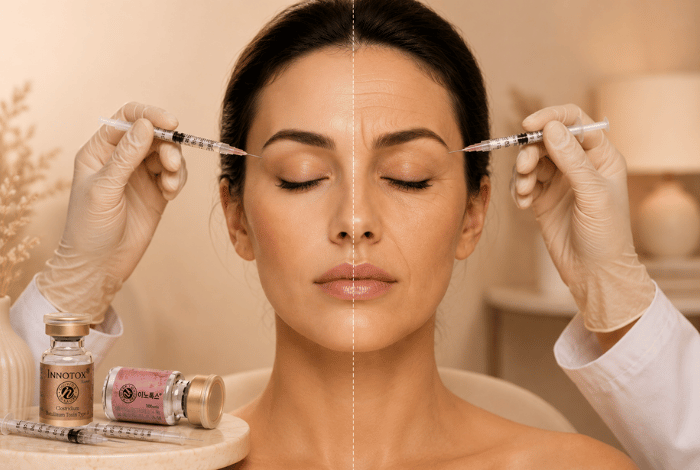
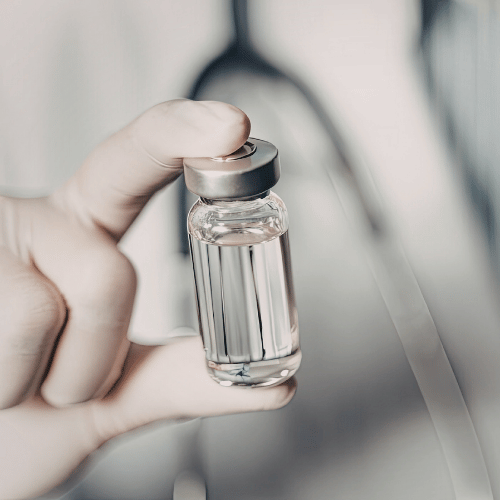
One reason Innotox has gained worldwide attention is its ready-to-use liquid formulation. Unlike traditional botulinum toxin products that require reconstitution before injection, Innotox arrives in liquid form, eliminating an extra preparation step.

For practitioners, this offers several potential advantages during customized treatments. Whether performing Baby Botox or full-dose injections, Innotox allows precise dosing tailored to each patient’s facial anatomy and aesthetic goals.

Because every treatment plan can be individualized, practitioners can carefully adjust injection amounts across different facial areas rather than following a one-size-fits-all approach. This flexibility supports today’s growing emphasis on personalized aesthetic care.

Which Areas Respond Well to Baby Botox, and Who Are the Ideal Candidates?
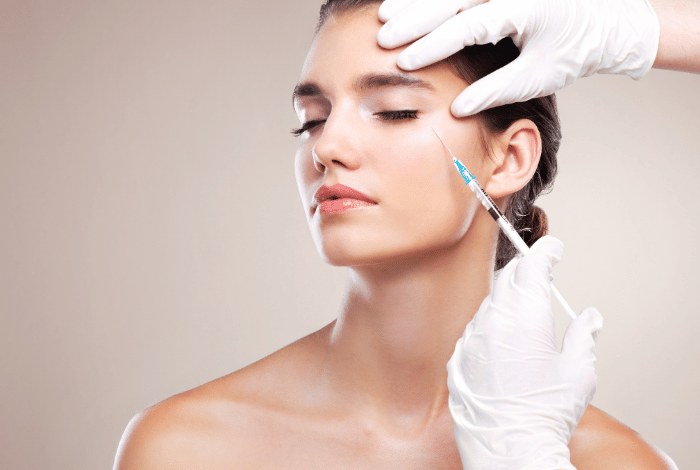
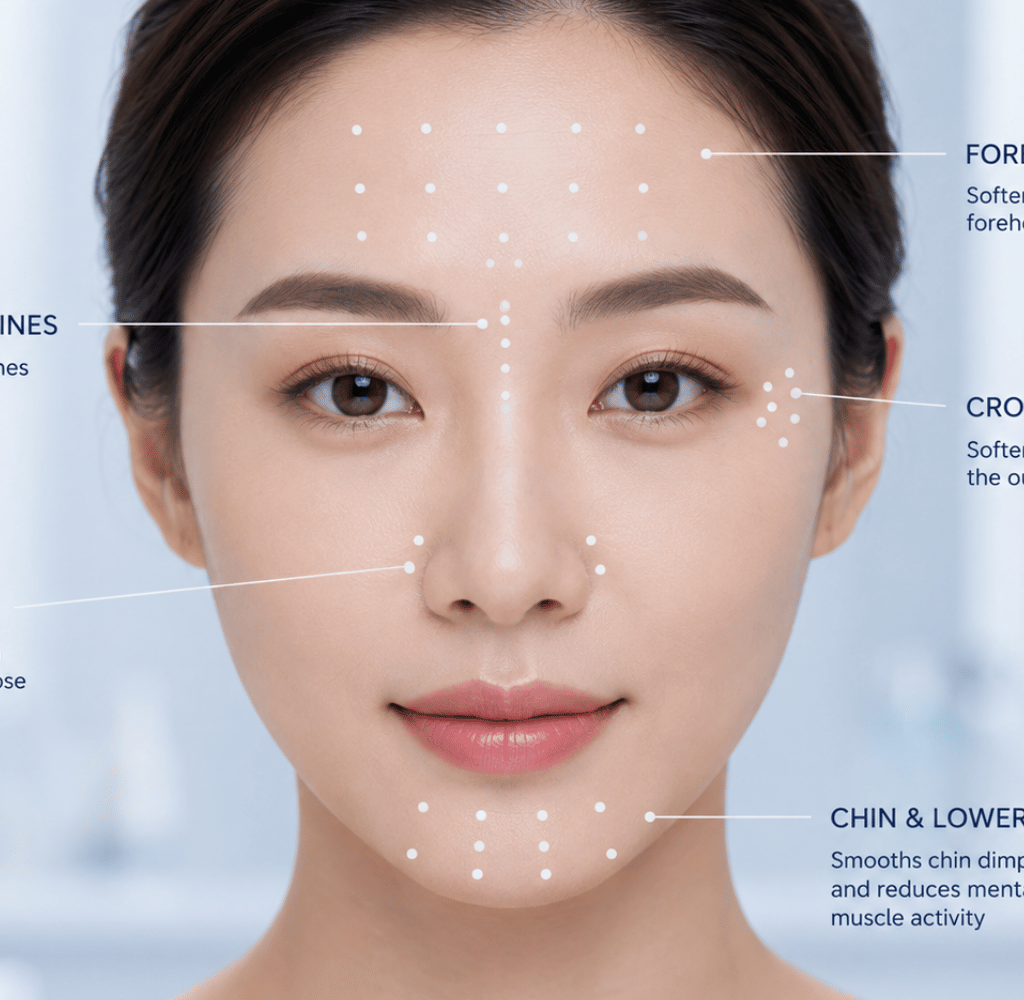
Baby Botox is commonly used in areas where subtle movement is desirable. Popular treatment areas include:

  1. Forehead—Softens horizontal forehead lines while maintaining natural expression.
  2. Crow’s Feet—Reduces fine lines around the eyes without affecting natural smiling.
  3. Glabellar Lines—Minimizes frown lines while preserving facial expressiveness.
  4. Lip Flip—Small doses relax the upper lip to create a subtle enhancement.
  5. Bunny Lines—Smooths wrinkles along the sides of the nose with minimal muscle relaxation.

Baby Botox may be appropriate for individuals who:

  • Are in their 20s or early 30s
  • Have mild expression lines
  • Want preventive wrinkle management
  • Prefer subtle improvements
  • Are trying Botox for the first time
  • Wish to maintain natural facial movement
  • Work in professions requiring expressive facial communication

When Is Full-Dose Botox the Better Choice and Who Can Benefit More?
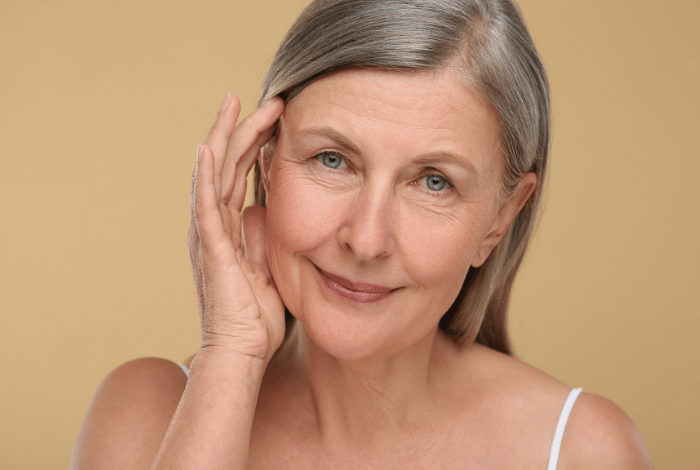
Full-dose treatment may be recommended when patients have:

  • Deep forehead creases
  • Prominent frown lines
  • Strong facial muscles
  • Significant crow’s feet
  • Long-standing dynamic wrinkles
  • Previous Botox experience with higher-dose preferences

Your practitioner will evaluate muscle activity before determining appropriate dosing.

Traditional dosing often works best for patients who:

  • Have moderate to severe wrinkles
  • Want stronger wrinkle correction
  • Have highly active facial muscles
  • Have previously received Botox treatments
  • Prefer smoother skin with less muscle movement
  • Desire longer-lasting improvements

Does Baby Botox Last as Long?

Not always. Since smaller amounts of botulinum toxin are used, muscle activity often returns slightly sooner than with traditional dosing.

Many patients experience results lasting approximately

  • Baby Botox: around 2–3 months
  • Full-Dose Botox: around 3–4 months

However, longevity varies depending on factors such as

  • Individual metabolism
  • Muscle strength
  • Lifestyle
  • Exercise habits
  • Treatment area
  • Injection technique

Regular maintenance appointments can help preserve consistent results regardless of the dosing strategy.

Can You Start with Baby Botox and Increase Later?

Absolutely! Many experienced practitioners recommend beginning conservatively.

Starting with Baby Botox allows patients to observe how their muscles respond before deciding whether additional units are needed. If stronger wrinkle reduction is desired, future treatments can be adjusted accordingly. This gradual approach often leads to higher patient satisfaction because treatments remain personalized rather than overly aggressive.

Common Myths About Baby Botox

Myth 1: Baby Botox Doesn’t Work

It does—it simply produces subtler results. The goal is gentle muscle relaxation rather than complete immobilization.

Myth 2: It’s Only for Younger Patients

Although often chosen by younger adults, older individuals with mild lines or a preference for natural movement can also benefit.

Myth 3: Full-Dose Botox Always Looks Frozen

Not necessarily. When administered by an experienced injector, full-dose treatments can still look balanced and natural while effectively softening wrinkles.

Myth 4: More Botox Is Always Better

Higher doses aren’t automatically superior. The ideal treatment is the one that matches your facial anatomy, muscle strength, and aesthetic goals.

Choosing the Right Approach: Questions to Ask Yourself

Before treatment, consider the following:

  • Do you want subtle or dramatic wrinkle reduction?
  • Are you treating early lines or established wrinkles?
  • Is maintaining facial movement important to you?
  • Are you trying Botox for the first time?
  • Would you prefer longer-lasting results or a more conservative starting point?
  • Are there specific facial areas you want to target?

Discussing these questions during your consultation helps your provider design the most suitable treatment plan.

What to Expect During Your Consultation
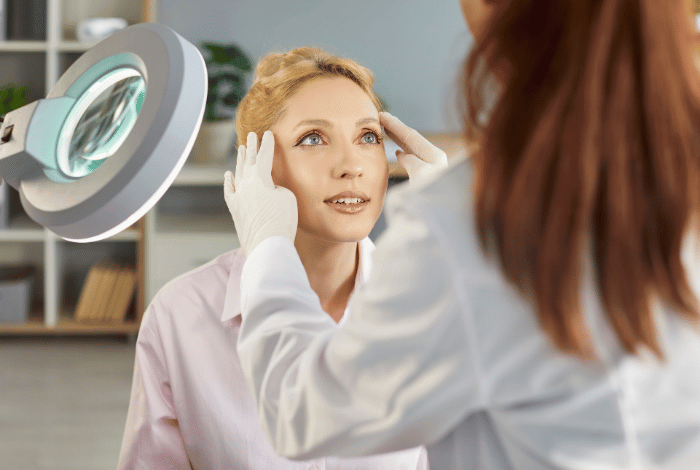
A personalized consultation is one of the most important parts of any botulinum toxin treatment. Rather than deciding between Baby Botox or full-dose Botox based on trends alone, your practitioner will evaluate several factors, including:

  • Facial anatomy
  • Muscle strength and movement
  • Existing wrinkles
  • Skin quality
  • Previous injectable treatments
  • Desired outcome
  • Lifestyle and expectations

This assessment helps determine not only the appropriate dose but also the placement of injections for balanced, natural-looking results.

Final Thoughts on Which Is Better: Baby Botox vs. Full-Dose Botox

The choice between Baby Botox and full-dose Botox isn’t about which option is better—it’s about which one better aligns with your unique goals. Baby Botox offers subtle enhancement, natural facial movement, and an excellent entry point for preventive treatments. Full-dose Botox, on the other hand, provides more noticeable wrinkle reduction and longer-lasting muscle relaxation for individuals with stronger facial muscles or more established signs of aging.

With advanced products like Innotox, practitioners have the flexibility to customize treatments with precision, whether using a lighter approach or a traditional dosing protocol. Because every face is different, the best results come from a personalized treatment plan developed by a qualified medical professional.

Ultimately, the most successful aesthetic outcomes are those that enhance your natural features while preserving your individuality—helping you look refreshed, confident, and authentically yourself.

Frequently Asked Questions (FAQs)

Is Baby Botox the same product as regular Botox?

Yes. The difference lies in the amount injected, not the botulinum toxin itself. Baby Botox simply uses lower doses to create subtler results.

Can Innotox be used for Baby Botox?

Yes. Innotox’s ready-to-use liquid formulation allows practitioners to tailor dosing precisely, making it suitable for both Baby Botox and traditional full-dose treatment plans.

Does Baby Botox prevent wrinkles?

Baby Botox may help reduce repetitive muscle movement that contributes to dynamic wrinkle formation. While it cannot stop the aging process, it is commonly used as part of a preventive aesthetic strategy.

Which lasts longer: Baby Botox or full-dose Botox?

In general, full-dose Botox tends to last slightly longer because greater muscle relaxation is achieved. Individual results vary based on metabolism, muscle activity, treatment area, and other factors.

Can I switch from Baby Botox to full-dose Botox later?

Yes. Many patients begin with Baby Botox to see how they respond and later transition to a traditional dosing approach if they want more noticeable wrinkle reduction or longer-lasting results.

Is Baby Botox better for first-time patients?

For many first-time patients, Baby Botox offers a gentle introduction to injectable wrinkle treatments. However, the best option depends on your facial anatomy, muscle strength, and desired outcome, which should be assessed during a professional consultation.
image

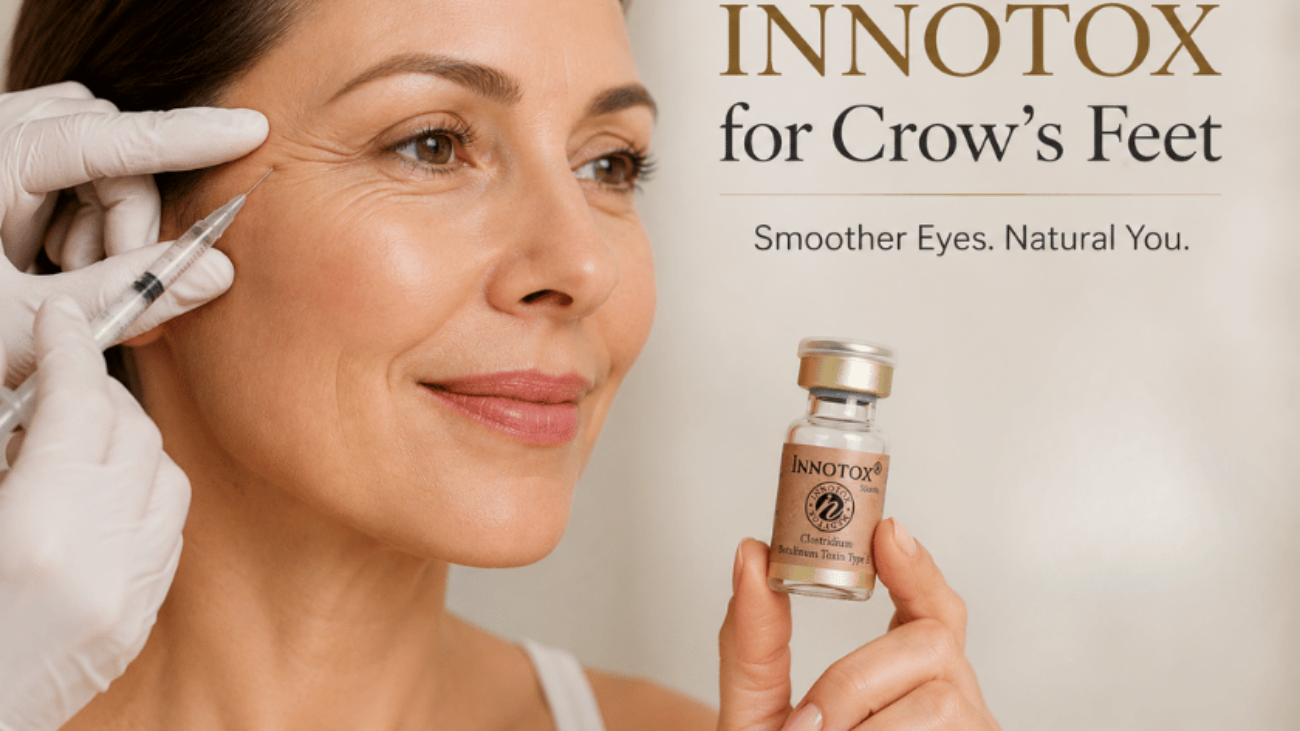
Innotox for Crow’s Feet: Results, Cost & Aftercare

Innotox for Crow’s Feet: Everything You Need to Know About Smoother Eyes and Natural-Looking Results 

The eyes are often the first feature people notice—and unfortunately, they’re also among the first places where visible signs of aging begin to appear. Fine lines that initially show only when smiling can gradually become permanent wrinkles, commonly known as crow’s feet. While these lines are a natural part of aging, many people seek ways to soften their appearance without sacrificing natural facial expressions.

One of today’s increasingly popular options is Innotox, Korea’s pioneering liquid botulinum toxin formulation. Known for its convenience, precision, and consistent formulation, Innotox has become a trusted choice among aesthetic practitioners seeking predictable wrinkle reduction.

Whether you’re considering your first neurotoxin treatment or exploring alternatives to traditional products, understanding how Innotox works for crow’s feet can help you make a more informed decision.

This guide explains everything you need to know—from how crow’s feet develop and how Innotox treats them to expected results, longevity, aftercare, and whether you’re an ideal candidate.

What is Crow’s Feet?

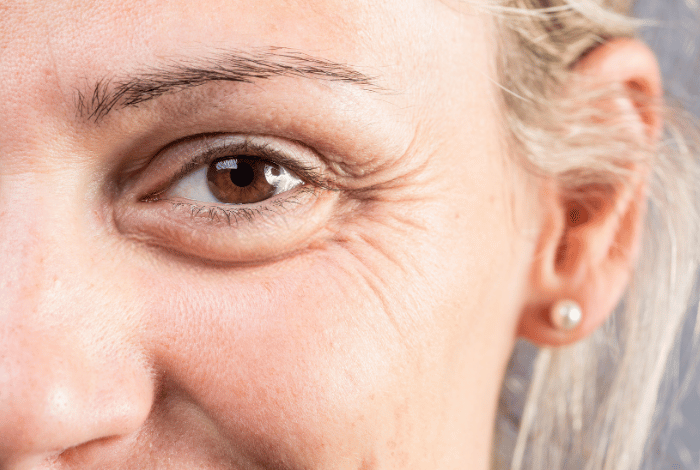
Crow’s feet are the small fan-shaped wrinkles that develop at the outer corners of the eyes. They typically become noticeable when smiling, laughing, or squinting but may eventually remain visible even when the face is relaxed.

These wrinkles develop through a combination of several factors:

  • Natural aging
  • Repeated facial muscle contractions
  • Gradual collagen loss
  • Reduced skin elasticity
  • Sun exposure
  • Smoking
  • Genetics
  • Dehydration
  • Lifestyle habits

Because the skin around the eyes is considerably thinner than other facial areas, it experiences wear and tear more quickly over time.

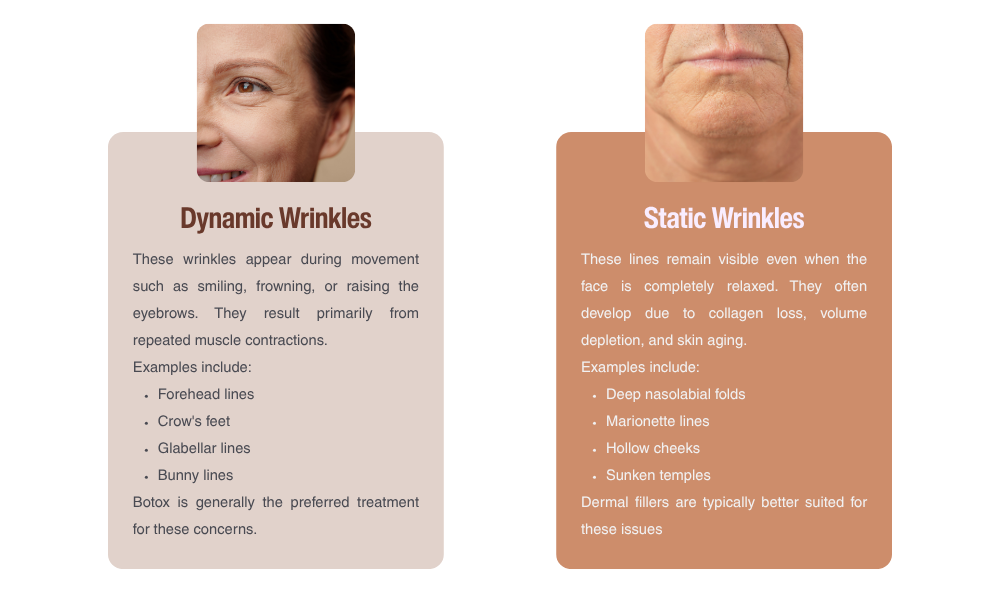
Initially, crow’s feet are considered dynamic wrinkles, meaning they only appear during facial movement. As collagen continues to decline with age, it can progress into static wrinkles, remaining visible even without expression.

Innotox: The Answer to Crow’s Feet Improvement

Innotox is a ready-to-use liquid botulinum toxin type A developed in South Korea. Unlike many traditional botulinum toxin products that require reconstitution before treatment, Innotox arrives in liquid form, simplifying preparation while reducing variability.

This formulation offers several practical advantages for experienced injectors:

  • No dilution required
  • Consistent concentration
  • Streamlined preparation
  • Reduced preparation errors
  • Precise dosing
  • Convenient storage and handling

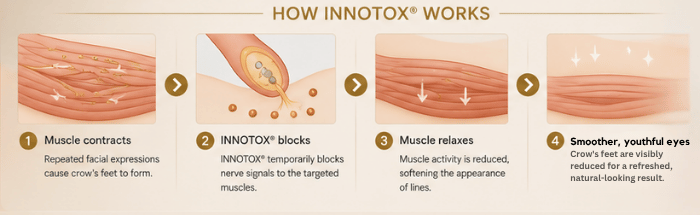
Like other botulinum toxin products, Innotox works by temporarily relaxing specific facial muscles responsible for dynamic wrinkles. For crow’s feet, this means reducing excessive contraction of the muscles around the eyes while preserving natural facial movement when administered appropriately.

How Innotox Treats Crow’s Feet

Every smile activates a circular muscle around the eye known as the orbicularis oculi. Over years of repeated movement, these muscle contractions create folds in the overlying skin. As collagen and elastin decrease with age, the skin loses its ability to rebound completely, allowing these folds to gradually become wrinkles.

Innotox interrupts this cycle by temporarily blocking communication between nerves and the targeted muscle. Instead of completely freezing facial movement, properly administered treatment gently relaxes the muscle enough to reduce wrinkle formation during facial expressions. The result is smoother-looking skin while maintaining a refreshed and natural appearance.

Why Crow’s Feet Respond Well to Innotox

Crow’s feet are among the most commonly treated facial areas because they are primarily caused by muscle movement rather than volume loss. Since Innotox directly targets muscle activity, it is particularly effective for:

  • Smile lines around the eyes
  • Fine dynamic wrinkles
  • Moderate crow’s feet
  • Early signs of aging
  • Preventing deeper wrinkle formation

Patients with primarily dynamic wrinkles often experience the most dramatic improvement.

Benefits of Innotox for Crow’s Feet

  1. Softens Visible Wrinkles

The primary benefit is a noticeable reduction in the appearance of crow’s feet during smiling and facial expressions. Rather than eliminating every line, skilled treatment creates smoother skin while preserving natural emotion.

  1. Creates a More Rested Appearance

Many patients notice they appear less tired, more refreshed, younger, brighter, and healthier . Often, friends or colleagues comment that they “look well” without realizing cosmetic treatment was performed.

  1. Prevents Wrinkles from Becoming Deeper

Repeated muscle contraction contributes to wrinkle progression. By reducing this repetitive folding, Innotox may help slow the development of deeper expression lines over time.

  1. Quick Treatment Sessions

Crow’s feet injections typically require only a few minutes. Most appointments—including consultation—are completed within approximately 20–30 minutes. Many patients schedule treatment during lunch breaks before returning to normal daily activities.

  1. Minimal Downtime

Unlike more invasive cosmetic procedures, Innotox requires little recovery. Most patients experience only:

  • Mild redness
  • Tiny injection marks
  • Slight swelling

These generally resolve within several hours.

  1. Natural-Looking Results

One of today’s biggest trends in aesthetics is subtle enhancement. Modern injection techniques focus on maintaining natural facial expressions while reducing unwanted wrinkles. When performed correctly, patients can still smile, laugh, and express emotion comfortably.

  1. May Complement Overall Facial Rejuvenation

Crow’s feet treatment is frequently combined with other aesthetic procedures for more comprehensive facial rejuvenation. Common complementary treatments include:

  • Forehead wrinkle treatment
  • Glabellar (frown line) treatment
  • Skin boosters
  • Polynucleotide (PN/PDRN) treatments
  • Laser resurfacing
  • Microneedling
  • Chemical peels
  • Medical-grade skincare

Treatment combinations should always be personalized by a qualified medical professional.

Who Is a Good Candidate for Innotox for Crow’s Feet Treatment?

You may be an excellent candidate if you:

  • Notice wrinkles around the eyes when smiling
  • Want non-surgical facial rejuvenation
  • Prefer minimal downtime
  • Have realistic expectations
  • Are in generally good health
  • Wish to prevent wrinkle progression
  • Want natural-looking results

A professional consultation is always necessary to determine individual suitability.

What Happens During Treatment?

Understanding the treatment process often helps reduce anxiety for first-time patients.

Step 1: Consultation

Your provider evaluates:

  • Facial anatomy
  • Muscle movement
  • Wrinkle severity
  • Skin quality
  • Medical history
  • Cosmetic goals

A personalized treatment plan is then created.

Step 2: Cleansing

The skin is cleansed thoroughly to minimize infection risk. Photographs may also be taken to document baseline appearance.

Step 3: Injection

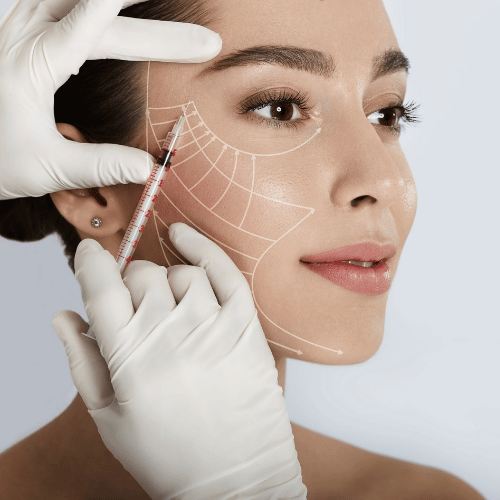
Using a very fine needle, small amounts of Innotox are injected into carefully selected points around the outer eye. Most patients describe the sensation as a quick pinprick. Treatment typically takes only several minutes.

Step 4: Aftercare Instructions

Patients receive guidance regarding:

  • Exercise restrictions
  • Makeup
  • Sleeping position
  • Alcohol consumption
  • Facial treatments
  • Sun exposure

Following these instructions helps optimize treatment outcomes.

Aftercare Tips for Best Results

Following aftercare recommendations can support optimal outcomes. For approximately the first 24 hours:

  • Avoid rubbing or massaging the treated area.
  • Delay strenuous exercise.
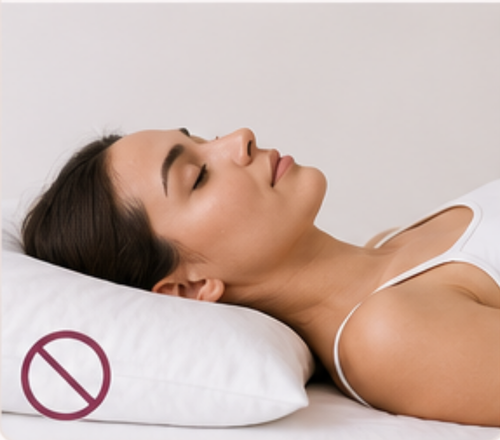
  • Avoid lying completely flat immediately after treatment.
  • Postpone alcohol consumption.
  • Avoid excessive heat from saunas or steam rooms.
  • Skip facials and aggressive skincare treatments.
  • Minimize heavy makeup if possible.
  • Protect your skin with sunscreen when outdoors.

Patients can generally resume normal daily routines shortly after treatment unless advised otherwise.

When Will Results Become Visible and How Long Does Innotox Last?

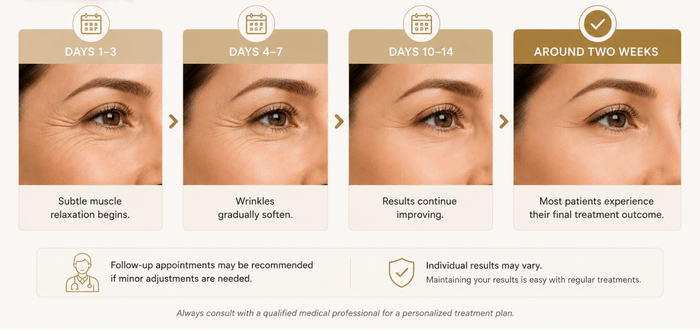
Innotox does not produce immediate wrinkle reduction. It may take a few days to weeks before results are even noticeable. Muscle relaxation will start as soon as Innotox is administered and will continue until wrinkles around the eyes soften. 

A typical timeline includes:

Although individual experiences vary, crow’s feet improvement commonly lasts approximately 3 to 4 months. Still, several factors influence longevity, such as:

  • Individual metabolism
  • Muscle strength
  • Lifestyle habits
  • Sun exposure
  • Smoking
  • Treatment history
  • Injection technique

Patients receiving regular maintenance treatments often notice increasingly consistent results over time. It is important to consult with your doctor before receiving follow-up sessions to know whether you still need it or not.

Potential Side Effects

Innotox has a well-established safety profile when administered by trained professionals. Temporary side effects may include:

  • Mild redness
  • Small injection marks
  • Minor swelling
  • Tenderness
  • Bruising

These effects typically resolve within several days. Although uncommon, improper injection technique may increase the risk of temporary eyelid heaviness, uneven muscle relaxation, and facial asymmetry. Hence, choosing an experienced injector significantly reduces these risks.

Can Innotox Prevent Crow’s Feet?

Many younger adults are choosing preventive neurotoxin treatments before deep wrinkles develop.

While Innotox cannot stop the natural aging process, reducing repetitive muscle movement may help delay the progression of dynamic lines into deeper static wrinkles. This preventive approach has become increasingly popular among patients in their late 20s and 30s who want to maintain smoother skin over time.

How Innotox Fits Into a Complete Eye Rejuvenation Plan

Crow’s feet are only one component of the aging eye area. Depending on your individual concerns, your provider may recommend combining Innotox with treatments that address other aspects of periorbital aging.

For example:

  • Skin boosters can improve hydration and overall skin quality, making the eye area appear smoother and healthier.
  • PN/PDRN-based treatments may support skin regeneration and improve elasticity over time.
  • Laser resurfacing can target pigmentation and improve skin texture.
  • Microneedling may stimulate collagen production to soften fine lines.
  • Medical-grade eye creams containing peptides, antioxidants, or retinoids can support long-term skin maintenance.

These treatments address different aspects of aging, making them complementary rather than direct substitutes for Innotox.

Final Thoughts

Crow’s feet are one of the earliest and most noticeable signs of facial aging, but they do not have to define your appearance. By gently relaxing the muscles responsible for these expression lines, Innotox offers a minimally invasive way to soften wrinkles while preserving the natural warmth and personality of your smile.

Its ready-to-use liquid formulation, predictable dosing, and ability to deliver subtle, natural-looking improvements have made it an increasingly popular option among aesthetic practitioners and patients alike. Whether you’re hoping to smooth existing crow’s feet or take a preventive approach before deeper lines develop, Innotox can be an effective part of a personalized facial rejuvenation plan.

The best results begin with an experienced medical provider who understands facial anatomy and tailors treatment to your unique features. Combined with healthy skincare habits, sun protection, and regular maintenance, Innotox can help you maintain a refreshed, youthful-looking eye area that still feels authentically you.

Frequently Asked Questions

Will I still be able to smile?

Yes. When administered appropriately, Innotox is designed to soften wrinkles while allowing natural facial expressions.

Does the Treatment Hurt?

Most patients find crow’s feet injections highly tolerable. The needles used are extremely small, and discomfort usually lasts only a few seconds. Some clinics may offer topical numbing cream or cooling devices for additional comfort, although many patients do not require them.

Can men receive Innotox for crow’s feet?

Absolutely. Crow’s feet affect both men and women, and many male patients choose treatment to achieve a more refreshed appearance without looking overdone.

Can makeup be worn afterward?

Light makeup is generally permitted after several hours, provided the injection sites are not rubbed. Always follow your provider’s specific recommendations.

How often should treatments be repeated?

Most patients schedule maintenance sessions every 3 to 4 months, although the exact interval varies depending on individual response and aesthetic goals.

Is Innotox better than surgery?

Innotox is a non-surgical treatment intended for dynamic wrinkles. It does not replace surgical procedures for significant skin laxity or excess tissue, but it offers a minimally invasive option with little downtime for suitable candidates.

image

Innotox and Skin Boosters: Can You Combine Them?

Innotox and Skin Boosters: Can You Combine Them for Better Anti-Aging Results 

Modern aesthetic medicine is increasingly moving away from single-treatment approaches. Instead, many practitioners now combine different injectable treatments to address multiple aspects of facial aging simultaneously. While neurotoxins such as Innotox are widely known for reducing dynamic wrinkles, skin boosters focus on improving skin quality, hydration, and overall radiance.

As a result, one of the most common questions among patients today is, “Can you combine Innotox with skin boosters?”

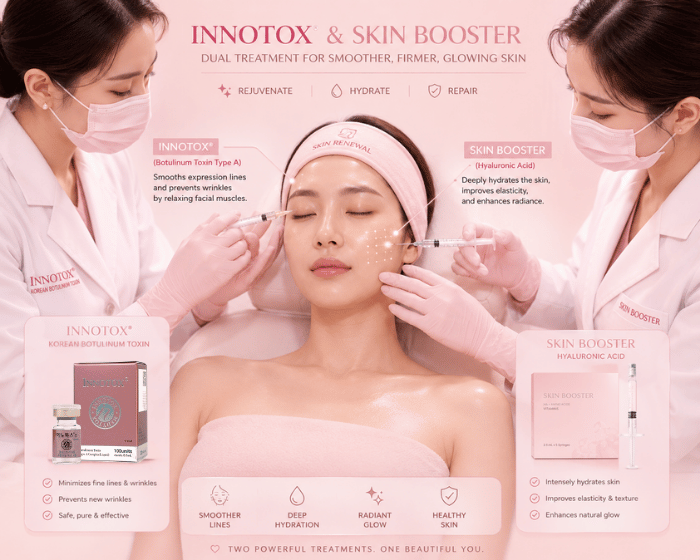
The short answer is yes. In many cases, combining Innotox with skin boosters can be part of a comprehensive facial rejuvenation strategy. Because these treatments work through different mechanisms, they often complement one another rather than compete.

In this guide, we’ll explore how Innotox and skin boosters work, why they are frequently paired together, potential benefits of combination treatments, treatment timing considerations, and what patients can realistically expect from the results.

Understanding How Innotox Works

Before discussing combination treatments, it’s important to understand the role that Innotox plays in facial aesthetics. Innotox is a liquid botulinum toxin type A formulation developed in South Korea. Like other botulinum toxin products, it works by temporarily relaxing targeted facial muscles responsible for creating dynamic wrinkles.

These dynamic wrinkles commonly appear in areas such as:

  • Forehead lines
  • Frown lines (glabellar lines)
  • Crow’s feet
  • Bunny lines
  • Chin dimpling
  • Neck bands

When injected into specific muscles, Innotox reduces excessive muscle activity, helping the overlying skin appear smoother and more refreshed. However, while Innotox can improve wrinkles caused by facial movement, it does not directly address the following:

  • Skin dehydration
  • Loss of elasticity
  • Rough skin texture
  • Dull complexion
  • Enlarged pores
  • Skin quality concerns

This is where skin boosters enter the picture.

What Are Skin Boosters?

Skin boosters are injectable treatments designed primarily to improve the overall quality of the skin rather than alter facial movement or restore volume. Unlike traditional dermal fillers, skin boosters are usually placed superficially throughout the skin using multiple microinjections.

Depending on the product used, skin boosters may contain the following:

  • Hyaluronic acid
  • Polynucleotides (PN)
  • Polydeoxyribonucleotide (PDRN)
  • Amino acids
  • Peptides
  • Vitamins
  • Antioxidants
  • Growth factor-related ingredients

The primary goal of skin boosters is to enhance the following:

  • Hydration
  • Skin texture
  • Elasticity
  • Luminosity
  • Smoothness
  • Overall skin health

Many patients describe skin booster results as producing a “glow” rather than a dramatic change in facial shape.

Why More Patients Are Combining Innotox and Skin Boosters

One reason combination treatments have become increasingly popular is that facial aging is multifactorial. Aging doesn’t occur because of wrinkles alone.

Instead, it involves several changes occurring simultaneously:

  • Repeated facial muscle movement
  • Collagen decline
  • Reduced hydration
  • Decreased elasticity
  • Environmental damage
  • Slower skin repair processes

Because of this, addressing only one aspect of aging may leave other concerns untreated. For example, a patient may have smoother forehead lines after Innotox treatment but still struggle with dull, dehydrated skin.

Likewise, a patient may achieve glowing skin after skin booster treatment but still notice crow’s feet or frown lines. By combining the two approaches, practitioners can target both muscle-related wrinkles and skin quality concerns simultaneously.

The Benefits of Combining Innotox with Skin Boosters

1. Comprehensive Facial Rejuvenation

One of the greatest advantages of combination treatment is the ability to address multiple aging concerns at once. Innotox helps reduce expression-related wrinkles, while skin boosters focus on improving the condition of the skin itself.

Together, they can contribute to a more balanced and natural-looking rejuvenation outcome.

Patients often report improvements in:

  • Fine lines
  • Skin hydration
  • Skin smoothness
  • Overall complexion
  • Facial freshness

Rather than changing facial features dramatically, the goal is to enhance overall appearance while maintaining natural expressions.

2. Improved Skin Texture

Even when wrinkles are reduced, uneven skin texture can still make the skin appear aged.

Skin boosters are commonly used to help improve:

  • Roughness
  • Dry patches
  • Crepey skin
  • Fine surface irregularities

Because Innotox targets muscle activity rather than skin structure, adding a skin booster can help create a smoother overall appearance.

3. Enhanced Hydration

Hydration is one of the most common reasons patients seek skin booster treatments. Many skin boosters contain hyaluronic acid, which has the ability to attract and retain moisture within the skin.

Improved hydration may contribute to:

  • Increased suppleness
  • Better light reflection
  • Healthier-looking skin
  • Reduction in visible dryness

When paired with Innotox, patients often achieve both smoother wrinkles and a more radiant complexion.

4. A More Youthful Glow

Many patients seek aesthetic treatments not only to reduce wrinkles but also to regain a refreshed appearance. While Innotox can soften expression lines, skin boosters are frequently chosen for their ability to improve skin luminosity.

This combination may help create the appearance of

  • Rested skin
  • Healthier skin tone
  • Improved radiance
  • Refined skin quality

As a result, many practitioners view the pairing as a complementary anti-aging strategy.

5. Customized Treatment Plans

Every face ages differently. Some patients have significant dynamic wrinkles but relatively good skin quality. Others may have excellent facial muscle control but poor hydration and texture. Combining Innotox with skin boosters allows practitioners to customize treatments according to individual needs rather than relying on a one-size-fits-all approach.

Which Skin Boosters Are Commonly Combined with Innotox?

Several categories of skin boosters may be incorporated into a treatment plan alongside Innotox.

Hyaluronic Acid Skin Boosters

Popular for improving hydration and skin radiance. Potential benefits include the following:

  • Moisture retention
  • Smoother texture
  • Increased glow
  • Improved skin softness

Polynucleotide (PN) Skin Boosters

PN-based products have become increasingly popular in aesthetic medicine. These products are often used in treatments aimed at improving:

  • Skin quality
  • Elasticity
  • Texture
  • Overall skin appearance

PN skin boosters are frequently incorporated into regenerative-focused treatment plans.


PDRN-Based Skin Boosters

PDRN products are commonly used in skin rejuvenation protocols and are often selected by patients interested in supporting overall skin renewal.

These treatments are popular for:

  • Dull skin
  • Aging skin
  • Post-procedure recovery support
  • Skin revitalization

Multinutrient Mesotherapy Formulas

These formulations may contain combinations of:

  • Vitamins
  • Amino acids
  • Antioxidants
  • Peptides

They are often used to support skin vitality and overall skin appearance.

Should Innotox and Skin Boosters Be Done on the Same Day?

A common question is whether both treatments can be performed during the same appointment. In many clinical settings, the answer is yes.

However, treatment protocols vary depending on the following:

  • Practitioner preference
  • Skin condition
  • Areas being treated
  • Product selection
  • Patient goals

Some practitioners administer both treatments during a single visit. Others prefer staging treatments over several weeks. The ideal timing should always be determined during a professional consultation.
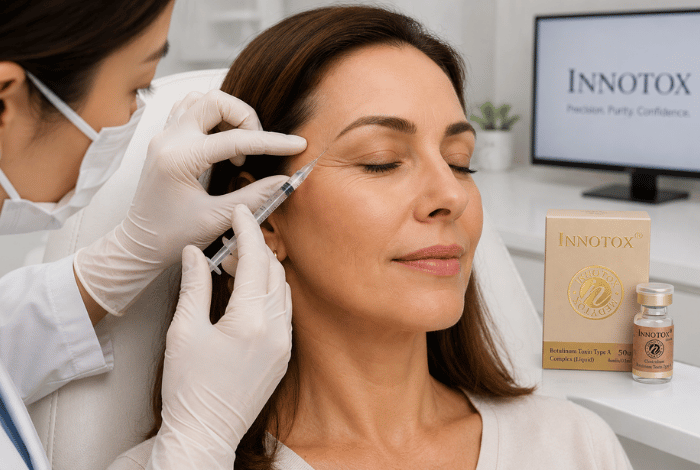
Typical Combination Treatment Timeline

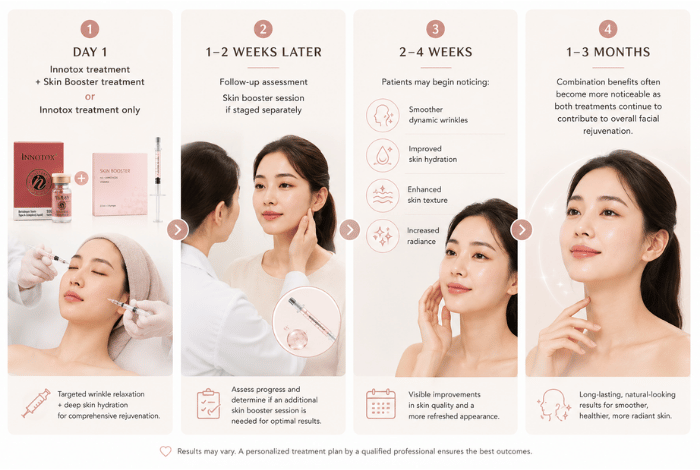
Although protocols vary, a common approach may look something like this:

TimelineWhat HappensExpected Outcome
Day 1Innotox treatment + Skin Booster treatment or Innotox treatment onlyThe initial treatment is performed to target dynamic wrinkles while beginning the skin rejuvenation process.
1–2 Weeks LaterFollow-up assessment, then Skin booster session (if performed as a staged treatment)The practitioner evaluates treatment response and determines whether an additional skin booster session is recommended.
2–4 WeeksPatients may begin noticing: Smoother dynamic wrinkles; Improved skin hydration; Enhanced skin texture; Increased radianceEarly improvements become visible as both treatments begin producing complementary effects on skin quality and facial appearance.
1–3 MonthsCombination benefits continue to develop as both treatments work together.Patients often experience more noticeable facial rejuvenation, including smoother skin, improved elasticity, enhanced hydration, and a healthier, more radiant complexion.

Areas Commonly Treated with Both Approaches

  1. Forehead

Innotox may address dynamic forehead lines while skin boosters support overall skin quality.

  1. Around the Eyes

This region is particularly susceptible to dehydration and fine lines. Combining wrinkle-relaxing treatments with skin boosters may help improve the overall appearance of the eye area.

  1. Cheeks

Although Innotox is not typically used extensively throughout the cheeks, skin boosters are commonly placed here to improve hydration and texture.

  1. Neck

Many practitioners incorporate skin boosters alongside neurotoxin treatments for comprehensive neck rejuvenation.

  1. Full Face

Patients seeking overall skin improvement often undergo full-face skin booster treatment combined with strategically placed Innotox injections.

Who May Be a Good Candidate?

Combination treatments may be suitable for individuals experiencing:

  • Early signs of aging
  • Dynamic wrinkles
  • Dehydrated skin
  • Dull complexion
  • Fine lines
  • Uneven skin texture
  • Loss of skin radiance

Many patients in their 30s, 40s, 50s, and beyond seek combined approaches because aging affects multiple skin structures simultaneously.

Are There Any Risks?

Like all injectable procedures, both Innotox and skin boosters carry potential risks. Common temporary side effects may include:

  • Mild redness
  • Swelling
  • Tenderness
  • Bruising
  • Injection-site discomfort

These effects are typically short-lived and resolve within several days. The overall safety of treatment depends heavily on:

  • Proper patient selection
  • Product quality
  • Injection technique
  • Practitioner experience

Patients should always seek treatment from qualified healthcare professionals familiar with both neurotoxin and skin booster procedures.

Can Combination Treatments Replace Fillers?

Not necessarily. While Innotox and skin boosters can address wrinkles and skin quality, they generally do not replace the volume-restoring effects of dermal fillers.

Each treatment serves a different purpose:

Innotox

  • Reduces dynamic wrinkles
  • Relaxes targeted muscles

Skin Boosters

  • Improve hydration
  • Enhance skin quality

Dermal Fillers

  • Restore volume
  • Improve facial contours

Many modern aesthetic treatment plans incorporate all three modalities when appropriate.

How Long Do Results Last?

The duration of results varies depending on:

  • Individual metabolism
  • Product selection
  • Treatment area
  • Lifestyle factors
  • Skin condition

Generally speaking, Innotox can produce results that commonly last approximately 3–4 months for many patients. While for skin boosters, longevity depends on the specific product and treatment protocol used. Maintenance sessions are often recommended to support ongoing improvements. Many patients schedule periodic treatments throughout the year to maintain consistent results.

The Future of Combination Aesthetic Treatments

The aesthetic industry continues to move toward personalized treatment plans rather than relying on single procedures. Today’s patients often seek the following:

  • Natural-looking outcomes
  • Prevention-focused strategies
  • Comprehensive skin rejuvenation
  • Minimal downtime

Combining Innotox with skin boosters aligns well with these goals by addressing both facial movement and skin quality simultaneously. As regenerative and hydration-focused treatments continue to evolve, combination protocols are expected to remain a major trend in modern aesthetic medicine.

So, can you combine Innotox with skin boosters?

For many patients, the answer is yes. Because Innotox and skin boosters target different aspects of facial aging, they are often viewed as complementary treatments rather than competing ones. Innotox helps soften dynamic wrinkles caused by repetitive muscle movement, while skin boosters focus on improving hydration, texture, elasticity, and overall skin quality. Together, they can create a more comprehensive approach to facial rejuvenation that addresses both visible wrinkles and the health of the skin itself.

If you’re considering a combination treatment plan, consult a qualified aesthetic professional who can evaluate your concerns and develop a personalized strategy tailored to your goals. When used appropriately, Innotox and skin boosters may help you achieve smoother, fresher, and more radiant-looking skin while maintaining natural facial expressions.

image

What Not to Do After Innotox: 24-Hour Aftercare Tips

What Not to Do After Innotox: 24-Hour Aftercare Tips for Better Results

Getting an Innotox treatment is only part of the process. What you do in the hours afterward can have a significant impact on your comfort, recovery, and overall satisfaction with the results.

Innotox has become a popular choice among medical professionals because of its ready-to-use liquid formulation and reliable performance in reducing dynamic wrinkles. While the injections themselves typically take only a few minutes, the recovery period deserves just as much attention.

The first 24 hours are particularly important because the neurotoxin is still settling into the targeted muscles. During this time, certain activities could increase irritation, promote bruising, or potentially affect how the product distributes within the treated area.

Fortunately, aftercare is simple. By avoiding a few common mistakes and following your provider’s instructions, you can help support optimal results while minimizing downtime.

Understanding How Innotox Works

Innotox is a botulinum toxin type A injectable treatment designed to temporarily relax specific facial muscles responsible for expression lines. By limiting repetitive muscle contractions, it softens existing wrinkles and helps prevent deeper lines from forming over time.

Unlike some botulinum toxin products that require reconstitution before use, Innotox comes in a stabilized liquid form, providing convenience and consistency for trained practitioners.

Once injected, the treatment does not work instantly. The medication gradually binds to nerve endings over several days before muscle relaxation becomes noticeable. Most patients begin seeing visible improvements within three to seven days, with full effects often appearing after about two weeks.

Because this process is gradual, proper care during the first day supports the best possible conditions for successful treatment.

What to Avoid During the First 24 Hours After Innotox

  1. Avoid Lying Flat Immediately After Treatment

One of the most common recommendations is to remain upright for at least four hours following your injections.

Staying upright helps reduce unnecessary pressure on the treated areas while allowing the product to settle appropriately. Taking a nap immediately after treatment or lying face down on a massage table may increase unwanted pressure around the injection sites.

Normal activities like sitting, walking, or working at a desk are generally acceptable unless otherwise advised by your provider.

  1. Skip Intense Exercise

If you’re eager to return to the gym, it may be best to wait until the following day. High-intensity workouts increase blood circulation and body temperature, which could contribute to increased swelling, temporary redness, bruising, and greater risk of irritation around injection sites.

Activities to postpone include:

  • Weightlifting
  • Running
  • HIIT workouts
  • Cycling
  • Hot yoga
  • Competitive sports

A light walk is usually acceptable, but strenuous exercise should wait until your provider indicates it is safe.

  1. Do Not Rub or Massage the Treated Area

Many people instinctively touch areas that feel slightly tender after injections. However, vigorous rubbing or facial massage should be avoided during the first day.

Examples include:

  • Facial massages
  • Gua sha tools
  • Jade rollers
  • Aggressive skincare devices
  • Excessive pressure while washing your face

The goal is to minimize mechanical pressure on recently treated muscles.

  1. Delay Alcohol Consumption

Celebratory drinks after cosmetic treatments may sound appealing, but alcohol can dilate blood vessels and potentially increase bruising. Avoiding alcoholic beverages for at least 24 hours may help reduce:

  • Swelling
  • Redness
  • Bruising
  • Prolonged recovery

Hydration with water is a much better choice during this period.

  1. Avoid Saunas, Steam Rooms, and Hot Tubs

Heat exposure can temporarily increase circulation and inflammation. But also avoid prolonged sun exposure or tanning immediately after treatment. Try postponing visits to:

  • Steam rooms
  • Saunas
  • Hot tubs
  • Very hot baths
  • Heated pools
  1. Put Off Facial Treatments

Scheduling multiple aesthetic procedures on the same day is generally discouraged. Delay treatments such as the following:

  • Chemical peels
  • Laser procedures
  • Microneedling
  • Radiofrequency treatments
  • Hydrafacials
  • Deep exfoliation

Your provider can recommend an appropriate interval before resuming these services.

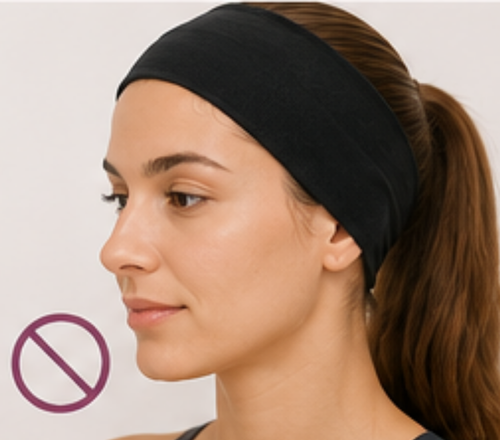
  1. Don’t Wear Tight Headgear

Helmets, tight hats, compression headbands, or goggles that press directly on recently injected areas may create unnecessary pressure. Whenever possible, wear loose-fitting accessories during the initial recovery period.

  1. Minimize Heavy Makeup Application

Many patients can wear makeup later the same day, but aggressively applying or removing cosmetics should be avoided.

If makeup is necessary:

  • Use clean brushes or sponges.
  • Apply gently without excessive rubbing.
  • Avoid repeated pressure over injection sites.
  • Remove makeup carefully before bed.
  1. Avoid Excessive Sun Exposure

Freshly treated skin may be slightly more sensitive than usual. Until redness subsides:

  • Stay in shaded areas.
  • Wear a wide-brimmed hat outdoors.
  • Apply sunscreen if recommended by your provider.
  • Avoid tanning beds.
  1. Don’t Expect Instant Results

Patience is an important part of aftercare. Many first-time patients worry when they see no immediate improvement after treatment. This is completely normal. Innotox requires time to affect communication between nerves and muscles. Improvements typically develop gradually over several days before reaching their full effect around two weeks after treatment. Also, avoid scheduling unnecessary touch-ups before the recommended follow-up evaluation.

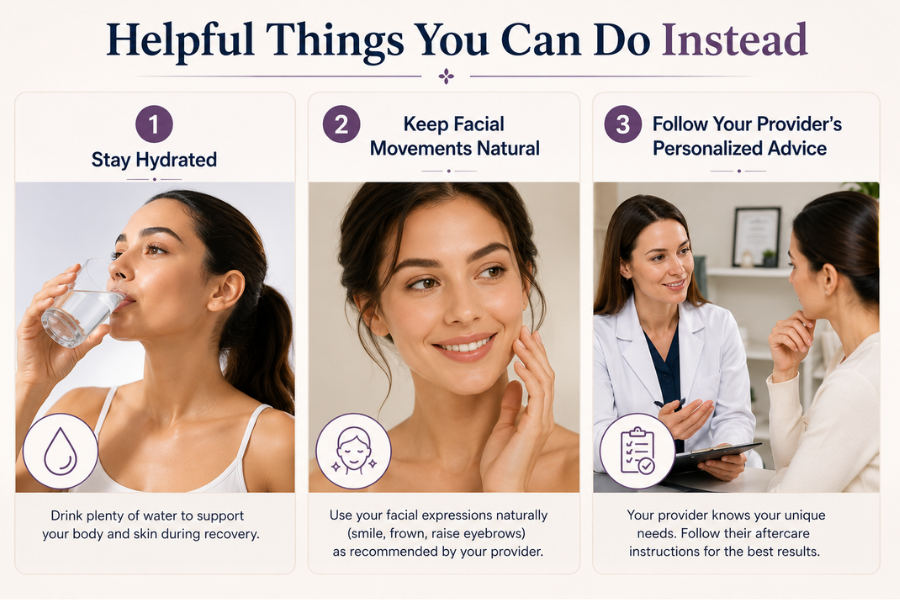
Helpful Things You Can Do Instead

While there are several activities to avoid, there are also simple habits that may support a smoother recovery.

  1. Stay Hydrated

Proper hydration supports overall wellness and skin health. Drinking adequate water may also help your skin appear healthier as your results develop.

  1. Keep Facial Movements Natural

Some providers recommend gently using normal facial expressions during the first few hours after treatment. Everyday smiling, frowning, or raising your eyebrows naturally is generally sufficient unless your injector gives different instructions.

  1. Follow Your Provider’s Personalized Advice

Every patient is unique. Injection locations, dosage, anatomy, and treatment goals differ from person to person.

It is essential to remember that your provider’s instructions should always take priority over generalized online recommendations.

Common Side Effects You May Experience

Most Innotox treatments involve little downtime. Minor temporary effects may include:

  • Mild redness
  • Tiny injection marks
  • Slight swelling
  • Tenderness
  • Small bruises
  • Temporary headache

These symptoms often resolve within hours to a few days. If you experience unusual symptoms such as difficulty swallowing, breathing problems, severe weakness, or vision changes, seek immediate medical attention.

Tips for Maximizing Your Innotox Results

A successful treatment involves more than the injection itself. Consider these best practices:

  • Choose an experienced, qualified injector.
  • Follow all post-treatment instructions carefully.
  • Avoid touching treated areas unnecessarily.
  • Protect your skin from excessive sun exposure.
  • Maintain realistic expectations while waiting for results to develop.
  • Attend scheduled follow-up appointments if recommended.
  • Maintain a healthy skincare routine to complement your aesthetic treatments.

Small habits can make a meaningful difference in your overall experience.

Final Thoughts

The first 24 hours after an Innotox treatment are relatively straightforward, but they are important. Avoiding strenuous exercise, alcohol, excessive heat, vigorous facial massage, and unnecessary pressure on treated areas helps create favorable conditions while the product settles into the targeted muscles.

Most patients return to their normal routines quickly with minimal downtime. By combining proper aftercare with treatment from a skilled medical professional, you can maximize the likelihood of smooth, natural-looking results and a satisfying overall experience.

Whether you’re receiving Innotox for forehead lines, crow’s feet, or frown lines, patience and proper aftercare remain key ingredients for achieving your aesthetic goals.

Frequently Asked Questions

Can I wash my face after Innotox?

Yes. Gentle cleansing is generally acceptable. Avoid vigorous scrubbing or excessive pressure around injection sites during the first 24 hours.

Can I sleep normally the night after treatment?

Yes. Most providers simply recommend remaining upright for several hours immediately after injections before going to bed.

Can I wear sunscreen?

Yes. Sun protection is encouraged, provided it can be applied gently without excessive rubbing.

Can I fly after receiving Innotox?

Commercial air travel is generally not considered a contraindication after treatment, although some patients prefer allowing several hours before flying. Follow your injector’s recommendations based on your specific situation.

Should I ice the treated area?

Some providers recommend cool compresses if mild swelling occurs, while others prefer leaving the area undisturbed. Follow your clinician’s instructions rather than applying ice routinely.

How long do Innotox results last?

Results vary depending on the individual, treatment area, dosage, and muscle activity, but many patients enjoy smoother skin for approximately three to four months before maintenance treatments are considered.

image

Exercise After Botox: How Long Should You Wait?

Exercise After Botox: How Long Should You Wait Before Working Out? 

Botox treatments have become one of the most popular non-surgical cosmetic procedures in the world, offering a quick and effective way to reduce fine lines and wrinkles with little to no downtime. Many people schedule appointments during their lunch break and head back to their normal routine shortly afterward.

However, one question continues to come up among both first-time and experienced patients:

“Can I exercise after Botox?”

If you’re someone who enjoys daily gym sessions, yoga classes, running, or high-intensity interval training, understanding the right timeline for returning to physical activity is an important part of maximizing your results. The short answer is that most healthcare professionals recommend waiting at least 24 hours before engaging in strenuous exercise after Botox injections. While this may seem like a minor precaution, giving the treatment enough time to settle can help reduce unwanted side effects and support optimal outcomes.

In this guide, we’ll explain why waiting matters, what kinds of exercise to avoid, when you can safely return to your workout routine, and practical aftercare tips to help your Botox treatment perform at its best.

Why Exercise Matters After Botox

Botox works by temporarily relaxing targeted facial muscles through carefully placed injections. Once administered, the product needs time to bind to nerve endings within those muscles.

During the first several hours after treatment, excessive physical activity may increase blood circulation and body temperature. Some practitioners believe this could potentially increase swelling or bruising or encourage unintended migration of the injected product before it fully settles.

Although research on exercise-related migration remains limited, many aesthetic providers recommend avoiding strenuous activity as a precaution because it’s a simple step that may reduce risks and protect treatment outcomes.

How Long Should You Wait to Exercise After Botox?

For most healthy adults:

  • Light walking: Generally acceptable soon after treatment.
  • Moderate exercise: Best postponed until after 24 hours.
  • High-intensity workouts: Wait at least 24 hours or follow your provider’s recommendation.
  • Activities involving inverted positions or heavy straining: Delay for at least one day.

If you’ve received Botox in multiple facial areas or have a history of bruising, your injector may advise a longer waiting period. Ultimately, always follow the personalized instructions given by your treating medical professional.

Reduces the Risk of Increased Bruising

Exercise naturally raises blood pressure and circulation. Elevated blood flow shortly after injections may make bruising more noticeable around treatment sites. Waiting a day allows the tiny injection points to begin healing before they’re exposed to the physiological effects of vigorous exercise.

Minimizes Swelling

While Botox injections are minimally invasive, small amounts of localized swelling can occur. High-impact workouts or elevated body temperature may temporarily worsen swelling or redness, making recovery less comfortable.

Helps the Product Settle

Botox needs time to interact with the targeted muscles. Avoiding unnecessary facial pressure, rubbing, or vigorous movement during the early period may help maintain precise placement.

Prevents Unnecessary Complications

Though uncommon, strenuous movement combined with rubbing sweat from the face, helmet straps, tight goggles, or massage devices may apply unwanted pressure to treated areas.

Following conservative aftercare recommendations reduces avoidable variables during the critical initial hours.

What Exercises Are Allowed After Botox Treatment?

It is highly recommended that after any aesthetic treatment, aftercare instructions must be followed to maximize the results and prevent unnecessary adverse reactions or complications. One of the major instructions is to avoid strenuous activities in the first 24 hours following Botox injection. 

However, the question remains, “What if I need to go to work immediately after my treatment? ” Fortunately, Botox treatment is the ideal “lunchtime” aesthetic procedure, as it does need lengthy recovery or requires no overnight stay at the clinic or hospital.

Can You Go for a Walk After Botox?

Yes. In fact, gentle walking is generally considered acceptable after treatment.

Light movement promotes circulation without dramatically increasing blood pressure or core temperature. Many providers encourage patients to remain upright and continue normal daily activities rather than lying down immediately after injections. However, keep the walk leisurely. This isn’t the time for power walking, hiking steep hills, or brisk interval training.

Is Yoga Safe After Botox?

Not always.

Gentle stretching may be fine after sufficient recovery time, but many forms of yoga involve inverted positions such as downward dog or headstands. These poses may temporarily alter blood flow and put pressure on facial tissues. For that reason, many injectors suggest postponing yoga classes until the following day. Hot yoga deserves additional caution because elevated temperatures may increase flushing and swelling.

Can You Lift Weights After Botox?

It’s best to wait.

Heavy lifting often involves breath-holding and increased internal pressure during exertion. This can contribute to facial flushing and may increase the likelihood of bruising around injection sites. Even experienced athletes are generally advised to schedule intense strength training for the day after treatment.

Running After Botox: Should You Skip It?

If you’re training for a marathon or simply enjoy your daily jog, delaying one workout is unlikely to affect your long-term fitness goals. Running significantly increases cardiovascular activity and perspiration, making it one of the workouts commonly postponed for at least 24 hours after Botox. Resuming the following day allows your body time to recover while helping preserve treatment quality.

Exercises to Avoid Immediately After Botox

To protect your results, postpone activities such as the following:

  • Heavy weightlifting
  • CrossFit workouts
  • HIIT sessions
  • Sprinting
  • Long-distance running
  • Hot yoga
  • Bikram yoga
  • Boxing
  • Martial arts
  • Spin classes
  • Intense cycling
  • Swimming laps at maximum effort
  • Competitive sports
  • Gymnastics requiring inversion
  • Pilates movements placing pressure on the face
  • Strenuous core exercises causing excessive straining

These activities significantly elevate heart rate, blood pressure, and body temperature—all factors providers generally recommend minimizing immediately after injections.

Can Sweating Affect Botox?

Sweat itself does not deactivate Botox.

However, activities that produce heavy sweating are usually accompanied by increased body temperature, vigorous movement, and repeated touching or wiping of the face. For this reason, providers generally recommend avoiding situations that cause profuse sweating during the immediate post-treatment period.

Other Important Botox Aftercare Tips

Exercise isn’t the only consideration after your appointment. Following these guidelines can help optimize your results:

  1. Stay Upright

Avoid lying flat for several hours after treatment unless instructed otherwise by your provider.

  1. Don’t Rub or Massage the Area

Applying pressure to treated regions immediately after injections is discouraged.

  1. Avoid Facial Treatments

Skip facials, chemical peels, aggressive massage, or microdermabrasion until cleared by your practitioner.

  1. Delay Sauna and Steam Rooms

High temperatures may increase redness and swelling, so it’s wise to postpone saunas, steam rooms, and hot tubs for at least a day.

  1. Limit Alcohol

Alcohol may increase bruising in some individuals, particularly if consumed immediately before or after treatment.

  1. Follow Your Provider’s Instructions

Every patient is different. Personalized aftercare advice should always take priority over general recommendations.

What Happens If You Exercise Too Soon?

Many people who accidentally work out shortly after Botox experience no noticeable problems. However, exercising too early may increase the chances of the following:

  • Temporary swelling
  • Increased bruising
  • Facial redness
  • Mild discomfort
  • Anxiety about whether treatment effectiveness has been affected

If you accidentally exercise sooner than recommended, avoid panic. Simply monitor your symptoms and contact your healthcare provider if you notice anything unusual or have concerns.

Common Myths About Botox and Exercise

Myth 1: Exercise Immediately Makes Botox Wear Off

There’s no strong evidence that one workout causes Botox to stop working. However, following aftercare recommendations remains prudent.

Myth 2: Sweating Removes Botox

Botox works beneath the skin and cannot be “sweated out.”

Myth 3: You Must Stay Completely Still

Normal daily activities are generally encouraged. Walking, working, and routine movements are usually acceptable as long as strenuous exertion is avoided.

Myth 4: Waiting a Day Will Ruin Your Fitness Progress

Skipping one gym session has virtually no impact on long-term athletic performance but may help support your cosmetic results.

Planning Botox Around Your Workout Schedule

If maintaining a regular fitness routine is important, consider these scheduling strategies:

  • Book your Botox appointment on a planned rest day.
  • Schedule treatment after your weekly long run or heavy lifting session.
  • Choose an evening appointment before a recovery day.
  • Plan injections before weekends if you typically reduce training volume.

Thinking ahead can help you avoid frustration and make it easier to follow aftercare recommendations.

Final Thoughts

Botox offers a convenient and effective way to soften dynamic wrinkles with minimal disruption to your daily life. Still, the first 24 hours after treatment are an important period for proper aftercare.

While it may be tempting to head straight to the gym, postponing strenuous exercise for one day is a simple precaution that may reduce bruising, limit swelling, and support the best possible outcome.

For most patients, taking a brief break from high-intensity workouts is a small trade-off for smoother, longer-lasting results. If you have any doubts about your recovery timeline or fitness routine, consult your treating medical professional for personalized guidance.

When it comes to Botox aftercare, patience for just one day can go a long way toward protecting your investment and helping you achieve the refreshed appearance you’re aiming for.

Frequently Asked Questions

Can I exercise 12 hours after Botox?

Most providers recommend waiting a full 24 hours before strenuous exercise. Light daily activities are generally acceptable, but intense workouts should usually be postponed.

Can I do cardio after Botox?

High-intensity cardio should be delayed for approximately one day. Gentle walking is typically considered safe.

Can I go to the gym after Botox?

You may visit the gym, but avoid strenuous lifting, vigorous cardio, or intense classes until the recommended waiting period has passed.

Is stretching okay after Botox?

Gentle stretching is generally fine as long as it doesn’t involve inverted poses or excessive exertion.

Can I swim after Botox?

It’s usually advisable to wait at least 24 hours before vigorous swimming workouts, particularly those involving intense effort.

Does exercise make Botox wear off faster over time?

There is no strong evidence that regular exercise significantly shortens the duration of Botox results, although metabolism and individual factors may influence longevity.

image

Botox Trends 2026: Top Aesthetic Innovations, Treatment Styles, and What Patients Can Expect 

Botox has remained one of the world’s most popular non-surgical cosmetic procedures for decades, but the way patients and practitioners approach treatment continues to evolve. In 2026, the emphasis is no longer on achieving a perfectly frozen forehead or dramatic transformations. Instead, modern Botox treatments focus on natural movement, preventive care, personalization, and overall facial harmony.

Social media, improved injection techniques, and growing public awareness have changed patient expectations. More people—from individuals in their twenties seeking prevention to mature patients looking for subtle rejuvenation—are embracing Botox as part of a comprehensive skincare and wellness strategy. Even men who often have misconceptions that skincare and aesthetic treatments are only limited to women are now open to and embrace it.

Whether you’re considering your first treatment or are curious about where the industry is headed, here are the biggest Botox trends shaping aesthetic medicine in 2026.

1. Natural-Looking Results Continue to Dominate

One of the strongest trends in 2026 is the move away from overdone appearances. Patients increasingly request refreshed, well-rested looks rather than completely eliminating facial movement. Experienced injectors now prioritize preserving natural expressions while softening dynamic wrinkles. This approach often involves:

  • Conservative dosing
  • Strategic placement
  • Customized treatment plans
  • Gradual enhancements over time

The goal is for friends and family to notice that someone looks healthier or younger without immediately identifying that Botox was involved.

2. Preventive Botox Becomes Mainstream

Preventive Botox has steadily gained popularity and is expected to remain a leading trend throughout 2026. Rather than waiting for deep wrinkles to form, younger adults choose low-dose treatments to minimize repetitive muscle movements that contribute to expression lines. Common preventive treatment areas include:

  • Forehead lines
  • Glabellar “11” lines
  • Crow’s feet
  • Bunny lines on the nose

While preventive Botox isn’t necessary for everyone, many patients view it as part of a proactive anti-aging regimen similar to wearing sunscreen or using retinoids.

3. Micro-Botox Gains Even More Attention

Micro-Botox involves administering highly diluted or tiny doses of botulinum toxin into superficial facial muscles or the skin itself. Instead of immobilizing muscles, this technique may help:

  • Refine skin texture
  • Minimize pore appearance
  • Reduce excess oil production
  • Create smoother-looking skin
  • Maintain subtle facial movement

Because the treatment focuses on refinement rather than dramatic muscle relaxation, it’s particularly attractive to younger patients and those seeking a polished but natural appearance.

4. Personalized Treatment Plans Replace One-Size-Fits-All Approaches

The era of standardized Botox dosing is fading. Modern practitioners increasingly tailor injections based on each patient’s:

  • Facial anatomy
  • Muscle strength
  • Age
  • Gender
  • Ethnicity
  • Lifestyle
  • Cosmetic goals
  • Previous treatment response

This personalized approach often produces more balanced outcomes while reducing the risk of unnatural stiffness or asymmetry.

5. Combination Treatments Become the New Standard

Rather than relying solely on Botox, clinics increasingly combine treatments to address multiple aspects of facial aging. Popular combinations include:

  • Botox with hyaluronic acid fillers
  • Botox with skin boosters
  • Botox with collagen-stimulating injectables
  • Botox with laser resurfacing
  • Botox with microneedling
  • Botox with radiofrequency treatments
  • Botox with medical-grade skincare

These multimodal approaches target wrinkles, skin quality, pigmentation, hydration, and volume loss simultaneously, often producing more comprehensive rejuvenation.

6. Men Continue Driving Growth in Botox Treatments

The demand for Botox among men continues to rise in 2026. Many male patients seek treatments to maintain a competitive professional appearance or simply look less tired without appearing cosmetic.

Common treatment goals include:

  • Softening forehead lines
  • Reducing frown lines
  • Improving crow’s feet
  • Achieving a more approachable expression
  • Preventing deeper wrinkles

Practitioners typically adapt injection patterns and dosing to preserve masculine facial characteristics while creating refreshed results.

7. Baby Botox Appeals to First-Time Patients

“Baby Botox” remains especially popular among younger adults and first-time patients. The concept involves using smaller quantities of neurotoxin than traditional treatments to produce subtle improvements while maintaining facial mobility.

Benefits may include:

  • Softer expressions
  • Lower risk of appearing overtreated
  • Easier adjustment for new patients
  • Incremental enhancement
  • High patient satisfaction when natural results are prioritized

Baby Botox also aligns with current aesthetic preferences, emphasizing authenticity over dramatic change.

8. Full-Face Assessment Improves Overall Balance

Instead of treating isolated wrinkles, practitioners increasingly evaluate the face as a whole. This holistic philosophy considers how muscles interact across different regions and may involve treatment of areas such as:

  • Forehead
  • Glabella
  • Crow’s feet
  • Chin dimpling
  • Jawline
  • Platysmal neck bands
  • Brow positioning

By considering facial balance rather than individual lines alone, injectors can often produce more harmonious and youthful outcomes.

9. Patients Prioritize Skin Quality Alongside Wrinkle Reduction

Consumers are becoming increasingly educated about skin health, leading to greater interest in treatments that complement Botox. Many patients now combine wrinkle prevention with therapies aimed at improving:

  • Hydration
  • Elasticity
  • Collagen production
  • Skin texture
  • Pigmentation
  • Radiance

The result is a more comprehensive rejuvenation strategy that addresses both muscle movement and overall skin appearance.

10. Digital Consultations and AI-Assisted Planning Expand

Technology is playing a growing role in aesthetic medicine. Many clinics now use advanced imaging systems during consultations to evaluate facial movement and simulate treatment outcomes. These tools can help:

  • Document baseline appearance
  • Track progress over time
  • Facilitate patient education
  • Support personalized treatment planning
  • Improve communication between patient and provider

While AI-assisted analysis is becoming more common, clinical expertise and individualized assessment remain essential for safe and effective care.

11. Longer-Term Treatment Planning Gains Popularity

Patients increasingly view Botox as an ongoing maintenance treatment rather than a one-time procedure. Instead of waiting until results completely wear off, many work with providers to establish individualized treatment schedules based on:

  • Muscle activity
  • Metabolism
  • Lifestyle
  • Desired outcomes
  • Budget

This approach can help maintain consistent results and avoid large fluctuations in appearance.

12. Neck and Lower Face Treatments Receive More Attention

Although forehead injections remain highly requested, interest in lower-face applications continues to expand. Qualified practitioners may use botulinum toxin to address concerns such as:

  • Downturned mouth corners
  • Pebbled chin texture
  • Prominent neck bands
  • Jawline slimming in select patients
  • Excessive jaw muscle activity associated with teeth grinding

As with all Botox treatments, proper patient selection and anatomical knowledge are crucial for optimal outcomes.

13. Social Acceptance Continues to Increase

Cosmetic injectables have become far more mainstream than they were a decade ago. Celebrities, influencers, healthcare professionals, and everyday patients openly discuss their treatments, reducing stigma and encouraging transparency. Many people now view Botox similarly to professional skincare or routine cosmetic maintenance. This normalization has also led patients to seek qualified medical providers and evidence-based information rather than unrealistic beauty standards.

14. Safety and Education Take Center Stage

As demand grows, patients are placing greater importance on provider qualifications and treatment safety. Responsible clinics emphasize thorough consultations, medical history reviews, realistic expectations, proper injection techniques, sterile procedures, follow-up care, and transparent discussions of risks and benefits. Patients are also becoming more aware that authentic products administered by trained professionals contribute significantly to treatment quality and safety.

15. Customized Aesthetic Goals Reflect Individual Beauty

Perhaps the defining Botox trend of 2026 is the rejection of cookie-cutter beauty ideals. Instead of requesting identical celebrity-inspired looks, patients increasingly seek treatments tailored to their own facial anatomy and preferences. Some prioritize wrinkle prevention, while others want subtle lifting, improved symmetry, or a more refreshed appearance. This individualized philosophy encourages providers to collaborate closely with patients and develop treatment plans that enhance existing features rather than change them dramatically.

Choosing Botox in 2026: What Patients Should Know

If you’re thinking about getting Botox in 2026, it’s important to approach the treatment with realistic expectations and a well-informed mindset. While Botox is one of the most widely performed cosmetic procedures in the world, achieving great results depends not only on the product itself but also on the skill of the injector and the overall treatment plan.

Choose a qualified and experienced medical professional. The expertise of your provider plays a significant role in the outcome of your treatment. An experienced injector understands facial anatomy, muscle movement, and proper dosing techniques, helping ensure that your results look balanced and natural rather than stiff or overdone. Don’t hesitate to ask about their training, experience, and before-and-after photos of previous patients.

Be honest about your goals during your consultation. Everyone has different reasons for considering Botox. Some people want to soften forehead lines, while others are interested in preventing wrinkles or achieving a more refreshed appearance. Clearly communicating your expectations allows your provider to develop a personalized treatment plan that aligns with your facial features and desired results.

Ask about customized dosing instead of expecting a standard treatment. There is no one-size-fits-all approach to Botox. Factors such as your age, muscle strength, facial anatomy, and aesthetic goals all influence how much product may be appropriate. A tailored treatment plan often produces more natural-looking and satisfying results than simply using a fixed number of units.

Remember that subtle changes can have the biggest impact. One of the defining Botox trends in 2026 is the preference for understated enhancements. Rather than freezing facial expressions completely, many patients choose treatments that soften wrinkles while preserving natural movement. This approach often leaves people looking well-rested and refreshed without making it obvious they’ve had cosmetic work done.

Follow your provider’s aftercare instructions carefully. Although Botox requires little downtime, following post-treatment recommendations can help support the best possible outcome. Your provider may advise avoiding strenuous exercise, excessive rubbing of the treated area, or lying down for a short period after your appointment. Adhering to these guidelines can contribute to a smoother recovery and more predictable results.

Maintain healthy skincare and lifestyle habits. Botox works by relaxing targeted muscles, but it doesn’t replace a good skincare routine or healthy daily habits. Wearing sunscreen, staying hydrated, using quality skincare products, getting enough sleep, eating a balanced diet, and avoiding excessive sun exposure can all help preserve your skin’s appearance and complement your Botox treatments.

Finally, it’s worth remembering that Botox is just one part of a comprehensive approach to facial rejuvenation. The best results often come from combining injectable treatments with consistent skincare, healthy lifestyle choices, and, when appropriate, complementary procedures that improve skin texture, hydration, and overall skin quality. By taking a long-term, personalized approach, patients can achieve results that look natural, balanced, and reflective of their own unique beauty.

The Botox landscape in 2026 reflects a broader shift in aesthetic medicine toward personalization, prevention, and natural-looking enhancement. From Baby Botox and micro-Botox to combination therapies and comprehensive facial assessments, today’s treatments prioritize balance over dramatic change.

As techniques continue to evolve, patients have more opportunities than ever to achieve refreshed, confident results that complement their unique features. By choosing qualified providers and maintaining realistic expectations, Botox can remain a valuable tool in a modern, individualized approach to aesthetic care.

“The best Botox treatment isn’t the one that changes your face—it’s the one that helps you look naturally refreshed while still looking like yourself.”

image

Botox vs. Dermal Fillers: Key Differences, Benefits, and Which Treatment Is Right for You?  

If you’re thinking about a non-surgical way to refresh your appearance, Botox and dermal fillers are probably two treatments you’ve heard about often. Both are injectable options that can help soften signs of aging and enhance facial features, but they work in very different ways.

It’s common for first-time patients to wonder if Botox and fillers do the same thing. The truth is, each treatment is designed for a different purpose. Botox helps relax the muscles that cause expression lines, while fillers add volume and support in areas that may have become hollow, flat, or less defined over time.

Whether your goal is to smooth wrinkles, restore facial volume, improve contours, or take a preventive approach to aging, knowing the difference between Botox and dermal fillers can make it easier to have an informed conversation with a qualified healthcare provider.

How Facial Aging Affects Wrinkles, Volume Loss, and Skin Elasticity

To understand why Botox and dermal fillers work in different ways, it helps to first look at what naturally happens to the face as it ages. Aging is not caused by just one change. Several things usually happen at the same time, including:

  • Facial expressions gradually create lines from repeated muscle movement.
  • The skin produces less collagen and elastin, making it feel less firm and springy.
  • Lower hyaluronic acid levels can leave the skin looking drier and less plump.
  • Natural fat pads can shift or shrink, leading to hollow areas and volume loss.
  • Changes in facial bone structure may reduce support in certain areas.
  • The skin may become thinner and less elastic over time.

Because facial aging involves both muscle movement and bigger structural changes, one treatment cannot usually address every concern. This is why Botox and dermal fillers are used for different purposes and, in some cases, may work well together.

What Is Botox?

Botox is the brand name most commonly associated with botulinum toxin type A injections. These products work by temporarily relaxing targeted muscles responsible for creating dynamic facial wrinkles. By reducing repetitive muscle contractions, Botox softens expression lines and can help prevent them from becoming deeper over time.

One product that has gained attention in aesthetic medicine is Innotox, a liquid-form botulinum toxin type A formulation developed in South Korea. Unlike freeze-dried formulations that require reconstitution before injection, Innotox is supplied in a ready-to-use liquid form, which may simplify preparation for trained medical professionals. Botulinum toxin treatments are typically performed in outpatient settings and require little to no downtime.

What Are Dermal Fillers?

Dermal fillers are injectable materials designed primarily to restore lost volume, improve facial contours, and smooth static wrinkles.

Unlike Botox, fillers do not relax muscles. Instead, they physically add support beneath the skin, replacing volume lost through aging or enhancing naturally flat or recessed areas.

The most commonly used fillers contain hyaluronic acid, a substance naturally found in the body that attracts and retains moisture. Other filler types stimulate collagen production or use different biocompatible materials depending on the product and intended use.

The Biggest Difference: Muscle Relaxation vs. Volume Restoration

The simplest way to distinguish Botox from fillers is by understanding what each treatment targets. In many cases, patients benefit from a combination of both approaches.

Comparison PointBotoxDermal Fillers
Main purposeRelaxes overactive facial muscles.Restores or enhances facial volume.
Best forDynamic wrinkles caused by facial expressions, such as forehead lines and crow’s feet.Static wrinkles, hollow areas, and volume loss that remain visible even when the face is at rest.
How it worksTemporarily reduces muscle movement to soften expression lines.Adds support beneath the skin to improve fullness, contours, and proportions.
Effect on volumeDoes not add volume.Adds or restores volume in targeted areas.
Effect on muscle movementDirectly affects muscle activity.Does not significantly affect muscle movement.
Common goalHelps soften existing expression lines and may help slow wrinkle progression.Helps smooth deeper folds, enhance facial shape, and restore youthful-looking fullness.

Common Treatment Areas for Botox vs. Dermal Fillers

Botox Common Treatment Areas

Botulinum toxin injections are most commonly used in areas where repeated muscle movement creates visible lines or affects facial shape. Because Botox works by relaxing targeted muscles, it is often chosen for expression-related wrinkles and certain contouring concerns when the goal is to soften movement while keeping a natural look. Common treatment areas include:

  • Forehead Lines: Repeated eyebrow elevation can create horizontal forehead wrinkles. Botox may help soften these lines while preserving natural expression when properly dosed.
  • Frown Lines: Vertical lines between the eyebrows, often called “11 lines,” tend to respond well to targeted muscle relaxation.
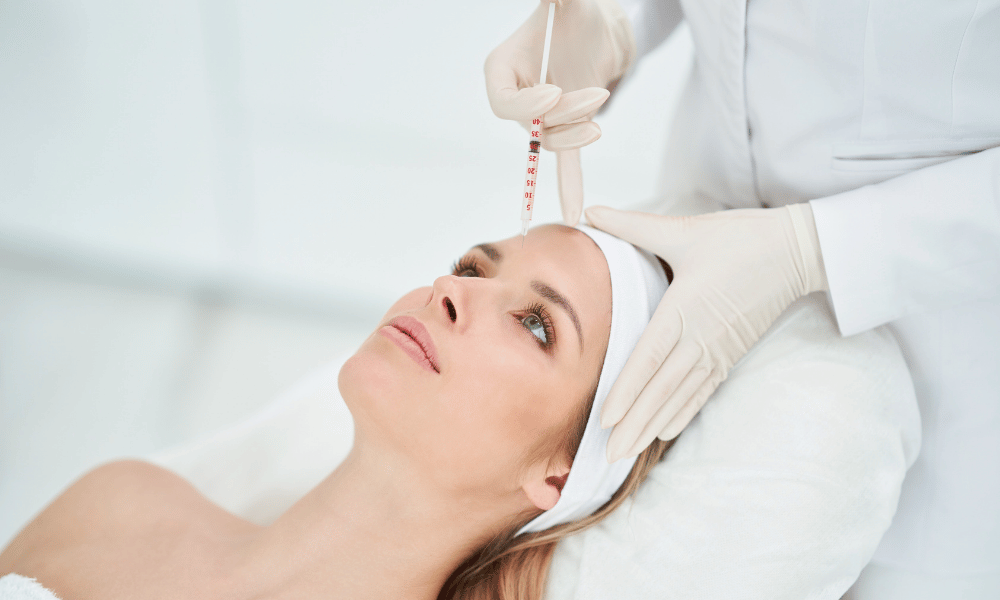
  • Crow’s Feet: Wrinkles around the outer corners of the eyes caused by smiling and squinting are among the most frequently treated Botox areas.
  • Bunny Lines: Fine wrinkles that appear across the nose during facial expressions may also improve with treatment.
  • Chin Dimpling: An overactive chin muscle can create a pebbled appearance that Botox may help smooth.
  • Jawline and Masseter Muscles: Some patients receive injections into enlarged jaw muscles for facial contouring or to manage muscle-related concerns such as clenching.
  • Neck Bands: Visible platysmal bands in the neck may be softened through targeted injections in appropriately selected patients.

Dermal Fillers Common Treatment Areas

Dermal fillers are often used in areas where aging, genetics, or natural facial structure have led to volume loss, reduced definition, or deeper folds. Since fillers add support beneath the skin, they can help restore balance, enhance contours, and create a smoother, more refreshed appearance when placed carefully. Common treatment areas include:

  • Cheek Enhancement: Age-related volume loss in the midface can flatten facial contours. Fillers may help restore projection, lift, and support.
  • Lips: Lip fillers can increase fullness, improve symmetry, and define the borders while maintaining natural-looking proportions.
  • Nasolabial Folds: The lines extending from the nose to the corners of the mouth often become more prominent with age and may be softened with filler.
  • Marionette Lines: Vertical lines that extend downward from the mouth corners may improve with strategic volume restoration.
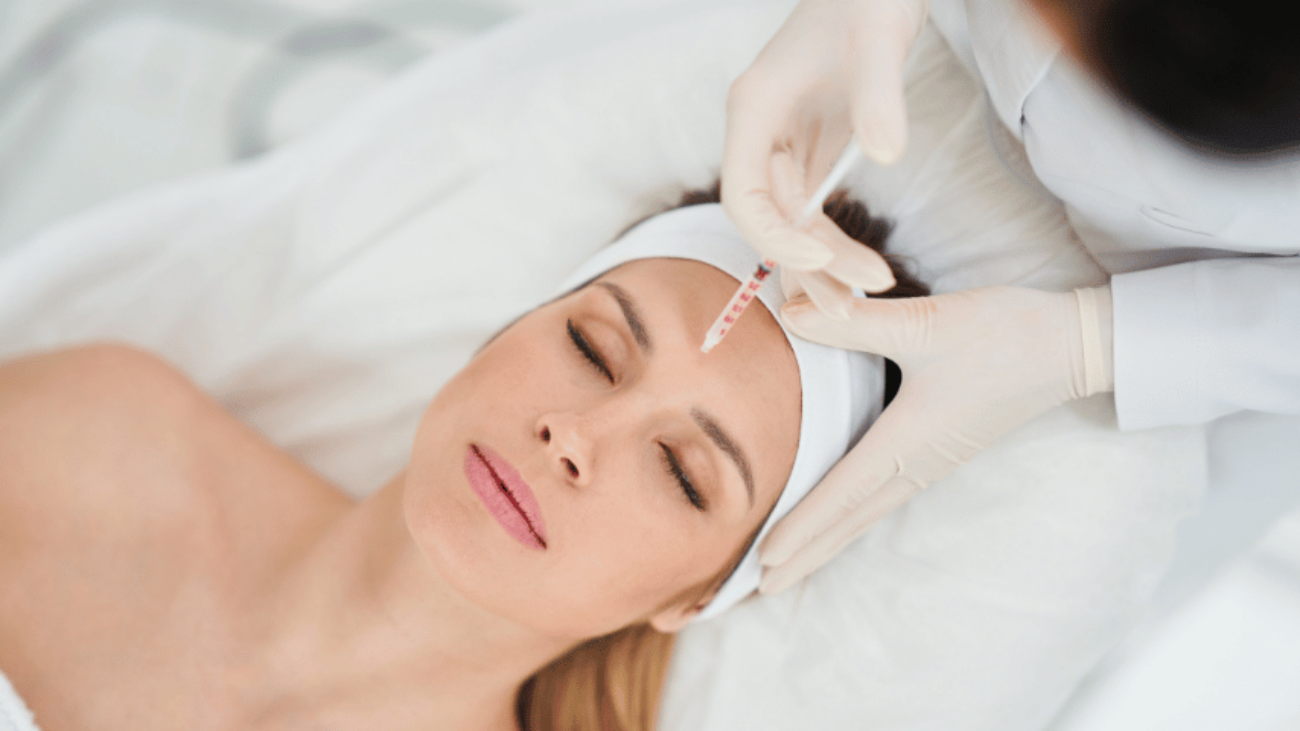
  • Chin Projection: Fillers can improve chin definition and help balance facial proportions without surgery.
  • Jawline Contouring: Adding structural support along the jaw can enhance facial shape, definition, and overall profile.
  • Under-Eye Hollows: Selected patients with tear-trough volume loss may benefit from carefully placed filler to reduce shadowing and soften a tired-looking appearance.

Dynamic Wrinkles vs. Static Wrinkles

This distinction often determines which treatment is most appropriate. Dynamic wrinkles usually respond better to Botox because they are linked to repeated muscle movement, while static wrinkles may require dermal fillers because they are often related to volume loss, skin thinning, or reduced structural support beneath the skin.

How Long Do Results Last?

Botox

Results generally begin appearing within several days, with full effects often visible after one to two weeks. The muscle-relaxing effect gradually diminishes over several months as nerve activity returns.

Patients seeking ongoing wrinkle reduction typically undergo maintenance treatments at intervals recommended by their healthcare provider.

Dermal Fillers

Longevity varies depending on the filler material, treatment area, metabolism, and injection technique. Some fillers may last several months, while others can provide results for a year or longer.

Unlike Botox, fillers gradually break down and are metabolized by the body over time.

Which Procedure Has More Downtime?

Both treatments are considered minimally invasive and usually involve little interruption to daily activities. Following Botox injections, patients may experience temporary redness or mild swelling at injection sites. Providers often recommend avoiding rubbing the treated areas immediately afterward.

On the other hand, dermal fillers may produce temporary swelling, bruising, or tenderness depending on the treatment location and individual response. Many people return to work or normal activities the same day after either procedure.

Can Botox and Fillers Be Combined?

Yes, Botox and dermal fillers can often be combined, and for many patients, this is where the most natural-looking results come from. Aging does not happen in just one layer of the face. Some changes are caused by repeated muscle movement, while others happen because the skin, fat pads, and facial support structures gradually lose volume or firmness over time.

That is why combining the two treatments can make sense in the right treatment plan. Botox may be used to soften expression lines on the forehead, between the brows, or around the eyes, while fillers can restore volume in areas such as the cheeks, lips, chin, or jawline. When carefully planned, the goal is not to change the face completely, but to refresh it in a way that still looks balanced and true to the patient’s natural features.

A qualified provider can help decide whether one treatment is enough or whether a thoughtful combination would create a smoother, more harmonious result. The best approach usually depends on the patient’s facial anatomy, age-related changes, aesthetic goals, and comfort level with treatment.

Botox vs. Fillers for Different Goals

1. If your goal is to reduce wrinkles from facial expressions

Botox is often the better choice because it addresses the muscle activity causing dynamic lines. When lines appear mainly during expressions such as smiling, squinting, frowning, or raising the eyebrows, the issue is usually repetitive muscle contraction rather than lost facial volume. By temporarily relaxing the targeted muscles, Botox can soften forehead lines, crow’s feet, and frown lines while helping prevent these creases from becoming more deeply etched over time.

2. If your goal is to restore volume

Dermal fillers are generally more appropriate because they replace structural support beneath the skin. Volume loss can make the cheeks look flatter, the temples appear hollow, or folds around the mouth look deeper even when the face is relaxed. Fillers can help replenish this lost support, improve facial balance, and create a smoother, more lifted appearance in areas where Botox alone would not add fullness.

3. If your goal is facial contouring

Fillers can sculpt the cheeks, chin, jawline, and lips by adding shape and definition where more structure is desired. They are often used to improve facial proportions, enhance profile balance, or create more defined contours without surgery. Botox may also support lower-face contouring in selected patients by relaxing enlarged masseter muscles, which can soften a square-looking jawline caused by muscle bulk rather than bone structure or fat.

4. If your goal is prevention

Many younger adults pursue Botox to reduce repetitive muscle movement before deeper wrinkles become established. This preventive approach is usually considered when expression lines begin to linger after the face relaxes, rather than when the skin is completely smooth. Fillers may also play a preventive role in certain cases by supporting areas affected by early volume loss, but they are typically chosen for structure and fullness rather than expression-line prevention.
The Role of Innotox in Modern Aesthetic Medicine

As interest in minimally invasive treatments continues to grow, formulations like Innotox have expanded the range of botulinum toxin products available to practitioners.

Its ready-to-use liquid presentation distinguishes it from formulations requiring reconstitution prior to injection. Regardless of the specific product used, treatment outcomes depend heavily on provider expertise, patient selection, individualized dosing, and appropriate technique.
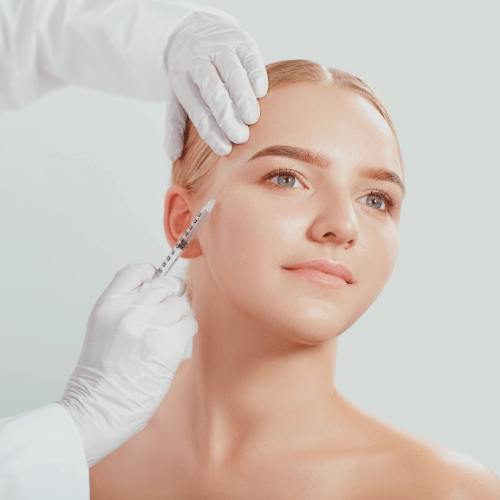
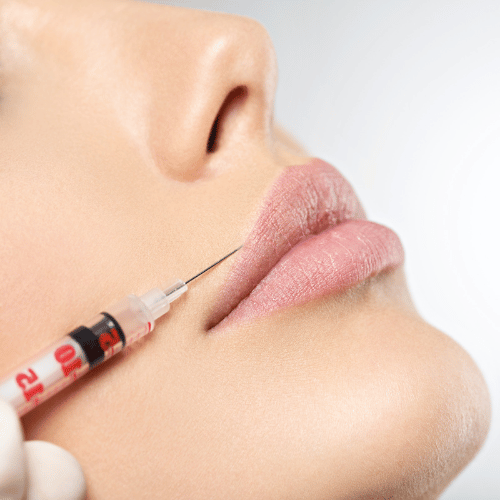
Patients considering botulinum toxin therapy should discuss available options with licensed healthcare professionals who can recommend the most suitable approach based on their goals and clinical assessment.

Botox or Fillers? Choosing the Right Treatment for Your Face

There is no universal answer because every face ages differently. Many individuals ultimately achieve the most satisfying results through a personalized combination treatment plan. At the end of the day, Botox and dermal fillers are not competing treatments—they simply help with different concerns. Botox is usually best for softening lines caused by repeated facial movement, while fillers are used when the face needs more volume, support, or definition.

The best choice depends on what you want to improve, how your face naturally moves, and where aging or volume loss is showing. Some people may only need Botox, others may benefit more from fillers, and many get the most natural-looking result from a careful combination of both.

If you are considering treatment, the most helpful next step is to speak with a qualified medical provider who can assess your facial anatomy, listen to your goals, and recommend an approach that keeps your results balanced, subtle, and true to your features. For patients interested in botulinum toxin options, products such as Innotox may be discussed as part of a personalized treatment plan.

image

Botox for Men: Why More Men Are Getting Treatments 

For a long time, cosmetic injectables were mostly seen as treatments for women—but that idea has changed a lot. Today, more men are exploring non-surgical aesthetic options to look fresher, more rested, and more confident without making dramatic changes. From executives and entrepreneurs to athletes and content creators, men are turning to botulinum toxin treatments to soften signs of aging while still looking like themselves.

The rise of “Brotox”—a casual nickname for Botox treatments among men—shows how attitudes around grooming and self-care are evolving. Many men now see aesthetic treatments as another way to take care of themselves, much like staying active, following a skincare routine, or dressing well. The goal is simple: to look well-rested and youthful without surgery or a long recovery period.

Products like Innotox, a ready-to-use liquid botulinum toxin formulation developed in South Korea, have also caught the attention of aesthetic practitioners because they are convenient and consistent to prepare. While every patient has different goals, most men are looking for the same kind of result: subtle improvements that make them look refreshed—not overdone.

Why More Men Are Seeking Botox Treatments

A Forbes article on Brotox talks about how men are now encouraged to take care of their skin, and soap and water just won’t cut it. Fortunately, in Korea, men have been more conscious of their skin, piling up facial products in their routine without hesitation, understanding that the importance of prevention is better than treatment when it comes to aging skin. This may be the push to more development of skincare treatments and products tailored to men. Botox may be the starting line to men’s aesthetics, but the possibilities opened are endless. 

Several factors have contributed to the growing acceptance of aesthetic procedures among men, such as the following:

  1. Greater Awareness of Preventive Aging

More men are choosing Botox before lines become deeper and harder to soften. Wrinkles often start as expression lines from everyday movements like frowning, squinting, or raising the eyebrows. Over time, these lines can become visible even when the face is relaxed. By treating them early, men can help soften muscle movement and slow the development of deeper wrinkles. This is especially common among men in their late 20s to 40s who want to maintain a fresh, youthful look without making a drastic change.

  1. Competitive Professional Environments

In many workplaces, appearance can play a role in first impressions. Skills and experience still matter most, but looking well-rested, confident, and approachable can make a difference in how someone is perceived by clients, colleagues, and employers.

Men who spend a lot of time on video calls, presentations, or client-facing work may also become more aware of forehead lines or frown lines, especially on camera. For many, treatment is less about looking different and more about looking less tired.

  1. Increased Presence on Social Media

With high-definition phone cameras, video content, and social media now part of everyday life, people are more aware of how their face looks in photos and videos. This has encouraged more men to consider subtle aesthetic treatments that help them look refreshed while still looking natural.

  1. Reduced Stigma Around Cosmetic Procedures

Cosmetic treatments are no longer seen only as vanity. For many men, they are simply another part of self-care—like working out, taking care of their skin, visiting the dentist, or dressing well. Injectable treatments have become one more option for men who want to feel confident about how they look.

The Benefits of Botox for Men

  1. Natural-Looking Rejuvenation

Modern techniques emphasize subtle improvements. Friends and colleagues often notice that someone looks refreshed without identifying exactly why.

  1. Non-Surgical Solution

Unlike surgical procedures, botulinum toxin injections require no incisions or general anesthesia, making them appealing to individuals seeking minimally invasive options.

  1. Minimal Downtime

Most patients return to work or normal daily activities shortly after treatment, making appointments convenient even during busy schedules.

  1. Prevention of Wrinkle Progression

Reducing repetitive muscle contractions may slow the deepening of expression lines over time when incorporated into a long-term maintenance plan.

  1. Enhanced Confidence

Many men report feeling more confident in professional settings, social interactions, and photographs after achieving a rested, youthful appearance.

Common Botox Treatment Areas for Men

Although treatment techniques may differ slightly between men and women due to anatomical differences, many of the same facial areas can be addressed.

Forehead Lines

Horizontal forehead creases often develop from repeatedly raising the eyebrows. Treatment can soften these lines while preserving natural movement when administered appropriately.

Glabellar Lines (“11” Lines)

The vertical lines between the eyebrows can make someone appear angry, stressed, or tired even when relaxed. Relaxing the underlying muscles often creates a friendlier and more approachable expression.

Crow’s Feet

Fine lines around the outer corners of the eyes become more noticeable during smiling and squinting. Treatment helps reduce their appearance while maintaining expressive facial movements.

Bunny Lines

Wrinkles that form along the bridge or sides of the nose during smiling or facial expressions can also respond well to botulinum toxin injections.

Chin Dimpling

An overactive mentalis muscle may produce an uneven or pebbled chin appearance. Strategic treatment can create a smoother contour.

Jawline and Masseter Muscles

Some men pursue injections into enlarged masseter muscles for facial slimming or to address teeth grinding and jaw tension. Results may produce a softer lower-face profile over time.

Neck Bands

Visible platysmal bands can contribute to an aged appearance. Treating these muscles may help create a smoother transition between the jawline and neck.

TrapTox (Trapezius Muscle)

Botulinum toxin injections into the trapezius muscles have gained popularity among individuals seeking a slimmer shoulder profile or relief from muscle-related tension. Patient selection and appropriate dosing are important considerations.

How Botox Treatments Differ for Men

Although the treatment principles remain similar, male facial anatomy often requires a customized approach.

A. Stronger Facial Muscles—Men typically have larger and stronger facial muscles than women, which may require different dosing strategies to achieve balanced results.

B. Preservation of Masculine Features—The goal is not to feminize the face but to reduce excessive muscle activity while maintaining masculine contours and expressions. Experienced injectors tailor treatments to avoid overly elevated eyebrows or an unnaturally smooth forehead.

C. Individualized Assessment—Factors such as age, occupation, facial symmetry, muscle strength, and aesthetic goals influence treatment planning. A personalized consultation helps determine the most suitable injection pattern.

What Is Innotox?

Innotox is a liquid-form botulinum toxin type A product manufactured in South Korea. Unlike traditional products supplied as freeze-dried powder that require reconstitution before use, Innotox comes in a ready-to-use liquid formulation.

This characteristic may simplify preparation for trained healthcare professionals and reduce variability associated with dilution. The product has attracted international attention within aesthetic medicine because of its formulation and convenience. As with any botulinum toxin product, administration should be performed only by qualified medical professionals following applicable local regulations and clinical guidelines.

How To Use Innotox for Men’s Botox

Who Is a Good Candidate?

Suitable candidates often include healthy adults who wish to reduce dynamic wrinkles or prevent their progression. Individuals should have realistic expectations and seek treatment from qualified healthcare professionals who can assess their needs and discuss potential benefits and risks.

A thorough medical history and facial evaluation help determine whether botulinum toxin treatment is appropriate.

What to Expect During Treatment

The procedure itself is generally straightforward. A consultation begins with an assessment of facial anatomy, muscle activity, and treatment goals. The provider may ask the patient to raise the eyebrows, frown, smile, or squint to evaluate dynamic muscle movement.

Small amounts of botulinum toxin are then injected into targeted muscles using a fine needle. Most sessions take between 10 and 30 minutes, depending on the number of treatment areas. Discomfort is typically brief and often described as a minor pinching sensation.

Aftercare Recommendations

Following treatment, providers commonly recommend several simple precautions:

  • Avoid rubbing or massaging treated areas immediately after injections.
  • Remain upright for several hours unless otherwise instructed.
  • Delay strenuous exercise for the remainder of the day if advised by the provider.
  • Follow all individualized post-procedure instructions given during the appointment.

Minor redness or pinpoint swelling at injection sites usually resolves quickly.

When Will Results Be Visible?

Patients often begin noticing changes within several days, although full results typically become apparent after one to two weeks. The treated muscles gradually relax, reducing the appearance of dynamic wrinkles while preserving facial expression when dosing is appropriate.

Effects generally last several months, after which muscle activity slowly returns and maintenance treatments may be considered.

Combining Botox with Other Treatments 

For comprehensive facial rejuvenation, Botox may be combined with other non-surgical procedures depending on patient goals, including the following:

  • Hyaluronic acid dermal fillers for volume restoration
  • Skin boosters for hydration and skin quality improvement
  • Collagen-stimulating treatments
  • Laser therapies for pigmentation and texture concerns
  • Medical-grade skincare products
  • Chemical peels or microneedling where appropriate

Combination plans should always be individualized and supervised by trained practitioners.

Debunked Myths About Botox for Men 

Myth 1: Botox Creates a Frozen Face

When administered conservatively by an experienced injector, the objective is natural movement with softened expression lines rather than complete immobility.

Myth 2: Only Older Men Need Treatment

Many younger men pursue preventive treatments to delay wrinkle formation rather than reverse advanced aging.

Myth 3: People Will Notice You Had Work Done

Well-executed treatment is often subtle. Others may simply perceive that the patient looks rested, healthier, or less stressed.

Myth 4: Botox Is Only for Wrinkles

Beyond cosmetic uses, botulinum toxin has medical applications and may also be used in aesthetic practice to address concerns such as jaw muscle hypertrophy or excessive muscle activity in selected patients.

Innotox Botulinum Toxin: The Future of Male Aesthetics

The rise in male cosmetic treatments reflects changing attitudes toward aging and self-care. Rather than pursuing dramatic transformations, today’s male patients often seek subtle enhancements that preserve authenticity while helping them look more energetic and confident.

As techniques continue to evolve and innovative products like Innotox gain recognition in aesthetic medicine, men have more options than ever to address signs of aging with minimal disruption to daily life.

Botox for men has become a mainstream aesthetic treatment because it offers a practical, minimally invasive way to soften wrinkles and maintain a refreshed appearance. Whether addressing forehead lines, crow’s feet, frown lines, or jaw muscle prominence, individualized treatment plans can produce natural-looking results that complement masculine facial features.

The growing popularity of products such as Innotox highlights the ongoing innovation within aesthetic medicine, but the most important factor remains the expertise of the healthcare provider performing the injections. Men considering treatment should prioritize consultation with qualified professionals who understand facial anatomy, individualized dosing, and the importance of preserving natural expression while achieving aesthetic goals.

unnamed (92)

Innotox vs. Traditional Botox: What is the Difference?

Botox treatments have been one of the most sought-after non-surgical cosmetic procedures around the world for decades. Botulinum toxin injections have helped millions of people look youthful without surgery, smoothing forehead lines and softening crow’s feet and frown lines.

However, today, patients and aesthetic practitioners have more options than ever before. Innotox is one of the most talked-about innovations in the field, a unique liquid botulinum toxin formulation that has a number of advantages over traditional Botox products.

While both treatments serve the same primary purpose—temporarily relaxing facial muscles to reduce dynamic wrinkles—their formulations, preparation methods, and treatment experiences differ significantly. So, what exactly sets Innotox apart from traditional Botox? Let’s take a closer look through this comprehensive article.

Understanding Botulinum Toxin Treatments

Before comparing the two, it’s important to understand what botulinum toxin treatments actually do. Botulinum toxin type A is a purified neurotoxin that temporarily blocks communication between nerves and muscles. When injected into targeted muscles, it reduces muscle contractions that contribute to expression lines and wrinkles. Common treatment areas include forehead lines, glabellar lines (frown lines between the eyebrows), crow’s feet, bunny lines, chin dimpling, jawline contouring, and neck bands.

The goal is not to eliminate facial expressions entirely but to soften repetitive movements that lead to visible signs of aging. Modern treatments with Botox target producing natural expressions rather than that “frozen look” often associated with neurotoxins. There may be different strains of botulinum toxin, with Clostridium botulinum toxin type A as the most prevalent one, present in each formulation, but all have one central purpose—to reduce the appearance of various signs of aging, such as wrinkles and fine lines.

Additionally, botulinum toxin may be available in different concentrations and manufactured to be reconstituted differently and administered in a specific technique. For this article, we will be focusing on the difference between liquid Botox and lyophilized powder-based Botox products.

What Is Traditional Botox?

The term “Botox” is often used generically to describe all botulinum toxin treatments, but technically, Botox is a specific brand manufactured by Allergan Aesthetics. Traditional Botox products are supplied as a lyophilized powder, commonly referred to as freeze-dried botulinum toxin. Before treatment, practitioners must reconstitute the powder with sterile saline solution to create an injectable liquid. This process has been standard practice for many years and is widely accepted throughout aesthetic medicine.

Key Characteristics of Traditional Botox

  • Supplied in powder form
  • Requires dilution with saline
  • Preparation performed before treatment
  • Widely used globally
  • Effective for treating dynamic wrinkles
  • Extensive clinical history

While traditional Botox remains highly effective, the reconstitution process introduces certain variables that can affect consistency if not performed correctly.

What Is Innotox?

Innotox is a next-generation botulinum toxin product developed by Medytox Inc. Unlike conventional Botox formulations, Innotox comes as a ready-to-use liquid solution, eliminating the need for dilution before injection.

This innovation makes Innotox one of the first commercially available liquid botulinum toxin products in the aesthetic market. The pre-mixed formulation provides convenience for practitioners while offering greater consistency during treatment.

Key Characteristics of Innotox

  • Ready-to-use liquid formulation
  • No reconstitution required
  • Precise concentration
  • Reduced preparation time
  • Consistent dosing
  • Convenient storage and handling

Its liquid presentation is one of the primary reasons why many clinics and practitioners are increasingly interested in incorporating Innotox into their treatment offerings.

The Biggest Difference: Liquid vs. Powder

The most significant distinction between Innotox and traditional Botox lies in their formulation.

Traditional Botox

Traditional Botox arrives as a freeze-dried powder and requires mixing with saline before use. During reconstitution, practitioners determine the dilution ratio according to their treatment preferences and protocols. While experienced injectors can achieve excellent results, slight variations in dilution practices may occur between clinics.

Innotox

Innotox arrives in a pre-prepared liquid solution. There is no need to add saline or perform any mixing before administration. Because the product is already formulated at a fixed concentration, treatment consistency may be enhanced and preparation errors minimized. This ready-to-use approach is often viewed as one of Innotox’s most appealing advantages.

Consistency and Precision

One concern with powdered neurotoxins is that dilution practices can vary among providers. Although these differences are usually minor, the final concentration may differ slightly depending on how the product is reconstituted. With Innotox, every vial is supplied at a standardized concentration. This consistency can offer several benefits:

  • More predictable dosing
  • Reduced preparation variability
  • Improved workflow efficiency
  • Enhanced treatment standardization

Treatment Experience for Patients

From the patient’s perspective, the treatment experience is generally similar regardless of which product is used. Both involve:

  • Consultation and assessment
  • Facial mapping
  • Strategic injections
  • Minimal downtime
  • Gradual onset of results

Most sessions take less than 30 minutes and allow patients to return to daily activities shortly afterward. However, because Innotox requires no reconstitution, treatment preparation may be faster and more streamlined. While patients may not directly notice the preparation difference, clinics often appreciate the efficiency it provides.

Diffusion Characteristics

Diffusion refers to how a neurotoxin spreads after injection. Proper diffusion is important because it influences both effectiveness and precision. Some practitioners report that Innotox demonstrates smooth and predictable diffusion characteristics, allowing for accurate placement in targeted treatment areas. This can be especially beneficial when treating delicate facial regions where precision is essential. As with any injectable treatment, outcomes ultimately depend on:

  • Injector skill
  • Facial anatomy
  • Treatment goals
  • Product selection

Onset of Results

Many patients want to know how quickly they will see improvements. Individual response varies, but both products generally produce results within a similar timeframe.

Traditional Botox

Results from traditional Botox typically appear within 3 to 7 days after treatment, with full effects often visible within 10 to 14 days.

Innotox

With Innotox, many practitioners report that early visible improvement may be seen within several days, while full results typically develop within approximately 1 to 2 weeks.

Duration of Effects

One of the most common questions patients ask is “How long will my results last?” The answer depends on factors such as metabolism, muscle strength, treatment area, dosage, and lifestyle habits. Regular maintenance treatments help preserve results over time.

For both traditional Botox and Innotox, results commonly last for about 3 to 4 months. But some patients report after using Innotox that effects last longer depending on the treatment protocols. 

Protein Composition and Purity

Another notable aspect of Innotox is its formulation design. Innotox is manufactured using advanced purification technology intended to minimize unnecessary protein components while maintaining effectiveness.

A purified formulation may offer advantages such as the following:

  • Improved product stability
  • Consistent performance
  • Reduced likelihood of unwanted immune responses over long-term use

This focus on refinement reflects broader trends in aesthetic medicine toward more sophisticated injectable products.

Common Treatment Areas of Botulinum Toxin

Both Innotox and traditional Botox can be used for many of the same cosmetic indications. Popular treatment areas include:

  1. Forehead Lines

Repeated eyebrow movements create horizontal forehead creases over time. Neurotoxin treatments help soften these lines while maintaining natural expression.

  1. Glabellar Lines

Often called “11 lines,” these vertical wrinkles between the eyebrows are among the most frequently treated areas.

  1. Crow’s Feet

Fine lines around the eyes become more noticeable with smiling and squinting. Treatment can create a smoother, more refreshed appearance.

  1. Bunny Lines

Wrinkles on the sides of the nose can be reduced through carefully placed injections.

  1. Jawline Contouring

Masseter muscle treatment can create a slimmer facial profile while addressing jaw tension.

  1. Neck Bands

Botulinum toxin can improve the appearance of prominent platysmal bands in the neck.

Advantages of Innotox vs. Traditional Botox

While traditional Botox remains highly respected, Innotox offers several unique benefits.

But Which Option Is Better?

The truth is that there is no universal answer. The “better” option depends on different factors, like:

  • Practitioner’s preference
  • Treatment goals of the patient
  • Patient anatomy
  • Product availability
  • Clinical experience

Many providers appreciate Innotox for its convenience, consistency, and innovative liquid formulation. Others continue to rely on traditional Botox due to its long-established history and familiarity. When administered by a qualified professional, both options can deliver excellent aesthetic outcomes. As awareness grows, Innotox continues to gain popularity among aesthetic professionals worldwide; thus, Innotox may be appealing for the following:

  1. Patients seeking modern aesthetic solutions
  2. Clinics focused on treatment efficiency
  3. Practitioners who prefer ready-to-use formulations
  4. Individuals interested in consistent dosing
  5. Those exploring alternatives to conventional neurotoxins

The Future of Neurotoxin Treatments

The aesthetic industry is constantly evolving. Patients increasingly seek treatments that offer convenience, precision, consistency, and natural-looking outcomes. Innotox represents a significant advancement in botulinum toxin technology by addressing one of the traditional limitations of powdered neurotoxins: the need for reconstitution. As innovation continues, ready-to-use liquid neurotoxins may become an increasingly important part of modern aesthetic medicine.

Both Innotox and traditional Botox are effective solutions for reducing dynamic wrinkles and achieving a smoother, more youthful appearance. While they share the same fundamental mechanism of action, their formulations differ considerably. Traditional Botox is supplied as a freeze-dried powder that requires reconstitution before use, whereas Innotox arrives as a ready-to-use liquid formulation. This distinction offers advantages in consistency, convenience, and treatment efficiency that many practitioners value.

For patients, the choice often comes down to the expertise of the injector and the treatment plan designed to achieve their desired results. Whether you choose Innotox or a traditional Botox product, consulting with an experienced aesthetic professional is the best way to determine the most appropriate option for your unique needs.

As the field of aesthetic medicine advances, innovations like Innotox are helping redefine what patients and providers can expect from modern neurotoxin treatments, making cosmetic procedures more precise, efficient, and accessible than ever before.

unnamed (91)

Preventative Botox with Innotox: Should You Start in Your 20s?


In recent years, preventative Botox has become one of the fastest-growing trends in aesthetic medicine. Unlike traditional Botox treatments that target existing wrinkles, Preventative Botox focuses on stopping dynamic lines from becoming permanent in the first place. It is often termed “Baby Botox” by the younger millennial generation, as it does not necessarily treat deep and severe facial wrinkles but targets finer lines surrounding sensitive areas and prevents the formation of more wrinkles often caused by repetitive expressions. 

Many individuals in their 20s are now considering neurotoxin treatments as part of their long-term skincare strategy. Social media, increased awareness of aesthetic procedures, and advancements in injectable products have all contributed to the growing popularity of early wrinkle prevention. Among the latest innovations in the field is Innotox, a unique liquid botulinum toxin type A product developed in South Korea. Known for its ready-to-use formulation and consistent performance, Innotox has become a preferred choice among practitioners and patients alike.

But should you really start Botox in your 20s? And is Innotox a suitable option for Preventative treatments? This article will lead you to explore the facts about preventative Botox and help you to decide whether to add Botox to your skincare regimen or not.

What Is Preventative Botox?

“Preventative Botox” refers to the use of botulinum toxin injections before wrinkles become deeply etched into the skin. The goal is to reduce repetitive muscle movements that eventually lead to visible lines and creases. Every time you smile, frown, squint, or raise your eyebrows, facial muscles contract. Over time, these repeated movements create dynamic wrinkles. Initially, these lines only appear during facial expressions. As collagen production decreases with age and skin elasticity declines, the lines can become visible even when the face is at rest.

Preventative Botox works by relaxing targeted facial muscles, reducing the repetitive motion responsible for wrinkle formation. By limiting these movements early, many patients can delay or minimize the development of static wrinkles later in life. Rather than correcting aging signs after they appear, Preventative Botox aims to maintain smoother skin for longer. The American Academy of Facial Esthetics has reviewed and written a comprehensive analysis on how Preventative Botox can provide long-term benefits.

Why More People in Their 20s Are Choosing Botox

The idea of receiving Botox in your 20s may have seemed unusual a decade ago. Today, it has become increasingly common. Several factors have contributed to this shift:

  1. Greater Awareness of Preventative Aesthetics

Modern skincare has evolved beyond simple cleansing and moisturizing. Today’s consumers are highly informed about collagen loss, photoaging, and long-term skin health. Many individuals view Preventative Botox as a proactive investment similar to wearing sunscreen or using retinoids.

  1. Social Media Influence

Platforms such as Instagram, TikTok, and YouTube have increased awareness of aesthetic procedures among younger demographics. Influencers and skincare professionals frequently discuss preventative treatments and their potential benefits. As a result, younger patients are becoming comfortable exploring minimally invasive options before significant aging occurs.

  1. Improved Treatment Techniques

Modern injection techniques emphasize natural-looking results. Instead of creating a frozen appearance, practitioners often use smaller doses designed to soften excessive muscle activity while preserving natural facial expressions. This approach appeals to younger patients seeking subtle enhancement rather than dramatic change.

  1. Increased Focus on Long-Term Results

Many patients recognize that preventing wrinkles can be easier than correcting deep lines later. Preventative treatments often require lower doses and may help maintain smoother skin over time.

What Makes Innotox Different and Ideal for Preventative Botox?

Innotox has gained attention as one of the most innovative botulinum toxin products available today. Unlike traditional botulinum toxin products that are supplied in powder form and require reconstitution before use, Innotox comes in a ready-to-inject liquid formulation. This distinction offers several advantages.

Ready-to-Use Liquid Formula

One of Innotox’s most notable features is its pre-mixed liquid form. Since no reconstitution is required, practitioners can use the product immediately. This eliminates potential variations associated with dilution and may contribute to greater consistency during treatment.

Preservative-Free Formulation

Innotox is formulated without human serum albumin, making it unique among many botulinum toxin products. Its manufacturing process utilizes advanced biotechnology techniques designed to maintain stability and efficacy.

Consistent Dosing

Because the product arrives ready for injection, dosing consistency can be easier to maintain. This can be especially beneficial for Preventative treatments where precision and subtle results are essential.

Comfortable Treatment Experience

Many practitioners report that Innotox’s liquid formulation allows for smooth administration and predictable diffusion patterns when injected appropriately. These characteristics make it a popular choice for patients seeking refined, natural-looking outcomes.

How Preventative Botox Works in Your 20s

Preventative Botox is based on a simple principle: reducing repetitive muscle activity before wrinkles become permanently etched into the skin. When facial muscles repeatedly contract, the overlying skin folds in the same locations. Over years of repeated movement, these folds gradually deepen. Common examples include:

  • Forehead lines
  • Frown lines between the eyebrows
  • Crow’s feet around the eyes
  • Bunny lines on the nose
  • Chin dimpling

By strategically relaxing these muscles, Innotox can help reduce the mechanical stress placed on the skin. The result is often slower wrinkle development and smoother skin texture over time.

It’s important to understand that Preventative Botox does not stop aging. Instead, it may help delay certain visible signs associated with repetitive facial movement.

Moreover, treatment frequency varies based on individual metabolism, muscle strength, and aesthetic goals. Many patients schedule treatments every three to four months. Others may maintain results with less frequent sessions depending on their response to the product. A customized treatment plan developed by an experienced practitioner is the best approach.

Are You a Good Candidate for Preventative Innotox Treatments?

Not everyone in their 20s needs Preventative Botox. The ideal candidate is someone who already exhibits noticeable dynamic lines during facial expressions or has strong facial muscle activity that may contribute to early wrinkle formation. You may be a suitable candidate if:

  • You notice visible forehead lines when raising your eyebrows.
  • Frown lines remain visible for a short time after expression.
  • Crow’s feet appear prominently when smiling.
  • You have a family history of early wrinkle development.
  • You want a proactive approach to aging prevention.

On the other hand, individuals with minimal facial movement and no visible dynamic lines may not require treatment at this stage. A qualified practitioner can assess your facial anatomy and determine whether Preventative treatment is appropriate.

Common Areas Treated with Preventative Innotox

Forehead Lines

The forehead is one of the first areas where expression lines develop. Repeated eyebrow elevation can gradually create horizontal creases. Small doses of Innotox can soften muscle activity while maintaining natural movement.

Glabellar Lines

Often called “11 lines,” these vertical wrinkles appear between the eyebrows due to frowning and concentration. Preventative treatment in this area is particularly popular among younger patients.

Crow’s Feet

The muscles surrounding the eyes are constantly engaged during smiling and squinting. Early intervention may help minimize wrinkle formation in this delicate area.

Bunny Lines

These small wrinkles appear on the sides of the nose during certain facial expressions. Although often overlooked, bunny lines can become more noticeable with age.

Chin and Lower Face

Some younger patients experience excessive chin dimpling caused by overactive mentalis muscles. Targeted injections can help create a smoother appearance while preserving facial harmony.

Benefits of Starting Preventative Botox Early

1.     Delayed Wrinkle Formation – The primary benefit is slowing the progression of dynamic wrinkles into static wrinkles.

2.     Lower Treatment Requirements Patients who begin treatment earlier may require smaller doses compared to those seeking correction of established wrinkles.

3.     Natural-Looking Results – Preventative treatments often focus on subtle muscle relaxation rather than significant correction, helping maintain a youthful appearance without obvious signs of cosmetic intervention.

4.     Enhanced Skin Preservation – By reducing repetitive folding, Preventative Botox may complement skincare routines aimed at maintaining collagen and skin quality.

5.     Improved Confidence – Many patients appreciate feeling proactive about their appearance and long-term skin health.

6.     Potential Drawbacks to Consider – Although Preventative Botox offers several advantages, it is not necessary for everyone.

7.     Financial Commitment – Maintaining results requires ongoing treatments. Patients should consider the long-term investment involved.

8.     Individual Variation – Aging patterns differ significantly from person to person. Some individuals may naturally develop wrinkles later than others.

9.     Realistic Expectations – Preventative Botox can reduce wrinkle formation, but it cannot completely stop aging or replace good skincare habits.

10.  Need for Qualified Providers – Proper assessment and injection technique are critical to achieving natural results and avoiding unwanted outcomes.

Preventative Botox vs. Traditional Botox

The primary difference lies in timing. Traditional Botox focuses on reducing existing wrinkles and softening visible signs of aging. Preventative Botox focuses on delaying wrinkle formation before permanent lines develop. Patients in their 20s typically receive smaller doses and more conservative treatments than older individuals seeking correction of established wrinkles. The goal is preservation rather than restoration.

  1. Maximizing Results with Innotox

Preventative Botox works best when combined with a comprehensive skincare and wellness strategy.

  1. Wear Sunscreen Daily

UV exposure remains one of the leading causes of premature skin aging. Daily sunscreen use is essential regardless of age.

  1. Use Evidence-Based Skincare

Ingredients such as retinoids, vitamin C, peptides, and hyaluronic acid can support overall skin health.

  1. Stay Hydrated

Proper hydration contributes to skin elasticity and overall appearance.

  1. Avoid Smoking

Smoking accelerates collagen breakdown and contributes significantly to premature aging.

  1. Maintain Healthy Lifestyle Habits

Regular exercise, balanced nutrition, quality sleep, and stress management all influence skin quality and aging.

Final Thoughts: Should You Start Innotox in Your 20s?

Preventative aesthetics continue to evolve as younger generations embrace proactive skincare and minimally invasive treatments. Rather than waiting for wrinkles to become deeply established, many individuals are choosing targeted interventions designed to maintain youthful skin for longer. Products like Innotox reflect this shift toward precision, consistency, and natural-looking outcomes. As research continues and treatment techniques advance, Preventative Botox is likely to remain a significant part of modern aesthetic medicine.

The decision to start Preventative Botox in your 20s is highly personal and depends on your facial anatomy, muscle activity, genetics, and aesthetic goals. For some individuals, early treatment with Innotox may help delay wrinkle formation and preserve smoother skin over time. For others, a strong skincare routine and sun protection may be sufficient until later years.

The most important step is consulting with a qualified medical professional who can evaluate your needs and create an individualized treatment plan.

When performed appropriately, Preventative Botox with Innotox can be a valuable tool in a comprehensive anti-aging strategy, helping patients maintain natural, youthful-looking skin while embracing a proactive approach to aesthetic care.