image

Lip Flip vs. Lip Filler: Which Is Better?

Lip Flip vs. Lip Filler: Which Treatment Is Better for Natural-Looking Lips?

The desire for fuller, more youthful lips has never been greater. Social media, celebrity beauty trends, and advances in cosmetic medicine have all contributed to the popularity of lip enhancement treatments. Yet many people still find themselves asking the same question:

Should I get a lip flip or lip filler?

Although both treatments aim to improve the appearance of the lips, they achieve their results in very different ways. One relaxes muscles to subtly enhance the upper lip, while the other physically adds volume through injectable fillers.

If you’re considering a minimally invasive cosmetic procedure, understanding the differences between these two popular options can help you choose the treatment that best matches your goals.

In this guide, we’ll compare lip flips and lip fillers, explain how each procedure works, discuss their benefits and limitations, and explore where Innotox, the ready-to-use liquid botulinum toxin, fits into modern lip enhancement.

What Is a Lip Flip?
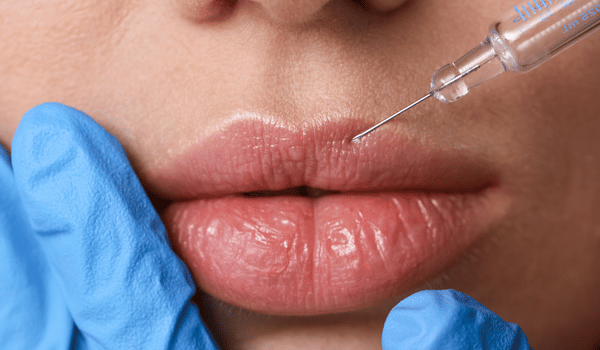
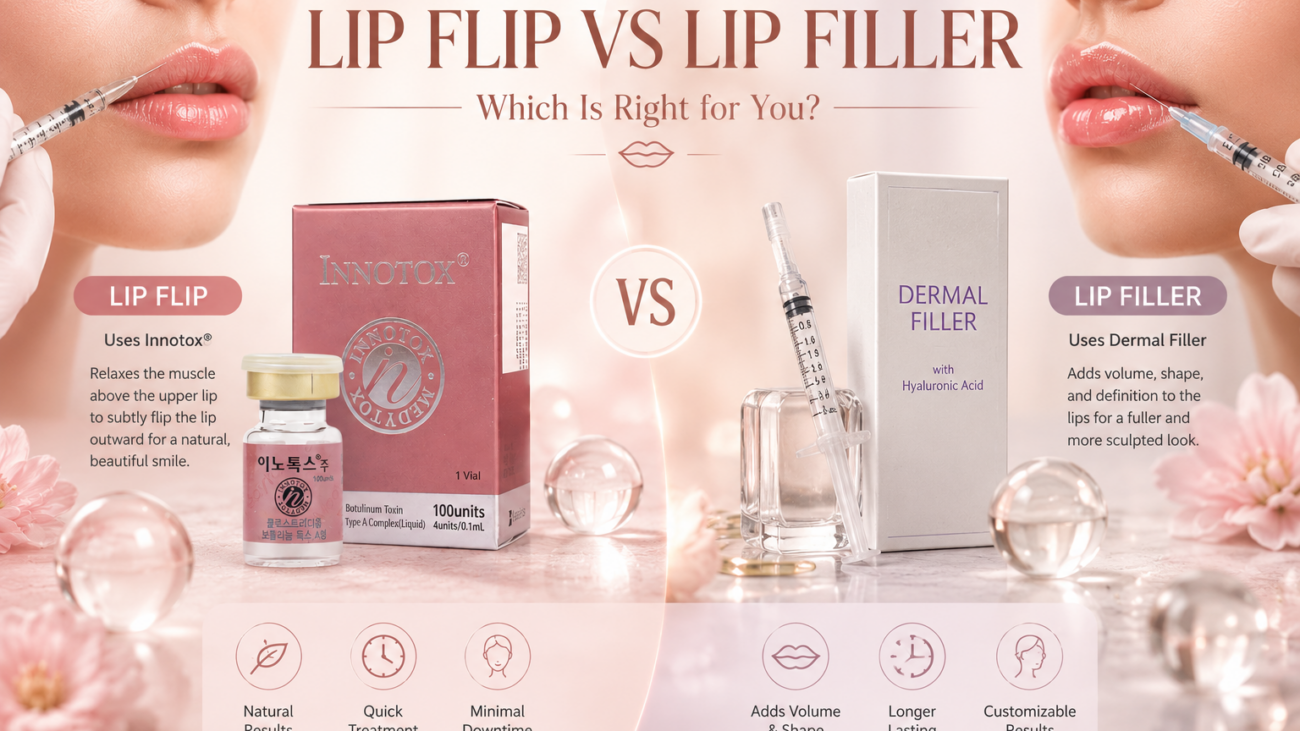
A lip flip is a cosmetic treatment that uses very small amounts of botulinum toxin to relax the muscles around the upper lip. Instead of adding volume, the treatment allows the upper lip to gently roll outward, exposing more of the pink lip tissue (vermilion). This creates the illusion of a fuller upper lip without increasing its actual size.

The procedure has become especially popular among people who want the following:

  • A subtle enhancement
  • Better upper lip definition
  • Less “gummy smile”
  • Natural-looking results
  • Minimal downtime

Since the treatment only affects the muscles surrounding the lips, facial expressions remain largely unchanged when performed by an experienced injector.

What Is Lip Filler?
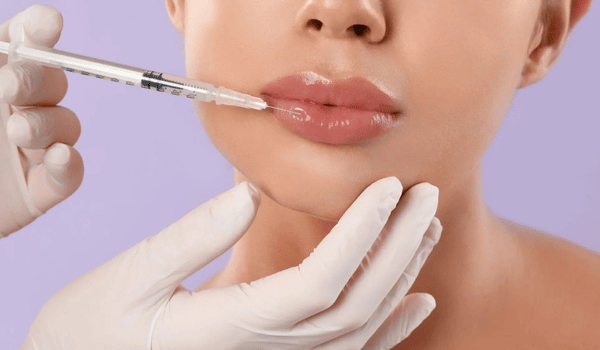
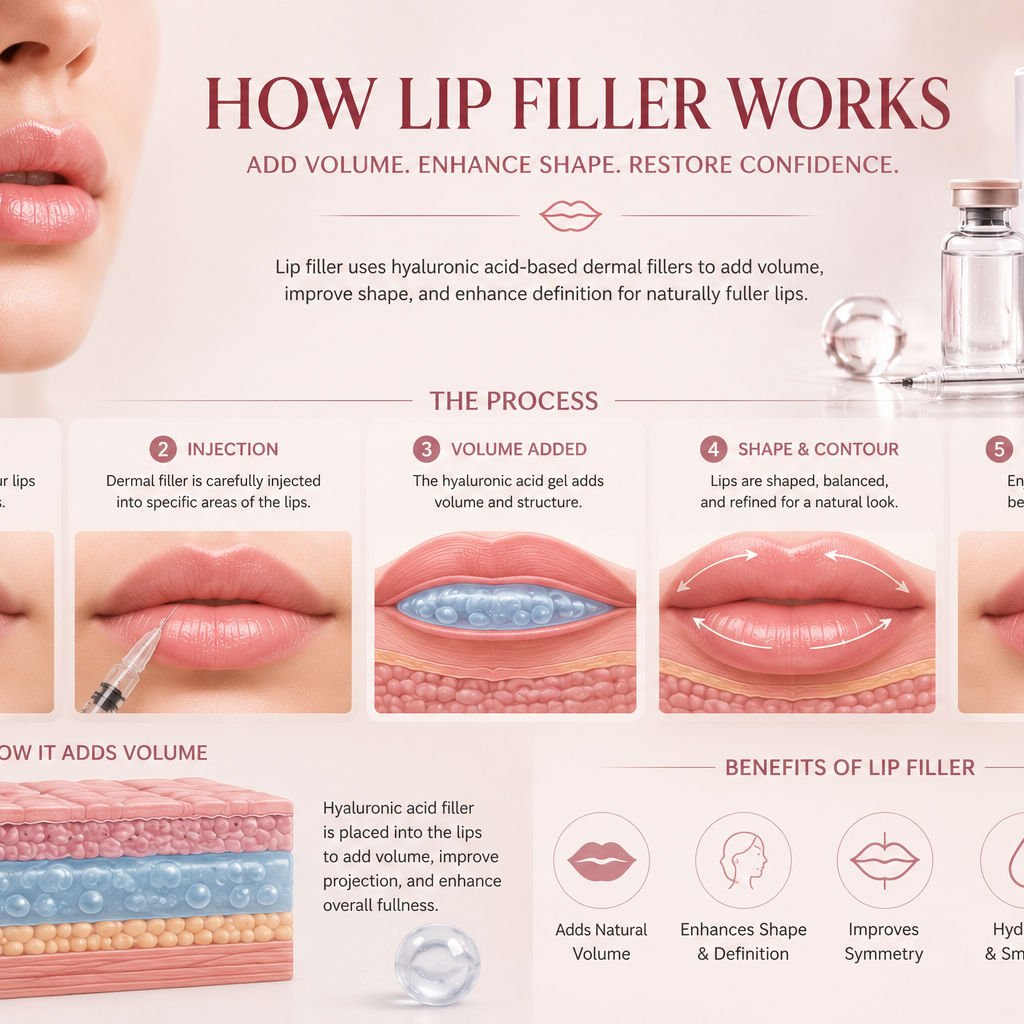
Lip fillers use injectable dermal fillers—most commonly those made from hyaluronic acid—to physically increase lip volume. Unlike a lip flip, fillers actually occupy space within the lips, allowing practitioners to reshape, contour, and enlarge both the upper and lower lips. Learn more about the differences between botulinum toxin injections and dermal fillers in this article.

Lip fillers can address the following:

  • Thin lips
  • Lip asymmetry
  • Age-related volume loss
  • Poor lip definition
  • Fine vertical lip lines

Because filler physically changes the lip structure, the transformation is generally more dramatic than a lip flip.

Lip Flip vs. Lip Filler: The Biggest Difference

The easiest way to understand these treatments is to remember one simple distinction:

  • A lip flip changes muscle movement.
  • Lip filler changes lip volume.

A lip flip relaxes the muscles surrounding the mouth so the upper lip gently rolls outward. While a lip filler injects gel into the lips themselves, making them larger, fuller, and more sculpted. This fundamental difference affects nearly every aspect of the treatment, including results, longevity, cost, recovery, and ideal candidates.

Comparison Table: Lip Flip vs. Lip Filler

FeatureLip FlipLip Filler
Uses Botulinum ToxinYesNo
Adds VolumeNoYes
Creates Fuller AppearanceYes (illusion)Yes (actual volume)
Procedure Time10–15 minutes20–40 minutes
DowntimeMinimalMild swelling and bruising
Results Begin3–7 daysImmediate (with swelling)
Final ResultsAround 2 weeks1–2 weeks
Duration2–4 months6–12 months
ReversibleNaturally wears offMost HA fillers can be dissolved
Best ForSubtle enhancementNoticeable volume increase

How Does a Lip Flip Work?

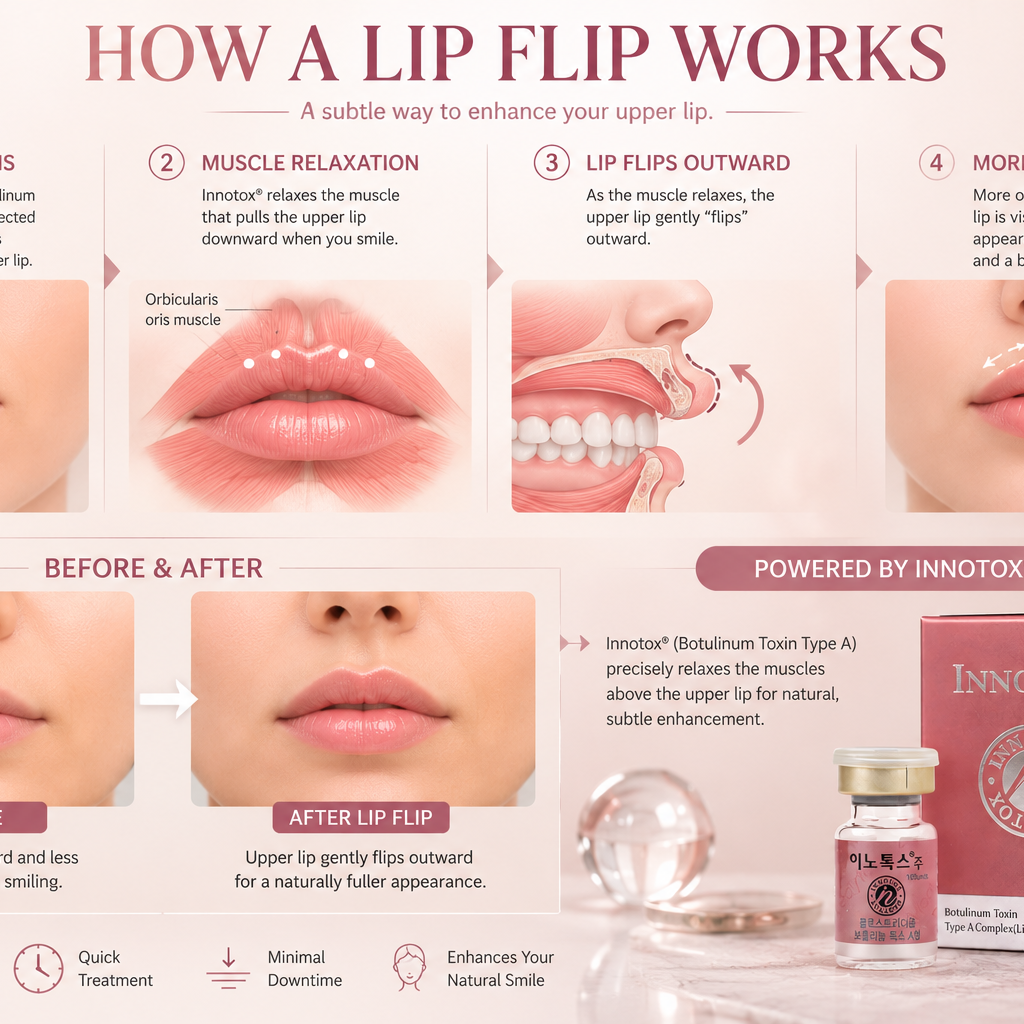
The upper lip is controlled by a circular muscle known as the orbicularis oris. During a lip flip, tiny injections of botulinum toxin are placed into strategic points of this muscle. As the muscle relaxes:

  • The upper lip curls outward
  • Less of the lip rolls inward while smiling
  • More lip becomes visible
  • The smile appears softer
  • The upper lip looks fuller

Importantly, the lip itself does not become larger. Instead, its position changes. This subtle adjustment is what gives the treatment its naturally enhanced appearance.
How Lip Fillers Work

Lip fillers use cross-linked hyaluronic acid, a substance naturally found within the skin. After injection, the filler:

  • Adds structural support
  • Increases lip projection
  • Improves hydration
  • Enhances border definition
  • Restores youthful fullness

Because filler occupies physical space, practitioners can customize the following:

  • Lip shape
  • Cupid’s bow
  • Lip height
  • Lip width
  • Symmetry
  • Overall volume

Where Does Innotox Fit Into a Lip Flip?
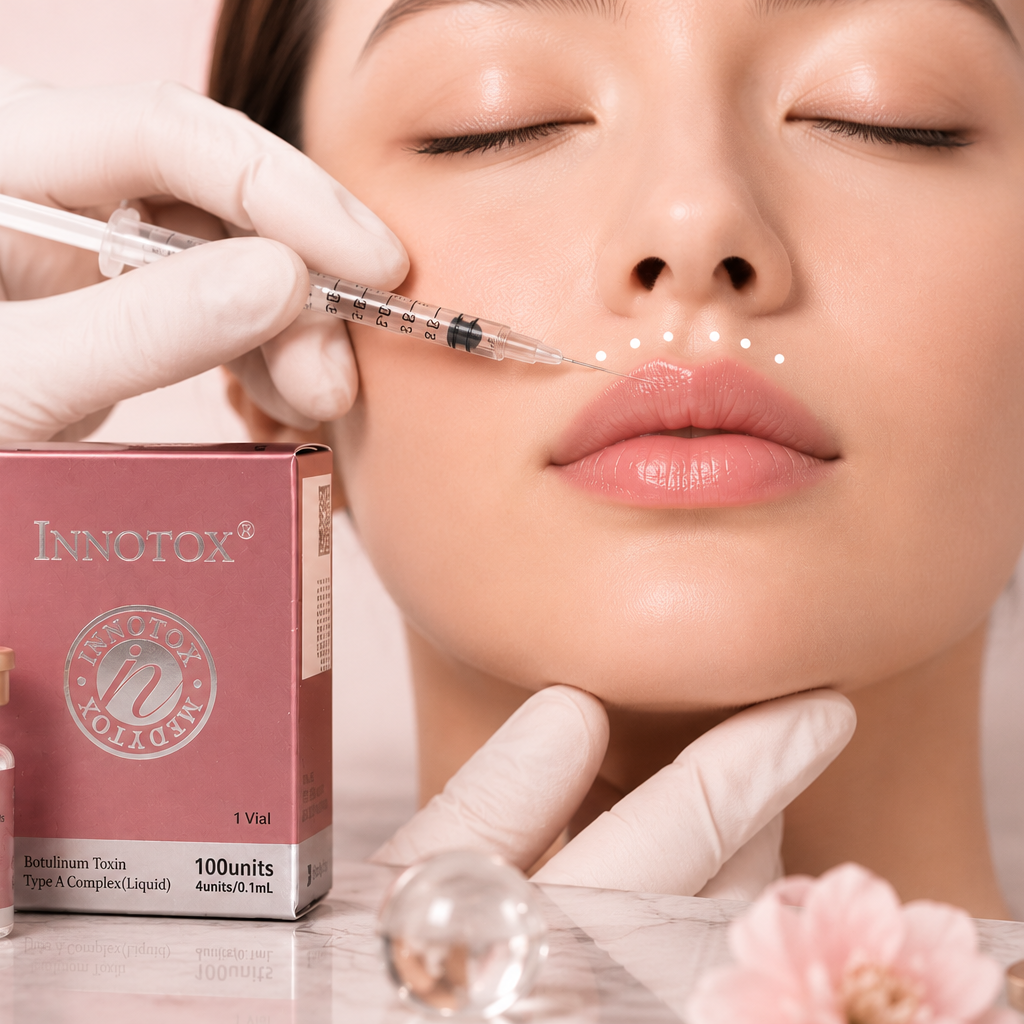
A lip flip requires a purified botulinum toxin—not dermal filler. This is where Innotox becomes relevant. Innotox is a ready-to-use liquid botulinum toxin formulation that does not require reconstitution before injection. For trained medical professionals, this offers several practical advantages, including:

  • Consistent preparation
  • Streamlined treatment workflow
  • Accurate dosing
  • Convenient handling
  • Reliable injection precision

Because lip flips rely on extremely small doses placed with precision, consistency is especially important for achieving natural-looking results. As with all botulinum toxin treatments, Innotox should only be administered by qualified healthcare professionals.

Benefits of Choosing a Lip Flip vs. Lip Filler

Which Treatment Looks More Natural and How Long Do Results Last?

This depends entirely on the patient’s starting point and treatment goals. If someone simply wants slightly more visible lips, a softer smile, and subtle enhancement, a lip flip often appears exceptionally natural. But if someone has naturally thin lips or significant volume loss, fillers may actually produce the more balanced and natural result because they restore missing structure. When performed conservatively, both treatments can deliver beautiful, natural outcomes.

Additionally, one of the biggest differences involves longevity. 

For those who have undergone lip flip treatments, most patients enjoy results for approximately 8–12 weeks; sometimes effects can last up to 4 months. Because facial muscles around the mouth move constantly while eating and speaking, the effects generally fade faster than Botox treatments elsewhere on the face.

On the other hand, those who were injected with lip fillers will experience varied duration results. Depending on the product used, fillers typically last for 6–12 months or occasionally longer.

Longevity depends on metabolism, lifestyle, and the specific filler chosen.

Recovery After Each Treatment

Lip Flip Recovery

Recovery is generally very simple. Patients may experience a few side effects, such as tiny injection marks, mild redness, and minimal swelling. These effects usually disappear within hours. To facilitate quick recovery, most providers recommend avoiding the following:

  • rubbing the area
  • strenuous exercise for 24 hours
  • lying flat immediately after treatment

Lip Filler Recovery

In contrast, lip fillers typically involve the following:

  • temporary swelling
  • tenderness
  • bruising
  • firmness

Swelling often peaks within the first 24–48 hours before gradually improving over the following week. Final results usually become apparent after one to two weeks.

Who Are the Best Candidates for a Lip Flip vs. Lip Fillers?

You may be an excellent candidate for a lip flip procedure if you:

  1. Want a subtle enhancement
  2. Like your natural lip size
  3. Have a disappearing upper lip when smiling
  4. Want to reduce a gummy smile
  5. Prefer minimal downtime
  6. Are trying cosmetic injectables for the first time

Lip fillers may be ideal if you:

  1. Have naturally thin lips
  2. Want significantly fuller lips
  3. Have noticeable asymmetry
  4. Lost lip volume with aging
  5. Want more defined borders
  6. Desire longer-lasting results

Can You Combine a Lip Flip and Lip Filler?

Yes—and many experienced injectors do exactly that. Rather than viewing the treatments as competitors, they often complement one another. A combined approach can provide the following:

  • Better upper lip projection
  • Enhanced volume
  • Improved smile balance
  • More defined Cupid’s bow
  • Natural facial harmony

In many cases, patients first receive filler to establish volume and shape, followed by a lip flip using botulinum toxin to optimize the upper lip’s position. This combination can produce a refined, balanced appearance without making the lips look overfilled.

Common Myths About Lip Flips

Myth #1: “A Lip Flip Makes Lips Bigger”

Not exactly. It creates the appearance of fuller lips but does not add actual volume.

Myth #2: “Lip Fillers Always Look Fake”

Modern injection techniques prioritize subtle enhancement. When performed conservatively, fillers can look incredibly natural.

Myth #3: “A Lip Flip Is Permanent”

No. The effects gradually wear off as muscle activity returns.

Myth #4: “Anyone Can Perform These Procedures”

These treatments require extensive anatomical knowledge and should only be performed by qualified medical professionals. Proper injection technique is essential for achieving safe, natural-looking results.

Lip Flip or Lip Filler? Choosing the Right Treatment For You

Before deciding, consider your primary goal. If you want a slight enhancement with little commitment, a lip flip may be the ideal starting point. But, if you’re looking for fuller lips, improved contour, or correction of volume loss, lip fillers may better suit your needs.

During a consultation, an experienced injector will evaluate your facial anatomy, lip proportions, smile dynamics, and aesthetic goals before recommending the most appropriate treatment. Remember that cosmetic enhancement is not about following trends—it’s about creating balance that complements your unique facial features.

Why Some Providers Choose Innotox for Lip Flip Procedures

Precision matters in every cosmetic injection, especially around the lips where only a few carefully placed units can influence the final result.

As a ready-to-use liquid botulinum toxin, Innotox eliminates the need for reconstitution, helping practitioners maintain consistency in preparation and dosing. For experienced injectors, this can contribute to efficient treatment workflows and predictable administration.

Ultimately, successful outcomes depend on proper patient assessment, anatomical expertise, and individualized treatment planning—not simply the product used. When administered by qualified professionals, Innotox can be an effective option for patients seeking the subtle muscle relaxation needed for a natural-looking lip flip.

Final Thoughts

The choice between a lip flip and lip filler ultimately comes down to the type of enhancement you’re looking for. A lip flip offers a subtle, natural-looking improvement by gently relaxing the muscles around the upper lip, making it an excellent option for those who want a more defined smile without adding volume. Lip fillers, on the other hand, physically enhance the lips by increasing their size, improving symmetry, and restoring youthful fullness.

Neither treatment is universally better—the right choice depends on your facial anatomy, aesthetic preferences, and desired outcome. For some individuals, a lip flip alone provides the perfect touch of refinement. Others may benefit more from fillers or even a combination of both procedures for a balanced, harmonious appearance.

For practitioners performing lip flip treatments, Innotox’s ready-to-use liquid formulation offers a convenient botulinum toxin option that supports precise administration. Regardless of the product used, achieving safe and natural-looking results always begins with treatment from a qualified, experienced medical professional who can tailor the procedure to your unique features and cosmetic goals.

Frequently Asked Questions

Is a lip flip painful?

Most patients experience only mild discomfort. The injections are quick and use very fine needles.

Can Innotox be used for a lip flip?

When deemed appropriate by a qualified medical professional, Innotox may be used as the botulinum toxin product for lip flip treatments. It should only be administered by trained practitioners.

Which lasts longer: a lip flip or lip filler?

Lip fillers generally last 6–12 months, while lip flips typically last around 2–4 months.

Can I eat after a lip flip?

Most patients can eat normally after treatment, although providers may recommend avoiding excessive manipulation of the lips immediately afterward.

Can I get both treatments on the same day?

In many cases, yes. Qualified practitioners often combine a lip flip with lip filler to achieve balanced, customized results based on the patient’s anatomy and goals.


image

Innotox 50 Units vs 100 Units: Which Is Right?

Innotox 50 Units vs. 100 Units: What’s the Difference and Which One Is Right for Your Treatment?

When researching cosmetic neurotoxin treatments, one of the most common questions patients ask is whether they should choose Innotox 50 Units or Innotox 100 Units. While both contain the same active ingredient and work through the same mechanism, the difference in unit size often leads to confusion about effectiveness, longevity, and who each option is intended for.

The good news is that the choice isn’t about which product is stronger—it’s about selecting the appropriate amount for your treatment plan.

Whether you’re considering wrinkle reduction for the first time or you’re an experienced aesthetic patient, understanding how Innotox 50U and 100U differ can help you have a more informed conversation with your medical provider.

In this guide, we’ll explain:

Let’s dive in.

What Is Innotox?

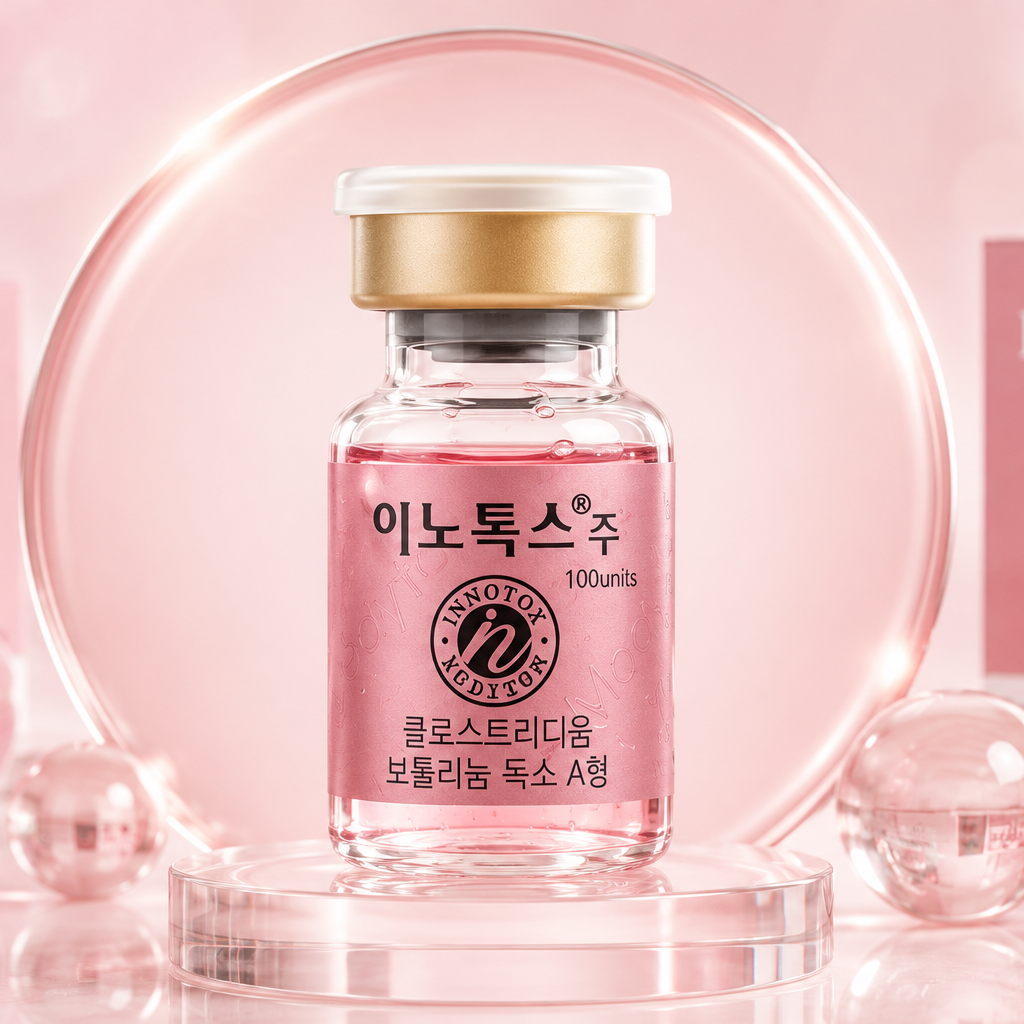
Innotox is a ready-to-use liquid botulinum toxin type A developed in South Korea. Unlike traditional botulinum toxin products that require reconstitution with saline before injection, Innotox is supplied as a liquid formulation.

This unique presentation offers several practical advantages for trained medical professionals, including:

  • No mixing before treatment
  • Consistent preparation
  • Reduced preparation time
  • Convenient handling in clinical settings

Like other botulinum toxin type A products, Innotox works by temporarily reducing muscle activity in carefully selected facial muscles. This softens the appearance of dynamic wrinkles that form through repeated facial expressions.

Common treatment areas include:

  • Forehead lines
  • Frown lines (glabellar lines)
  • Crow’s feet
  • Bunny lines
  • Chin dimpling
  • Lip flip procedures
  • Jawline slimming
  • Masseter reduction
  • Neck bands
  • Hyperhidrosis (in appropriate clinical settings)

What Do “50 Units” and “100 Units” Mean?

One of the biggest misconceptions is that Innotox 100U is stronger than Innotox 50U. But it actually is not; instead, the numbers simply indicate how many total units are contained in the vial. Think of it like purchasing a 500 mL bottle of water and a 1-liter bottle of water; the water itself is identical—the only difference is the total amount available.

Similarly, Innotox 50U and 100u are the same in active ingredient, formulation, concentration, and clinical performance. But the total units available for each product vial is different. However, the actual dose injected depends entirely on your provider’s treatment plan—not the vial size.

How Providers Decide Between Innotox 50U and 100U

Rather than selecting a vial based solely on your preferences, practitioners evaluate several important factors. These include:

Treatment Area

Smaller facial areas generally require fewer units, such as in areas mentioned below:

  • Crow’s feet
  • Bunny lines
  • Chin dimpling
  • Lip flip

In contrast, larger muscles may require more units, such as in the following areas:

  • Forehead
  • Masseter muscles
  • Platysmal neck bands
  • TrapTox (trapezius muscles)

Number of Areas Being Treated

Someone receiving injections only around the eyes may require significantly fewer units than someone treating multiple facial regions. This is where Baby Botox and Full-Dose Botox often enter. Preventing the appearance of wrinkles and fine lines in one single area is often common in young patients; hence, a lower dose of Innotox is highly recommended. 

For example, a single area, like around the eyes or the crow’s feet, will likely need only a 50U-dose while, a combination treatment of multiple areas from forehead lines, frown lines, crow’s feet, bunny lines, and chin alignment might require a higher dose of 100 units.

Muscle Strength

Every patient’s facial anatomy is unique. Some individuals have:

  • stronger forehead muscles
  • larger masseter muscles
  • more active frown muscles

Others naturally require fewer units to achieve their desired aesthetic outcome. This is why treatment is always individualized rather than standardized.

Cosmetic Goals

Treatment goals vary from person to person. Some patients prefer:

  • subtle softening
  • preserved facial movement
  • preventative wrinkle management

Others seek:

  • smoother skin
  • more noticeable wrinkle reduction
  • facial contouring
  • jawline slimming

The number of units used reflects these goals while aiming to maintain natural-looking facial expressions.

When Are Innotox 50U and Innotox 100U Commonly Used, Respectively and Are There Any Difference in Results?

A 50-unit vial may be suitable when the planned treatment requires a relatively lower total number of units. Depending on the provider’s assessment, this may include the following:

  • Forehead only
  • Crow’s feet
  • Bunny lines
  • Lip flip
  • Chin dimpling
  • Small touch-up treatments
  • Preventative wrinkle management
  • First-time cosmetic patients

Because the exact number of units varies among individuals, the remaining product should always be handled according to professional clinical protocols.

On the other hand, the 100-unit option is commonly selected when treating larger or multiple areas during the same appointment. Examples include:

  • Full upper-face rejuvenation
  • Forehead plus glabella plus crow’s feet
  • Masseter reduction
  • Jawline contouring
  • Neck rejuvenation
  • Combination facial treatments
  • Patients requiring higher overall dosing

For clinics with a high volume of neurotoxin procedures, the larger vial may also offer greater flexibility in treatment planning.

But the most essential question in the end is if there is a difference in results. The answer is no—when equivalent doses are administered, both Innotox 50U and 100U are expected to perform similarly because they contain the same formulation. The treatment outcome depends much more on factors such as proper patient assessment, injection technique, anatomy, muscle activity, dosage selection, aftercare, and individual response. The vial size itself does not make one version more effective than the other.

Does Innotox 100U Last Longer?

Another common myth is that the 100-unit vial provides longer-lasting results. In reality, treatment duration is related to the number of units injected into each muscle—not the total number of units contained in the vial. The longevity of results may vary based on factors such as:

  • treated area
  • muscle strength
  • metabolism
  • injection technique
  • individual biological response
  • treatment history

Many patients notice that results gradually wear off over several months, although the exact duration differs from person to person.

Which Option Is More Cost-Effective?

Cost-effectiveness depends on your treatment plan rather than the vial alone. For example, using Innotox 50U may be practical for:

  • smaller treatments
  • first-time patients
  • limited treatment areas

While Innotox 100U may be preferred for:

  • multiple treatment areas
  • higher-unit procedures
  • clinics treating several patients according to proper clinical handling guidelines

Ultimately, patients are generally charged based on the number of units administered or the treatment area—not simply on the vial size used.

Common Treatment Examples

The following examples illustrate how providers may tailor treatment plans. Actual dosing varies by practitioner and patient.

TreatmentTypical Unit Requirement*
Crow’s feetLower unit requirement
Bunny linesLower unit requirement
Lip flipLower unit requirement
Chin dimplingLower unit requirement
ForeheadModerate requirement
Glabellar linesModerate requirement
Full upper faceHigher overall requirement
Masseter slimmingHigher requirement
Neck bandsHigher requirement
TrapToxHigher requirement

*Treatment plans should always be individualized by a qualified healthcare professional.

Factors That Matter More Than Vial Size

While patients often focus on choosing between 50U and 100U, several other factors have a much greater impact on treatment success.

  1. Provider Experience

A skilled injector understands facial anatomy, muscle balance, and individualized dosing. Proper assessment often contributes more to a satisfying outcome than the vial size itself.

  1. Personalized Treatment Planning

No two faces are identical. An experienced practitioner evaluates muscle movement, facial symmetry, wrinkle patterns, treatment goals, and previous neurotoxin history. This helps create a customized approach rather than relying on a one-size-fits-all dosing strategy.

  1. Realistic Expectations

Botulinum toxin treatments are designed to soften dynamic facial lines—not completely eliminate every wrinkle or dramatically change facial appearance. Patients seeking subtle, refreshed results often report greater satisfaction than those expecting perfection.

  1. Proper Aftercare

Following your provider’s aftercare recommendations supports the treatment process. These may include guidance on:

  1. avoiding rubbing the treated area
  2. postponing strenuous exercise for a short period
  3. remaining upright immediately after treatment when advised
  4. attending follow-up appointments if needed

Final Thoughts

Choosing between Innotox 50U and 100U is less about selecting a “better” product and more about understanding that both formulations are designed to deliver the same clinical performance when used appropriately.

The real difference lies in the total number of units available, making each vial suitable for different treatment plans and practice needs. Whether you’re addressing a single area such as crow’s feet or undergoing a more comprehensive facial rejuvenation session, your provider will determine the appropriate dosage based on your facial anatomy, muscle activity, aesthetic goals, and the areas being treated.

Rather than focusing solely on vial size, patients should prioritize working with a qualified medical professional who can create a personalized treatment plan that balances effectiveness with natural-looking results. With the right assessment and injection technique, both Innotox 50U and 100U can play an important role in achieving refreshed, balanced, and youthful facial aesthetics.

Frequently Asked Questions

Is Innotox 100U stronger than 50U?

No. Both products contain the same liquid botulinum toxin formulation. The difference lies only in the total number of units available in the vial.

Will I get better results with 100U?

Not necessarily. Results depend on the number of units injected, your facial anatomy, muscle activity, and your provider’s technique—not the vial size itself.

Is 50U enough for full-face treatment?

It depends on the individual’s treatment goals and the areas being addressed. Some patients may require fewer units, while others may need more for multiple treatment areas.

Which option is better for first-time patients?

Many first-time patients begin with smaller, personalized treatment plans. The choice of vial is generally determined by the treating practitioner based on the anticipated total units needed.

Can unused units be saved?

Handling and storage of opened vials should always follow the manufacturer’s recommendations, local regulations, and the treating clinic’s protocols.

image

Liquid Botulinum Toxin Myths Debunked: Innotox Facts

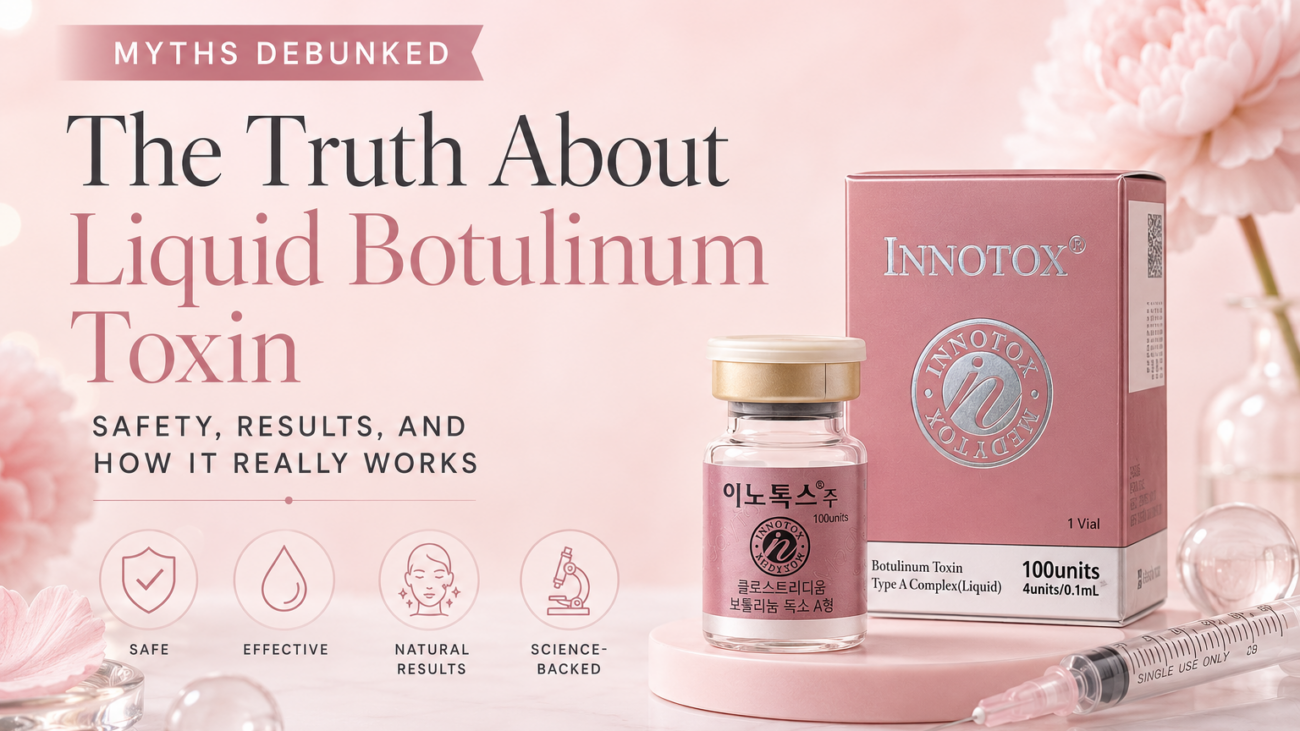
Liquid Botulinum Toxin Myths Debunked: The Truth About Innotox, Safety, Results, and How It Really Works

Liquid botulinum toxin has become one of the most talked-about innovations in aesthetic medicine. As more patients and practitioners discover products like Innotox, curiosity continues to grow—but so do the misconceptions.

Social media, online forums, and word-of-mouth recommendations have helped introduce liquid botulinum toxin to a wider audience. Unfortunately, they have also spread myths that can make people hesitant about treatment or create unrealistic expectations.

Some believe liquid formulations are weaker than traditional botulinum toxin. Others think they’re experimental or produce less predictable results. There are even myths suggesting that liquid products wear off faster or are somehow less safe simply because they arrive in liquid form.

The reality is far more straightforward.

The effectiveness of a botulinum toxin treatment depends on many factors, including the formulation, manufacturing quality, storage, injection technique, and patient characteristics—not simply whether the product starts as a powder or a liquid.

In this guide, we’ll separate fact from fiction by addressing the most common myths surrounding liquid botulinum toxin and explaining how products like Innotox actually work.

What Is Liquid Botulinum Toxin?

Traditional botulinum toxin products are manufactured as freeze-dried (lyophilized) powders that require reconstitution with sterile saline before injection.

Liquid botulinum toxin products, such as Innotox, arrive as ready-to-use solutions. Because they do not require mixing before administration, practitioners can prepare treatments more efficiently while reducing one variable in the preparation process.

Despite this difference in presentation, both liquid and powdered formulations are designed to temporarily reduce muscle activity by blocking communication between nerves and targeted muscles.

The desired outcome remains the same:

  • Softening dynamic wrinkles
  • Creating smoother facial expressions
  • Preventing deeper expression lines from developing
  • Providing natural-looking facial rejuvenation

The liquid formulation simply represents a different pharmaceutical approach—not a completely different treatment.

Why Are There So Many Myths?

Several factors contribute to the confusion surrounding liquid botulinum toxin:

  • It is newer to many international markets.
  • Patients often compare it to products they’ve used for years.
  • Social media frequently spreads personal opinions instead of scientific explanations.
  • Many people assume “different” automatically means “better” or “worse.”

Understanding the facts allows patients to have more informed conversations with qualified aesthetic providers.

Myth #1: Liquid Botulinum Toxin Is Weaker Than Traditional Botox

This is one of the most common misconceptions. The formulation being liquid does not automatically make it less potent.

Botulinum toxin products are developed with carefully controlled manufacturing standards. Their effectiveness depends on the formulation and dosing—not whether the medication began as a powder. Innotox has been developed specifically to deliver consistent therapeutic activity while eliminating the need for reconstitution. Practitioners determine dosing based on the product’s unique characteristics rather than assuming direct equivalency between brands.

The truth:
Liquid does not mean weaker. Clinical performance depends on appropriate dosing, product quality, and skilled administration.

Myth #2: Liquid Botulinum Toxin Is Experimental

Some patients assume liquid formulations are new, untested technologies. In reality, liquid botulinum toxin products have been used in several countries for years.

Innotox is manufactured using established pharmaceutical manufacturing processes and has gained popularity among aesthetic practitioners because of its convenience and consistency. Although regulatory approvals vary by country, the concept of ready-to-use botulinum toxin is not experimental.

The truth:
Liquid formulations have accumulated years of clinical use and are not simply laboratory prototypes.

Myth #3: Liquid Products Wear Off Faster

Patients often wonder whether liquid botulinum toxin disappears more quickly than traditional products. Current evidence suggests treatment longevity depends more on factors such as the following:

  • Injection technique
  • Treatment area
  • Individual metabolism
  • Muscle strength
  • Dose administered
  • Frequency of treatments

Many patients experience results lasting approximately three to four months, although individual experiences naturally vary. Whether the product began as a powder or liquid is not the primary factor determining duration.

The truth:
Longevity depends on patient biology and treatment planning—not the physical form of the product.

Myth #4: Liquid Botulinum Toxin Is Less Safe

This misconception often stems from unfamiliarity. Some patients assume powder formulations are somehow more stable because they require mixing immediately before treatment. However, liquid pharmaceutical products undergo extensive stability testing during development. Innotox is manufactured as a stabilized ready-to-use formulation intended to maintain product integrity under recommended storage conditions.

As with any injectable aesthetic treatment, safety depends largely on:

  • Proper manufacturing
  • Appropriate storage
  • Qualified practitioners
  • Correct injection technique
  • Proper patient selection

The truth:
A liquid formulation is not inherently less safe than a reconstituted formulation.

Myth #5: Ready-to-Use Means Lower Quality

Some people mistakenly associate convenience with reduced quality. In pharmaceutical manufacturing, creating a stable ready-to-use injectable often requires sophisticated formulation science. Instead of requiring practitioners to add saline before every treatment, the medication is manufactured under carefully controlled conditions to provide consistent preparation. Many practitioners appreciate this because it eliminates variability that can occur during manual reconstitution.

The truth:
Ready-to-use products are designed for convenience and consistency—not reduced quality.

Myth #6: All Liquid Botulinum Toxins Are Exactly the Same

Just like powdered botulinum toxin products differ from one another, liquid formulations also have unique characteristics.

Differences may include:

  • Manufacturing processes
  • Protein composition
  • Stabilizing ingredients
  • Storage requirements
  • Recommended dosing
  • Regulatory approvals

Practitioners should never assume all neurotoxins are interchangeable. Each product should be used according to its specific prescribing information and clinical guidance.

The truth:
Every botulinum toxin formulation has unique characteristics that require professional understanding.

Myth #7: Liquid Botulinum Toxin Produces Fake-Looking Results

The frozen-face stereotype has existed for decades. However, unnatural outcomes are generally associated with excessive dosing or poor injection planning—not the formulation itself. Today’s aesthetic philosophy focuses on preserving facial movement while softening unwanted dynamic wrinkles.

Experienced injectors carefully evaluate:

  • Facial anatomy
  • Muscle activity
  • Individual goals
  • Facial symmetry
  • Natural expressions

When performed correctly, liquid botulinum toxin can provide subtle, refreshed results that preserve facial character.

The truth:
Natural-looking outcomes depend on injector expertise—not whether the product is liquid.

Myth #8: Liquid Botulinum Toxin Works Instantly

Many first-time patients hope to see immediate improvements. In reality, botulinum toxin requires time to affect communication between nerves and muscles.

A typical timeline includes:

TimelineWhat You May Notice
Days 1–3Early muscle relaxation begins
Days 4–7Wrinkles gradually soften
Days 10–14Full cosmetic results become more apparent
Around 2 WeeksFinal treatment outcome is usually visible

It is important to keep in mind that patience is an important part of every treatment journey, especially for aesthetic procedures like Innotox.

The truth:
Results develop gradually rather than immediately.

Myth #9: Liquid Botulinum Toxin Eliminates Every Wrinkle

Botulinum toxin is highly effective for dynamic wrinkles, which develop through repeated facial movement. Examples include forehead lines, crow’s feet, and frown lines. However, deeper static wrinkles, skin laxity, pigmentation concerns, and volume loss often require additional treatments.

Many practitioners combine botulinum toxin with:

  • Skin boosters
  • Collagen-stimulating treatments
  • Laser procedures
  • Microneedling
  • Dermal fillers
  • Medical-grade skincare

Comprehensive facial rejuvenation frequently involves multiple complementary approaches.

The truth:
Botulinum toxin addresses muscle-related wrinkles—not every aspect of skin aging.

Myth #10: Anyone Can Perform Liquid Botulinum Toxin Injections

Because cosmetic injections have become increasingly common, some people underestimate their complexity. Successful treatment requires extensive knowledge of:

  • Facial anatomy
  • Muscle function
  • Vascular structures
  • Injection depth
  • Product-specific dosing
  • Complication management

Choosing an experienced medical professional remains one of the most important decisions a patient can make.

The truth:
Expertise matters far more than the specific product formulation.

Why Many Practitioners Choose Innotox

Although treatment selection varies depending on patient needs, many providers value Innotox for several practical reasons.

Potential advantages include the following:

  1. Ready-to-Use Convenience

No reconstitution is required before treatment.

  1. Consistent Preparation

Pre-mixed formulation reduces preparation variability.

  1. Efficient Workflow

Clinics may benefit from simplified treatment preparation.

  1. Smooth Patient Experience

Patients often appreciate shorter preparation times before injections.

Ultimately, practitioner experience remains the most important contributor to successful outcomes.

How to Separate Myths From Reliable Information

When researching aesthetic treatments online, it’s helpful to evaluate where the information comes from.

Consider these questions:

  • Is the information based on clinical evidence?
  • Does it come from qualified medical professionals?
  • Does it acknowledge that individual results vary?
  • Does it avoid unrealistic promises?
  • Does it explain both benefits and limitations?

Reliable education empowers patients to make confident, informed decisions rather than relying on viral trends or anecdotal stories.

Final Thoughts

Liquid botulinum toxin has introduced a new level of convenience to aesthetic medicine, but convenience should not be confused with compromise. Many of the myths surrounding ready-to-use formulations stem from unfamiliarity rather than evidence.

Products such as Innotox are designed to deliver the same core therapeutic goal as traditional botulinum toxin: temporarily relaxing targeted facial muscles to soften dynamic wrinkles and create a smoother, more refreshed appearance. The fact that the product is supplied in liquid form does not inherently make it weaker, less effective, or less safe.

For anyone considering treatment, the most important factors remain choosing a qualified medical professional, having realistic expectations, and understanding that successful outcomes depend on personalized treatment planning rather than product myths. By relying on accurate information instead of online misconceptions, patients can make informed decisions and enjoy natural-looking results that align with their aesthetic goals.

Frequently Asked Questions

Is liquid botulinum toxin different from Botox?

Yes. Liquid botulinum toxin refers to formulations that are manufactured as ready-to-use solutions, while traditional Botox products are typically supplied as powders requiring reconstitution. Both work through the same basic mechanism of temporarily relaxing targeted muscles.

Does Innotox last as long as traditional botulinum toxin?

Many patients experience results lasting approximately three to four months, although individual longevity depends on factors such as metabolism, muscle activity, treatment area, and injection technique.

Is liquid botulinum toxin safe?

When administered by qualified healthcare professionals using properly stored products, liquid botulinum toxin has an established safety profile. As with any medical procedure, individual risks should be discussed during consultation.

Can beginners choose Innotox?

Many first-time patients may be suitable candidates, provided they undergo a proper medical evaluation and receive treatment from an experienced injector.

Does liquid botulinum toxin hurt more?

Most patients report similar levels of comfort compared with traditional botulinum toxin injections. Treatment discomfort is generally brief and well tolerated.

image

TrapTox Explained: Benefits, Risks & Results 2026

TrapTox Explained: Benefits, Risks, Results & Why Shoulder Botox Is Trending in 2026

Over the past several years, aesthetic medicine has expanded well beyond facial rejuvenation. While wrinkle treatments remain among the most requested cosmetic procedures, patients are increasingly seeking treatments that improve body proportions, posture appearance, muscle tension, and overall silhouette. One procedure that has rapidly gained popularity worldwide is TrapTox, also known as trapezius Botox.

Originally used to relieve muscle-related pain and tension, TrapTox has become a favorite among patients seeking a longer, slimmer-looking neck and softer shoulder profile without surgery.

Thanks to advancements in injectable botulinum toxin formulations—including liquid products such as Innotox—providers now have more treatment options available to customize muscle-relaxing procedures for qualified patients.

If you’ve been hearing about celebrities, influencers, or aesthetic clinics offering TrapTox but aren’t quite sure how it works, this guide explains everything—from the science behind the treatment to its benefits, possible risks, expected results, and whether it may be suitable for your aesthetic goals.

What Is TrapTox?

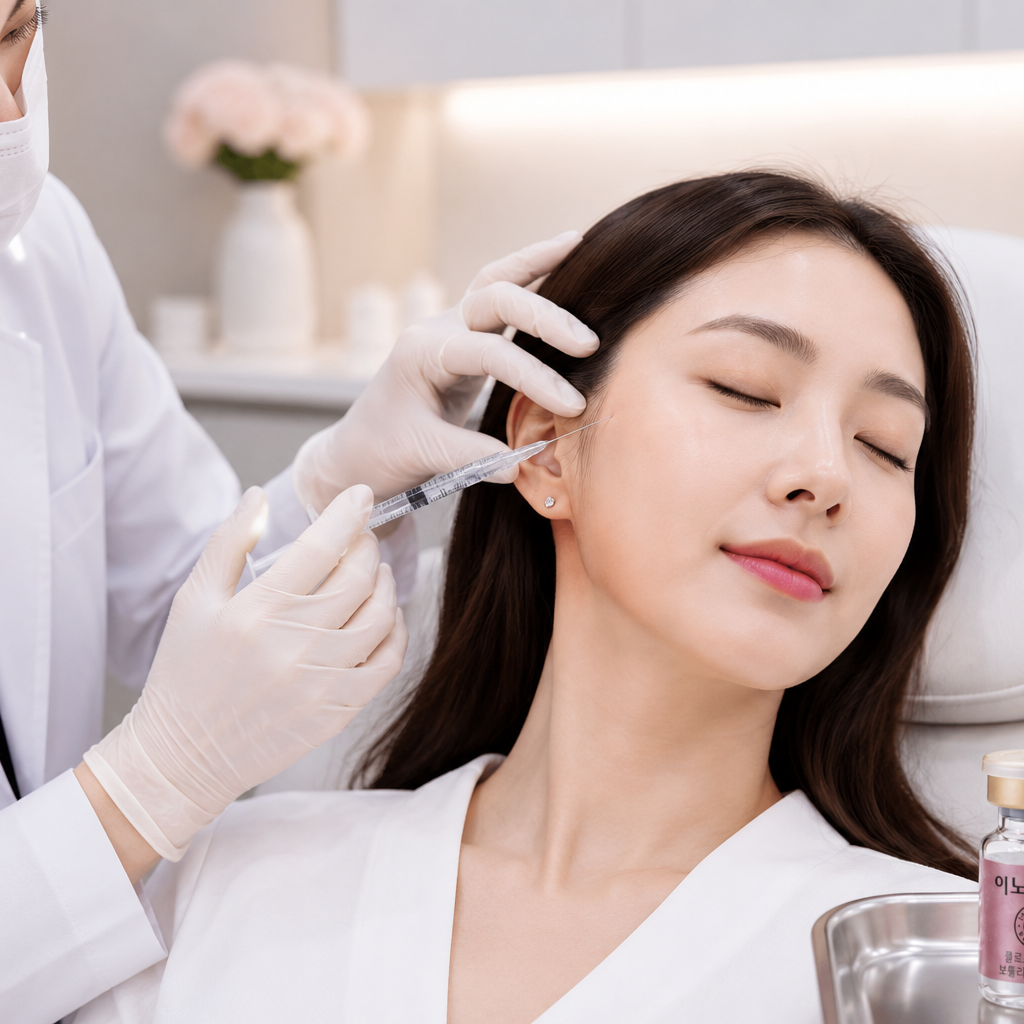
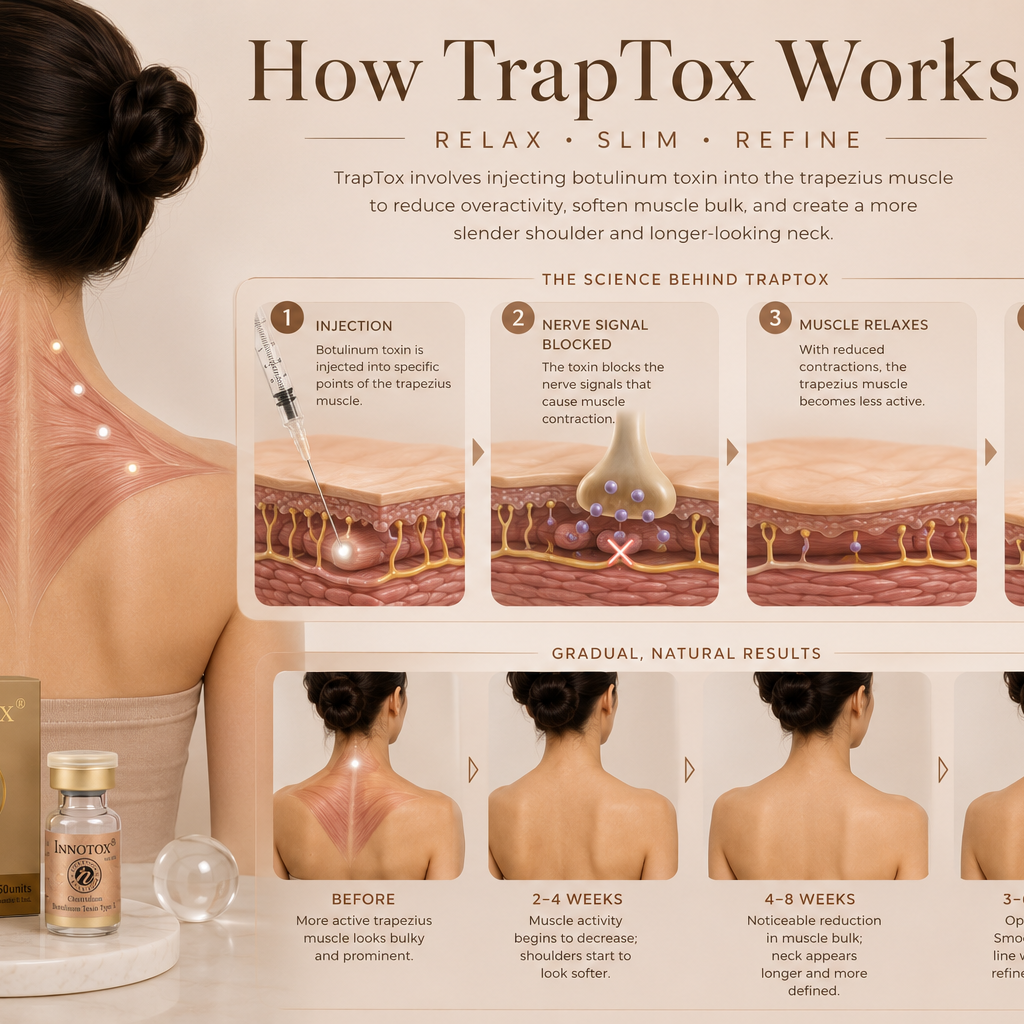
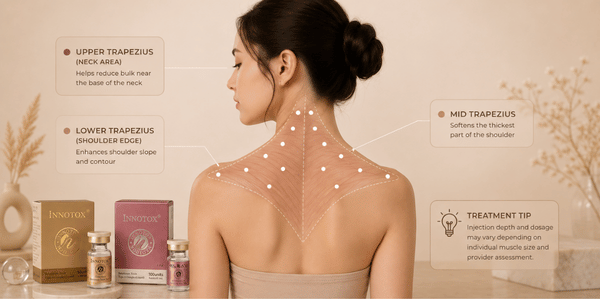
TrapTox is a cosmetic and therapeutic injectable treatment that involves administering botulinum toxin into the trapezius muscles, the large muscles extending from the neck across the shoulders and upper back.

The trapezius muscles play important roles in supporting neck movement, stabilizing the shoulders, assisting with posture, and helping lift and rotate the shoulder blades. In some people, these muscles become enlarged due to:

  • Genetics
  • Heavy weightlifting
  • Poor posture
  • Repetitive shoulder use
  • Chronic muscle tension
  • Stress-related muscle contraction

When these muscles become overly developed, they may create the following:

  • A bulky shoulder appearance
  • A shorter-looking neck
  • Visible neck tension
  • Shoulder discomfort

TrapTox temporarily relaxes portions of these muscles, allowing them to gradually decrease in activity and, over time, appear less prominent.

How Does TrapTox Work?

Botulinum toxin works by temporarily blocking communication between nerves and muscles. Usually it works just like any other Botulinum toxin injection but focuses on relaxing the muscles around the shoulder area. When the nerves release acetylcholine, it tells the muscles to contract, and then the muscles continue repetitive movement. 

But after TrapTox treatment:

  • Acetylcholine release is temporarily reduced.
  • Muscle contractions become weaker.
  • Constant muscle overactivity decreases.
  • The muscle gradually becomes less bulky.

Unlike surgery, no muscle is removed. Instead, the muscle simply becomes less active, allowing a more refined shoulder contour while preserving normal daily function when administered appropriately.

Several aesthetic trends have contributed to the growing demand. Patients today often prefer the following:

  • Non-surgical body contouring
  • Minimal downtime
  • Natural-looking enhancements
  • Preventive aesthetic treatments
  • Procedures with gradual improvements

Social media has also popularized longer neck proportions and elegant shoulder lines, especially among individuals inspired by Korean beauty trends. Rather than dramatically changing facial features, TrapTox offers subtle refinement that complements overall body proportions.

Cosmetic Benefits of TrapTox

One reason TrapTox continues gaining popularity is that its cosmetic improvements often appear natural rather than exaggerated.

  1. Creates a Longer-Looking Neck

Large trapezius muscles can visually shorten the neck. As the muscles relax, the neck often appears longer, more graceful, and better defined. This effect is especially noticeable when viewed from the front or in profile.

  1. Produces Slimmer Shoulder Contours

Many patients feel their shoulders appear overly broad because of muscular development rather than bone structure. Reducing trapezius prominence can create:

  • Softer shoulder lines
  • Improved clothing fit
  • More feminine contours for some patients
  • More balanced proportions overall
  1. Improves Posture Appearance

TrapTox does not directly correct posture. However, reducing chronic muscle tension may help some patients appear more relaxed rather than constantly shrugging their shoulders. The shoulders may naturally settle into a lower resting position.

  1. Enhances Neck Definition in Photos

Photography often exaggerates bulky upper trapezius muscles. Patients frequently notice:

  • Cleaner jaw-to-neck transition
  • Better neck angles
  • More elegant side profiles
  • Improved appearance in formal photographs

Medical Benefits Beyond Cosmetics

TrapTox is not solely an aesthetic procedure. Many healthcare providers also use botulinum toxin therapeutically. Potential medical applications may include:

  • Chronic neck tension
  • Shoulder muscle tightness
  • Tension-related headaches
  • Certain muscular pain syndromes
  • Overactive trapezius muscles

Some patients seek treatment primarily for discomfort and later appreciate the cosmetic improvements as an added benefit.

Who May Be a Good Candidate?

Healthy adults may be considered for TrapTox after a thorough medical evaluation. Ideal candidates often experience the following:

  • Have enlarged trapezius muscles
  • Experience chronic shoulder tension
  • Want a slimmer shoulder profile
  • Prefer non-surgical treatments
  • Have realistic expectations
  • Understand that results are temporary

Patients should always undergo an individualized assessment before treatment. However, TrapTox may not be appropriate for everyone. Treatment may be postponed or avoided in individuals who:

  • Are pregnant or breastfeeding
  • Have certain neuromuscular disorders
  • Have active infections near the injection site
  • Have known allergies to product ingredients
  • Have unrealistic cosmetic expectations

A qualified injector will review your medical history before proceeding.

What Happens During a TrapTox Appointment?

The procedure is generally straightforward. Starts with a comprehensive consultation, then the procedure, and lastly, recovery.

  1. Consultation

Your provider evaluates:

  • Shoulder anatomy
  • Muscle thickness
  • Neck proportions
  • Medical history
  • Treatment goals
  1. Preparation

The skin is cleansed. Injection sites are carefully marked based on muscle anatomy.

  1. Injection

Using a fine needle, botulinum toxin is injected into multiple points throughout the trapezius muscle. Most patients describe the injections as mildly uncomfortable but well tolerated.

  1. Aftercare

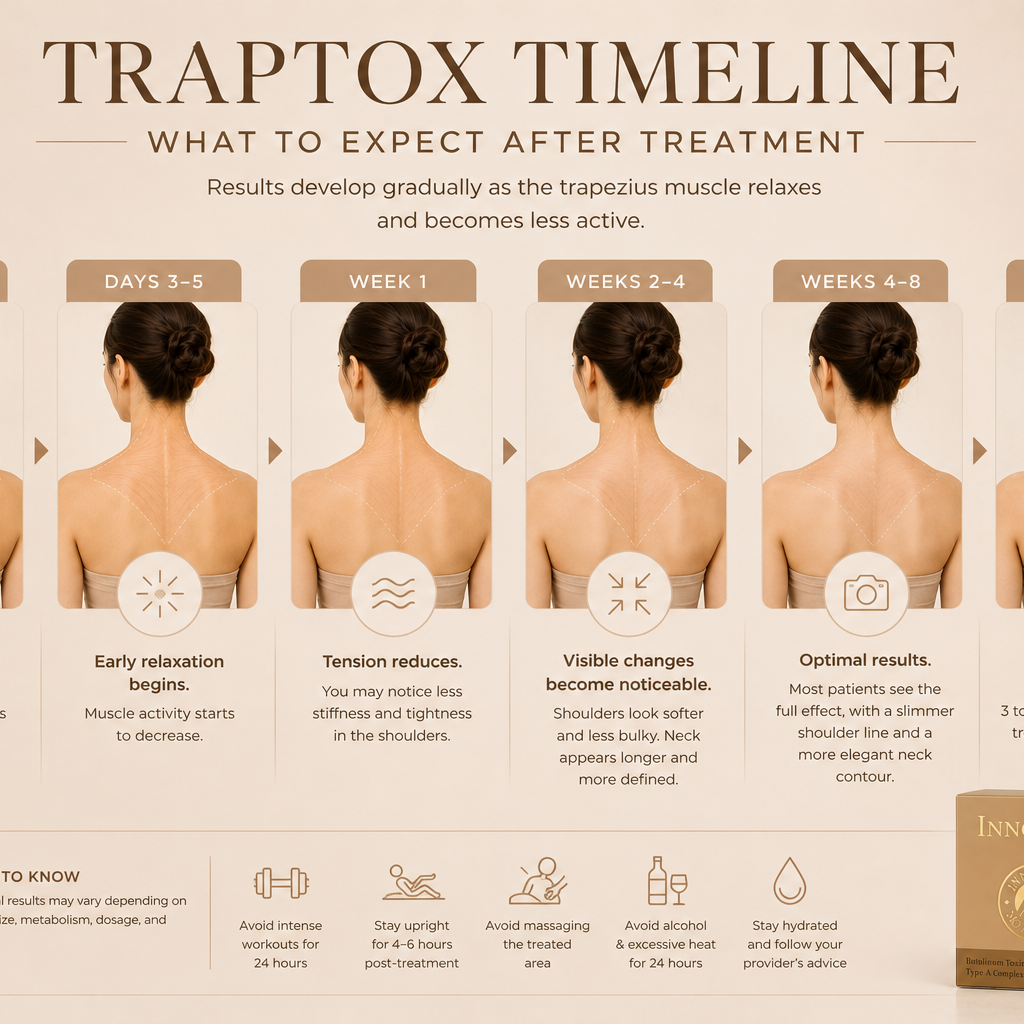
Patients can usually return to normal daily activities immediately. Providers commonly recommend:

  • Avoiding strenuous exercise for the first 24 hours
  • Remaining upright for several hours
  • Avoiding massage of the treated area
  • Following personalized aftercare instructions

When Will Results Become Visible, and How Long Does TrapTox Last?

TrapTox develops gradually, and since muscle reduction occurs gradually, the results typically look subtle and natural. Below is a general timeline of how the effects following a TrapTox procedure progress:

Days 2–5

Early muscle relaxation begins.

Week 1

Some patients notice reduced muscle tightness.

Weeks 2–4

Visible slimming usually starts becoming noticeable.

Weeks 4–8

The cosmetic improvements become fully apparent.

Most patients experience results lasting approximately 3 to 6 months, and duration depends on factors such as individual metabolism, muscle size, activity level, dosage, and injection technique. Patients who receive regular maintenance treatments may notice longer-lasting contour improvements over time.

Understanding the Risks of TrapTox

Like any injectable procedure, TrapTox carries potential risks. Fortunately, complications remain relatively uncommon when treatment is performed by experienced medical professionals. Possible side effects include mild swelling, bruising, temporary soreness, injection-site tenderness, and small bumps that resolve within several hours.

Temporary Muscle Weakness

Because the treatment intentionally reduces muscle activity, patients may temporarily notice:

  • Shoulder fatigue
  • Mild weakness during heavy lifting
  • Reduced strength during intense workouts

Daily activities are generally unaffected when appropriate dosing is used.

Neck Discomfort

Some patients experience temporary neck stiffness, mild soreness, and muscle adjustment sensations. These symptoms usually improve within several days.

Uneven Results

If injections are improperly placed or dosed, asymmetry may occur. Thus, choosing an experienced injector greatly reduces this risk.

Rare Complications

Although uncommon, serious complications may include the following:

  • Excessive muscle weakness
  • Difficulty supporting heavy loads
  • Spread of toxin effects beyond the treatment area
  • Allergic reactions

Patients should seek medical attention if unusual symptoms develop.

How Innotox Fits Into TrapTox Treatments

While several botulinum toxin products are available worldwide, Innotox has gained attention because it is supplied as a ready-to-use liquid formulation. Unlike traditional freeze-dried products that require reconstitution before injection, Innotox is pre-formulated in liquid form.

Potential advantages for qualified medical professionals include:

  • Reduced preparation steps
  • Consistent dilution
  • Convenient handling
  • Predictable administration workflow

As with any botulinum toxin product, successful TrapTox treatment depends primarily on:

  • Appropriate patient selection
  • Accurate anatomical knowledge
  • Correct dosing
  • Proper injection technique
  • Experienced medical judgment

Patients should understand that product selection is only one part of achieving optimal results.

Can TrapTox Be Combined with Other Treatments?

Yes. Many aesthetic providers combine TrapTox with complementary procedures as part of a personalized treatment plan. Depending on the individual’s goals, combination treatments may include the following:

  • Facial botulinum toxin injections
  • Skin boosters
  • Collagen-stimulating treatments
  • Microneedling
  • Laser skin rejuvenation
  • Medical-grade skincare

Because TrapTox focuses on the shoulders rather than the face, it often complements broader facial rejuvenation strategies without overlapping treatment areas.

Choosing a Qualified Provider Matters

The trapezius muscles are large, anatomically complex muscles located near important nerves and surrounding structures. For this reason, treatment should always be performed by experienced medical professionals who understand:

  • Shoulder anatomy
  • Functional muscle balance
  • Safe injection techniques
  • Appropriate dosing
  • Individualized treatment planning

A thorough consultation helps determine whether TrapTox aligns with your goals while minimizing unnecessary risks.

Final Thoughts

TrapTox has quickly become one of the most sought-after injectable treatments for patients looking to achieve a slimmer shoulder profile, a longer-looking neck, and relief from chronic trapezius muscle tension—all without surgery.

Although the procedure is relatively quick and requires little downtime, it should never be viewed as a one-size-fits-all cosmetic solution. Every patient’s anatomy, muscle strength, lifestyle, and aesthetic goals are unique, making individualized treatment planning essential.

Modern liquid botulinum toxin formulations such as Innotox have expanded the options available to experienced providers by offering a ready-to-use injectable formulation that fits efficiently into today’s aesthetic practice. However, the most important factors influencing treatment success remain proper patient selection, sound medical judgment, and expert injection technique.

When performed by a qualified healthcare professional, TrapTox can provide subtle yet meaningful improvements in shoulder contour, neck proportions, and muscle comfort, helping patients achieve balanced, natural-looking results that enhance overall confidence.

Frequently Asked Questions

Is TrapTox painful?

Most patients report only mild discomfort during treatment. The injections are performed using very fine needles and are generally well tolerated.

Can I exercise after TrapTox?

Most providers recommend avoiding strenuous exercise for approximately 24 hours before gradually returning to normal physical activity.

Will I lose shoulder strength?

Appropriately performed TrapTox aims to reduce excessive muscle activity while preserving normal daily function. Temporary weakness during heavy lifting may occur in some individuals.

Is TrapTox permanent?

No. The effects are temporary and generally last between three and six months before muscle activity gradually returns.

Can men receive TrapTox?

Absolutely. While many women seek TrapTox for shoulder slimming, men may choose the treatment to relieve chronic muscle tension or improve shoulder comfort while maintaining a natural appearance.

Does TrapTox replace physical therapy?

No. Patients experiencing chronic pain, posture issues, or musculoskeletal disorders should seek evaluation from qualified healthcare professionals. TrapTox may complement, but not replace, other therapeutic approaches.