

Innotox Recovery Timeline: Day-by-Day Guide
Innotox Recovery Timeline: What to Expect Day by Day + Essential Aftercare Tips
One of the reasons Innotox, a ready-to-use Botox treatment, has become increasingly popular in aesthetic medicine is that it offers wrinkle-relaxing treatment with little interruption to everyday life. Unlike surgical cosmetic procedures that require significant recovery periods, Innotox injections typically allow patients to resume most of their normal daily activities shortly after leaving the clinic. While the procedure itself generally takes only a few minutes, the recovery process continues over the following days as the medication gradually begins relaxing targeted facial muscles.
Many first-time patients expect immediate wrinkle reduction, but Innotox does not produce instant cosmetic changes. Instead, the treatment works progressively as botulinum toxin temporarily blocks communication between specific nerves and muscles. This gradual onset allows facial muscles to relax naturally, leading to smoother expression lines over time rather than dramatic overnight changes. Understanding this timeline helps patients set realistic expectations and reduces unnecessary concern during the first several days after treatment.
It is equally important to recognize that recovery involves more than simply waiting for results to appear. Following appropriate aftercare recommendations can help minimize temporary side effects, reduce the likelihood of complications, and support optimal cosmetic outcomes. Although recovery is generally straightforward, patients who understand what to expect at each stage often feel more confident throughout the process.
Immediately After Treatment: The First Few Hours
Immediately following your appointment, you may notice tiny bumps at the injection sites similar to small mosquito bites. These usually represent the small amount of fluid placed beneath the skin and often resolve within 20 to 30 minutes. Mild redness, slight swelling, or pinpoint bleeding may also occur, especially in areas where the skin is particularly delicate. These reactions are considered normal and typically disappear within the first few hours.
Although many patients return directly to work or continue their daily schedule after treatment, the first four hours are considered particularly important for aftercare. During this period, practitioners generally recommend remaining upright and avoiding activities that place unnecessary pressure on the treated areas. These recommendations are intended to reduce the possibility of the product diffusing into nearby muscles while it begins binding to its intended targets.
Some individuals also experience mild tenderness or a slight headache following injections, particularly after forehead treatments. These symptoms are usually temporary and resolve without intervention. If discomfort occurs, patients should follow the guidance provided by their treating practitioner rather than self-medicating without advice.
Days 1–3: Early Recovery Begins

During the first few days after treatment, most patients continue looking very much like themselves because visible wrinkle reduction has not yet fully developed. It is common to wonder whether the treatment is working, especially for first-time patients. In reality, the medication is already beginning its biological activity beneath the skin even though outward cosmetic improvements may still be subtle.
Small bruises may become slightly more noticeable during this period before gradually fading. Bruising varies considerably depending on individual skin characteristics, medications, supplements, and injection technique. Fortunately, when bruising does occur, it is generally minor and temporary.
Patients should avoid repeatedly testing their facial muscles by exaggerating expressions in front of the mirror. While it is natural to check for changes, the medication requires time to produce its full effect. Patience during these early days helps prevent unnecessary concern and allows the treatment to develop naturally.
Days 4–7: Visible Changes Become More Noticeable
By the middle of the first week, many patients begin noticing that treated muscles feel less active during facial expression. Dynamic wrinkles may appear softer when smiling, frowning, or raising the eyebrows, although results continue evolving throughout this period. Rather than suddenly freezing facial movement, Innotox usually creates a gradual transition toward smoother expressions.
Patients frequently describe this stage as feeling “lighter” when making facial expressions. The treated muscles simply do not contract with the same intensity as before, allowing wrinkles to become progressively less prominent. Depending on the treatment area and dosage used, some regions may respond slightly faster than others.
This stage is also when patients often become excited about the developing results. However, practitioners generally advise waiting until approximately two weeks after treatment before evaluating the final outcome. Making judgments too early may lead patients to believe additional treatment is needed when the product has not yet reached its full effect.
Days 10–14: Peak Cosmetic Results
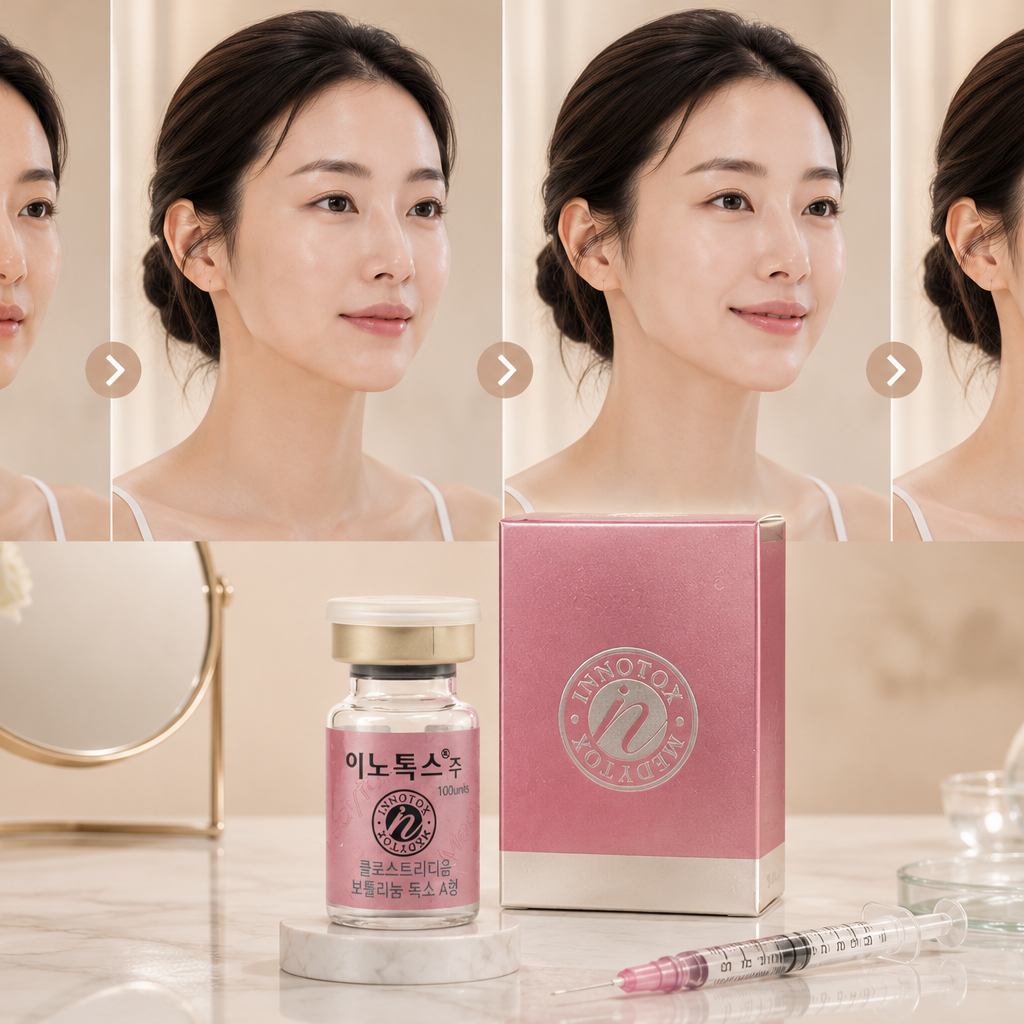
Approximately one to two weeks after treatment, most patients reach the point at which Innotox has achieved its maximum cosmetic effect. Facial muscles have relaxed to the intended degree, dynamic wrinkles appear smoother, and facial expressions often look refreshed while still remaining natural when treatment has been properly performed.
This is also the timeframe when many clinics schedule follow-up appointments if necessary. During these visits, practitioners evaluate facial symmetry, muscle response, and overall patient satisfaction. Minor touch-ups may occasionally be recommended if small areas of muscle activity remain, although many patients achieve their desired results without requiring additional injections.
It is important to remember that every face responds differently. Factors such as muscle strength, metabolism, treatment area, previous neurotoxin experience, and individual anatomy all influence how quickly results develop and how long they last.
Months 2–4: Enjoying the Results
Once the full cosmetic effect has developed, patients generally enjoy smoother facial movement for approximately three to four months, although individual experiences vary. During this period, wrinkles caused by repeated muscle contraction remain noticeably softened, helping create a refreshed appearance without altering facial identity.
Many patients also observe that consistent treatment over time may help reduce the formation of deeper dynamic wrinkles because targeted muscles spend less time repeatedly folding the skin. Although Innotox does not permanently eliminate wrinkles, regular maintenance performed by qualified professionals can contribute to long-term wrinkle management.
Eventually, nerve communication gradually returns, muscle activity resumes, and facial movement slowly becomes more noticeable. This occurs progressively rather than suddenly, allowing patients to decide whether and when they wish to schedule maintenance treatment.
Essential Aftercare Tips for the Best Results

Although recovery after Innotox is generally uncomplicated, following simple aftercare recommendations can support optimal results and minimize unnecessary irritation. These guidelines are routinely discussed during consultation because they encourage proper healing while reducing avoidable complications.
Some of the most commonly recommended aftercare measures include:
- Remain upright for approximately four hours after treatment.
- Avoid rubbing, massaging, or applying firm pressure to treated areas.
- Skip strenuous exercise until your practitioner advises it is appropriate.
- Delay saunas, steam rooms, and prolonged heat exposure for the first day.
- Avoid excessive alcohol consumption immediately after treatment if recommended by your provider.
- Follow all personalized instructions provided during your consultation.
- Contact your healthcare provider if you experience unusual symptoms or have concerns about your recovery.
Beyond these practical recommendations, patients should remember that consistency is equally important. Following aftercare advice carefully during the first 24 hours often contributes to a smoother recovery experience and helps the medication remain concentrated in its intended treatment areas. Learn more in our article about What Not To Do in the First 24 Hours After Innotox Treatment.
Common Recovery Experiences That Are Usually Normal
One of the reasons patients sometimes become anxious after cosmetic injections is that they are unsure which recovery experiences are considered normal. Fortunately, most temporary reactions are mild and resolve without intervention. Small areas of redness, pinpoint bruising, tenderness, mild swelling, or temporary tightness around treated muscles commonly improve within several days.
Some patients also notice that different treatment areas respond at different speeds. For example, crow’s feet may begin relaxing slightly earlier than stronger muscles such as the glabella or masseters. This variation reflects normal differences in muscle anatomy rather than treatment failure.
However, patients should always contact their healthcare provider if they develop symptoms that seem unusual, worsen unexpectedly, or involve significant swelling, difficulty swallowing, breathing problems, or vision changes. While serious complications are uncommon when treatment is performed appropriately, prompt medical evaluation remains important whenever unexpected symptoms occur.
When to Schedule Your Next Innotox Treatment
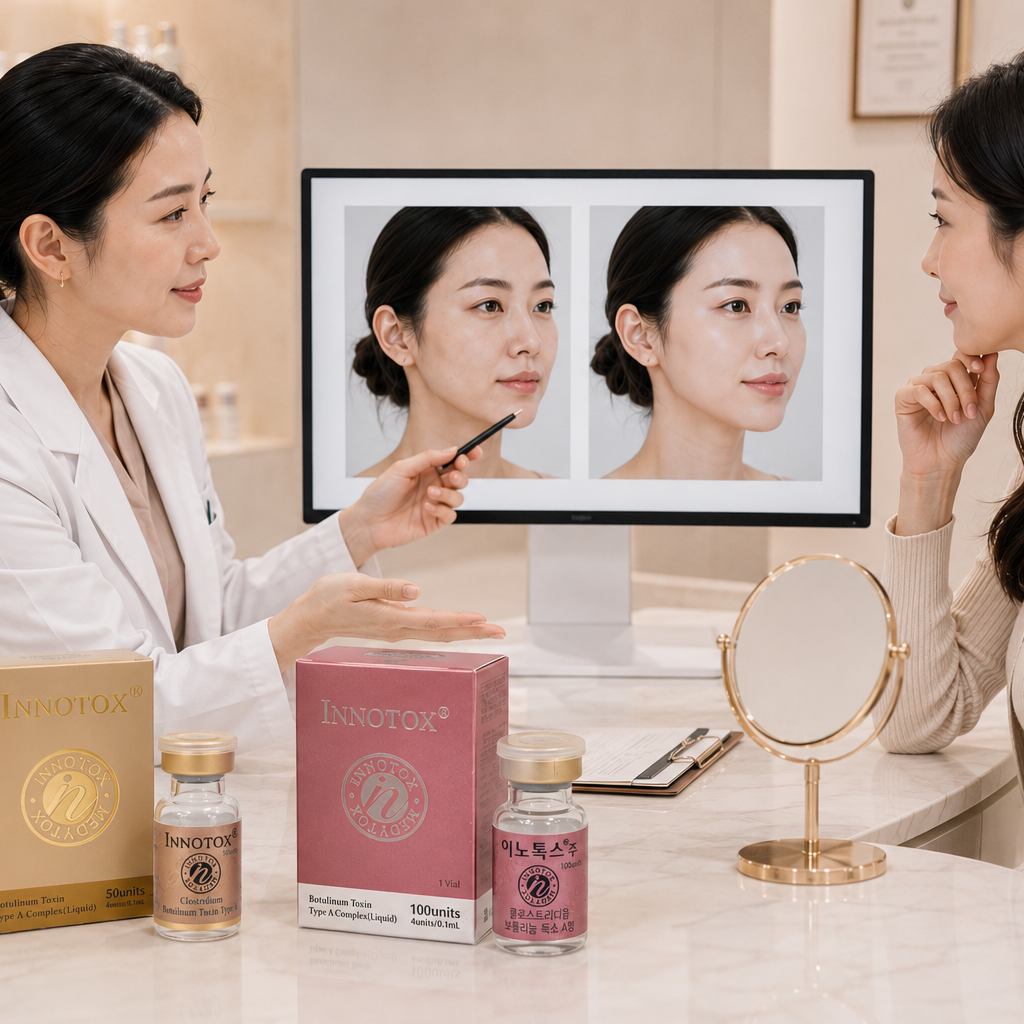
Because Innotox gradually wears off over time, maintenance appointments are typically individualized rather than scheduled according to a fixed calendar. Many patients return every three to four months, although treatment intervals vary depending on muscle activity, metabolism, cosmetic goals, and practitioner recommendations.
Some individuals choose maintenance before wrinkles fully return in order to maintain consistent muscle relaxation, while others prefer waiting until they notice increased facial movement again. Neither approach is inherently better, and experienced injectors work with patients to develop treatment schedules that fit their aesthetic preferences and lifestyle.
Maintaining regular consultations also provides opportunities to adjust dosage, refine injection placement, or discuss new cosmetic concerns as facial anatomy naturally changes over time. Rather than simply repeating identical treatments, long-term care often becomes increasingly personalized with each visit.
Recovery Is a Process, Not an Overnight Transformation
Although Innotox offers minimal downtime compared with many cosmetic procedures, achieving the best results still requires patience and realistic expectations. Improvements occur gradually as targeted muscles relax over one to two weeks, allowing facial wrinkles to soften naturally without dramatic interruption to daily life.
Patients who understand the recovery timeline often feel more confident throughout the process because they know what to expect at each stage. Combining realistic expectations with proper aftercare and treatment by a qualified healthcare professional provides the best foundation for safe, natural-looking, and satisfying cosmetic results. Rather than focusing solely on the day of treatment, successful Innotox therapy should be viewed as a carefully guided process that continues from consultation through recovery and long-term maintenance.
Frequently Asked Questions
How long does it take for Innotox to start working?
Many patients begin noticing subtle muscle relaxation within 3 to 5 days, although full cosmetic results typically develop between 10 and 14 days.
Can I go back to work after Innotox?
In most cases, yes. Because Innotox involves minimal downtime, many patients return to work or daily activities immediately after their appointment.
Is bruising normal after Innotox?
Yes. Mild bruising, redness, or slight swelling can occur around injection sites and usually resolves within several days.
How long do the results last?
Most patients enjoy results for approximately 3 to 4 months, although this varies depending on individual metabolism, muscle activity, and treatment area.
Add a Comment