

Botox Resistance: Can You Become Immune to Botox?
Botox Resistance Explained: Can You Become Immune to Botox?
Botox treatments have become one of the world’s most popular non-surgical cosmetic procedures. Millions of people receive botulinum toxin injections every year to soften wrinkles, reduce excessive sweating, slim the jawline, or treat certain medical conditions. For most patients, treatments continue to work well for many years when performed correctly.
However, some people begin to wonder why their results seem shorter than before or why they no longer experience the same improvement. This often leads to an important question: Can you become resistant to Botox?
The short answer is yes—but true Botox resistance is much less common than many people believe. In many cases, what appears to be resistance is actually caused by other factors such as incorrect dosing, unrealistic expectations, changes in muscle activity, or treatment technique.
In this guide, we’ll explain what Botox resistance really means, what causes it, the myths surrounding it, and practical ways to reduce your risk. We’ll also discuss why treatment planning matters and how products like Innotox, a ready-to-use liquid botulinum toxin, fit into the conversation.
If you’re new to injectable wrinkle treatments, you may also want to read our guide on Innotox vs. Traditional Botox before learning about Botox resistance.
What Does Botox Resistance Mean?
Botox resistance refers to a situation where the body responds less effectively—or not at all—to botulinum toxin injections after previous successful treatments.
Normally, botulinum toxin works by temporarily blocking communication between nerves and muscles. Without these nerve signals, treated muscles relax, reducing the appearance of dynamic wrinkles such as forehead lines, crow’s feet, and frown lines.
When resistance develops, the toxin may produce weaker results or stop working altogether. The muscles continue receiving nerve signals, meaning wrinkles and facial movement remain largely unchanged.
It is important to understand that true biological resistance is uncommon. Many patients who think they have become immune to Botox are actually experiencing other issues that can often be corrected by an experienced injector.
How Botox Normally Works
Understanding resistance becomes easier when you know how Botox works.
After injection, the purified botulinum toxin binds to nerve endings that control muscle contraction. The toxin blocks the release of acetylcholine, the neurotransmitter responsible for activating muscles.
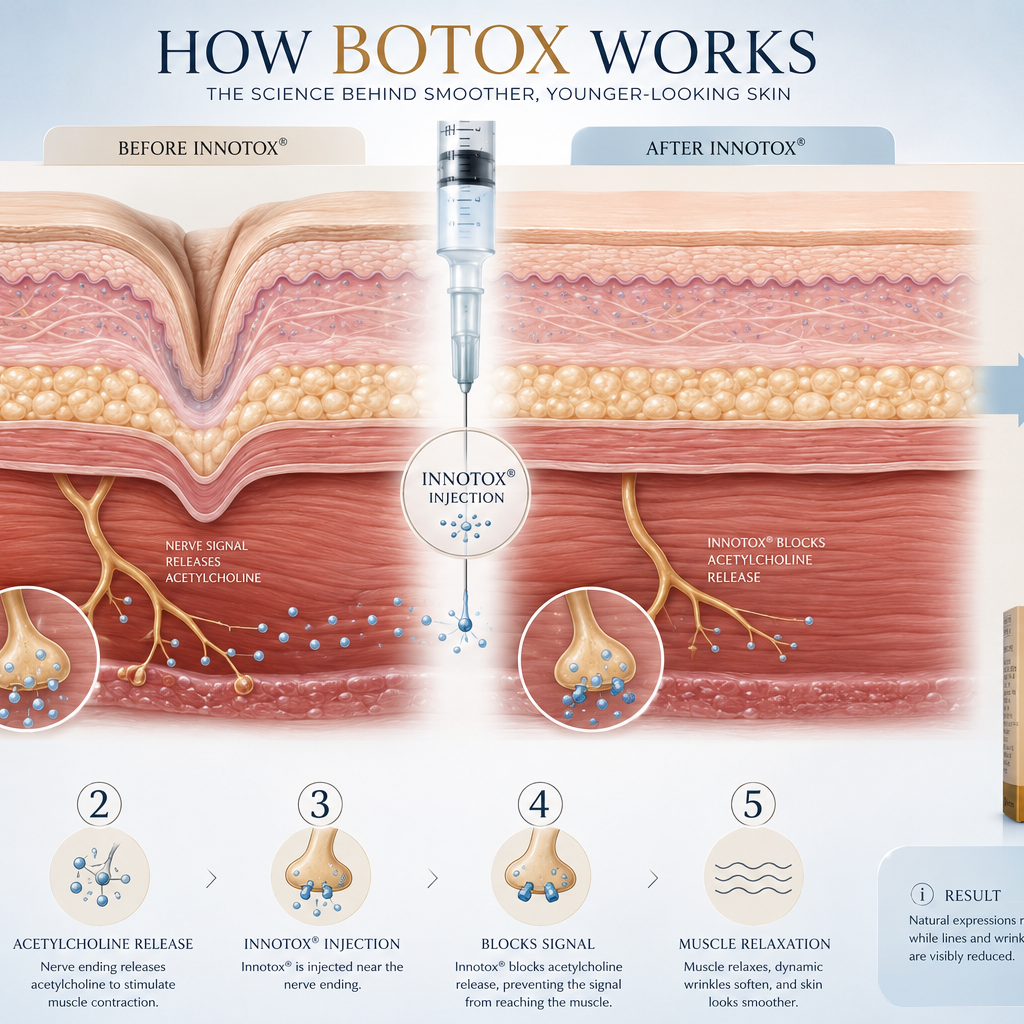
As muscle activity decreases:
- Dynamic wrinkles gradually soften.
- Facial expressions remain natural when appropriate doses are used.
- Results typically appear within several days.
- Maximum improvement develops around two weeks.
- Effects generally last three to four months before nerve endings regenerate, although several factors can affect how long Innotox lasts.
Because new nerve connections naturally form over time, repeat treatments are necessary to maintain results. This gradual return of muscle activity is completely normal and should not be confused with resistance.
Is True Resistance Against Botox Common?
Fortunately, no. Studies suggest that true resistance caused by neutralizing antibodies is relatively rare, especially among cosmetic patients receiving standard treatment intervals and appropriate doses.
Most aesthetic patients receive much smaller doses than individuals treated for medical conditions such as cervical dystonia, limb spasticity, or chronic migraine. Medical patients often require significantly higher doses over many years, increasing the possibility of antibody formation.
For cosmetic treatments, the overall risk remains very low when injections are performed responsibly. Also, patients considering their first Botox treatment often worry about becoming resistant, but true resistance is uncommon.
This distinction helps explain why many reports of “Botox no longer works” actually involve temporary treatment issues rather than permanent immunity.
What Causes Botox Resistance?
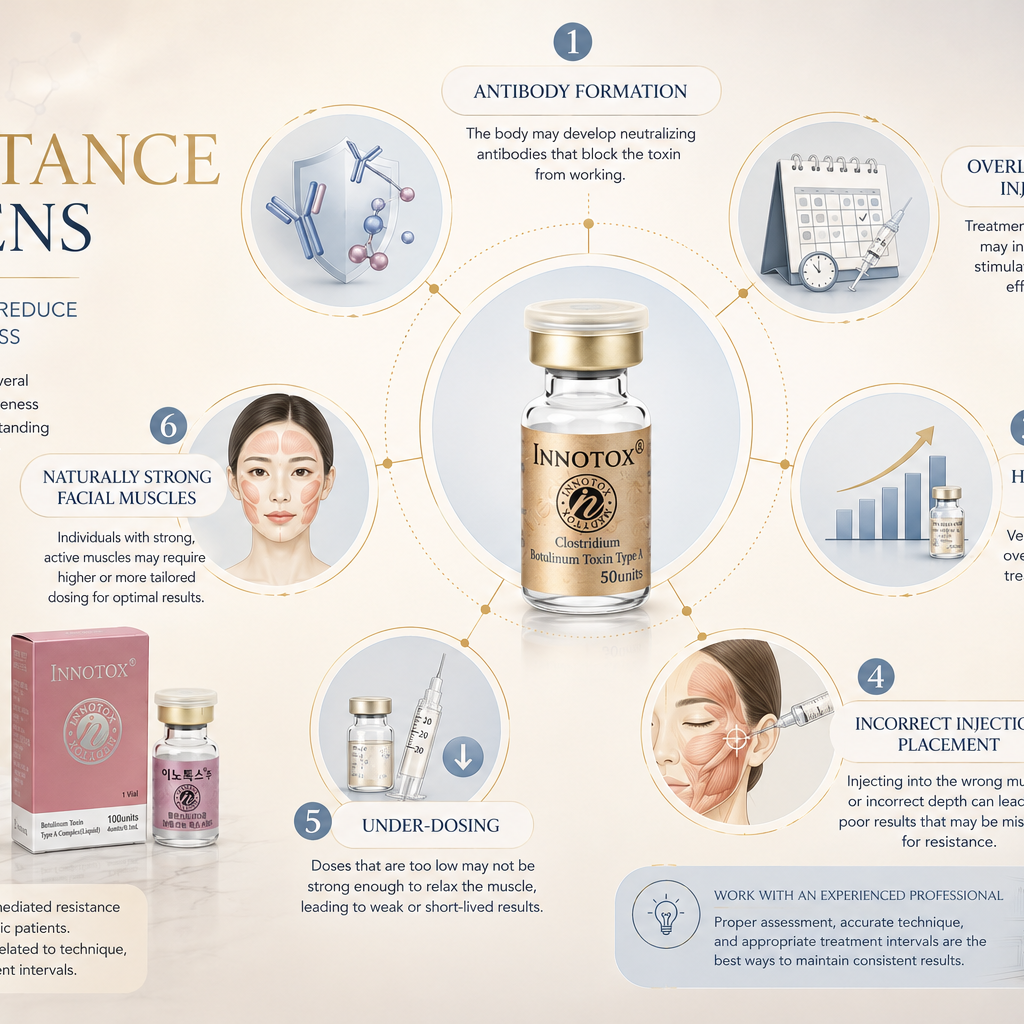
Several factors may contribute to reduced treatment effectiveness.
- Neutralizing Antibodies
The most discussed cause involves the immune system.
Because botulinum toxin is a protein, the body may occasionally recognize it as a foreign substance and produce antibodies. Most antibodies do not interfere with treatment. However, in rare situations, neutralizing antibodies develop and block the toxin before it reaches the nerve ending.
These antibodies are considered the primary cause of genuine biological resistance.
The risk increases with:
- Very high treatment doses
- Frequent injections
- Booster treatments performed too soon
- Long-term repeated exposure
- Some medical treatment protocols requiring large cumulative doses
These risk factors have been identified in systematic reviews evaluating botulinum toxin immunogenicity across therapeutic and aesthetic indications. Then again, this remains uncommon in cosmetic practice.
- Injections Given Too Frequently
Receiving Botox more often than recommended may increase immune stimulation.
Many experts recommend waiting approximately three months between cosmetic treatments unless your injector advises otherwise for a specific medical reason.
Repeated “touch-up” injections only weeks after treatment may expose the immune system to unnecessary additional protein.
Proper spacing allows the medication to complete its effect while minimizing unnecessary exposure. Moreover, following the recommended treatment schedule helps maintain results while minimizing unnecessary exposure.
- High Lifetime Dosage
Patients treated for neurological disorders often receive several hundred units during one appointment. But cosmetic wrinkle treatments usually require much lower doses.
Over many years, extremely high cumulative exposure may increase the likelihood of antibody development, although the overall risk still remains relatively small. Proper Botox dosage depends on muscle strength, treatment goals, and the area being treated.
- Incorrect Injection Technique
Sometimes the product itself is not the problem.
If injections are placed into the wrong muscle, delivered too superficially, or distributed unevenly, results may appear weaker than expected.
An experienced injector understands facial anatomy and knows how muscle movement differs from one patient to another. Proper placement often makes a significant difference.
- Under-Dosing
Many first-time patients request very conservative treatment because they fear looking “frozen.”
While conservative dosing often produces beautiful natural results, doses that are too low may simply fail to relax strong facial muscles adequately.
Patients sometimes mistake under-treatment for resistance when the solution is actually adjusting the treatment plan.
- Strong Facial Muscles
Not everyone has the same muscle strength.
Athletes, younger individuals, men, and people with naturally active facial expressions often have stronger muscles requiring individualized dosing. Some patients benefit from Baby Botox, while others require standard dosing to achieve consistent results.
If the original dose no longer matches muscle activity, wrinkles may return sooner without any resistance being present.
Signs That May Suggest Botox Resistance
Several changes might raise suspicion, although they do not automatically confirm resistance.
Possible signs include:
- Little or no improvement after treatment
- Results lasting only a few weeks despite proper technique
- No visible reduction in muscle movement
- Repeated failure despite dose adjustments
- Multiple treatment sessions producing minimal improvement
Because many factors can produce similar symptoms, proper assessment by an experienced medical professional is essential before concluding that resistance has developed.
Common Myths About Botox Resistance
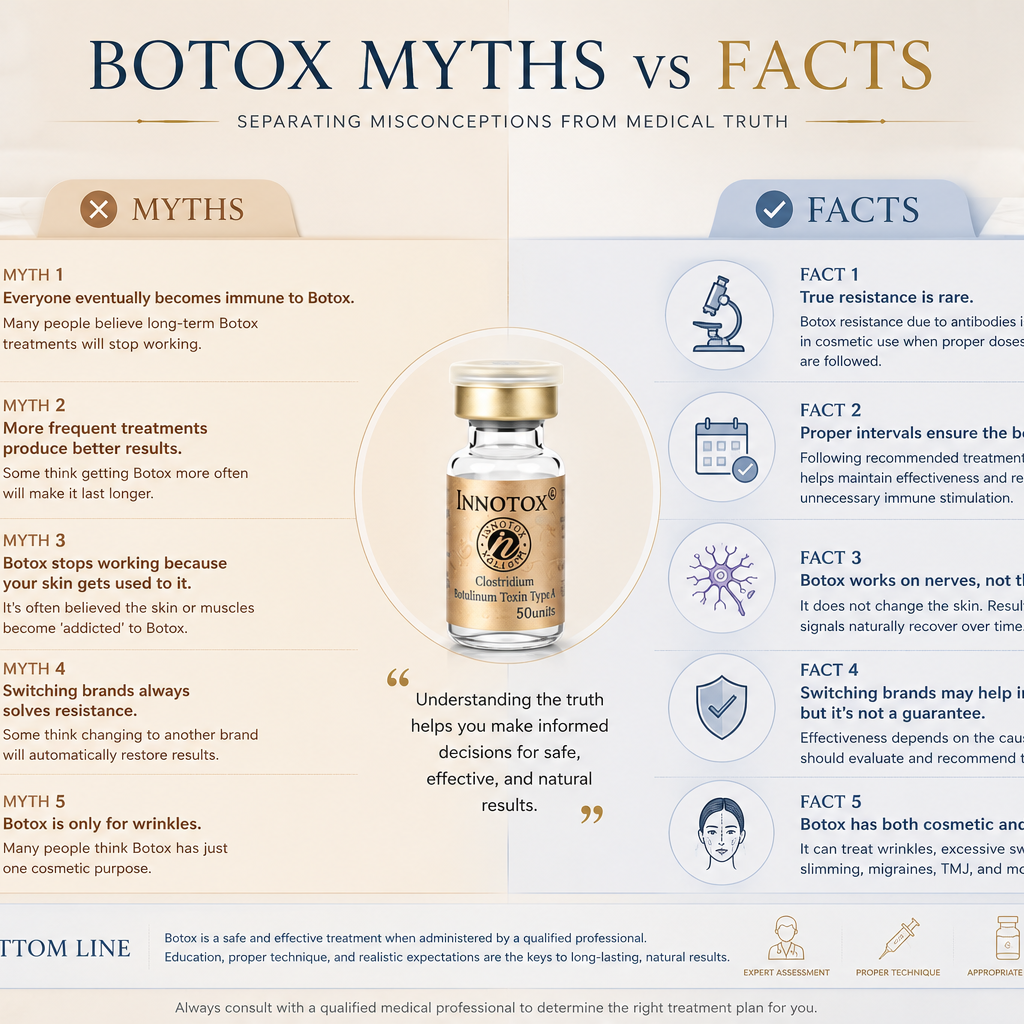
Myth 1: Everyone Eventually Becomes Immune
This is one of the biggest misconceptions. Many people continue receiving Botox successfully for decades without developing resistance.
Proper treatment intervals and appropriate dosing significantly reduce risk.
Myth 2: Botox Stops Working Because Your Skin Gets Used to It
Your skin does not become addicted to Botox. Botulinum toxin works on nerves and muscles—not the skin itself. If wrinkles gradually return after several months, it simply means nerve communication has naturally recovered.
Myth 3: More Frequent Treatments Produce Better Results
More is not always better. Over-treating may increase unnecessary exposure without providing longer-lasting benefits. Following your provider’s recommended schedule is generally the safest approach.
Myth 4: Switching Brands Always Solves Resistance
Switching products may help in certain situations, but it is not a guaranteed solution.
Different botulinum toxin formulations vary slightly in manufacturing processes and accessory proteins. However, if true neutralizing antibodies are present, some patients may still respond poorly depending on the specific formulation and individual immune response.
Your injector should evaluate the underlying cause before recommending any product change.
Learn more about the truth on liquid botulinum toxin to further understand how resistance can come about.
Can Innotox Help Reduce the Risk?
Innotox is unique because it is supplied as a ready-to-use liquid botulinum toxin rather than requiring reconstitution before treatment.
Its formulation offers practical advantages that many aesthetic professionals appreciate, including consistent preparation and simplified handling.
Some clinicians have discussed whether formulations with different protein characteristics could potentially influence immune responses. However, current evidence does not conclusively show that Innotox eliminates or prevents Botox resistance. Instead, recent studies emphasize that treatment interval, cumulative dose, and overall immunogenicity are the primary factors influencing antibody formation rather than any single formulation alone.
Instead, reducing resistance risk depends primarily on:
- Appropriate patient selection
- Correct dosing
- Proper treatment intervals
- Skilled injection technique
- Avoiding unnecessary booster treatments
These principles remain more important than the choice of product alone.
How to Prevent Botox Resistance
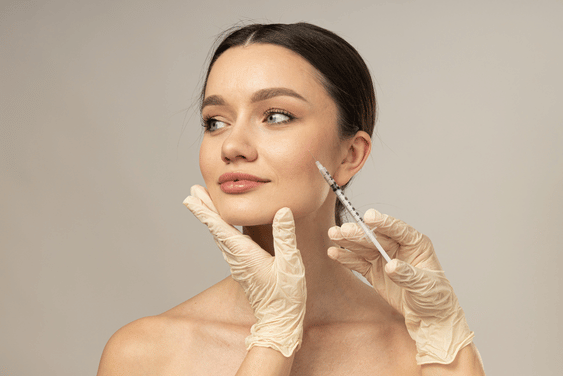
Fortunately, several simple strategies may help lower the already small risk of resistance.
- Choose an Experienced Injector
Facial anatomy is complex.
An experienced medical professional can determine the correct muscles, appropriate dose, and safest injection pattern based on your facial movement rather than using the same approach for every patient.
Good technique often prevents many problems mistaken for resistance.
- Avoid Unnecessary Touch-Ups
Patients sometimes request additional injections within a few weeks because they want perfectly smooth skin.
Unless medically necessary, repeated booster sessions may expose the immune system to extra protein without improving long-term outcomes.
Waiting until the recommended follow-up period is usually the better approach.
- Follow Recommended Treatment Intervals
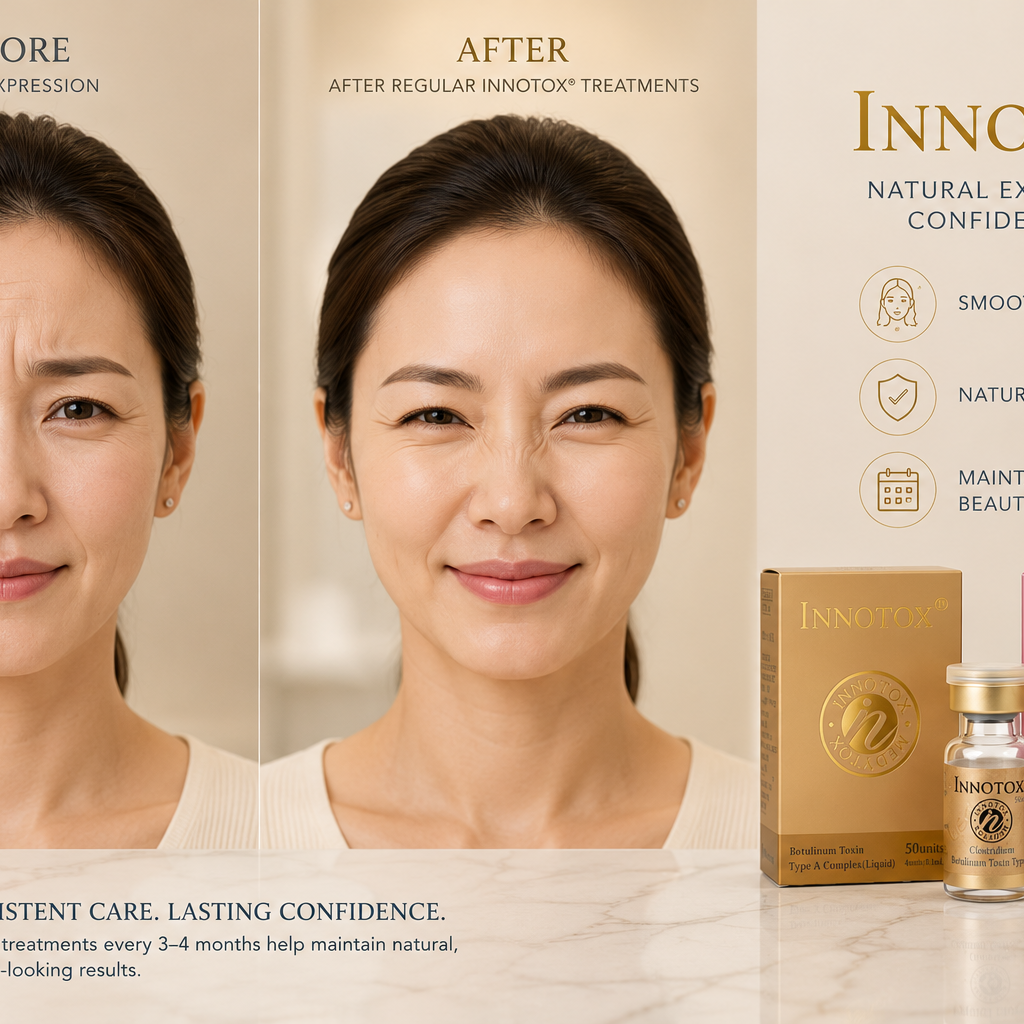
Most cosmetic Botox treatments are repeated approximately every three to four months.
Scheduling treatments significantly earlier without medical justification may increase cumulative exposure.
Consistency is generally more beneficial than excessive frequency.
- Use Appropriate Doses
Underdosing may produce disappointing results, while excessive dosing provides little additional benefit and may increase unnecessary exposure.
Individualized treatment plans usually produce the best balance between effectiveness and safety.
- Maintain Realistic Expectations
No cosmetic treatment stops aging permanently.
Botox reduces dynamic wrinkles by relaxing muscles, but new collagen loss, sun exposure, and natural aging continue over time.
Combining Botox with sunscreen, quality skincare, and healthy lifestyle habits often produces more satisfying long-term results.
What Happens If Resistance Is Suspected?
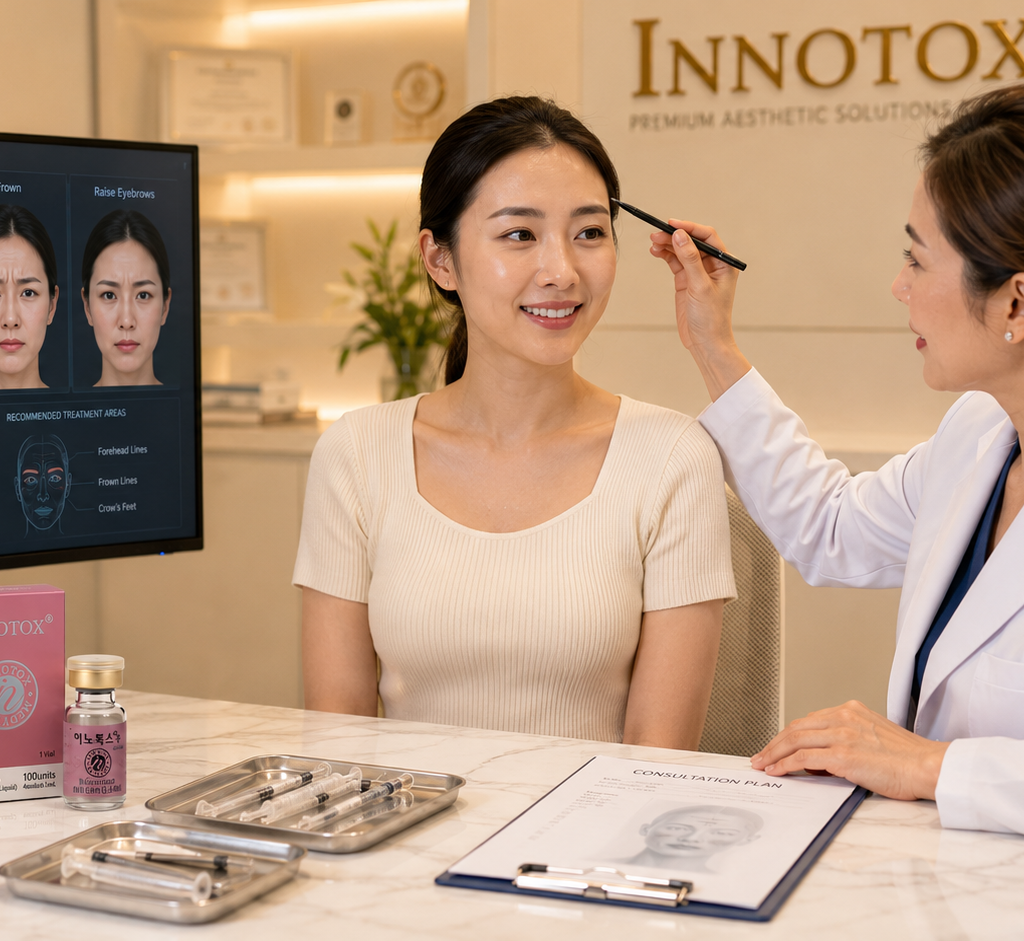
If your provider suspects resistance, they will usually begin by ruling out more common explanations.
They may evaluate:
- Injection technique
- Muscle anatomy
- Dose selection
- Treatment timing
- Previous treatment history
- Product handling
Only after excluding these possibilities would true antibody-related resistance become a stronger consideration.
Depending on the situation, your provider may recommend the following:
- Adjusting treatment technique
- Modifying dosage
- Waiting longer between sessions
- Trying another botulinum toxin formulation
- Performing additional medical evaluation if necessary
Fortunately, complete treatment failure remains uncommon in cosmetic practice.
Can You Reverse Botox Resistance?
There is currently no guaranteed way to reverse true antibody-mediated resistance. In some cases, antibody levels may decrease over time after prolonged treatment breaks, although this varies considerably between individuals.
For patients whose reduced response is caused by technique or dosing rather than antibodies, correcting these factors often restores satisfactory results without major changes.
This is why an accurate diagnosis is so important before assuming permanent resistance.
Final Thoughts
The idea of becoming “immune to Botox” often sounds alarming, but the reality is much more reassuring. True Botox resistance is uncommon, especially in cosmetic medicine, where patients receive relatively small doses at appropriate intervals.
More often, disappointing results are linked to treatment technique, dosing, muscle strength, or unrealistic expectations rather than permanent immunity. Understanding these differences allows patients to make informed decisions and avoid unnecessary worry.
Whether you are considering your first treatment or have been receiving injections for years, choosing an experienced injector, following recommended treatment schedules, and maintaining realistic expectations remain the best ways to achieve consistent, natural-looking results.
Products such as Innotox provide modern treatment options with convenient ready-to-use formulations, but long-term success ultimately depends on individualized treatment planning and responsible injection practices.
Frequently Asked Questions
How common is Botox resistance?
True resistance is rare in cosmetic patients. Most reports involve issues related to treatment technique, dosing, or natural variation in muscle activity rather than immune resistance.
Does getting Botox for many years automatically cause resistance?
No. Many patients receive Botox for decades while continuing to achieve excellent results.
Is Innotox different from traditional Botox?
Yes. Innotox is a ready-to-use liquid botulinum toxin that does not require reconstitution before injection. However, proper treatment planning remains the most important factor for maintaining consistent results.
Should I switch brands if Botox seems less effective?
Not necessarily. Your injector should first evaluate technique, dosage, timing, and muscle anatomy before deciding whether another formulation may be appropriate.
Can resistance be prevented completely?
No method guarantees prevention. However, following recommended treatment intervals, avoiding unnecessary booster injections, and working with an experienced injector help minimize the already low risk.
Add a Comment