
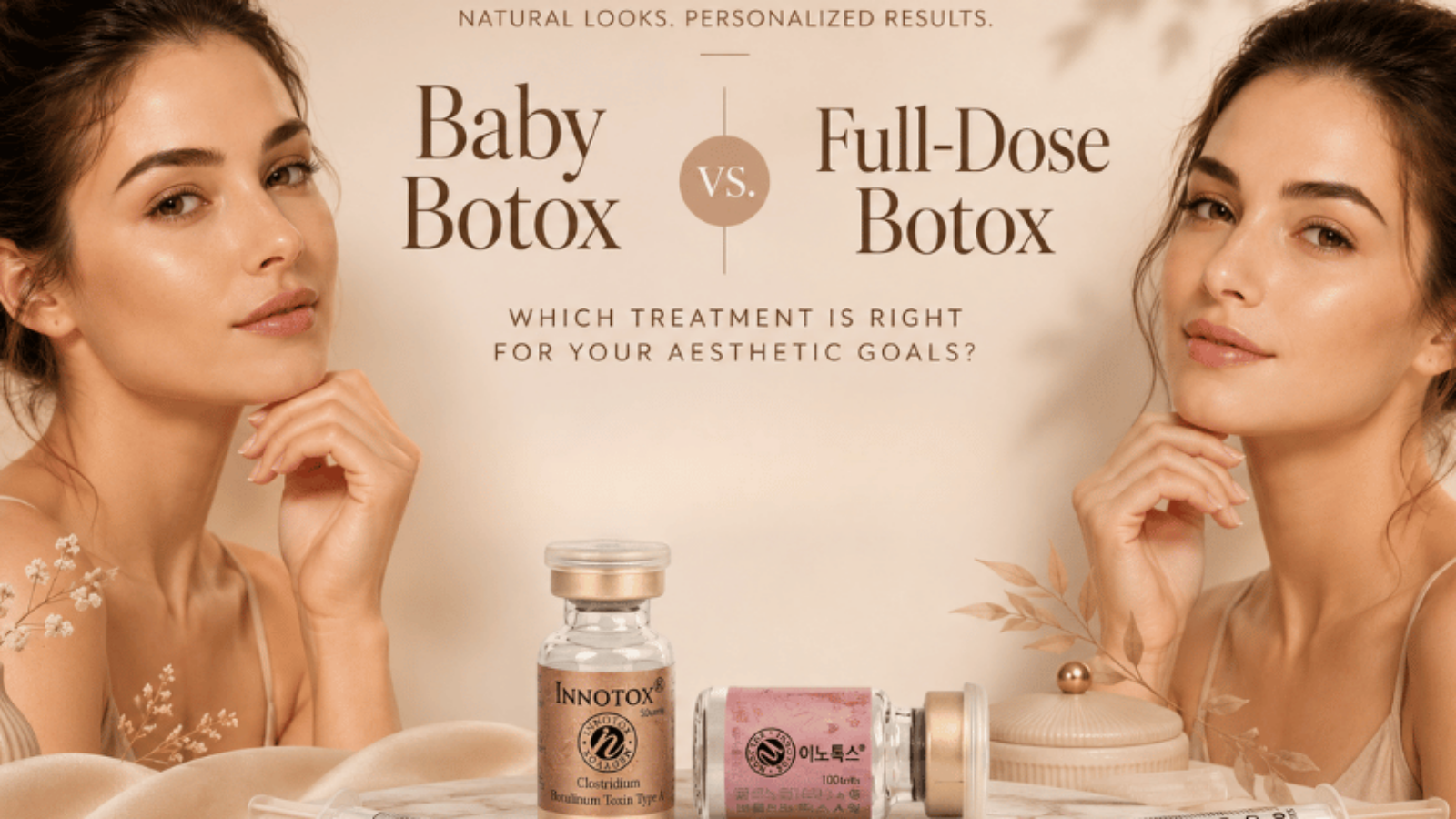
Baby Botox vs. Full-Dose Botox: Key Differences
Baby Botox vs. Full-Dose Botox: Which Treatment Is Right for Your Aesthetic Goals?
When most people think about Botox treatments, they often imagine dramatic wrinkle reduction or perfectly smooth foreheads. However, modern aesthetic medicine has shifted toward a more personalized philosophy. Instead of using the same treatment plan for everyone, practitioners now tailor botulinum toxin injections according to facial anatomy, muscle strength, age, and cosmetic goals.
This personalized approach has led to the growing popularity of Baby Botox, a technique that uses smaller amounts of botulinum toxin to create subtle, natural-looking improvements. Meanwhile, full-dose Botox remains the preferred option for individuals seeking more noticeable wrinkle reduction or stronger muscle relaxation.
With products like Innotox, the world’s first commercially available liquid botulinum toxin formulation, practitioners can customize treatments with exceptional precision, making both Baby Botox and traditional full-dose treatments excellent options depending on the patient’s needs.
But how do these two approaches actually compare?
Let’s explore everything you should know before deciding which treatment may be best for your aesthetic goals.
Understanding Botox Treatments
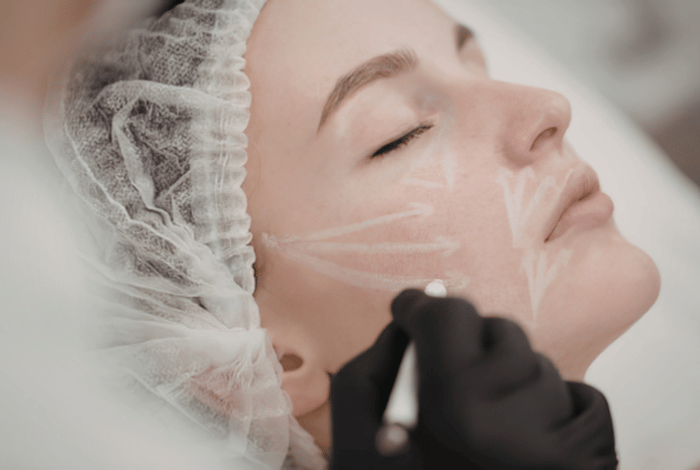
Botulinum toxin works by temporarily reducing communication between nerves and targeted facial muscles. As these muscles relax, repetitive facial movements become less intense, allowing dynamic wrinkles to soften over time.
Treatment commonly targets areas such as the following:
- Forehead lines
- Frown lines (glabellar lines)
- Crow’s feet
- Bunny lines
- Chin dimpling
- Neck bands
- Lip flip
- Jawline slimming
- Hyperhidrosis (excessive sweating)
Although the medication remains the same, the amount injected can significantly influence the final appearance.
This is where Baby Botox and full-dose Botox differ.
What Is Baby Botox?
Baby Botox refers to a treatment approach that uses smaller doses of botulinum toxin than traditional protocols. Rather than completely relaxing facial muscles, Baby Botox aims to soften their activity while preserving natural movement and facial expressions.
Instead of creating a completely smooth forehead, for example, Baby Botox allows subtle movement while minimizing wrinkle formation. The goal isn’t to eliminate every line.
It’s to create a refreshed appearance that often leaves people saying, “You look well-rested,” and not, “Did you get Botox?” This subtle enhancement has become especially popular among younger adults and first-time patients.
What Is Full-Dose Botox?
Full-dose Botox follows more traditional dosing recommendations. Here, practitioners use standard or higher unit amounts based on:
- Muscle strength
- Wrinkle severity
- Facial anatomy
- Desired longevity
- Cosmetic goals
The objective is greater muscle relaxation, leading to more dramatic wrinkle reduction and smoother skin. This option is commonly selected by patients with:
- Moderate to severe expression lines
- Strong forehead muscles
- Deep frown lines
- Advanced signs of facial aging
Full-dose treatments typically provide stronger wrinkle correction while lasting slightly longer than lower-dose approaches.
Baby Botox vs. Full-Dose Botox: Key Differences
| Feature | Baby Botox | Full-Dose Botox |
| Dose | Lower than standard | Standard or higher |
| Appearance | Very natural | More dramatic smoothing |
| Facial movement | Mostly preserved | More muscle relaxation |
| Wrinkle reduction | Mild to moderate | Moderate to significant |
| Ideal for | Prevention, subtle enhancement | Established wrinkles |
| First-time patients | Excellent | Also appropriate depending on goals |
| Longevity | Often slightly shorter | Usually longer-lasting |
| Touch-ups | May require more frequent maintenance | Typically fewer touch-ups |
Neither option is inherently better. The ideal choice depends on your skin, facial muscles, and treatment goals.
Why Baby Botox Has Become So Popular

The beauty industry has increasingly embraced natural-looking enhancements. Instead of dramatically changing facial features, many patients now prefer subtle improvements that maintain facial personality. Baby Botox fits perfectly within this trend.
Some of its most appealing advantages include the following:
Natural Facial Expressions
One of the biggest misconceptions surrounding Botox is the fear of looking “frozen.” Baby Botox minimizes this concern by allowing muscles to retain much of their normal movement. You can still smile, laugh, and express emotions naturally.
Preventive Wrinkle Care
Many younger adults in their 20s and early 30s are turning to Baby Botox as a preventive strategy. Repeated facial movements eventually contribute to wrinkle formation. Reducing muscle activity early may help delay the development of deeper expression lines over time.
Softer Overall Appearance
Rather than producing perfectly smooth skin, Baby Botox creates a refreshed appearance that looks less obvious. Friends may notice you look healthier or more rested without realizing you’ve had an aesthetic treatment.
Lower Initial Commitment
For patients who feel nervous about injectable treatments, Baby Botox offers an excellent introduction. Since lower doses are used, many first-time patients appreciate the subtle nature of the results before deciding whether they’d like additional treatment later.
Benefits of Full-Dose Botox
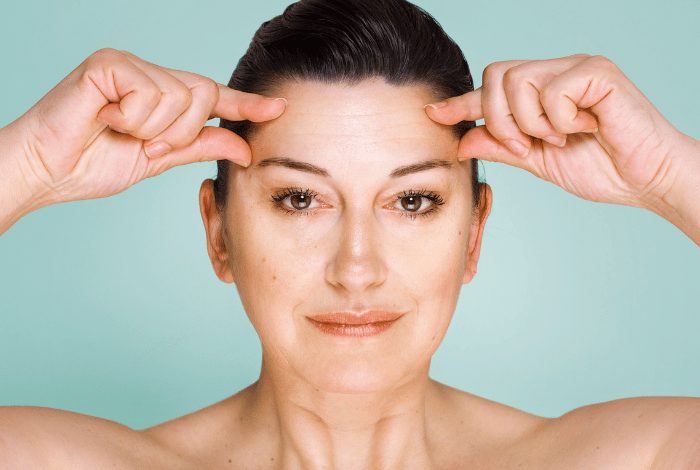
While Baby Botox receives significant attention, traditional full-dose treatments continue to be extremely popular for good reason.
- More Noticeable Wrinkle Reduction
Patients with moderate or severe wrinkles often require stronger muscle relaxation to achieve meaningful improvement. Full-dose Botox typically provides more dramatic smoothing.
- Longer Duration
Although individual results vary, larger doses generally remain effective slightly longer because greater muscle relaxation occurs. Many patients maintain results for approximately three to four months before retreatment.
- Better for Strong Facial Muscles
Some individuals naturally have stronger forehead or glabellar muscles. In these cases, Baby Botox may not produce sufficient relaxation, making full-dose treatment the more effective option.
- Greater Treatment Efficiency
Patients seeking maximum wrinkle reduction often achieve their desired results with fewer follow-up adjustments when full-dose protocols are appropriately selected.
Where Innotox Fits Into Both Treatment Styles
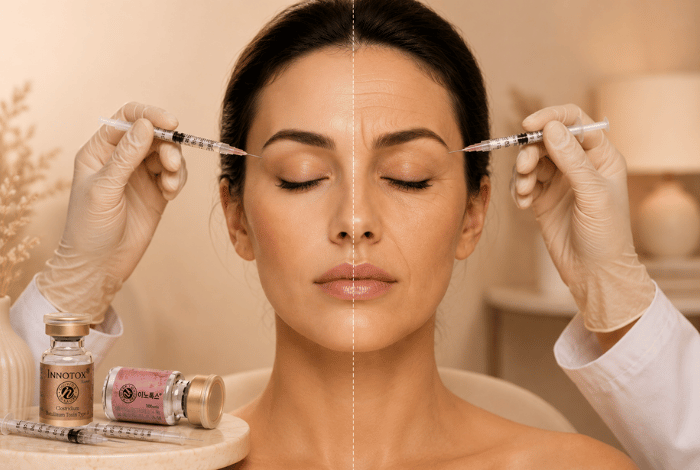
One reason Innotox has gained worldwide attention is its ready-to-use liquid formulation. Unlike traditional botulinum toxin products that require reconstitution before injection, Innotox arrives in liquid form, eliminating an extra preparation step.
For practitioners, this offers several potential advantages during customized treatments. Whether performing Baby Botox or full-dose injections, Innotox allows precise dosing tailored to each patient’s facial anatomy and aesthetic goals.
Because every treatment plan can be individualized, practitioners can carefully adjust injection amounts across different facial areas rather than following a one-size-fits-all approach. This flexibility supports today’s growing emphasis on personalized aesthetic care.
Which Areas Respond Well to Baby Botox, and Who Are the Ideal Candidates?
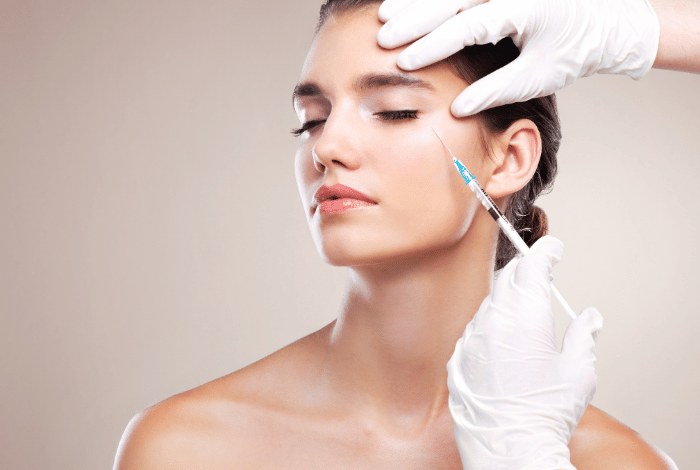
Baby Botox is commonly used in areas where subtle movement is desirable. Popular treatment areas include:
- Forehead—Softens horizontal forehead lines while maintaining natural expression.
- Crow’s Feet—Reduces fine lines around the eyes without affecting natural smiling.
- Glabellar Lines—Minimizes frown lines while preserving facial expressiveness.
- Lip Flip—Small doses relax the upper lip to create a subtle enhancement.
- Bunny Lines—Smooths wrinkles along the sides of the nose with minimal muscle relaxation.
Baby Botox may be appropriate for individuals who:
- Are in their 20s or early 30s
- Have mild expression lines
- Want preventive wrinkle management
- Prefer subtle improvements
- Are trying Botox for the first time
- Wish to maintain natural facial movement
- Work in professions requiring expressive facial communication
When Is Full-Dose Botox the Better Choice and Who Can Benefit More?

Full-dose treatment may be recommended when patients have:
- Deep forehead creases
- Prominent frown lines
- Strong facial muscles
- Significant crow’s feet
- Long-standing dynamic wrinkles
- Previous Botox experience with higher-dose preferences
Your practitioner will evaluate muscle activity before determining appropriate dosing.
Traditional dosing often works best for patients who:
- Have moderate to severe wrinkles
- Want stronger wrinkle correction
- Have highly active facial muscles
- Have previously received Botox treatments
- Prefer smoother skin with less muscle movement
- Desire longer-lasting improvements
Does Baby Botox Last as Long?
Not always. Since smaller amounts of botulinum toxin are used, muscle activity often returns slightly sooner than with traditional dosing.
Many patients experience results lasting approximately
- Baby Botox: around 2–3 months
- Full-Dose Botox: around 3–4 months
However, longevity varies depending on factors such as
- Individual metabolism
- Muscle strength
- Lifestyle
- Exercise habits
- Treatment area
- Injection technique
Regular maintenance appointments can help preserve consistent results regardless of the dosing strategy.
Can You Start with Baby Botox and Increase Later?
Absolutely! Many experienced practitioners recommend beginning conservatively.
Starting with Baby Botox allows patients to observe how their muscles respond before deciding whether additional units are needed. If stronger wrinkle reduction is desired, future treatments can be adjusted accordingly. This gradual approach often leads to higher patient satisfaction because treatments remain personalized rather than overly aggressive.
Common Myths About Baby Botox
Myth 1: Baby Botox Doesn’t Work
It does—it simply produces subtler results. The goal is gentle muscle relaxation rather than complete immobilization.
Myth 2: It’s Only for Younger Patients
Although often chosen by younger adults, older individuals with mild lines or a preference for natural movement can also benefit.
Myth 3: Full-Dose Botox Always Looks Frozen
Not necessarily. When administered by an experienced injector, full-dose treatments can still look balanced and natural while effectively softening wrinkles.
Myth 4: More Botox Is Always Better
Higher doses aren’t automatically superior. The ideal treatment is the one that matches your facial anatomy, muscle strength, and aesthetic goals.
Choosing the Right Approach: Questions to Ask Yourself
Before treatment, consider the following:
- Do you want subtle or dramatic wrinkle reduction?
- Are you treating early lines or established wrinkles?
- Is maintaining facial movement important to you?
- Are you trying Botox for the first time?
- Would you prefer longer-lasting results or a more conservative starting point?
- Are there specific facial areas you want to target?
Discussing these questions during your consultation helps your provider design the most suitable treatment plan.
What to Expect During Your Consultation

A personalized consultation is one of the most important parts of any botulinum toxin treatment. Rather than deciding between Baby Botox or full-dose Botox based on trends alone, your practitioner will evaluate several factors, including:
- Facial anatomy
- Muscle strength and movement
- Existing wrinkles
- Skin quality
- Previous injectable treatments
- Desired outcome
- Lifestyle and expectations
This assessment helps determine not only the appropriate dose but also the placement of injections for balanced, natural-looking results.
Final Thoughts on Which Is Better: Baby Botox vs. Full-Dose Botox
The choice between Baby Botox and full-dose Botox isn’t about which option is better—it’s about which one better aligns with your unique goals. Baby Botox offers subtle enhancement, natural facial movement, and an excellent entry point for preventive treatments. Full-dose Botox, on the other hand, provides more noticeable wrinkle reduction and longer-lasting muscle relaxation for individuals with stronger facial muscles or more established signs of aging.
With advanced products like Innotox, practitioners have the flexibility to customize treatments with precision, whether using a lighter approach or a traditional dosing protocol. Because every face is different, the best results come from a personalized treatment plan developed by a qualified medical professional.
Ultimately, the most successful aesthetic outcomes are those that enhance your natural features while preserving your individuality—helping you look refreshed, confident, and authentically yourself.
Frequently Asked Questions (FAQs)
Is Baby Botox the same product as regular Botox?
Yes. The difference lies in the amount injected, not the botulinum toxin itself. Baby Botox simply uses lower doses to create subtler results.
Can Innotox be used for Baby Botox?
Yes. Innotox’s ready-to-use liquid formulation allows practitioners to tailor dosing precisely, making it suitable for both Baby Botox and traditional full-dose treatment plans.
Does Baby Botox prevent wrinkles?
Baby Botox may help reduce repetitive muscle movement that contributes to dynamic wrinkle formation. While it cannot stop the aging process, it is commonly used as part of a preventive aesthetic strategy.
Which lasts longer: Baby Botox or full-dose Botox?
In general, full-dose Botox tends to last slightly longer because greater muscle relaxation is achieved. Individual results vary based on metabolism, muscle activity, treatment area, and other factors.
Can I switch from Baby Botox to full-dose Botox later?
Yes. Many patients begin with Baby Botox to see how they respond and later transition to a traditional dosing approach if they want more noticeable wrinkle reduction or longer-lasting results.
Is Baby Botox better for first-time patients?
For many first-time patients, Baby Botox offers a gentle introduction to injectable wrinkle treatments. However, the best option depends on your facial anatomy, muscle strength, and desired outcome, which should be assessed during a professional consultation.
Add a Comment