image

Botox for Men: Why More Men Are Getting Treatments 

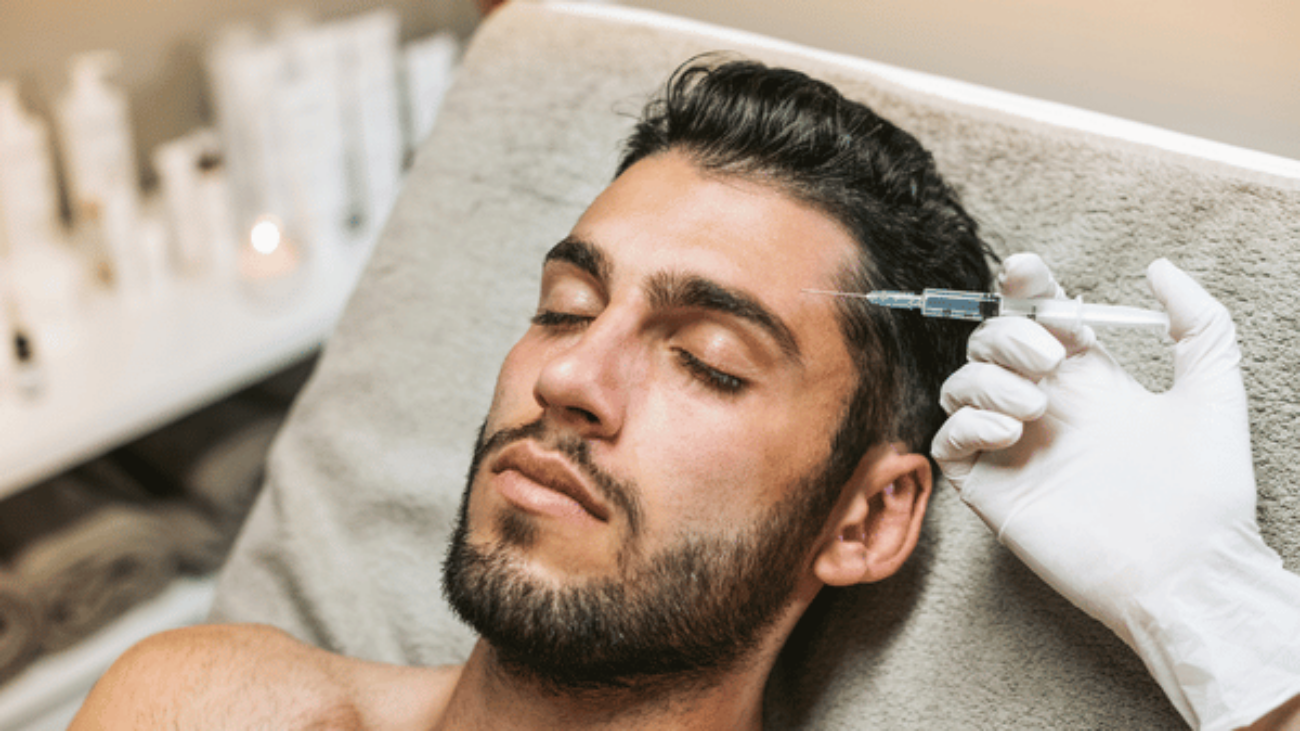
For a long time, cosmetic injectables were mostly seen as treatments for women—but that idea has changed a lot. Today, more men are exploring non-surgical aesthetic options to look fresher, more rested, and more confident without making dramatic changes. From executives and entrepreneurs to athletes and content creators, men are turning to botulinum toxin treatments to soften signs of aging while still looking like themselves.

The rise of “Brotox”—a casual nickname for Botox treatments among men—shows how attitudes around grooming and self-care are evolving. Many men now see aesthetic treatments as another way to take care of themselves, much like staying active, following a skincare routine, or dressing well. The goal is simple: to look well-rested and youthful without surgery or a long recovery period.

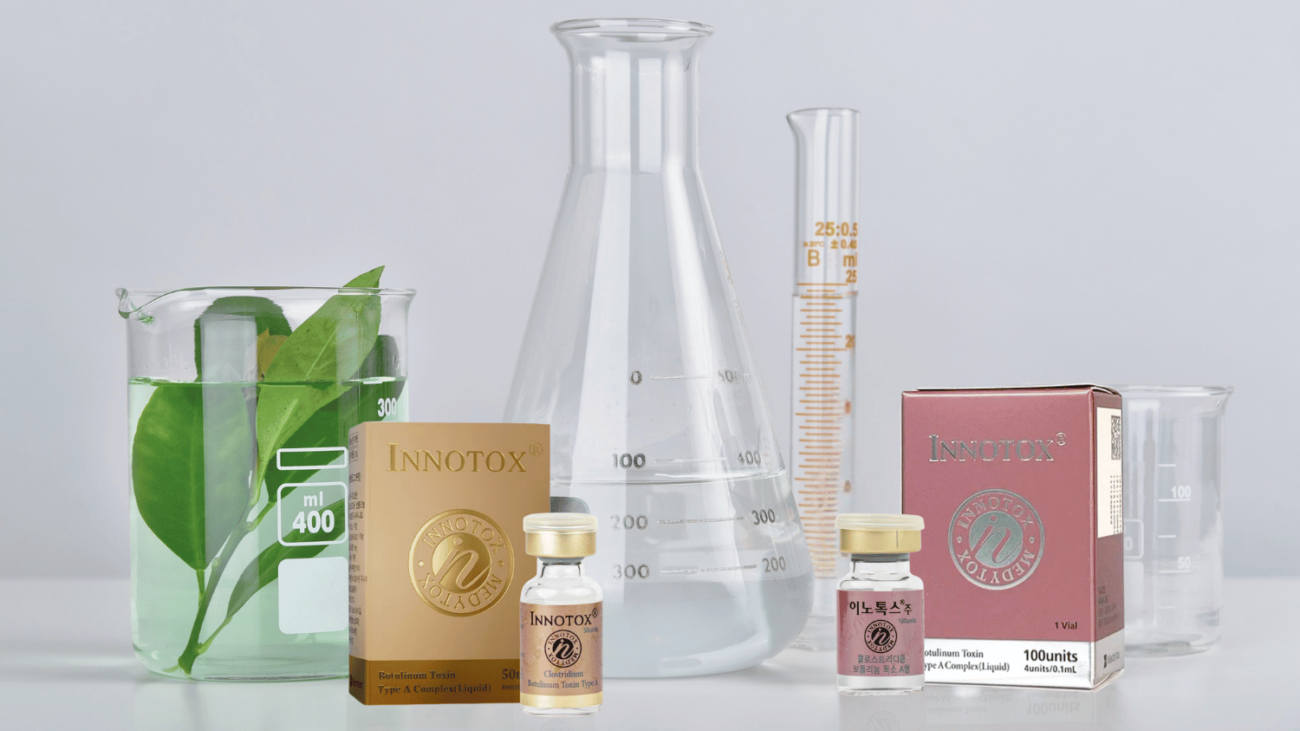
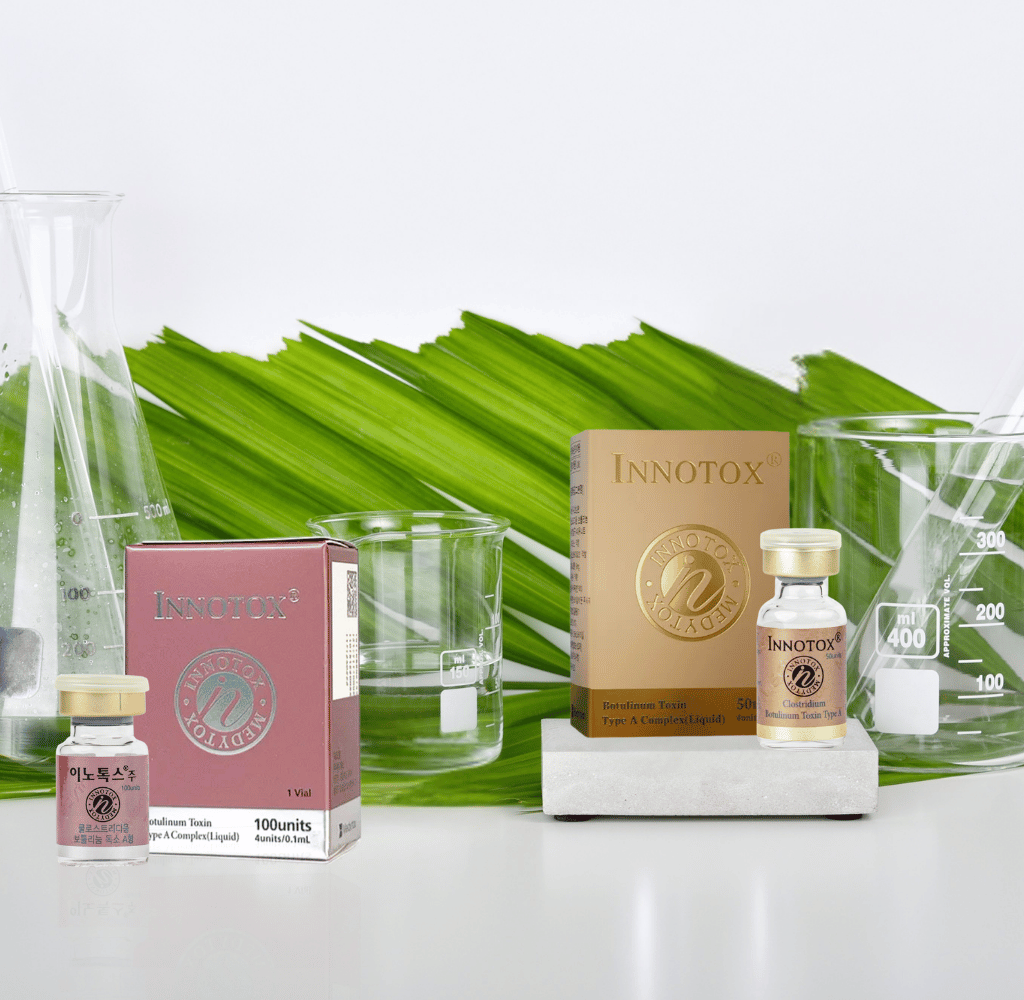
Products like Innotox, a ready-to-use liquid botulinum toxin formulation developed in South Korea, have also caught the attention of aesthetic practitioners because they are convenient and consistent to prepare. While every patient has different goals, most men are looking for the same kind of result: subtle improvements that make them look refreshed—not overdone.

Why More Men Are Seeking Botox Treatments

A Forbes article on Brotox talks about how men are now encouraged to take care of their skin, and soap and water just won’t cut it. Fortunately, in Korea, men have been more conscious of their skin, piling up facial products in their routine without hesitation, understanding that the importance of prevention is better than treatment when it comes to aging skin. This may be the push to more development of skincare treatments and products tailored to men. Botox may be the starting line to men’s aesthetics, but the possibilities opened are endless. 

Several factors have contributed to the growing acceptance of aesthetic procedures among men, such as the following:

  1. Greater Awareness of Preventive Aging

More men are choosing Botox before lines become deeper and harder to soften. Wrinkles often start as expression lines from everyday movements like frowning, squinting, or raising the eyebrows. Over time, these lines can become visible even when the face is relaxed. By treating them early, men can help soften muscle movement and slow the development of deeper wrinkles. This is especially common among men in their late 20s to 40s who want to maintain a fresh, youthful look without making a drastic change.

  1. Competitive Professional Environments

In many workplaces, appearance can play a role in first impressions. Skills and experience still matter most, but looking well-rested, confident, and approachable can make a difference in how someone is perceived by clients, colleagues, and employers.

Men who spend a lot of time on video calls, presentations, or client-facing work may also become more aware of forehead lines or frown lines, especially on camera. For many, treatment is less about looking different and more about looking less tired.

  1. Increased Presence on Social Media

With high-definition phone cameras, video content, and social media now part of everyday life, people are more aware of how their face looks in photos and videos. This has encouraged more men to consider subtle aesthetic treatments that help them look refreshed while still looking natural.

  1. Reduced Stigma Around Cosmetic Procedures

Cosmetic treatments are no longer seen only as vanity. For many men, they are simply another part of self-care—like working out, taking care of their skin, visiting the dentist, or dressing well. Injectable treatments have become one more option for men who want to feel confident about how they look.

The Benefits of Botox for Men

  1. Natural-Looking Rejuvenation

Modern techniques emphasize subtle improvements. Friends and colleagues often notice that someone looks refreshed without identifying exactly why.

  1. Non-Surgical Solution

Unlike surgical procedures, botulinum toxin injections require no incisions or general anesthesia, making them appealing to individuals seeking minimally invasive options.

  1. Minimal Downtime

Most patients return to work or normal daily activities shortly after treatment, making appointments convenient even during busy schedules.

  1. Prevention of Wrinkle Progression

Reducing repetitive muscle contractions may slow the deepening of expression lines over time when incorporated into a long-term maintenance plan.

  1. Enhanced Confidence

Many men report feeling more confident in professional settings, social interactions, and photographs after achieving a rested, youthful appearance.

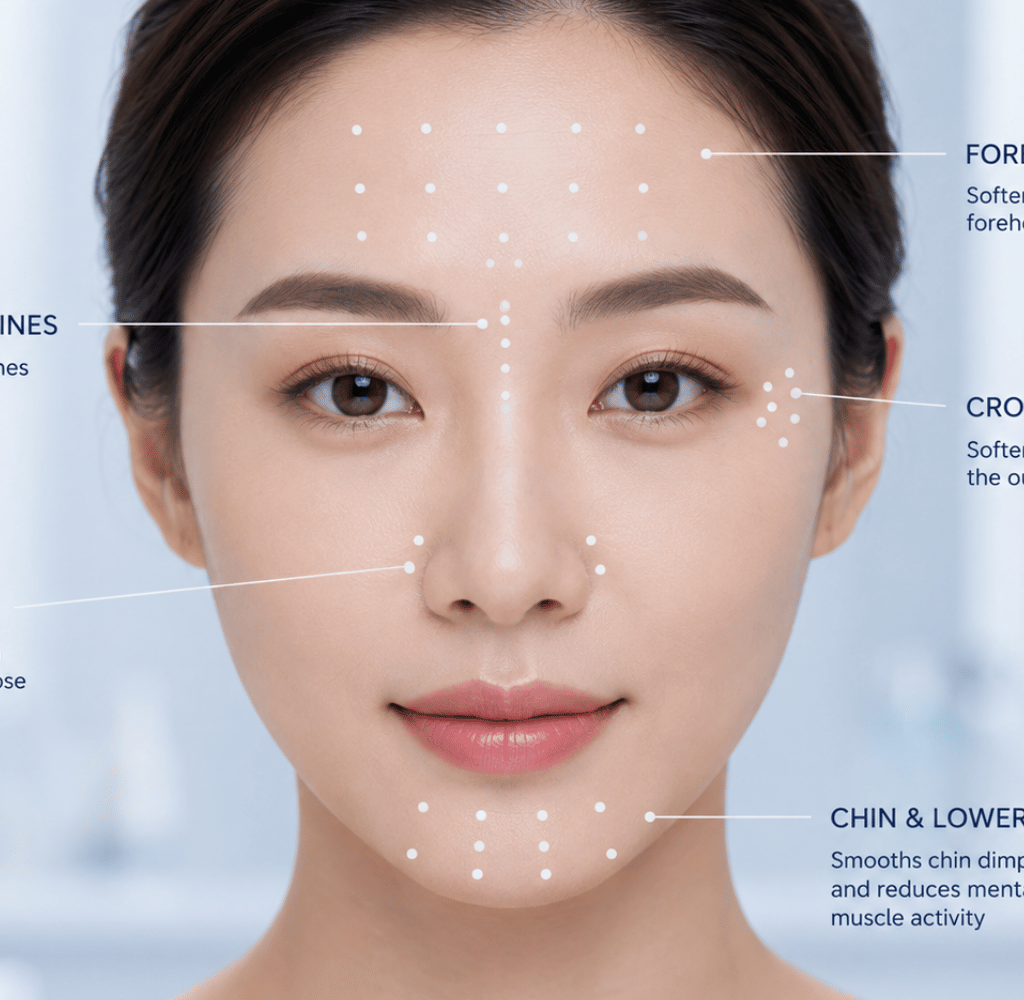
Common Botox Treatment Areas for Men

Although treatment techniques may differ slightly between men and women due to anatomical differences, many of the same facial areas can be addressed.

Forehead Lines

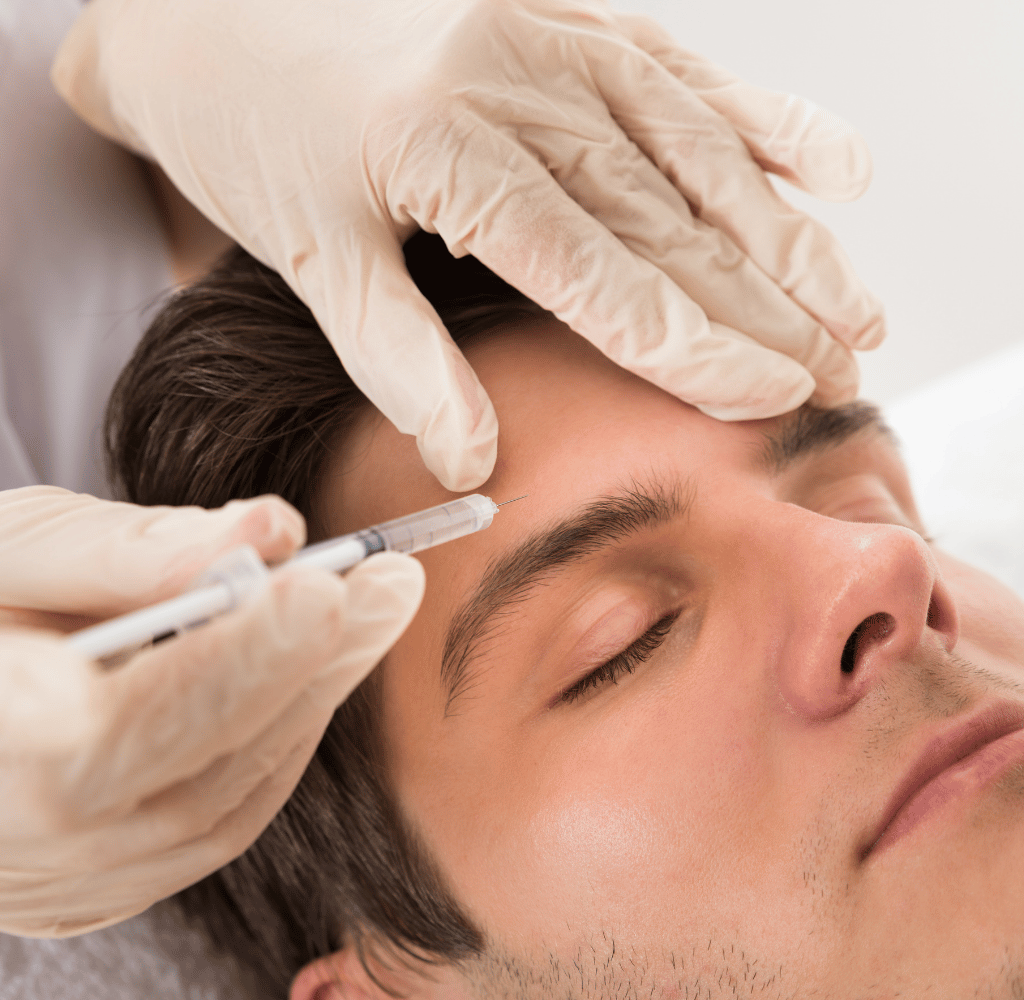
Horizontal forehead creases often develop from repeatedly raising the eyebrows. Treatment can soften these lines while preserving natural movement when administered appropriately.

Glabellar Lines (“11” Lines)

The vertical lines between the eyebrows can make someone appear angry, stressed, or tired even when relaxed. Relaxing the underlying muscles often creates a friendlier and more approachable expression.
Crow’s Feet

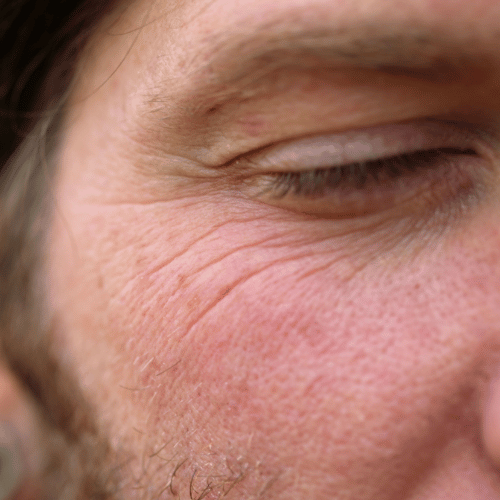
Fine lines around the outer corners of the eyes become more noticeable during smiling and squinting. Treatment helps reduce their appearance while maintaining expressive facial movements.
Bunny Lines

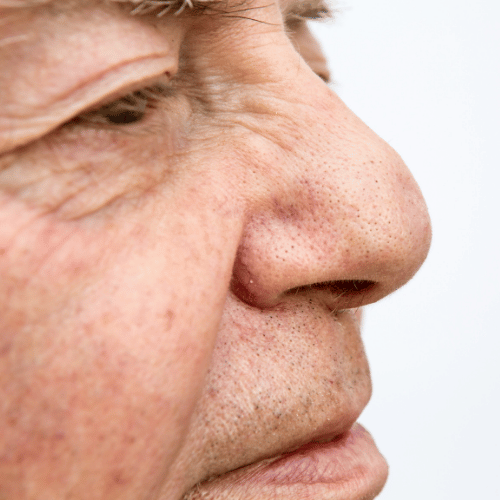
Wrinkles that form along the bridge or sides of the nose during smiling or facial expressions can also respond well to botulinum toxin injections.
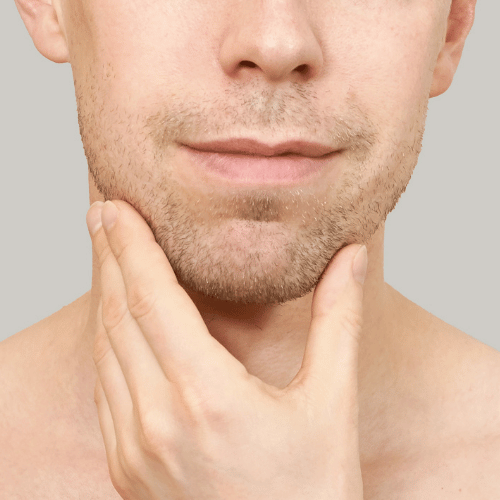
Chin Dimpling

An overactive mentalis muscle may produce an uneven or pebbled chin appearance. Strategic treatment can create a smoother contour.
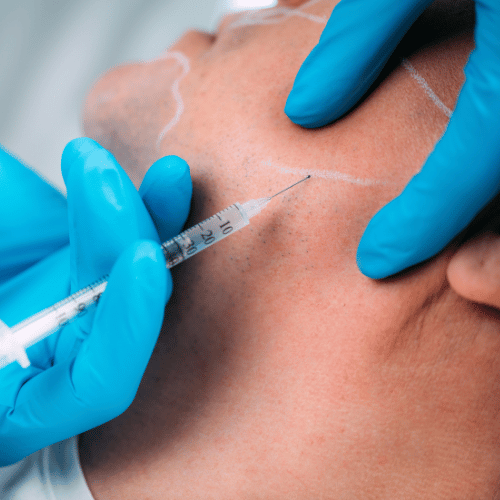
Jawline and Masseter Muscles

Some men pursue injections into enlarged masseter muscles for facial slimming or to address teeth grinding and jaw tension. Results may produce a softer lower-face profile over time.

Neck Bands

Visible platysmal bands can contribute to an aged appearance. Treating these muscles may help create a smoother transition between the jawline and neck.

TrapTox (Trapezius Muscle)

Botulinum toxin injections into the trapezius muscles have gained popularity among individuals seeking a slimmer shoulder profile or relief from muscle-related tension. Patient selection and appropriate dosing are important considerations.

How Botox Treatments Differ for Men

Although the treatment principles remain similar, male facial anatomy often requires a customized approach.

A. Stronger Facial Muscles—Men typically have larger and stronger facial muscles than women, which may require different dosing strategies to achieve balanced results.

B. Preservation of Masculine Features—The goal is not to feminize the face but to reduce excessive muscle activity while maintaining masculine contours and expressions. Experienced injectors tailor treatments to avoid overly elevated eyebrows or an unnaturally smooth forehead.

C. Individualized Assessment—Factors such as age, occupation, facial symmetry, muscle strength, and aesthetic goals influence treatment planning. A personalized consultation helps determine the most suitable injection pattern.

What Is Innotox?

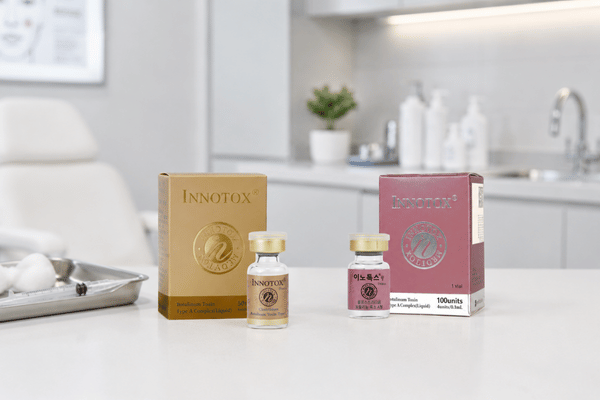
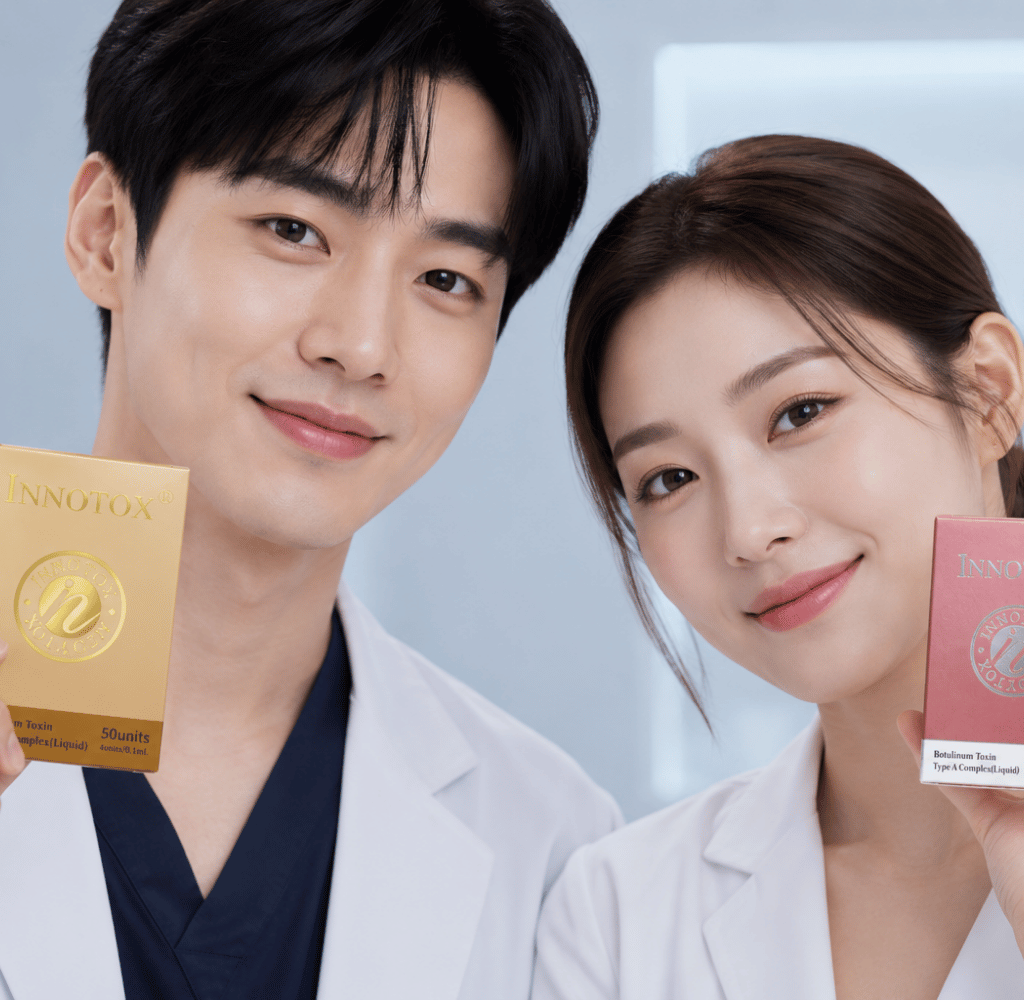
Innotox is a liquid-form botulinum toxin type A product manufactured in South Korea. Unlike traditional products supplied as freeze-dried powder that require reconstitution before use, Innotox comes in a ready-to-use liquid formulation.

This characteristic may simplify preparation for trained healthcare professionals and reduce variability associated with dilution. The product has attracted international attention within aesthetic medicine because of its formulation and convenience. As with any botulinum toxin product, administration should be performed only by qualified medical professionals following applicable local regulations and clinical guidelines.

How To Use Innotox for Men’s Botox
Who Is a Good Candidate?

Suitable candidates often include healthy adults who wish to reduce dynamic wrinkles or prevent their progression. Individuals should have realistic expectations and seek treatment from qualified healthcare professionals who can assess their needs and discuss potential benefits and risks.

A thorough medical history and facial evaluation help determine whether botulinum toxin treatment is appropriate.

What to Expect During Treatment

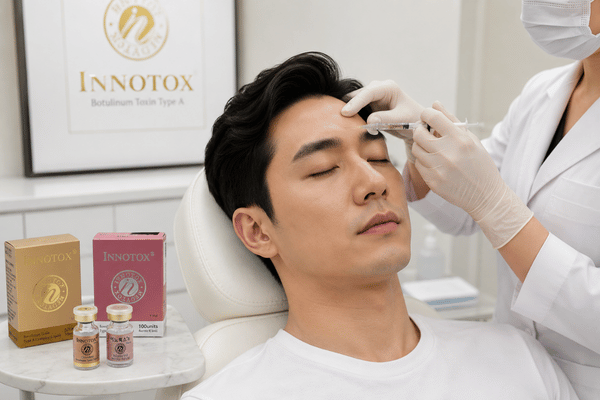
The procedure itself is generally straightforward. A consultation begins with an assessment of facial anatomy, muscle activity, and treatment goals. The provider may ask the patient to raise the eyebrows, frown, smile, or squint to evaluate dynamic muscle movement.

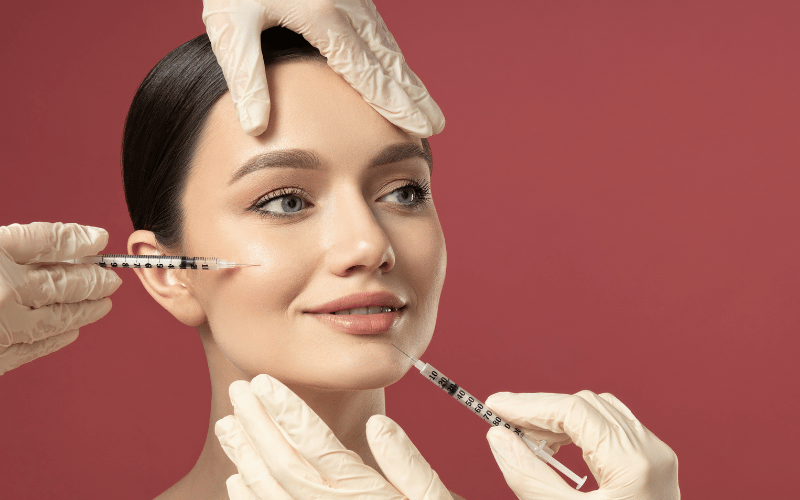
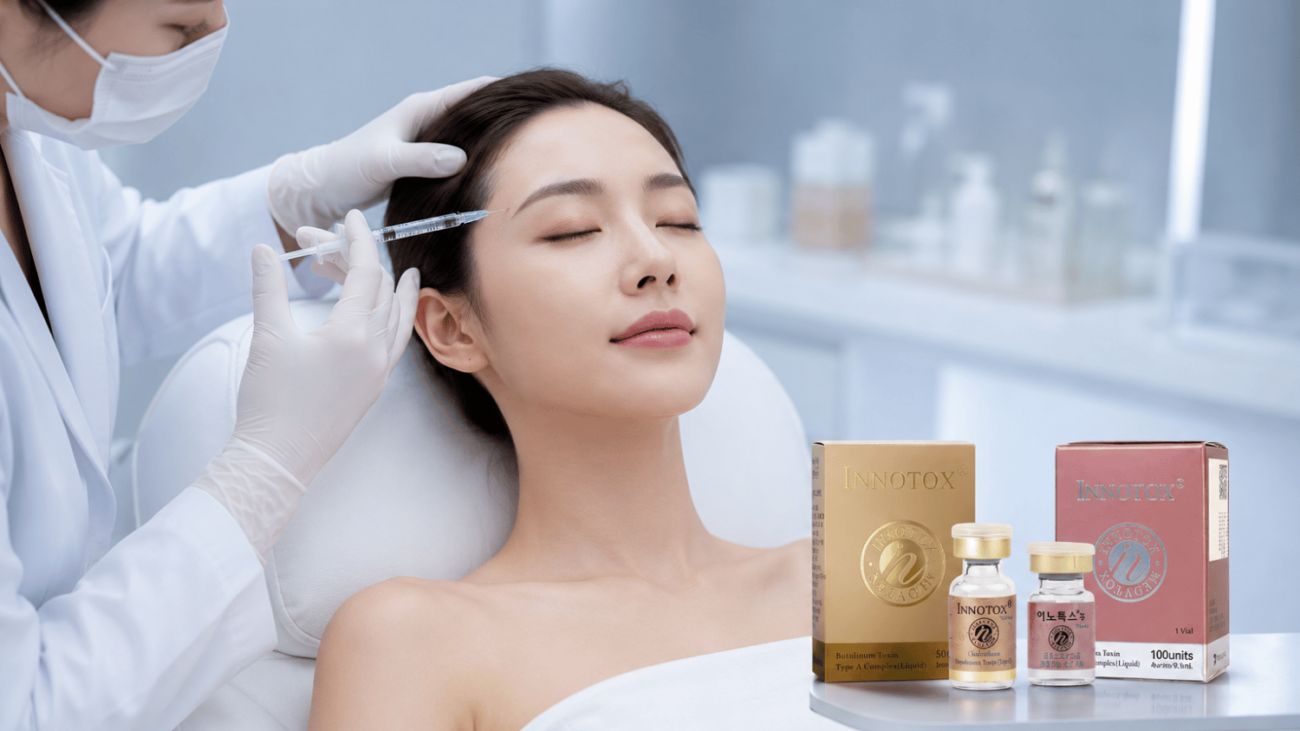
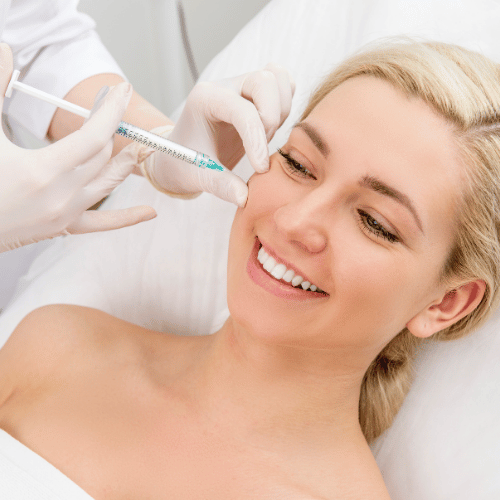
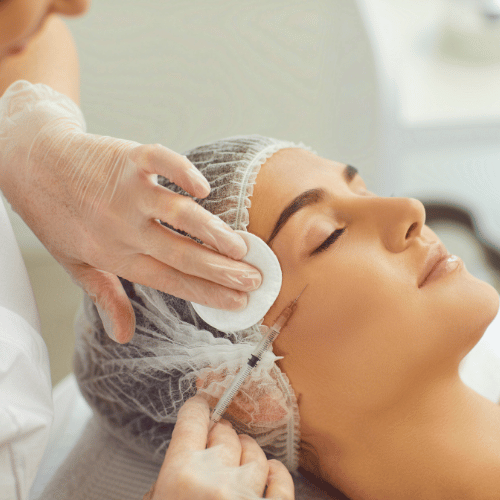
Small amounts of botulinum toxin are then injected into targeted muscles using a fine needle. Most sessions take between 10 and 30 minutes, depending on the number of treatment areas. Discomfort is typically brief and often described as a minor pinching sensation.

Aftercare Recommendations

Following treatment, providers commonly recommend several simple precautions:

  • Avoid rubbing or massaging treated areas immediately after injections.
  • Remain upright for several hours unless otherwise instructed.
  • Delay strenuous exercise for the remainder of the day if advised by the provider.
  • Follow all individualized post-procedure instructions given during the appointment.

Minor redness or pinpoint swelling at injection sites usually resolves quickly.

When Will Results Be Visible?

Patients often begin noticing changes within several days, although full results typically become apparent after one to two weeks. The treated muscles gradually relax, reducing the appearance of dynamic wrinkles while preserving facial expression when dosing is appropriate.

Effects generally last several months, after which muscle activity slowly returns and maintenance treatments may be considered.

Combining Botox with Other Treatments 

For comprehensive facial rejuvenation, Botox may be combined with other non-surgical procedures depending on patient goals, including the following:

  • Hyaluronic acid dermal fillers for volume restoration
  • Skin boosters for hydration and skin quality improvement
  • Collagen-stimulating treatments
  • Laser therapies for pigmentation and texture concerns
  • Medical-grade skincare products
  • Chemical peels or microneedling where appropriate

Combination plans should always be individualized and supervised by trained practitioners.

Debunked Myths About Botox for Men 

Myth 1: Botox Creates a Frozen Face

When administered conservatively by an experienced injector, the objective is natural movement with softened expression lines rather than complete immobility.

Myth 2: Only Older Men Need Treatment

Many younger men pursue preventive treatments to delay wrinkle formation rather than reverse advanced aging.

Myth 3: People Will Notice You Had Work Done

Well-executed treatment is often subtle. Others may simply perceive that the patient looks rested, healthier, or less stressed.

Myth 4: Botox Is Only for Wrinkles

Beyond cosmetic uses, botulinum toxin has medical applications and may also be used in aesthetic practice to address concerns such as jaw muscle hypertrophy or excessive muscle activity in selected patients.

Innotox Botulinum Toxin: The Future of Male Aesthetics

The rise in male cosmetic treatments reflects changing attitudes toward aging and self-care. Rather than pursuing dramatic transformations, today’s male patients often seek subtle enhancements that preserve authenticity while helping them look more energetic and confident.

As techniques continue to evolve and innovative products like Innotox gain recognition in aesthetic medicine, men have more options than ever to address signs of aging with minimal disruption to daily life.

Botox for men has become a mainstream aesthetic treatment because it offers a practical, minimally invasive way to soften wrinkles and maintain a refreshed appearance. Whether addressing forehead lines, crow’s feet, frown lines, or jaw muscle prominence, individualized treatment plans can produce natural-looking results that complement masculine facial features.

The growing popularity of products such as Innotox highlights the ongoing innovation within aesthetic medicine, but the most important factor remains the expertise of the healthcare provider performing the injections. Men considering treatment should prioritize consultation with qualified professionals who understand facial anatomy, individualized dosing, and the importance of preserving natural expression while achieving aesthetic goals.

unnamed (92)

Innotox vs. Traditional Botox: What is the Difference?

Botox treatments have been one of the most sought-after non-surgical cosmetic procedures around the world for decades. Botulinum toxin injections have helped millions of people look youthful without surgery, smoothing forehead lines and softening crow’s feet and frown lines.

However, today, patients and aesthetic practitioners have more options than ever before. Innotox is one of the most talked-about innovations in the field, a unique liquid botulinum toxin formulation that has a number of advantages over traditional Botox products.

While both treatments serve the same primary purpose—temporarily relaxing facial muscles to reduce dynamic wrinkles—their formulations, preparation methods, and treatment experiences differ significantly. So, what exactly sets Innotox apart from traditional Botox? Let’s take a closer look through this comprehensive article.

Understanding Botulinum Toxin Treatments

Before comparing the two, it’s important to understand what botulinum toxin treatments actually do. Botulinum toxin type A is a purified neurotoxin that temporarily blocks communication between nerves and muscles. When injected into targeted muscles, it reduces muscle contractions that contribute to expression lines and wrinkles. Common treatment areas include forehead lines, glabellar lines (frown lines between the eyebrows), crow’s feet, bunny lines, chin dimpling, jawline contouring, and neck bands.

The goal is not to eliminate facial expressions entirely but to soften repetitive movements that lead to visible signs of aging. Modern treatments with Botox target producing natural expressions rather than that “frozen look” often associated with neurotoxins. There may be different strains of botulinum toxin, with Clostridium botulinum toxin type A as the most prevalent one, present in each formulation, but all have one central purpose—to reduce the appearance of various signs of aging, such as wrinkles and fine lines.

Additionally, botulinum toxin may be available in different concentrations and manufactured to be reconstituted differently and administered in a specific technique. For this article, we will be focusing on the difference between liquid Botox and lyophilized powder-based Botox products.

What Is Traditional Botox?

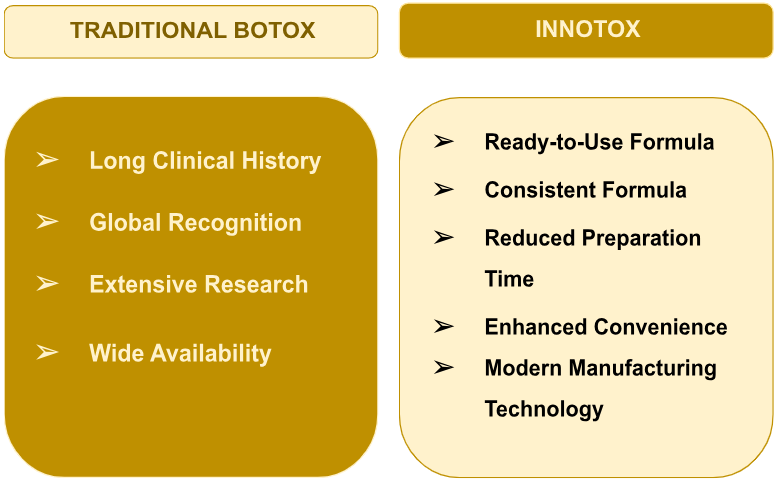
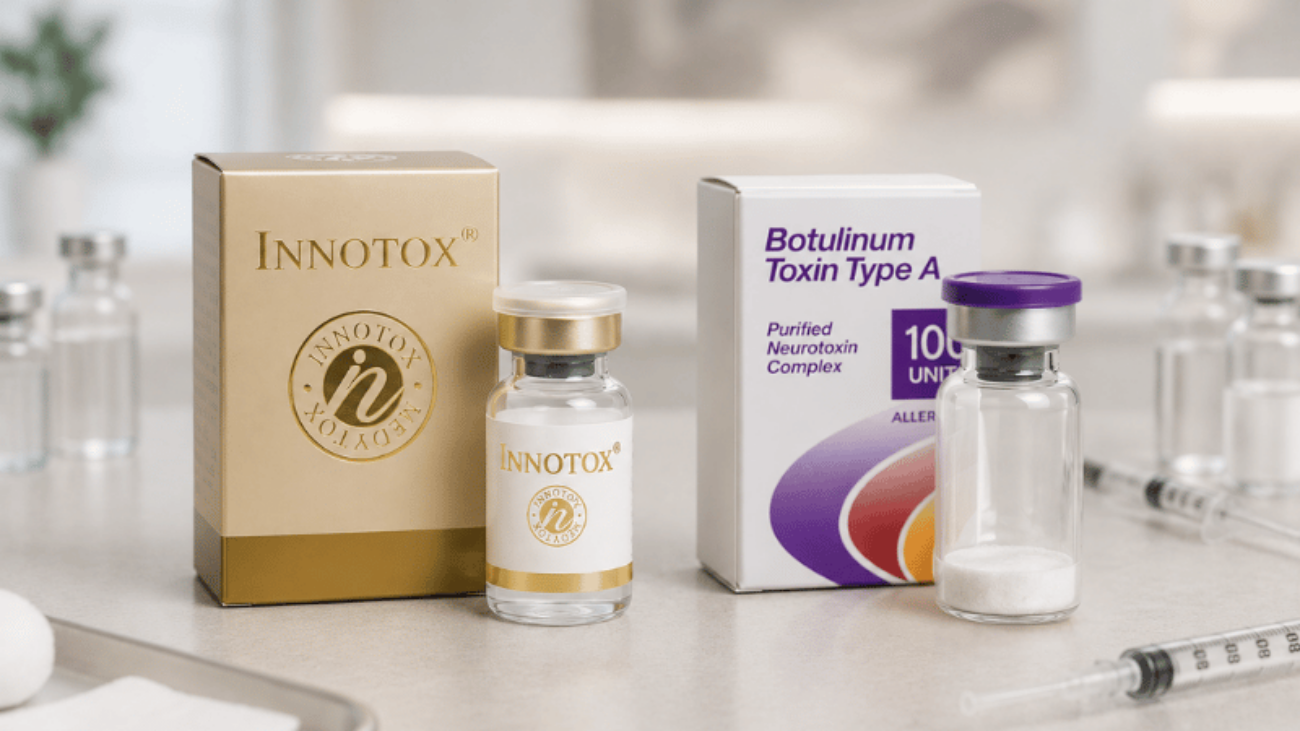
The term “Botox” is often used generically to describe all botulinum toxin treatments, but technically, Botox is a specific brand manufactured by Allergan Aesthetics. Traditional Botox products are supplied as a lyophilized powder, commonly referred to as freeze-dried botulinum toxin. Before treatment, practitioners must reconstitute the powder with sterile saline solution to create an injectable liquid. This process has been standard practice for many years and is widely accepted throughout aesthetic medicine.

Key Characteristics of Traditional Botox

  • Supplied in powder form
  • Requires dilution with saline
  • Preparation performed before treatment
  • Widely used globally
  • Effective for treating dynamic wrinkles
  • Extensive clinical history

While traditional Botox remains highly effective, the reconstitution process introduces certain variables that can affect consistency if not performed correctly.

What Is Innotox?

Innotox is a next-generation botulinum toxin product developed by Medytox Inc. Unlike conventional Botox formulations, Innotox comes as a ready-to-use liquid solution, eliminating the need for dilution before injection.

This innovation makes Innotox one of the first commercially available liquid botulinum toxin products in the aesthetic market. The pre-mixed formulation provides convenience for practitioners while offering greater consistency during treatment.

Key Characteristics of Innotox

  • Ready-to-use liquid formulation
  • No reconstitution required
  • Precise concentration
  • Reduced preparation time
  • Consistent dosing
  • Convenient storage and handling

Its liquid presentation is one of the primary reasons why many clinics and practitioners are increasingly interested in incorporating Innotox into their treatment offerings.

The Biggest Difference: Liquid vs. Powder

The most significant distinction between Innotox and traditional Botox lies in their formulation.

Traditional Botox

Traditional Botox arrives as a freeze-dried powder and requires mixing with saline before use. During reconstitution, practitioners determine the dilution ratio according to their treatment preferences and protocols. While experienced injectors can achieve excellent results, slight variations in dilution practices may occur between clinics.

Innotox

Innotox arrives in a pre-prepared liquid solution. There is no need to add saline or perform any mixing before administration. Because the product is already formulated at a fixed concentration, treatment consistency may be enhanced and preparation errors minimized. This ready-to-use approach is often viewed as one of Innotox’s most appealing advantages.

Consistency and Precision

One concern with powdered neurotoxins is that dilution practices can vary among providers. Although these differences are usually minor, the final concentration may differ slightly depending on how the product is reconstituted. With Innotox, every vial is supplied at a standardized concentration. This consistency can offer several benefits:

  • More predictable dosing
  • Reduced preparation variability
  • Improved workflow efficiency
  • Enhanced treatment standardization

Treatment Experience for Patients

From the patient’s perspective, the treatment experience is generally similar regardless of which product is used. Both involve:

  • Consultation and assessment
  • Facial mapping
  • Strategic injections
  • Minimal downtime
  • Gradual onset of results

Most sessions take less than 30 minutes and allow patients to return to daily activities shortly afterward. However, because Innotox requires no reconstitution, treatment preparation may be faster and more streamlined. While patients may not directly notice the preparation difference, clinics often appreciate the efficiency it provides.

Diffusion Characteristics

Diffusion refers to how a neurotoxin spreads after injection. Proper diffusion is important because it influences both effectiveness and precision. Some practitioners report that Innotox demonstrates smooth and predictable diffusion characteristics, allowing for accurate placement in targeted treatment areas. This can be especially beneficial when treating delicate facial regions where precision is essential. As with any injectable treatment, outcomes ultimately depend on:

  • Injector skill
  • Facial anatomy
  • Treatment goals
  • Product selection

Onset of Results

Many patients want to know how quickly they will see improvements. Individual response varies, but both products generally produce results within a similar timeframe.

Traditional Botox

Results from traditional Botox typically appear within 3 to 7 days after treatment, with full effects often visible within 10 to 14 days.

Innotox

With Innotox, many practitioners report that early visible improvement may be seen within several days, while full results typically develop within approximately 1 to 2 weeks.

Duration of Effects

One of the most common questions patients ask is “How long will my results last?” The answer depends on factors such as metabolism, muscle strength, treatment area, dosage, and lifestyle habits. Regular maintenance treatments help preserve results over time.

For both traditional Botox and Innotox, results commonly last for about 3 to 4 months. But some patients report after using Innotox that effects last longer depending on the treatment protocols. 

Protein Composition and Purity

Another notable aspect of Innotox is its formulation design. Innotox is manufactured using advanced purification technology intended to minimize unnecessary protein components while maintaining effectiveness.

A purified formulation may offer advantages such as the following:

  • Improved product stability
  • Consistent performance
  • Reduced likelihood of unwanted immune responses over long-term use

This focus on refinement reflects broader trends in aesthetic medicine toward more sophisticated injectable products.

Common Treatment Areas of Botulinum Toxin

Both Innotox and traditional Botox can be used for many of the same cosmetic indications. Popular treatment areas include:

  1. Forehead Lines

Repeated eyebrow movements create horizontal forehead creases over time. Neurotoxin treatments help soften these lines while maintaining natural expression.

  1. Glabellar Lines

Often called “11 lines,” these vertical wrinkles between the eyebrows are among the most frequently treated areas.

  1. Crow’s Feet

Fine lines around the eyes become more noticeable with smiling and squinting. Treatment can create a smoother, more refreshed appearance.

  1. Bunny Lines

Wrinkles on the sides of the nose can be reduced through carefully placed injections.

  1. Jawline Contouring

Masseter muscle treatment can create a slimmer facial profile while addressing jaw tension.

  1. Neck Bands

Botulinum toxin can improve the appearance of prominent platysmal bands in the neck.

Advantages of Innotox vs. Traditional Botox

While traditional Botox remains highly respected, Innotox offers several unique benefits.

But Which Option Is Better?

The truth is that there is no universal answer. The “better” option depends on different factors, like:

  • Practitioner’s preference
  • Treatment goals of the patient
  • Patient anatomy
  • Product availability
  • Clinical experience

Many providers appreciate Innotox for its convenience, consistency, and innovative liquid formulation. Others continue to rely on traditional Botox due to its long-established history and familiarity. When administered by a qualified professional, both options can deliver excellent aesthetic outcomes. As awareness grows, Innotox continues to gain popularity among aesthetic professionals worldwide; thus, Innotox may be appealing for the following:

  1. Patients seeking modern aesthetic solutions
  2. Clinics focused on treatment efficiency
  3. Practitioners who prefer ready-to-use formulations
  4. Individuals interested in consistent dosing
  5. Those exploring alternatives to conventional neurotoxins

The Future of Neurotoxin Treatments

The aesthetic industry is constantly evolving. Patients increasingly seek treatments that offer convenience, precision, consistency, and natural-looking outcomes. Innotox represents a significant advancement in botulinum toxin technology by addressing one of the traditional limitations of powdered neurotoxins: the need for reconstitution. As innovation continues, ready-to-use liquid neurotoxins may become an increasingly important part of modern aesthetic medicine.

Both Innotox and traditional Botox are effective solutions for reducing dynamic wrinkles and achieving a smoother, more youthful appearance. While they share the same fundamental mechanism of action, their formulations differ considerably. Traditional Botox is supplied as a freeze-dried powder that requires reconstitution before use, whereas Innotox arrives as a ready-to-use liquid formulation. This distinction offers advantages in consistency, convenience, and treatment efficiency that many practitioners value.

For patients, the choice often comes down to the expertise of the injector and the treatment plan designed to achieve their desired results. Whether you choose Innotox or a traditional Botox product, consulting with an experienced aesthetic professional is the best way to determine the most appropriate option for your unique needs.

As the field of aesthetic medicine advances, innovations like Innotox are helping redefine what patients and providers can expect from modern neurotoxin treatments, making cosmetic procedures more precise, efficient, and accessible than ever before.

unnamed (91)

Preventative Botox with Innotox: Should You Start in Your 20s?


In recent years, preventative Botox has become one of the fastest-growing trends in aesthetic medicine. Unlike traditional Botox treatments that target existing wrinkles, Preventative Botox focuses on stopping dynamic lines from becoming permanent in the first place. It is often termed “Baby Botox” by the younger millennial generation, as it does not necessarily treat deep and severe facial wrinkles but targets finer lines surrounding sensitive areas and prevents the formation of more wrinkles often caused by repetitive expressions. 

Many individuals in their 20s are now considering neurotoxin treatments as part of their long-term skincare strategy. Social media, increased awareness of aesthetic procedures, and advancements in injectable products have all contributed to the growing popularity of early wrinkle prevention. Among the latest innovations in the field is Innotox, a unique liquid botulinum toxin type A product developed in South Korea. Known for its ready-to-use formulation and consistent performance, Innotox has become a preferred choice among practitioners and patients alike.

But should you really start Botox in your 20s? And is Innotox a suitable option for Preventative treatments? This article will lead you to explore the facts about preventative Botox and help you to decide whether to add Botox to your skincare regimen or not.

What Is Preventative Botox?

“Preventative Botox” refers to the use of botulinum toxin injections before wrinkles become deeply etched into the skin. The goal is to reduce repetitive muscle movements that eventually lead to visible lines and creases. Every time you smile, frown, squint, or raise your eyebrows, facial muscles contract. Over time, these repeated movements create dynamic wrinkles. Initially, these lines only appear during facial expressions. As collagen production decreases with age and skin elasticity declines, the lines can become visible even when the face is at rest.

Preventative Botox works by relaxing targeted facial muscles, reducing the repetitive motion responsible for wrinkle formation. By limiting these movements early, many patients can delay or minimize the development of static wrinkles later in life. Rather than correcting aging signs after they appear, Preventative Botox aims to maintain smoother skin for longer. The American Academy of Facial Esthetics has reviewed and written a comprehensive analysis on how Preventative Botox can provide long-term benefits.

Why More People in Their 20s Are Choosing Botox

The idea of receiving Botox in your 20s may have seemed unusual a decade ago. Today, it has become increasingly common. Several factors have contributed to this shift:

  1. Greater Awareness of Preventative Aesthetics

Modern skincare has evolved beyond simple cleansing and moisturizing. Today’s consumers are highly informed about collagen loss, photoaging, and long-term skin health. Many individuals view Preventative Botox as a proactive investment similar to wearing sunscreen or using retinoids.

  1. Social Media Influence

Platforms such as Instagram, TikTok, and YouTube have increased awareness of aesthetic procedures among younger demographics. Influencers and skincare professionals frequently discuss preventative treatments and their potential benefits. As a result, younger patients are becoming comfortable exploring minimally invasive options before significant aging occurs.

  1. Improved Treatment Techniques

Modern injection techniques emphasize natural-looking results. Instead of creating a frozen appearance, practitioners often use smaller doses designed to soften excessive muscle activity while preserving natural facial expressions. This approach appeals to younger patients seeking subtle enhancement rather than dramatic change.

  1. Increased Focus on Long-Term Results

Many patients recognize that preventing wrinkles can be easier than correcting deep lines later. Preventative treatments often require lower doses and may help maintain smoother skin over time.

What Makes Innotox Different and Ideal for Preventative Botox?

Innotox has gained attention as one of the most innovative botulinum toxin products available today. Unlike traditional botulinum toxin products that are supplied in powder form and require reconstitution before use, Innotox comes in a ready-to-inject liquid formulation. This distinction offers several advantages.

Ready-to-Use Liquid Formula

One of Innotox’s most notable features is its pre-mixed liquid form. Since no reconstitution is required, practitioners can use the product immediately. This eliminates potential variations associated with dilution and may contribute to greater consistency during treatment.

Preservative-Free Formulation

Innotox is formulated without human serum albumin, making it unique among many botulinum toxin products. Its manufacturing process utilizes advanced biotechnology techniques designed to maintain stability and efficacy.

Consistent Dosing

Because the product arrives ready for injection, dosing consistency can be easier to maintain. This can be especially beneficial for Preventative treatments where precision and subtle results are essential.

Comfortable Treatment Experience

Many practitioners report that Innotox’s liquid formulation allows for smooth administration and predictable diffusion patterns when injected appropriately. These characteristics make it a popular choice for patients seeking refined, natural-looking outcomes.

How Preventative Botox Works in Your 20s

Preventative Botox is based on a simple principle: reducing repetitive muscle activity before wrinkles become permanently etched into the skin. When facial muscles repeatedly contract, the overlying skin folds in the same locations. Over years of repeated movement, these folds gradually deepen. Common examples include:

  • Forehead lines
  • Frown lines between the eyebrows
  • Crow’s feet around the eyes
  • Bunny lines on the nose
  • Chin dimpling

By strategically relaxing these muscles, Innotox can help reduce the mechanical stress placed on the skin. The result is often slower wrinkle development and smoother skin texture over time.

It’s important to understand that Preventative Botox does not stop aging. Instead, it may help delay certain visible signs associated with repetitive facial movement.

Moreover, treatment frequency varies based on individual metabolism, muscle strength, and aesthetic goals. Many patients schedule treatments every three to four months. Others may maintain results with less frequent sessions depending on their response to the product. A customized treatment plan developed by an experienced practitioner is the best approach.

Are You a Good Candidate for Preventative Innotox Treatments?

Not everyone in their 20s needs Preventative Botox. The ideal candidate is someone who already exhibits noticeable dynamic lines during facial expressions or has strong facial muscle activity that may contribute to early wrinkle formation. You may be a suitable candidate if:

  • You notice visible forehead lines when raising your eyebrows.
  • Frown lines remain visible for a short time after expression.
  • Crow’s feet appear prominently when smiling.
  • You have a family history of early wrinkle development.
  • You want a proactive approach to aging prevention.

On the other hand, individuals with minimal facial movement and no visible dynamic lines may not require treatment at this stage. A qualified practitioner can assess your facial anatomy and determine whether Preventative treatment is appropriate.

Common Areas Treated with Preventative Innotox

Forehead Lines

The forehead is one of the first areas where expression lines develop. Repeated eyebrow elevation can gradually create horizontal creases. Small doses of Innotox can soften muscle activity while maintaining natural movement.

Glabellar Lines

Often called “11 lines,” these vertical wrinkles appear between the eyebrows due to frowning and concentration. Preventative treatment in this area is particularly popular among younger patients.

Crow’s Feet

The muscles surrounding the eyes are constantly engaged during smiling and squinting. Early intervention may help minimize wrinkle formation in this delicate area.

Bunny Lines

These small wrinkles appear on the sides of the nose during certain facial expressions. Although often overlooked, bunny lines can become more noticeable with age.

Chin and Lower Face

Some younger patients experience excessive chin dimpling caused by overactive mentalis muscles. Targeted injections can help create a smoother appearance while preserving facial harmony.

Benefits of Starting Preventative Botox Early

1.     Delayed Wrinkle Formation – The primary benefit is slowing the progression of dynamic wrinkles into static wrinkles.

2.     Lower Treatment Requirements Patients who begin treatment earlier may require smaller doses compared to those seeking correction of established wrinkles.

3.     Natural-Looking Results – Preventative treatments often focus on subtle muscle relaxation rather than significant correction, helping maintain a youthful appearance without obvious signs of cosmetic intervention.

4.     Enhanced Skin Preservation – By reducing repetitive folding, Preventative Botox may complement skincare routines aimed at maintaining collagen and skin quality.

5.     Improved Confidence – Many patients appreciate feeling proactive about their appearance and long-term skin health.

6.     Potential Drawbacks to Consider – Although Preventative Botox offers several advantages, it is not necessary for everyone.

7.     Financial Commitment – Maintaining results requires ongoing treatments. Patients should consider the long-term investment involved.

8.     Individual Variation – Aging patterns differ significantly from person to person. Some individuals may naturally develop wrinkles later than others.

9.     Realistic Expectations – Preventative Botox can reduce wrinkle formation, but it cannot completely stop aging or replace good skincare habits.

10.  Need for Qualified Providers – Proper assessment and injection technique are critical to achieving natural results and avoiding unwanted outcomes.

Preventative Botox vs. Traditional Botox

The primary difference lies in timing. Traditional Botox focuses on reducing existing wrinkles and softening visible signs of aging. Preventative Botox focuses on delaying wrinkle formation before permanent lines develop. Patients in their 20s typically receive smaller doses and more conservative treatments than older individuals seeking correction of established wrinkles. The goal is preservation rather than restoration.

  1. Maximizing Results with Innotox

Preventative Botox works best when combined with a comprehensive skincare and wellness strategy.

  1. Wear Sunscreen Daily

UV exposure remains one of the leading causes of premature skin aging. Daily sunscreen use is essential regardless of age.

  1. Use Evidence-Based Skincare

Ingredients such as retinoids, vitamin C, peptides, and hyaluronic acid can support overall skin health.

  1. Stay Hydrated

Proper hydration contributes to skin elasticity and overall appearance.

  1. Avoid Smoking

Smoking accelerates collagen breakdown and contributes significantly to premature aging.

  1. Maintain Healthy Lifestyle Habits

Regular exercise, balanced nutrition, quality sleep, and stress management all influence skin quality and aging.

Final Thoughts: Should You Start Innotox in Your 20s?

Preventative aesthetics continue to evolve as younger generations embrace proactive skincare and minimally invasive treatments. Rather than waiting for wrinkles to become deeply established, many individuals are choosing targeted interventions designed to maintain youthful skin for longer. Products like Innotox reflect this shift toward precision, consistency, and natural-looking outcomes. As research continues and treatment techniques advance, Preventative Botox is likely to remain a significant part of modern aesthetic medicine.

The decision to start Preventative Botox in your 20s is highly personal and depends on your facial anatomy, muscle activity, genetics, and aesthetic goals. For some individuals, early treatment with Innotox may help delay wrinkle formation and preserve smoother skin over time. For others, a strong skincare routine and sun protection may be sufficient until later years.
The most important step is consulting with a qualified medical professional who can evaluate your needs and create an individualized treatment plan.

When performed appropriately, Preventative Botox with Innotox can be a valuable tool in a comprehensive anti-aging strategy, helping patients maintain natural, youthful-looking skin while embracing a proactive approach to aesthetic care.

unnamed (90)

Liquid Botox Explained: Understanding Ready-to-Use Neurotoxins 

The last 20 years have seen a huge transformation in the world of aesthetic medicine. With the increasing demand for minimally invasive cosmetic procedures, advances in botulinum toxin formulations have helped improve treatment consistency, convenience, and patient satisfaction.

One of the biggest advances in the last few years has been the emergence of ready-made liquid neurotoxins, also known as “liquid Botox.” Liquid neurotoxins are pre-mixed and ready to use, unlike traditional botulinum toxin products that need to be reconstituted before injection.

This advancement has generated a great deal of interest among aesthetic practitioners, clinics, and patients alike. By eliminating the reconstitution process, liquid neurotoxins offer a new approach to treatment preparation while maintaining the wrinkle-reducing benefits that have made botulinum toxin one of the most popular aesthetic procedures worldwide.

But what exactly is liquid Botox? How does it differ from traditional neurotoxins? And why are ready-to-use formulations becoming increasingly important in modern aesthetic medicine?

In this comprehensive guide, we’ll explore everything you need to know about liquid neurotoxins, their benefits, how they work, and why products like Innotox have become significant innovations in the field of cosmetic injectables.

What Is Liquid Botox?

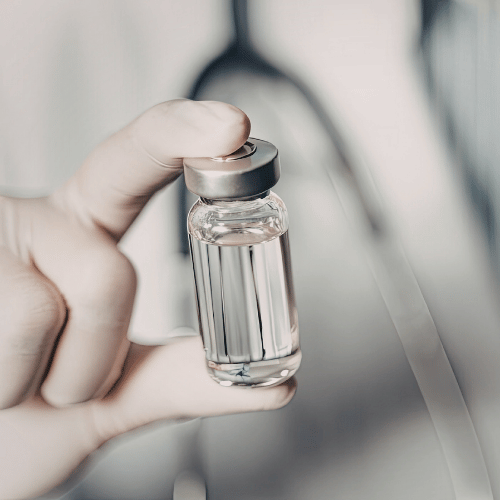
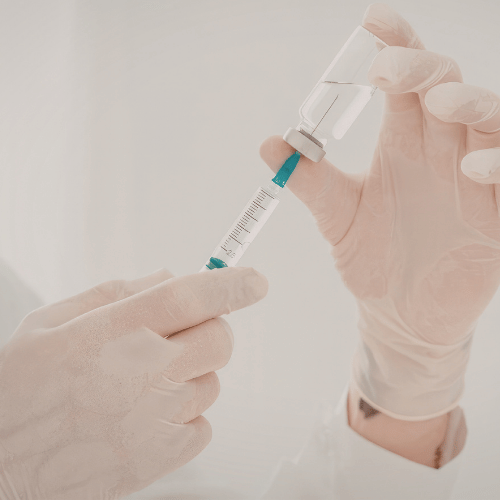
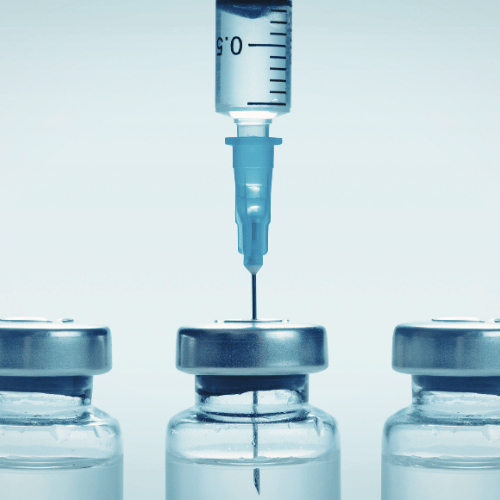
The term “liquid Botox” generally refers to a botulinum toxin product that is manufactured and supplied in a ready-to-use liquid formulation. Traditional botulinum toxin products are typically distributed as a freeze-dried powder. Before treatment, practitioners must reconstitute the powder by adding sterile saline solution according to specific protocols. Liquid neurotoxins eliminate this preparation step. Instead, the product is supplied in a stabilized liquid state that can be drawn directly into a syringe for treatment.

Although the nickname “liquid Botox” is commonly used, it’s important to understand that Botox is a specific brand name. The broader category includes botulinum toxin type A products, which may be available in either powdered or liquid formulations. Ready-to-use neurotoxins represent a technological advancement designed to simplify treatment preparation while preserving the effectiveness of botulinum toxin therapy.

Understanding Neurotoxins

Before exploring liquid formulations in greater detail, it’s helpful to understand what neurotoxins actually do. Botulinum toxin type A is a purified protein that temporarily relaxes targeted muscles by blocking the release of acetylcholine, a neurotransmitter responsible for muscle contraction. When injected into specific facial muscles, the treatment reduces repetitive muscle movement that contributes to dynamic wrinkles such as the following:

  • Forehead lines
  • Frown lines
  • Crow’s feet
  • Bunny lines
  • Chin dimpling
  • Neck bands

By reducing muscle activity, the skin above these muscles appears smoother and more youthful. Because of its effectiveness, botulinum toxin has become one of the most commonly performed aesthetic treatments worldwide.

Traditional Neurotoxins: The Reconstitution Process

To appreciate the significance of liquid neurotoxins, it’s important to understand how traditional products are prepared. Most conventional botulinum toxin formulations are supplied as lyophilized (freeze-dried) powder. Before treatment, practitioners must carefully mix the product with sterile saline. This process

involves several critical steps:

  1. Selecting the appropriate saline volume
  2. Maintaining sterility throughout preparation
  3. Mixing the solution correctly
  4. Calculating final concentrations
  5. Drawing precise doses for treatment

Reconstitution is routine for the experienced practitioner but presents variables that could affect consistency between treatments and clinics. Dilution methods can vary and influence how practitioners administer doses and result in variations in treatment protocols. This challenge has been a push towards the development of ready-to-use liquid formulations.

What Makes Ready-to-Use Neurotoxins Different?

Ready-to-use neurotoxins arrive as a pre-formulated liquid solution. Instead of requiring dilution immediately before treatment, the product is manufactured under controlled conditions with a standardized concentration.

This means practitioners can use the product directly without additional preparation. Key differences include the following:

  1. No Reconstitution Required

The most obvious distinction is the elimination of the reconstitution step. The product arrives ready for immediate administration, reducing preparation time and simplifying workflow.

  1. Standardized Concentration

The concentration is predetermined during manufacturing, helping ensure consistency from vial to vial.

  1. Reduced Preparation Variables

Because there is no mixing involved, variations associated with dilution techniques are minimized.

  1. Streamlined Clinical Workflow

Clinics can potentially improve efficiency by reducing treatment preparation requirements. These differences have contributed to growing interest in liquid neurotoxins among aesthetic providers worldwide.

The Rise of Ready-to-Use Neurotoxins

The aesthetic industry is increasingly focused on precision, efficiency, and reproducibility. As treatment volumes increase, clinics seek solutions that help maintain consistent protocols while enhancing operational efficiency.

Ready-to-use neurotoxins address several important considerations:

  • Simplified preparation
  • Standardized dosing
  • Reduced handling
  • Improved convenience
  • Potential workflow optimization

These factors have helped position liquid neurotoxins as a significant innovation in the evolution of botulinum toxin treatments.

How Innotox Helped Popularize Liquid Neurotoxins

Among ready-to-use neurotoxins, Innotox has gained significant attention because it was developed as one of the first commercially available liquid botulinum toxin type A formulations. Unlike conventional powdered neurotoxins, Innotox is manufactured in a stabilized liquid form. This innovation demonstrated that botulinum toxin could be delivered effectively without the traditional freeze-drying and reconstitution process. With the help of Korea’s unique techniques and Medytox’s cutting-edge technology, Innotox has become the representative of liquid botox around the world, a pioneer on its own.

The introduction of Innotox marked an important milestone in the development of next-generation neurotoxin products and helped spark broader interest in liquid formulations throughout the aesthetic industry. Today, Innotox is widely recognized for its role in advancing ready-to-use neurotoxin technology.

Benefits of Ready-to-Use Liquid Neurotoxins

Greater Convenience

One of the primary advantages of liquid neurotoxins is convenience. Practitioners can move directly from product preparation to treatment administration without the intermediate reconstitution step. This can simplify daily clinical operations and reduce preparation requirements.

Consistency Across Treatments

Because liquid neurotoxins are manufactured with standardized concentrations, they may help support greater consistency between treatment sessions. Standardization is particularly valuable in aesthetic medicine, where precision contributes significantly to patient satisfaction.

Reduced Risk of Dilution Variability

With traditional products, dilution protocols can vary among practitioners. Ready-to-use formulations remove this variable by providing a predetermined concentration established during manufacturing.

Simplified Training and Workflow

New staff members and practitioners may find standardized liquid products easier to incorporate into clinic workflows. This can contribute to operational efficiency while supporting consistent treatment protocols.

Reduced Product Handling

Every preparation step introduces additional handling. By eliminating reconstitution, liquid neurotoxins reduce the number of preparation procedures required before treatment.

Common Treatment Areas for Liquid Neurotoxins

Liquid neurotoxins can be used for many of the same cosmetic indications as traditional botulinum toxin products. Popular treatment areas include:

  1. Forehead Lines

Repeated eyebrow movement can create horizontal forehead creases over time. Neurotoxin treatments help soften these lines by reducing excessive muscle activity.

  1. Glabellar Lines

Also known as frown lines or “11 lines,” these wrinkles develop between the eyebrows due to repeated muscle contractions.

  1. Crow’s Feet

Fine lines around the outer corners of the eyes often become more noticeable with age. Neurotoxin injections can help reduce their appearance.

  1. Bunny Lines

Wrinkles that form along the sides of the nose may respond well to targeted neurotoxin treatment.

  1. Jawline Slimming

Masseter muscle treatments can help create a slimmer facial contour while addressing teeth grinding in some patients.

  1. Neck Rejuvenation

Strategic injections into neck muscles may contribute to smoother and more refined neck contours.

Are Liquid Neurotoxins Effective?

One of the most common questions patients ask is whether liquid neurotoxins work as well as traditional formulations. The effectiveness of a neurotoxin depends on multiple factors, including product quality, manufacturing standards, treatment technique, patient anatomy, and injection protocol.

Ready-to-use formulations are designed to deliver the same fundamental mechanism of action as conventional botulinum toxin products. The primary difference lies in the formulation and preparation method rather than the intended biological effect. As a result, liquid neurotoxins have become increasingly accepted within the aesthetic industry as viable alternatives to traditional powdered products.

Who Is a Good Candidate for Neurotoxin Treatments?

Neurotoxin treatments may be suitable for individuals seeking improvement in:

  1. Dynamic wrinkles
  2. Facial expression lines
  3. Early signs of aging
  4. Preventive anti-aging strategies
  5. Jawline contouring
  6. Certain medical indications involving muscle activity

Ideal candidates should undergo consultation with qualified practitioners who can assess facial anatomy and treatment goals. A personalized treatment plan helps ensure optimal results while maintaining natural facial expressions.

The Future of Neurotoxin Technology

The development of liquid neurotoxins reflects a broader trend within aesthetic medicine toward innovation, precision, and convenience. Future advancements may include:

  • Longer-lasting formulations
  • Improved stability technologies
  • Enhanced manufacturing methods
  • Personalized treatment protocols
  • Combination injectable therapies

As research continues, neurotoxin products will likely become increasingly sophisticated while maintaining the safety and effectiveness that have made them among the most trusted treatments in cosmetic medicine. Ready-to-use formulations are expected to play an important role in this ongoing evolution.

Common Myths About Liquid Botox Debunked!

Myth #1: Liquid Neurotoxins Are Completely Different From Traditional Neurotoxins

While the formulation differs, the core active ingredient remains botulinum toxin type A. The primary distinction is how the product is prepared and delivered.

Myth #2: Liquid Neurotoxins Are Less Effective

Effectiveness depends on numerous factors beyond formulation type. Ready-to-use products are developed to provide reliable clinical performance while simplifying preparation.

Myth #3: Liquid Neurotoxins Are Experimental

Liquid neurotoxins have been used in aesthetic medicine for years and represent a significant advancement in formulation technology rather than an experimental concept.

Myth #4: Treatment Results Look Different

Results depend primarily on injection technique, dosage, and patient anatomy rather than whether the neurotoxin was supplied in liquid or powdered form.

Innotox: Korea’s First Liquid Botox is Breaking Through Global Barriers!

Ready-to-use liquid neurotoxins represent one of the most important advancements in modern aesthetic medicine. By eliminating the need for reconstitution, these formulations simplify treatment preparation while offering standardized concentrations and streamlined clinical workflows.

Often referred to as “liquid Botox,” ready-to-use neurotoxins provide an innovative alternative to traditional powdered formulations without changing the fundamental mechanism that has made botulinum toxin treatments so popular worldwide.

As demand for precision, efficiency, and consistency continues to grow, liquid neurotoxins are likely to play an increasingly significant role in the future of cosmetic injectables. Products such as Innotox have helped lead this transformation, demonstrating how formulation innovation can enhance both practitioner convenience and treatment delivery. 

For patients and providers alike, understanding the evolution of neurotoxin technology offers valuable insight into the future of aesthetic medicine and the next generation of wrinkle-reduction treatments.