

Who Should Avoid Innotox? Safety & Contraindications
Who Should Avoid Innotox? Understanding Contraindications, Precautions, and Safety Before Treatment
Cosmetic injectables have become a popular way to reduce dynamic wrinkles without surgery. Innotox is one of the most widely recognized liquid botulinum toxin products used for facial rejuvenation.
However, not everyone is a suitable candidate for treatment. Understanding who should avoid Innotox is just as important as learning about its cosmetic benefits.
Certain medical conditions, medications, allergies, and life stages can increase the risk of complications. Knowing these factors helps you make informed decisions before treatment and have better conversations with your healthcare provider.
Whether you are considering your first Innotox treatment or planning future maintenance sessions, learning about contraindications and precautions can help you choose the safest treatment plan.
Why It Is Important to Know Whether Innotox Is Right for You
Innotox is a ready-to-use liquid botulinum toxin type A used by trained healthcare professionals to soften dynamic wrinkles. When administered correctly, it can provide natural-looking facial rejuvenation.
Even so, the treatment is not appropriate for everyone.
Some people have medical conditions or allergies or take medications that may increase treatment risks. Others may simply need to postpone treatment until their health improves.
That is why reputable providers always perform a detailed consultation before recommending injections.
A consultation is not just paperwork. It helps identify potential risks, confirms whether treatment is appropriate, and ensures realistic expectations.
Many people who cannot receive Innotox today may still become suitable candidates later. Temporary illnesses, recent procedures, or certain medications may only require delaying treatment rather than avoiding it permanently.
Understanding the difference between a temporary precaution and a true contraindication helps patients make safer decisions.
How Healthcare Providers Determine Whether Someone Is a Good Candidate for Innotox
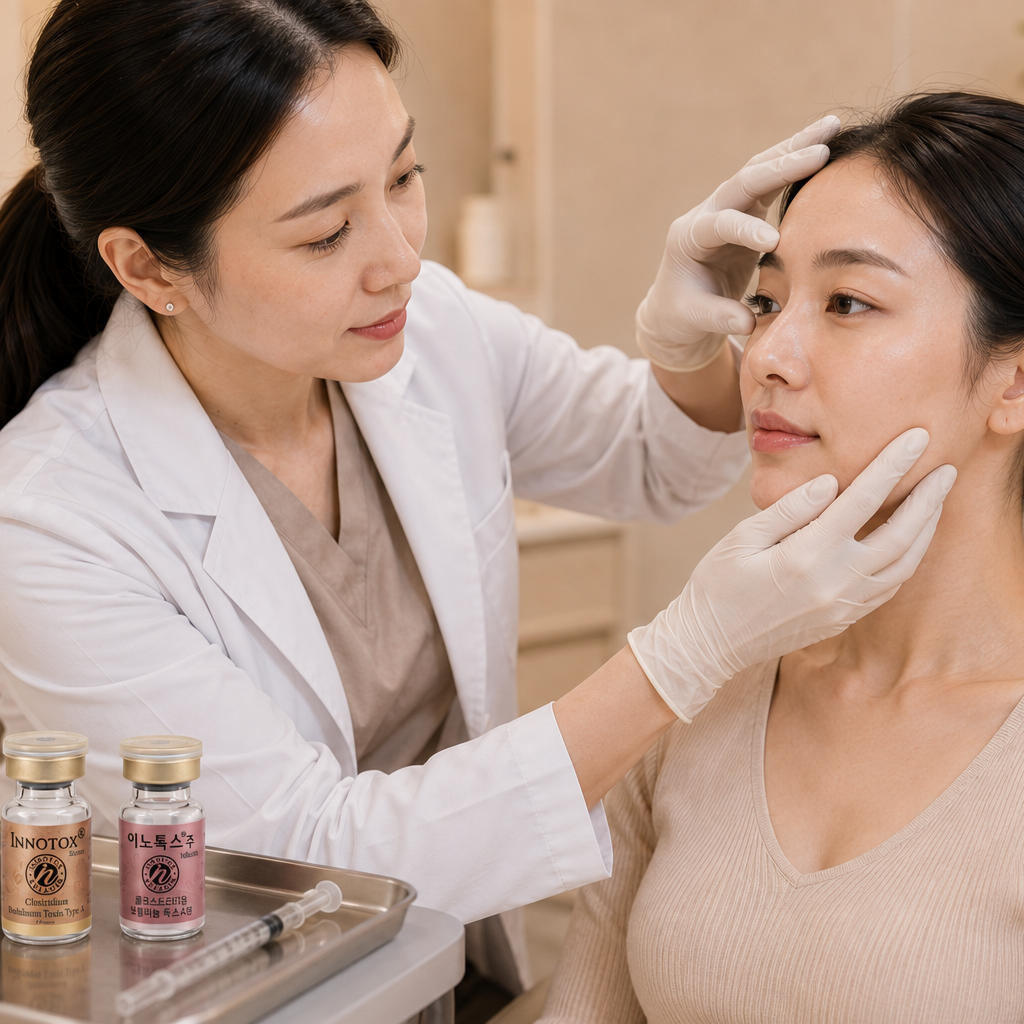
Choosing the right candidate involves much more than examining facial wrinkles.
Before treatment, healthcare providers review your complete medical history. They also ask about allergies, medications, previous cosmetic procedures, pregnancy status, neurological conditions, and treatment goals.
This evaluation helps identify possible risks before injections are performed.
Providers also examine facial anatomy, muscle movement, and skin quality. These factors help determine whether Innotox is likely to produce balanced, natural-looking results.
Some people appear to be excellent cosmetic candidates but have underlying medical conditions that require treatment to be postponed. Others may only need minor adjustments to their treatment plan or additional medical clearance.
Every patient is different. There is no universal treatment plan that works for everyone. Safe cosmetic care always begins with a personalized assessment rather than assuming every patient is suitable for injections.
Individuals with Known Allergies to Botulinum Toxin or Product Ingredients
A previous allergic reaction to botulinum toxin or any ingredient in Innotox is one of the clearest reasons to avoid treatment.
Although allergic reactions are uncommon, they can occur.
Patients who have experienced swelling, widespread rash, difficulty breathing, or other hypersensitivity reactions after previous botulinum toxin treatments should tell their healthcare provider immediately.
Providers also ask about allergies to injectable medications, preservatives, or pharmaceutical ingredients because these may affect treatment decisions.
Never hide or minimize previous allergic reactions during your consultation.
Accurate medical information helps practitioners recommend the safest treatment plan and consider alternative cosmetic procedures when necessary.
Patients with Certain Neuromuscular Disorders

Botulinum toxin works by temporarily reducing communication between nerves and muscles.
Because of this, patients with certain neuromuscular disorders require extra evaluation before treatment.
Conditions such as Myasthenia gravis, Lambert-Eaton myasthenic syndrome, and Amyotrophic lateral sclerosis (ALS) may increase sensitivity to botulinum toxin.
These disorders affect muscle strength and nerve function. As a result, they may increase the risk of unwanted muscle weakness.
Having one of these conditions does not automatically mean treatment is impossible. Instead, providers consider disease severity, overall health, current medications, and recommendations from other medical specialists before making a decision.
Patient safety always comes before cosmetic goals.
Pregnancy and Breastfeeding Considerations
Women who are pregnant or breastfeeding are generally advised to postpone elective cosmetic Innotox treatments. Current safety data remain limited.
Although there is no consistent evidence showing cosmetic botulinum toxin causes harm during pregnancy, most healthcare providers recommend delaying treatment as a precaution.
Fortunately, waiting rarely affects long-term cosmetic results. Most wrinkles can be treated after pregnancy or once breastfeeding has ended.
If you become pregnant after receiving Innotox, contact your healthcare provider for personalized advice instead of assuming complications will occur.
Open communication is always the best approach.
Active Skin Infections or Inflammation Near the Injection Site
Healthy skin provides the best environment for injectable procedures. Patients with active bacterial infections, viral outbreaks, open wounds, significant inflammation, or severe irritation near planned injection sites are commonly advised to postpone treatment until the affected area has fully healed.
Injecting through compromised skin may increase the risk of infection or interfere with normal healing. Common temporary conditions include acne cysts, cellulitis, active herpes simplex outbreaks around the mouth, recent facial injuries, or inflammatory skin diseases experiencing an acute flare. Delaying treatment by a short period often allows these conditions to resolve while reducing unnecessary procedural risk.
Practitioners also evaluate recent cosmetic procedures such as chemical peels, laser resurfacing, or microneedling because timing may influence when injectable treatments can safely be performed. Coordinating treatment schedules helps protect skin integrity while optimizing aesthetic results.
People Taking Certain Medications
Medication review forms another important part of every consultation because some drugs may influence treatment planning or increase the likelihood of bruising and bleeding around injection sites. Blood-thinning medications, certain herbal supplements, and anticoagulants may not prevent treatment altogether, but practitioners often discuss their potential effects before proceeding.
Some medications that affect neuromuscular transmission may also require additional evaluation when combined with botulinum toxin products. Patients should provide a complete and up-to-date medication list, including prescription drugs, over-the-counter medicines, vitamins, and dietary supplements. Even products perceived as harmless can occasionally influence cosmetic procedures.
Rather than discontinuing medications independently, patients should always follow the guidance of the healthcare professional who prescribed them. Stopping necessary medication without medical supervision may create greater health risks than the cosmetic procedure itself.
Individuals with Unrealistic Cosmetic Expectations
Not every reason to postpone Innotox treatment is medical. Psychological readiness and realistic expectations also contribute significantly to treatment success. Some patients expect complete elimination of every facial line, permanent wrinkle removal, or dramatic facial transformation after a single appointment. These expectations rarely reflect how botulinum toxin treatments are intended to work.
Experienced injectors spend time explaining that Innotox temporarily relaxes targeted muscles responsible for dynamic wrinkles rather than changing facial structure or replacing surgical procedures. Patients seeking subtle, refreshed, and natural-looking improvement often report greater satisfaction than those expecting perfection. Honest conversations during consultation help align expectations with achievable outcomes while strengthening the provider-patient relationship.
Temporary Situations That May Delay Treatment
Some people do not need to avoid Innotox permanently. Instead, they simply need to wait until temporary health conditions improve. For example, treatment is often delayed if you have a fever, an active illness, or an infection.
The following may be reasons that can delay treatment:
- Recent facial surgery, dental procedures, or other cosmetic treatments may also require additional healing time before injections can be performed safely.
- Inflammation from chemical peels, laser resurfacing, or microneedling should usually resolve before receiving Innotox.
These situations are considered temporary precautions rather than permanent contraindications. Once you have recovered, your healthcare provider can reassess whether treatment is appropriate.
Waiting a few days or weeks may reduce the risk of complications and improve your overall cosmetic results.
If your medical history changes between appointments, tell your provider before your next treatment. New medications, recent surgeries, or newly diagnosed medical conditions may affect your treatment plan, even if you have safely received Innotox in the past.
To prevent any delays in future follow-up appointments with Innotox treatments, read our comprehensive guide on What Not To Do After Innotox.
The Importance of an Honest Consultation Before Innotox Treatment

Perhaps the most effective way to maximize treatment safety is through open and honest communication during consultation.
During this appointment, your provider reviews your medical history, current medications, allergies, previous cosmetic procedures, and treatment goals. Even information that seems unrelated may influence whether treatment is appropriate. Being honest allows your provider to identify possible contraindications and develop the safest treatment plan for you.
Experienced injectors also evaluate your facial anatomy, muscle movement, and skin quality. This assessment helps determine the correct injection sites and appropriate dosage for natural-looking results.
Sometimes the safest recommendation is to postpone treatment or choose another procedure. Although this may feel disappointing, it reflects responsible medical care rather than poor customer service.
Choosing a licensed and experienced provider remains one of the most important decisions patients can make. Professional evaluation ensures that cosmetic goals are balanced with safety considerations, helping patients achieve natural-looking results while minimizing avoidable risks.
If this is your first cosmetic neurotoxin treatment, our guide for first-time Botox patients explains what you can expect before, during, and after your appointment.
Final Thoughts
Innotox is a popular option for reducing dynamic wrinkles and achieving natural-looking facial rejuvenation. However, it is not the right choice for everyone.
Certain allergies, neuromuscular disorders, active skin infections, medications, pregnancy, and other medical conditions may require treatment to be delayed or avoided. In many cases, these situations are temporary and can be reassessed once your health has improved.
The safest way to determine whether you are a good candidate for Innotox is to schedule a consultation with a qualified healthcare provider. A thorough evaluation allows your provider to identify possible contraindications, answer your questions, and recommend the most appropriate treatment plan for your individual needs.
Making informed decisions before treatment helps improve safety, reduce unnecessary risks, and increase the likelihood of achieving natural, satisfying results.
Frequently Asked Questions
Can I receive Innotox if I have a chronic medical condition?
Possibly. Many chronic conditions do not automatically prevent treatment, but your provider will evaluate your medical history and determine whether additional precautions or medical clearance are necessary.
Should I postpone treatment if I am sick?
Yes. Elective cosmetic procedures are commonly delayed until acute illness, fever, or active infection has resolved.
Can I receive Innotox while pregnant?
Elective cosmetic botulinum toxin treatments are generally postponed during pregnancy and breastfeeding because available safety data remain limited.
Why is a consultation necessary before treatment?
A consultation helps identify contraindications, review medications, discuss expectations, and determine whether Innotox is an appropriate option for your individual circumstances.
Add a Comment