
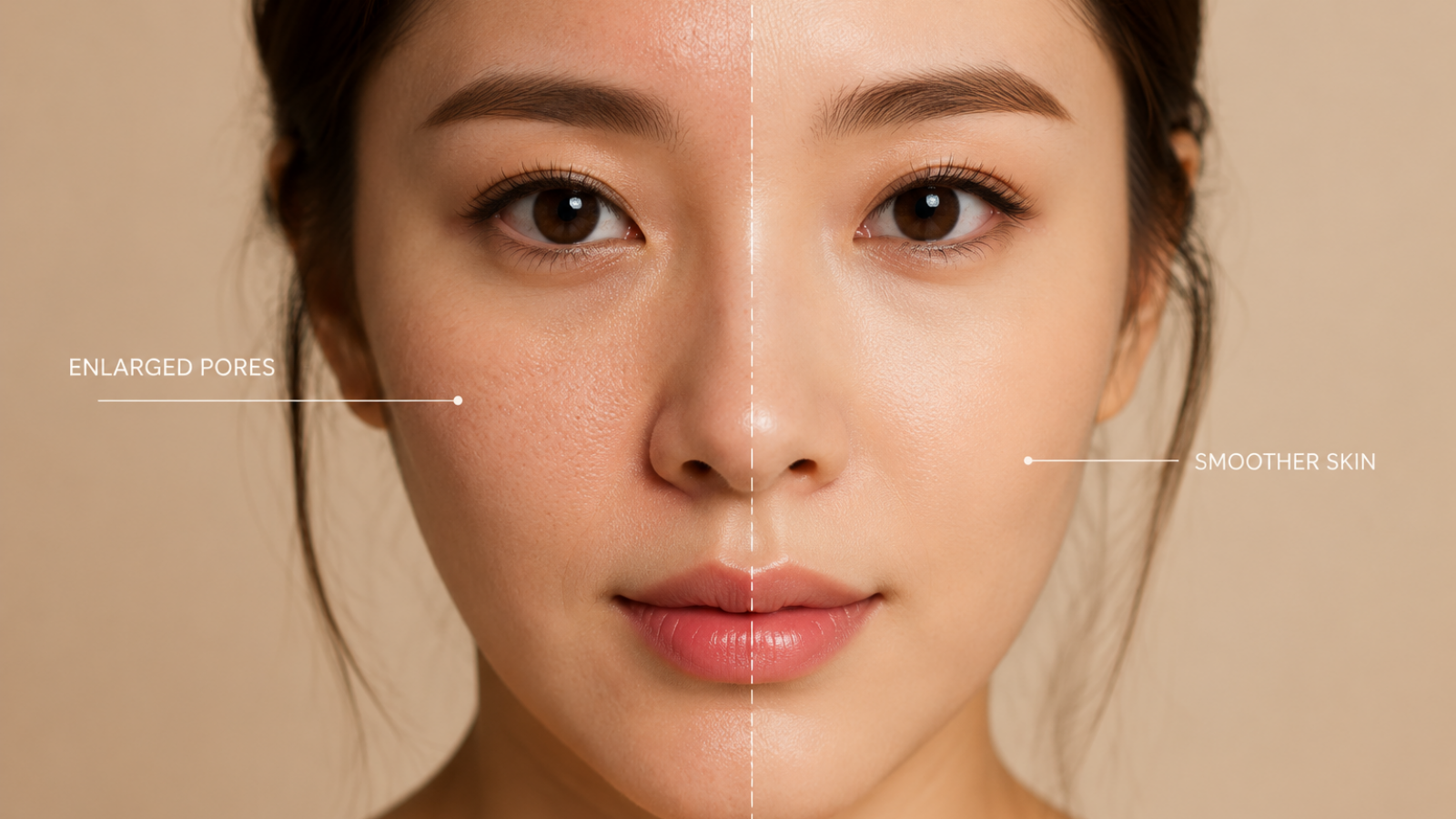
Botox for Enlarged Pores & Oily Skin: Does It Work?
Botox for Enlarged Pores and Oily Skin: Can It Really Help?
Oily skin and enlarged pores are two of the most common cosmetic concerns among adults. While countless cleansers, toners, and topical products promise smoother skin, many people continue to struggle with excess shine and visible pores despite a consistent skincare routine. This has led to growing interest in cosmetic injectables that may improve skin quality beyond wrinkle reduction.
One treatment that has gained attention is Botox. Although botulinum toxin is best known for relaxing facial muscles and softening expression lines, dermatologists have begun using specialized injection techniques to help reduce oil production and improve overall skin texture. This approach is often called Micro-Botox, Meso-Botox, or intradermal Botox.
With liquid formulations like Innotox, practitioners can precisely deliver small amounts of botulinum toxin into the superficial layers of the skin. Many patients report less facial shine, smoother skin texture, and pores that appear smaller after treatment.
But how much of this is supported by scientific evidence? Is Botox truly shrinking pores, or does it simply create the illusion of smoother skin? Understanding the current research helps set realistic expectations before considering treatment.
Why Do Pores Look Large?
Pores are tiny openings connected to hair follicles and sebaceous (oil) glands. Every person has pores, and they play an essential role in maintaining healthy skin.
Several factors can make pores appear larger:
- Excess sebum production
- Reduced skin elasticity
- Sun damage
- Aging
- Thick skin
- Genetics
- Chronic acne
- Hormonal fluctuations
Contrary to popular belief, pores do not physically open and close like doors. Instead, they appear larger when they become filled with oil, dead skin cells, or lose surrounding structural support.
People with naturally oily skin often notice their pores more because increased sebum stretches the follicular opening over time. As collagen gradually decreases with age, the surrounding skin becomes less firm, making pores even more noticeable.
Because enlarged pores result from several factors, no single treatment permanently eliminates them. Instead, most therapies aim to reduce their appearance by targeting one or more underlying causes.
What Causes Oily Skin?
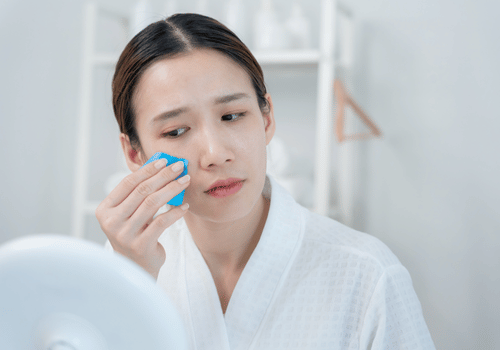
Sebaceous glands produce sebum to protect the skin barrier and prevent excessive moisture loss. Healthy oil production is essential for skin function.
However, several factors can increase sebum production, including:
- Genetics
- Puberty
- Hormonal changes
- High humidity
- Stress
- Certain medications
- Over-cleansing the skin
- Heavy cosmetic products
Excess sebum mixes with dead skin cells inside pores. This combination increases pore visibility and may contribute to acne, blackheads, and uneven skin texture.
Managing oily skin usually involves topical ingredients such as niacinamide, salicylic acid, retinoids, and proper sun protection. Injectable treatments are generally considered when conventional skincare alone does not produce satisfactory cosmetic improvement.
How Does Botox Affect Oily Skin?
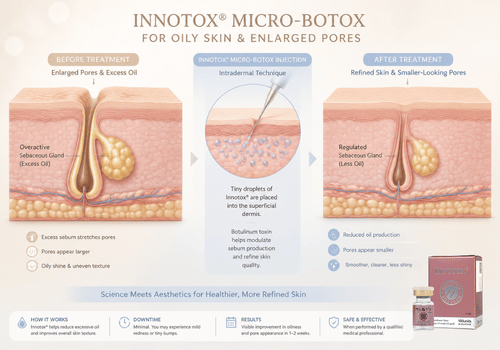
Botulinum toxin blocks communication between nerves and muscles by temporarily preventing acetylcholine release.
When injected into facial muscles, this mechanism reduces muscle contractions and softens dynamic wrinkles. If you’re unfamiliar with how Innotox differs from traditional Botox formulations, you can learn more in our guide to Innotox vs. Traditional Botox.
However, acetylcholine also influences several skin structures, including sweat glands and, to some extent, sebaceous gland activity. Researchers believe that intradermal injections may reduce skin oiliness through indirect effects on these glands.
Instead of targeting deeper facial muscles, Micro-Botox places tiny droplets into the superficial dermis.
This technique may:
- Reduce facial oiliness
- Decrease excessive sweating
- Improve skin smoothness
- Create a refined skin texture
- Make pores appear less noticeable
The goal is not muscle relaxation but skin quality enhancement.
Does Botox Actually Shrink Pores?
The short answer is not exactly. Botox does not physically reduce the size of pores. Instead, it improves several skin characteristics that make pores appear smaller. These include the following:
- Reduced Sebum Production: Less oil means pores remain cleaner and less stretched throughout the day.
- Reduced Surface Shine: Less reflected light creates the appearance of smoother skin.
- Slight Skin Tightening Effect – Relaxation of tiny superficial muscle fibers may create a smoother skin surface.
- Improved Skin Texture – The overall complexion often appears more refined after treatment.
Many dermatologists therefore describe Botox as making pores look smaller, rather than permanently changing their anatomical size.
What Does Current Research Say?
Several small clinical studies have evaluated intradermal botulinum toxin for oily skin and enlarged pores.
The overall findings have been encouraging, although more large-scale research is still needed.
Research has reported improvements in:
- Facial oil production
- Skin smoothness
- Patient satisfaction
- Overall skin texture
- Visible pore appearance
Some studies measured significant reductions in sebum production using objective instruments after treatment. Others found that participants consistently rated their skin as smoother and less oily several weeks following injections. Early clinical evidence also suggests that intradermal botulinum toxin can improve facial skin quality without substantially affecting normal facial expressions when appropriate doses and techniques are used. However, study sizes remain relatively small, treatment protocols differ between investigators, and long-term data are still limited.
Most researchers agree that current evidence supports Botox as a promising adjunctive treatment rather than a replacement for skincare.
Why Innotox Is Well Suited for Micro-Botox
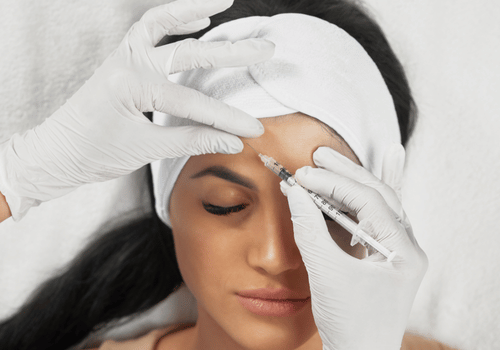
Unlike traditional botulinum toxin products that require reconstitution before use, Innotox is supplied as a ready-to-use liquid formulation, making it especially convenient for Micro-Botox procedures.
This offers several practical advantages for experienced injectors performing Micro-Botox treatments. Clinics can also choose between Innotox 50U and 100U depending on treatment requirements and patient needs.
Potential benefits include:
- Consistent concentration
- Precise superficial injections
- Reduced preparation time
- Convenient handling
- Uniform dosing
Because Micro-Botox involves numerous tiny injections across the skin, maintaining consistent dilution can be especially important for achieving even cosmetic results.
Treatment success still depends primarily on injector experience, facial assessment, and individualized dosing.
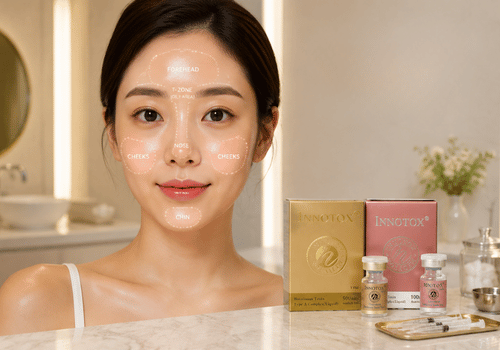
Which Areas Can Be Treated?
Micro-Botox for oily skin is commonly performed on
- Forehead
- Nose
- Cheeks
- Chin
- T-zone
- Jawline
The exact number of units varies depending on the treatment area, skin condition, and practitioner technique. Learn more in our guide to Innotox dosage by treatment area.
Patients with naturally oily T-zones often notice the greatest improvement because this region contains a high concentration of sebaceous glands. Treatment plans vary depending on each patient’s skin type, oil production, and cosmetic goals.
When Will You Notice Results And What are the Possible Side Effects?
Micro-Botox does not work immediately. Most patients experience a gradual improvement. A typical timeline looks like this:
| Timeline | Expected Changes |
| Days 1–3 | Minimal visible change |
| Days 4–7 | Reduced facial oiliness begins |
| Days 10–14 | Skin appears smoother and less shiny |
| Weeks 3–4 | Peak improvement in skin texture |
| Months 3–4 | Effects gradually diminish |
| Months 4–6 | Maintenance treatment may be considered |
Individual results vary based on metabolism, injection technique, skin type, and dosage. For a more detailed day-by-day healing guide, read our complete Innotox recovery timeline.
Severe side effects following Innotox treatment are rare but most common reactions appear due to the puncturing of the skin with the syringe during treatment. But when performed by an experienced injector, Micro-Botox is generally well tolerated. Temporary side effects may include:
- Mild redness
- Tiny injection marks
- Minor swelling
- Small bruises
- Tenderness
These effects usually resolve within several hours to a few days. However, improper injection depth or excessive dosing may increase the risk of temporary muscle weakness or changes in facial movement, highlighting the importance of treatment by an experienced medical professional.
How Long Do Results Last?
Most improvements last approximately three to four months. Some patients notice benefits extending closer to six months, while others metabolize botulinum toxin more quickly.
Several factors influence longevity:
- Injection depth
- Treatment technique
- Individual metabolism
- Skin oil production
- Lifestyle
- Sun exposure
- Smoking
Regular maintenance treatments help sustain improvements over time.
Is Botox Better Than Skincare for Oily Skin?
Not necessarily. Botox addresses one aspect of oily skin, while topical skincare supports overall skin health every day. Most dermatologists recommend combining professional treatments with evidence-based skincare.
An effective routine often includes:
- Gentle cleanser
- Salicylic acid
- Niacinamide serum
- Lightweight moisturizer
- Broad-spectrum SPF 50 sunscreen
- Retinoids when appropriate
Combining good skincare with professional aesthetic treatments often produces the best long-term cosmetic outcome. Many aesthetic providers also combine Innotox with skin boosters to improve hydration and overall skin quality.
Who Is a Good Candidate?

Micro-Botox may be suitable for adults who have the following conditions:
- Excess facial oil
- Enlarged pores
- Mild acne-prone skin
- Shiny T-zone
- Good overall health
- Realistic expectations
Patients should undergo consultation with a qualified medical professional before treatment. A complete medical history helps determine whether botulinum toxin is appropriate.
Who Should Avoid Treatment?
Botulinum toxin injections are generally not recommended for individuals who:
- Are pregnant or breastfeeding
- Have neuromuscular disorders
- Have active skin infections
- Have allergies to treatment components
- Are experiencing significant illness
Your practitioner will carefully review your medical history before proceeding.
Tips to Maintain Results
Healthy habits help extend cosmetic improvements after treatment.
Consider the following:
- Wear sunscreen daily.
- Use oil-controlling skincare consistently.
- Avoid harsh over-cleansing.
- Stay hydrated.
- Follow your injector’s aftercare instructions.
- Schedule maintenance treatments only as recommended.
- Protect your skin from excessive sun exposure.
- Avoid picking at pores or acne lesions.
Consistent skincare combined with professional treatments often produces the most noticeable long-term improvements.
Final Thoughts

Micro-Botox has expanded the role of botulinum toxin beyond wrinkle reduction by offering a promising option for patients with oily skin and enlarged pores. Current evidence suggests that intradermal botulinum toxin can decrease facial oil production, improve skin texture, and make pores appear less visible. While it does not permanently shrink pores, many patients experience smoother, more refined skin for several months after treatment.
Ready-to-use formulations such as Innotox provide an additional advantage for experienced injectors by allowing precise superficial placement without the need for reconstitution. Even so, successful outcomes rely on careful patient selection, proper injection technique, and realistic expectations.
Because the available studies are relatively small, further research is needed to establish standardized protocols and confirm long-term benefits. For now, the strongest evidence supports Micro-Botox as a complementary treatment that works best alongside a consistent skincare routine, sun protection, and guidance from a qualified aesthetic professional.
Frequently Asked Questions
Can Botox permanently shrink pores?
No. Botox does not permanently reduce pore size. Instead, it decreases oiliness and improves skin texture, making pores appear smaller.
Does Micro-Botox stop oil production completely?
No. Sebum is necessary for healthy skin. Treatment aims to reduce excessive oil production rather than eliminate it.
Can Innotox treat acne?
Innotox is not an approved acne treatment. However, reducing excess oil may complement a broader acne management plan recommended by a dermatologist.
How many sessions are needed?
Many patients notice improvement after one session, but maintenance treatments every three to four months are commonly recommended to sustain results.
Can Micro-Botox be combined with other treatments?
Yes. Depending on individual goals, clinicians may combine it with chemical peels, microneedling, laser resurfacing, or skin boosters, provided treatments are appropriately planned.
Add a Comment