

Exercise After Botox: How Long Should You Wait?
Exercise After Botox: How Long Should You Wait Before Working Out?
Botox treatments have become one of the most popular non-surgical cosmetic procedures in the world, offering a quick and effective way to reduce fine lines and wrinkles with little to no downtime. Many people schedule appointments during their lunch break and head back to their normal routine shortly afterward.
However, one question continues to come up among both first-time and experienced patients:
“Can I exercise after Botox?”
If you’re someone who enjoys daily gym sessions, yoga classes, running, or high-intensity interval training, understanding the right timeline for returning to physical activity is an important part of maximizing your results. The short answer is that most healthcare professionals recommend waiting at least 24 hours before engaging in strenuous exercise after Botox injections. While this may seem like a minor precaution, giving the treatment enough time to settle can help reduce unwanted side effects and support optimal outcomes.
In this guide, we’ll explain why waiting matters, what kinds of exercise to avoid, when you can safely return to your workout routine, and practical aftercare tips to help your Botox treatment perform at its best.
Why Exercise Matters After Botox
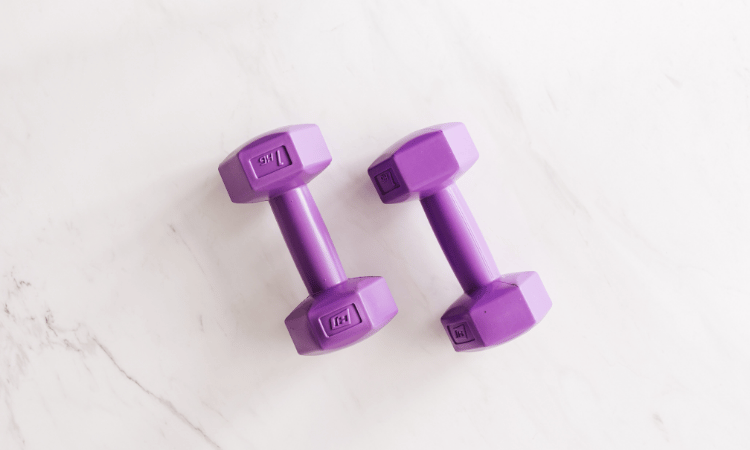
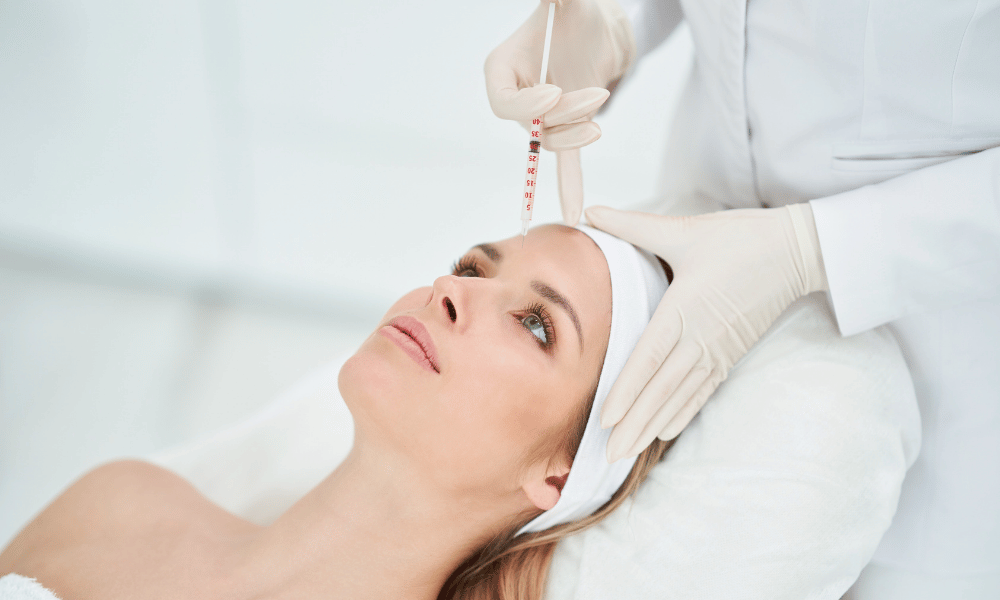
Botox works by temporarily relaxing targeted facial muscles through carefully placed injections. Once administered, the product needs time to bind to nerve endings within those muscles.
During the first several hours after treatment, excessive physical activity may increase blood circulation and body temperature. Some practitioners believe this could potentially increase swelling or bruising or encourage unintended migration of the injected product before it fully settles.
Although research on exercise-related migration remains limited, many aesthetic providers recommend avoiding strenuous activity as a precaution because it’s a simple step that may reduce risks and protect treatment outcomes.
How Long Should You Wait to Exercise After Botox?
For most healthy adults:
- Light walking: Generally acceptable soon after treatment.
- Moderate exercise: Best postponed until after 24 hours.
- High-intensity workouts: Wait at least 24 hours or follow your provider’s recommendation.
- Activities involving inverted positions or heavy straining: Delay for at least one day.
If you’ve received Botox in multiple facial areas or have a history of bruising, your injector may advise a longer waiting period. Ultimately, always follow the personalized instructions given by your treating medical professional.
Why Waiting 24 Hours Is Recommended
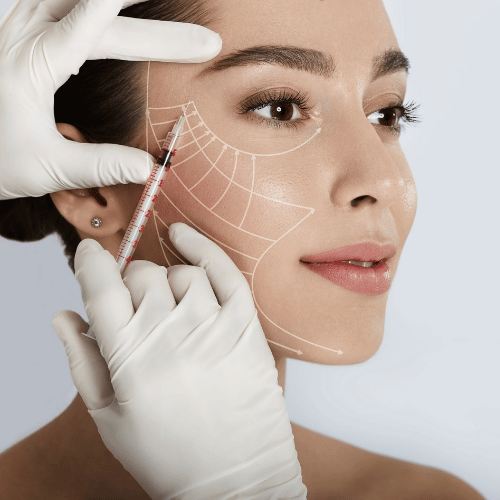
Reduces the Risk of Increased Bruising
Exercise naturally raises blood pressure and circulation. Elevated blood flow shortly after injections may make bruising more noticeable around treatment sites. Waiting a day allows the tiny injection points to begin healing before they’re exposed to the physiological effects of vigorous exercise.
Minimizes Swelling
While Botox injections are minimally invasive, small amounts of localized swelling can occur. High-impact workouts or elevated body temperature may temporarily worsen swelling or redness, making recovery less comfortable.
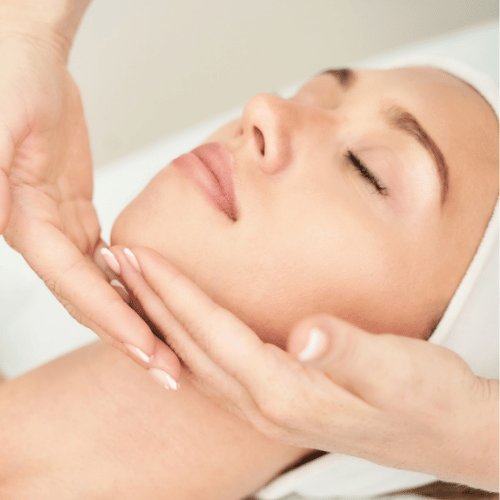
Helps the Product Settle
Botox needs time to interact with the targeted muscles. Avoiding unnecessary facial pressure, rubbing, or vigorous movement during the early period may help maintain precise placement.

Prevents Unnecessary Complications
Though uncommon, strenuous movement combined with rubbing sweat from the face, helmet straps, tight goggles, or massage devices may apply unwanted pressure to treated areas.
Following conservative aftercare recommendations reduces avoidable variables during the critical initial hours.
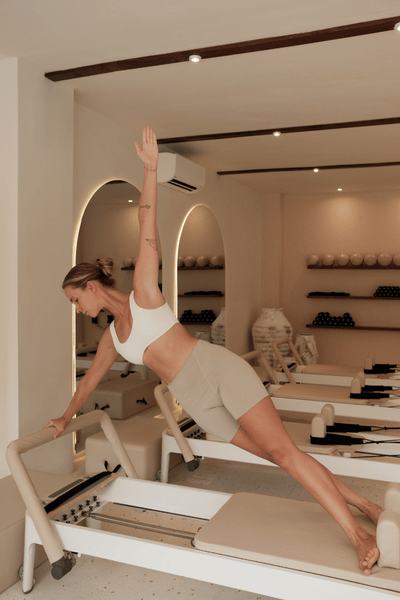
What Exercises Are Allowed After Botox Treatment?
It is highly recommended that after any aesthetic treatment, aftercare instructions must be followed to maximize the results and prevent unnecessary adverse reactions or complications. One of the major instructions is to avoid strenuous activities in the first 24 hours following Botox injection.
However, the question remains, “What if I need to go to work immediately after my treatment? ” Fortunately, Botox treatment is the ideal “lunchtime” aesthetic procedure, as it does need lengthy recovery or requires no overnight stay at the clinic or hospital.
Can You Go for a Walk After Botox?
Yes. In fact, gentle walking is generally considered acceptable after treatment.
Light movement promotes circulation without dramatically increasing blood pressure or core temperature. Many providers encourage patients to remain upright and continue normal daily activities rather than lying down immediately after injections. However, keep the walk leisurely. This isn’t the time for power walking, hiking steep hills, or brisk interval training.
Is Yoga Safe After Botox?
Not always.
Gentle stretching may be fine after sufficient recovery time, but many forms of yoga involve inverted positions such as downward dog or headstands. These poses may temporarily alter blood flow and put pressure on facial tissues. For that reason, many injectors suggest postponing yoga classes until the following day. Hot yoga deserves additional caution because elevated temperatures may increase flushing and swelling.
Can You Lift Weights After Botox?
It’s best to wait.
Heavy lifting often involves breath-holding and increased internal pressure during exertion. This can contribute to facial flushing and may increase the likelihood of bruising around injection sites. Even experienced athletes are generally advised to schedule intense strength training for the day after treatment.
Running After Botox: Should You Skip It?
If you’re training for a marathon or simply enjoy your daily jog, delaying one workout is unlikely to affect your long-term fitness goals. Running significantly increases cardiovascular activity and perspiration, making it one of the workouts commonly postponed for at least 24 hours after Botox. Resuming the following day allows your body time to recover while helping preserve treatment quality.
Exercises to Avoid Immediately After Botox
To protect your results, postpone activities such as the following:
- Heavy weightlifting
- CrossFit workouts
- HIIT sessions
- Sprinting
- Long-distance running
- Hot yoga
- Bikram yoga
- Boxing
- Martial arts
- Spin classes
- Intense cycling
- Swimming laps at maximum effort
- Competitive sports
- Gymnastics requiring inversion
- Pilates movements placing pressure on the face
- Strenuous core exercises causing excessive straining
These activities significantly elevate heart rate, blood pressure, and body temperature—all factors providers generally recommend minimizing immediately after injections.
Can Sweating Affect Botox?
Sweat itself does not deactivate Botox.
However, activities that produce heavy sweating are usually accompanied by increased body temperature, vigorous movement, and repeated touching or wiping of the face. For this reason, providers generally recommend avoiding situations that cause profuse sweating during the immediate post-treatment period.
Other Important Botox Aftercare Tips

Exercise isn’t the only consideration after your appointment. Following these guidelines can help optimize your results:
- Stay Upright
Avoid lying flat for several hours after treatment unless instructed otherwise by your provider.
- Don’t Rub or Massage the Area
Applying pressure to treated regions immediately after injections is discouraged.
- Avoid Facial Treatments
Skip facials, chemical peels, aggressive massage, or microdermabrasion until cleared by your practitioner.
- Delay Sauna and Steam Rooms
High temperatures may increase redness and swelling, so it’s wise to postpone saunas, steam rooms, and hot tubs for at least a day.
- Limit Alcohol
Alcohol may increase bruising in some individuals, particularly if consumed immediately before or after treatment.
- Follow Your Provider’s Instructions
Every patient is different. Personalized aftercare advice should always take priority over general recommendations.
What Happens If You Exercise Too Soon?
Many people who accidentally work out shortly after Botox experience no noticeable problems. However, exercising too early may increase the chances of the following:
- Temporary swelling
- Increased bruising
- Facial redness
- Mild discomfort
- Anxiety about whether treatment effectiveness has been affected
If you accidentally exercise sooner than recommended, avoid panic. Simply monitor your symptoms and contact your healthcare provider if you notice anything unusual or have concerns.
Common Myths About Botox and Exercise
Myth 1: Exercise Immediately Makes Botox Wear Off
There’s no strong evidence that one workout causes Botox to stop working. However, following aftercare recommendations remains prudent.
Myth 2: Sweating Removes Botox
Botox works beneath the skin and cannot be “sweated out.”
Myth 3: You Must Stay Completely Still
Normal daily activities are generally encouraged. Walking, working, and routine movements are usually acceptable as long as strenuous exertion is avoided.
Myth 4: Waiting a Day Will Ruin Your Fitness Progress
Skipping one gym session has virtually no impact on long-term athletic performance but may help support your cosmetic results.
Planning Botox Around Your Workout Schedule
If maintaining a regular fitness routine is important, consider these scheduling strategies:
- Book your Botox appointment on a planned rest day.
- Schedule treatment after your weekly long run or heavy lifting session.
- Choose an evening appointment before a recovery day.
- Plan injections before weekends if you typically reduce training volume.
Thinking ahead can help you avoid frustration and make it easier to follow aftercare recommendations.
Final Thoughts
Botox offers a convenient and effective way to soften dynamic wrinkles with minimal disruption to your daily life. Still, the first 24 hours after treatment are an important period for proper aftercare.
While it may be tempting to head straight to the gym, postponing strenuous exercise for one day is a simple precaution that may reduce bruising, limit swelling, and support the best possible outcome.
For most patients, taking a brief break from high-intensity workouts is a small trade-off for smoother, longer-lasting results. If you have any doubts about your recovery timeline or fitness routine, consult your treating medical professional for personalized guidance.
When it comes to Botox aftercare, patience for just one day can go a long way toward protecting your investment and helping you achieve the refreshed appearance you’re aiming for.
Frequently Asked Questions
Can I exercise 12 hours after Botox?
Most providers recommend waiting a full 24 hours before strenuous exercise. Light daily activities are generally acceptable, but intense workouts should usually be postponed.
Can I do cardio after Botox?
High-intensity cardio should be delayed for approximately one day. Gentle walking is typically considered safe.
Can I go to the gym after Botox?
You may visit the gym, but avoid strenuous lifting, vigorous cardio, or intense classes until the recommended waiting period has passed.
Is stretching okay after Botox?
Gentle stretching is generally fine as long as it doesn’t involve inverted poses or excessive exertion.
Can I swim after Botox?
It’s usually advisable to wait at least 24 hours before vigorous swimming workouts, particularly those involving intense effort.
Does exercise make Botox wear off faster over time?
There is no strong evidence that regular exercise significantly shortens the duration of Botox results, although metabolism and individual factors may influence longevity.
Add a Comment