
Can You Wear Makeup After Innotox? Aftercare Guide
Can You Wear Makeup After Innotox? A Complete Aftercare Guide
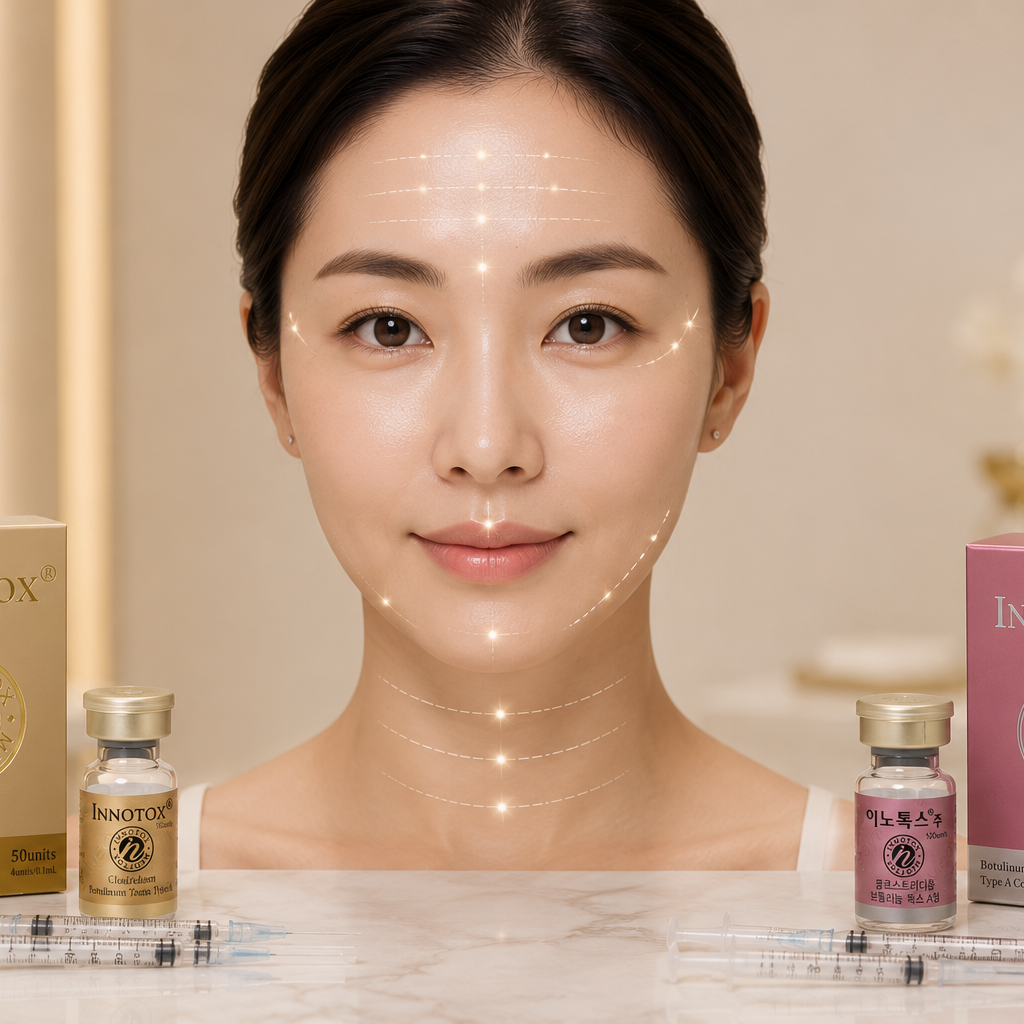
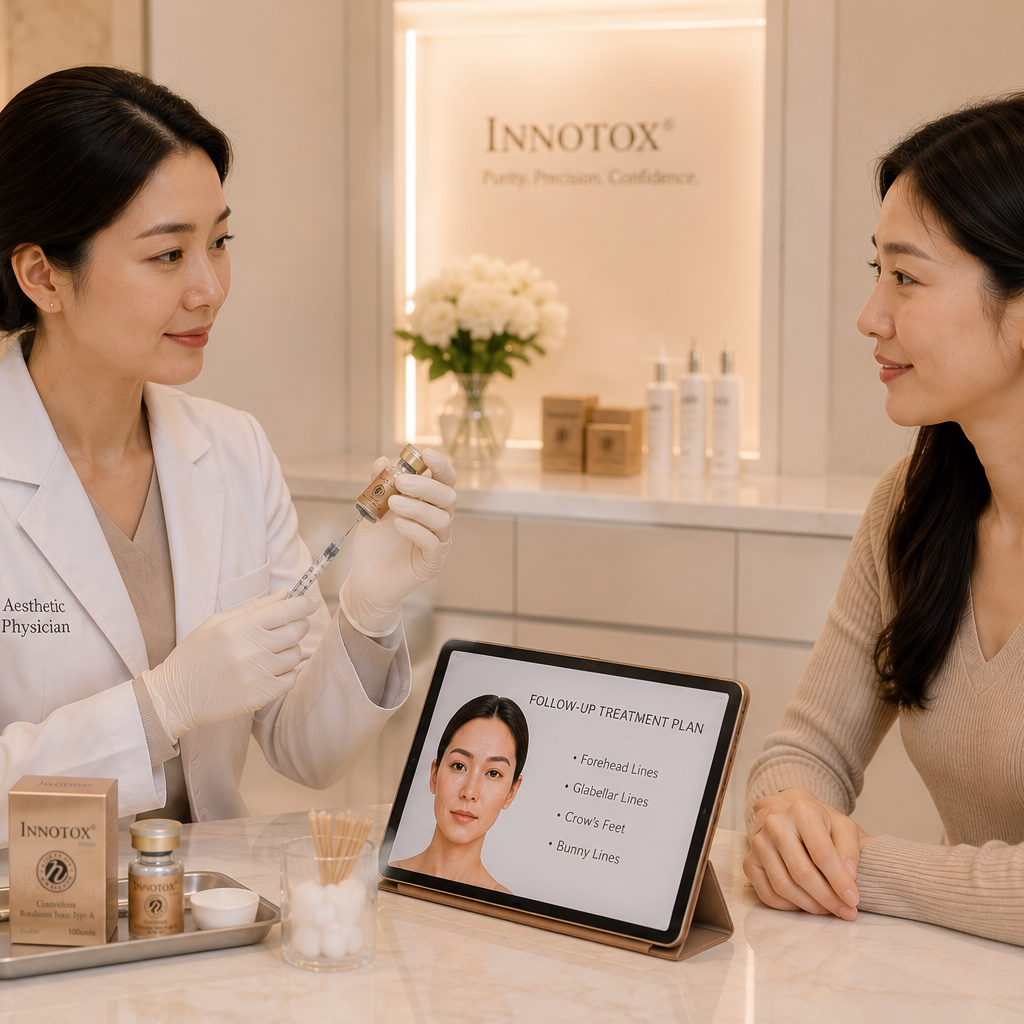
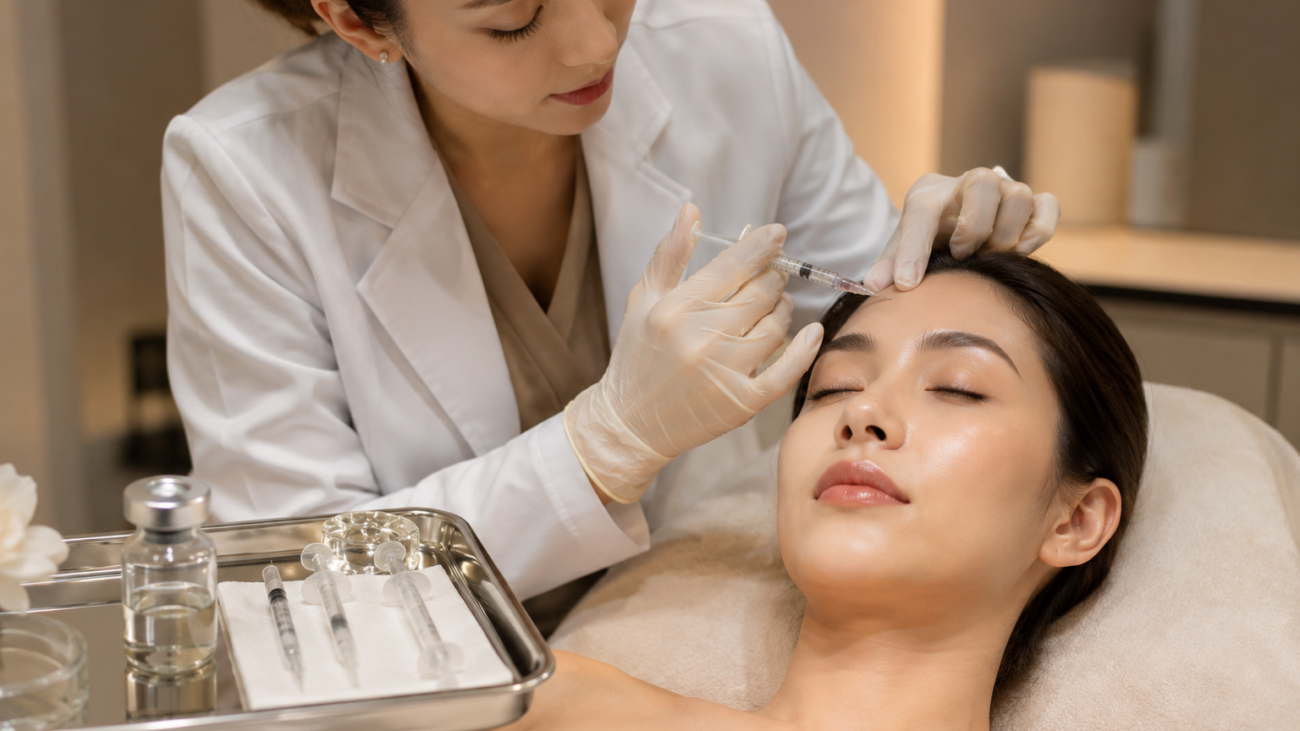
Getting Innotox is one of the quickest ways to soften expression lines while keeping natural facial movement. If this is your first treatment, our First-Time Botox Guide explains exactly what to expect before, during, and after your appointment.
The treatment itself usually takes less than 30 minutes, and there is little downtime. Even so, what you do during the first day can influence your comfort and your final results.
One of the most common questions patients ask is simple:
“Can I wear makeup after Innotox?”
The short answer is yes—but not immediately.
Your skin needs time to recover from the tiny injection points. Applying makeup too soon may increase irritation, introduce bacteria into the skin, or encourage rubbing that could affect the treated area.
This guide explains when it is generally safe to wear makeup, how to apply it carefully, which products to avoid, and how to build a skincare routine that supports the best possible results.
Why the First Few Hours Matter
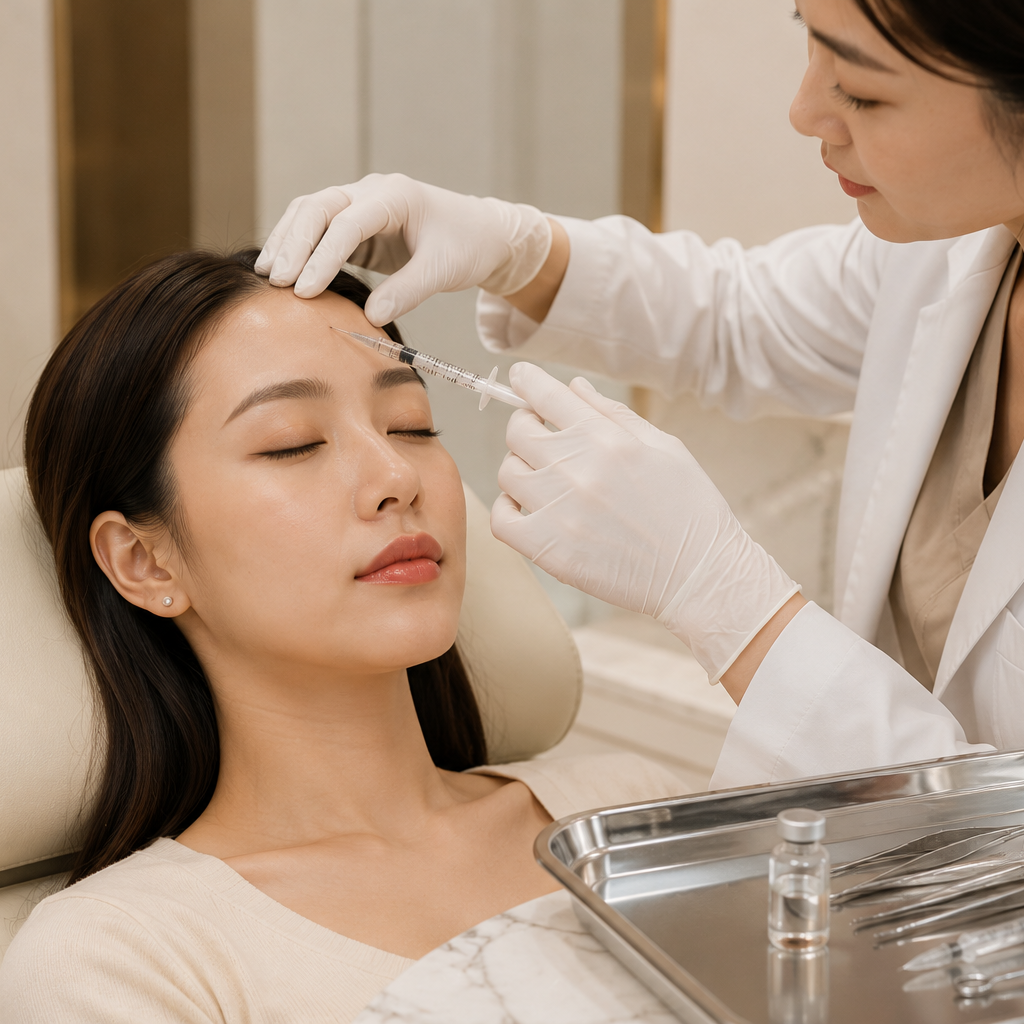
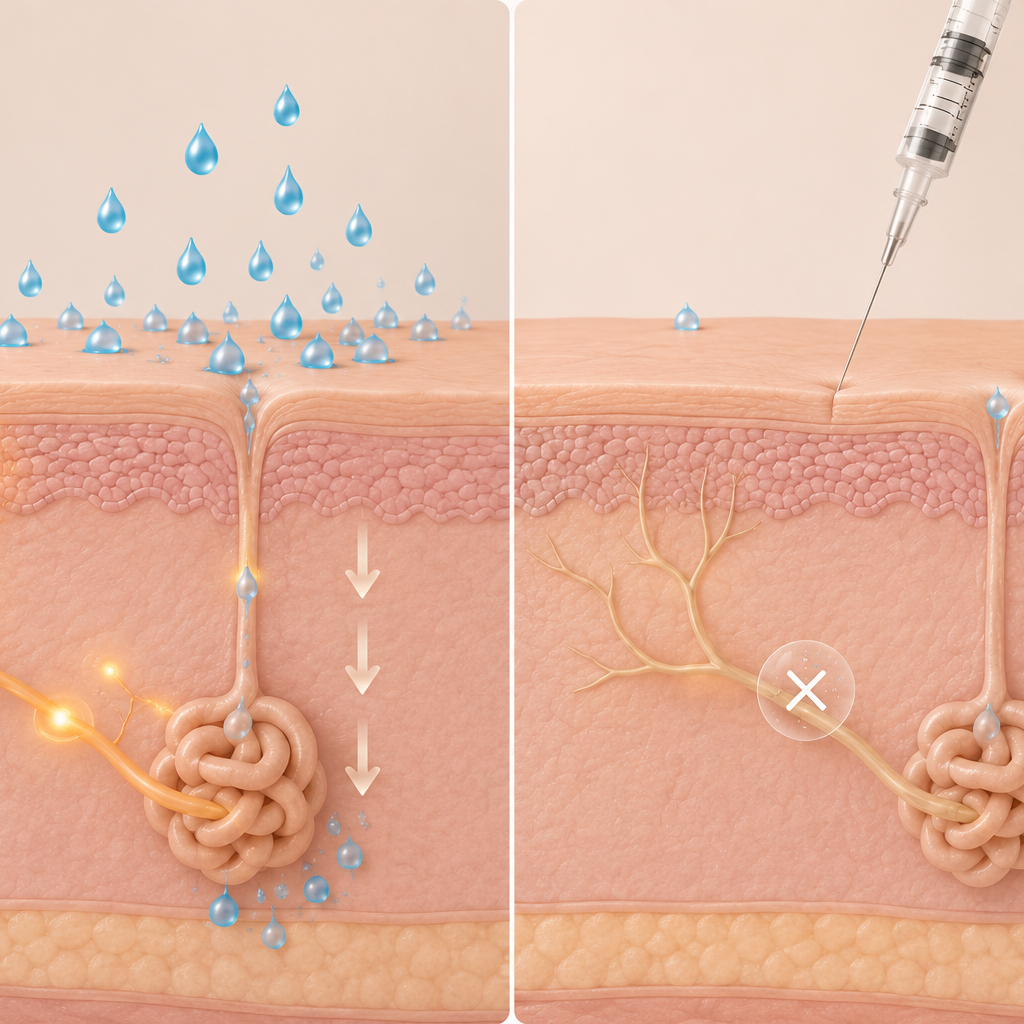
Although Innotox is minimally invasive, every injection creates a tiny opening in the skin.
These openings begin closing within several hours. During that period, the treated area is more sensitive than usual.
Your practitioner will usually recommend avoiding unnecessary contact with your face while the product begins settling into the targeted muscles.
This is why patients are advised to avoid:
● Heavy rubbing
● Facial massage
● Aggressive cleansing
● Makeup application immediately after treatment
● Tight face masks
Giving your skin a little time to recover can help reduce irritation while supporting a smooth healing process. For a complete list of activities to avoid after treatment, read our guide on What Not to Do After Innotox.
How Long Should You Wait Before Wearing Makeup?
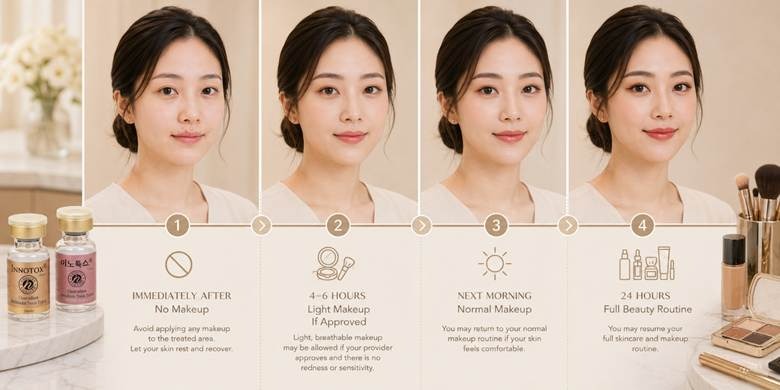
For most patients, practitioners recommend waiting at least 4 to 6 hours before applying makeup. Some providers prefer waiting until the next morning, especially if:
● Multiple facial areas were treated
● There is mild swelling
● Small bruises are present
● Your skin is naturally sensitive
● You received several injections
Waiting longer is generally the safest approach.
If you are unsure, always follow your own injector’s aftercare instructions.
General Timeline
| Time After Treatment | Makeup Recommendation |
| 0–4 Hours | Do not wear makeup |
| 4–6 Hours | Usually safe if there is minimal redness |
| Same Evening | Apply gently if approved by your provider |
| Next Morning | Safe for most patients |
| 24 Hours | Resume normal makeup routine |
Remember that every person’s skin heals differently. You can also view our complete Innotox Recovery Timeline to understand what happens during the first hours, days, and weeks after treatment.
Why Applying Makeup Too Soon Isn’t Recommended
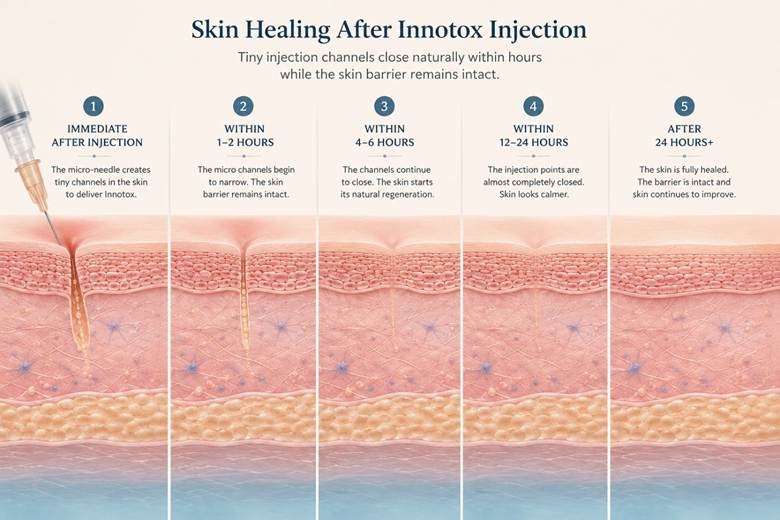
Many people feel tempted to cover small injection marks immediately. However, applying foundation or concealer too early may create several problems.
1. Increased Bacterial Exposure
Makeup brushes and sponges can carry bacteria. Even clean-looking brushes may contain microorganisms if they have not been washed recently. Fresh injection sites create tiny entry points that should stay as clean as possible.
2. Extra Pressure on the Skin
Applying foundation often involves:
● Blending
● Buffing
● Pressing
● Rubbing
Repeated movement across freshly treated areas is not ideal during the first several hours.
3. Higher Risk of Irritation
Some cosmetic products contain:
● Fragrance
● Alcohol
● Strong preservatives
● Exfoliating acids
These ingredients may irritate skin that has just undergone injections.
4. Temporary Redness Can Worsen
Heavy rubbing can increase redness. Gentle handling allows redness to settle naturally.
What If You Need Makeup the Same Day?
Sometimes treatments happen before work, dinner, or an important event. If your injector says makeup is acceptable after several hours, keep it simple. Less is always better.
- Choose lightweight products.
- Apply everything gently.
- Avoid thick layers.
The Best Makeup Products After Innotox
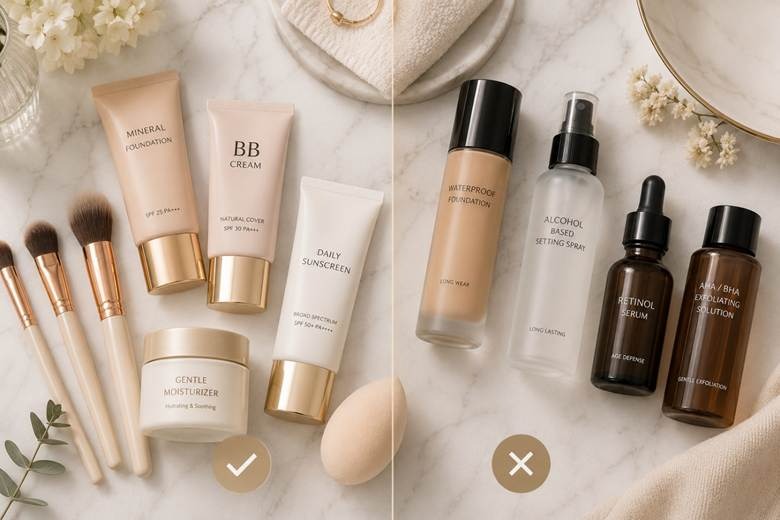
Once your provider says makeup is safe, choose products that are gentle on healing skin. Good choices include:
1. Mineral Foundation—Mineral formulas often contain fewer irritating ingredients. They also feel lighter on the skin.
2. Lightweight Concealer—Apply only where needed. Avoid excessive blending.
3. Hydrating BB or CC Cream—These provide light coverage while helping maintain hydration.
4. Cream-Free Setting Powder—Use only a small amount. Avoid heavy baking techniques.
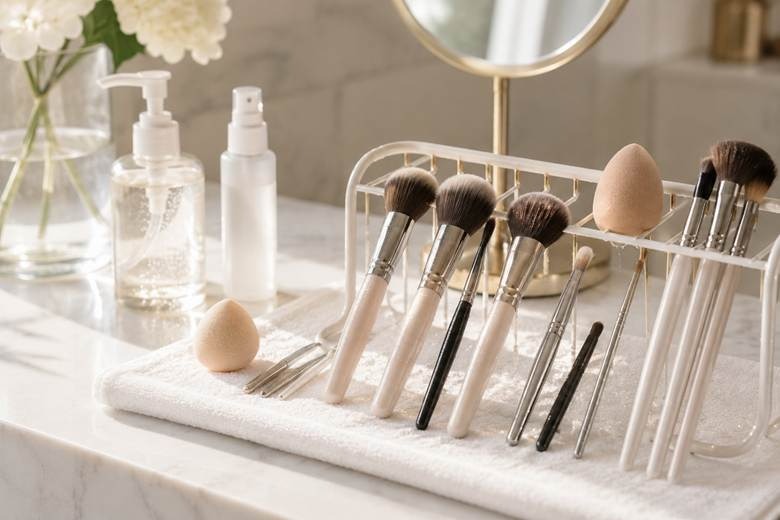
5. Clean Makeup Brushes—Freshly washed brushes reduce bacterial exposure. Replace old makeup sponges regularly.
Makeup Products to Avoid During the First Day
Some products can be more irritating after treatment. So, consider avoiding:
● Waterproof foundation
● Heavy matte foundation
● Full-coverage cream products
● Glitter products
● Strong setting sprays containing alcohol
● Chemical exfoliating makeup primers
Your skin will usually tolerate these products again after recovery.
How to Apply Makeup Safely
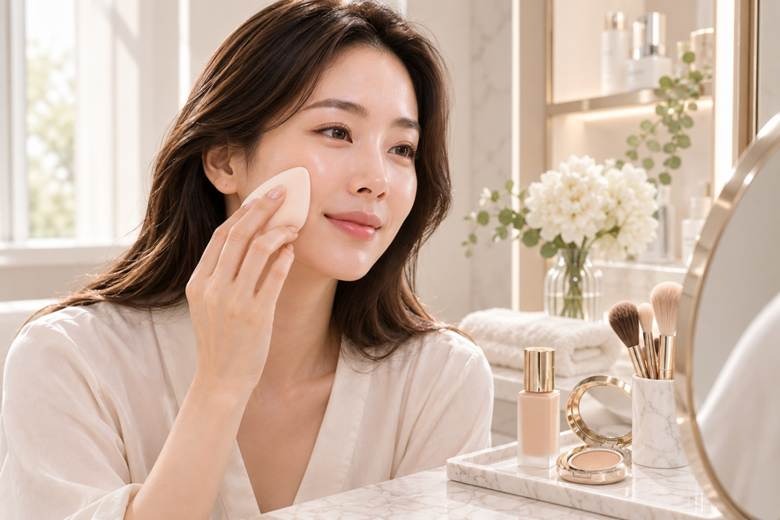
Technique matters just as much as product selection.
1. Start With Clean Hands – Wash your hands before touching your face.
2. Use Clean Tools – Dirty brushes transfer bacteria. So, make sure to wash your brushes regularly.
3. Dab Instead of Rub – Use gentle tapping motions. Avoid dragging the skin.
4. Apply Thin Layers – Multiple heavy layers require extra blending. Thin layers reduce unnecessary pressure.
5. Skip Aggressive Contouring – Heavy contouring often requires vigorous blending. Wait until your skin feels completely normal.
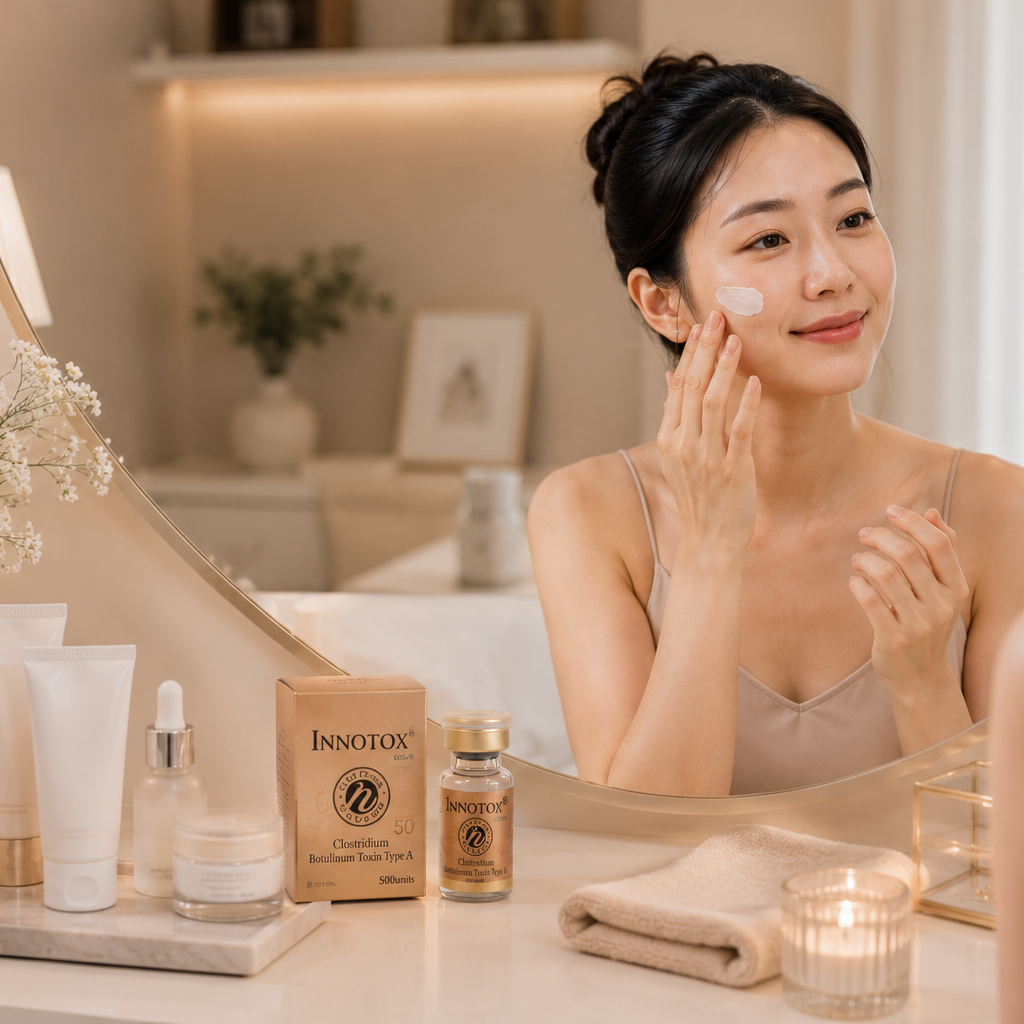
Skincare Routine After Innotox
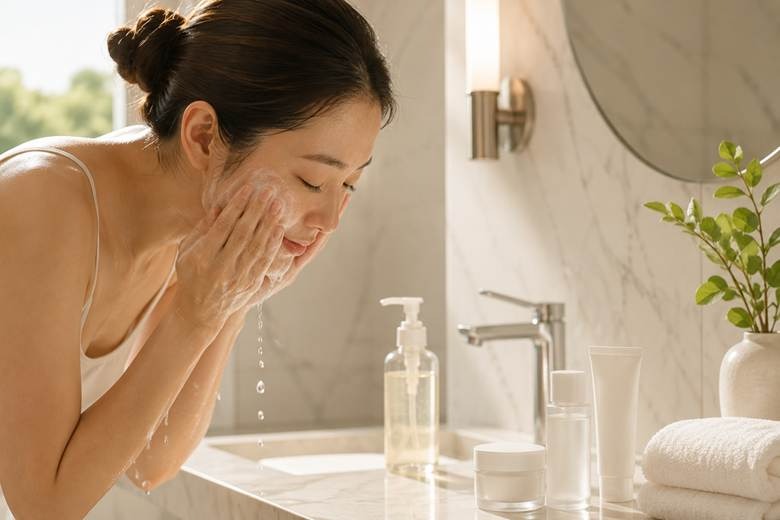
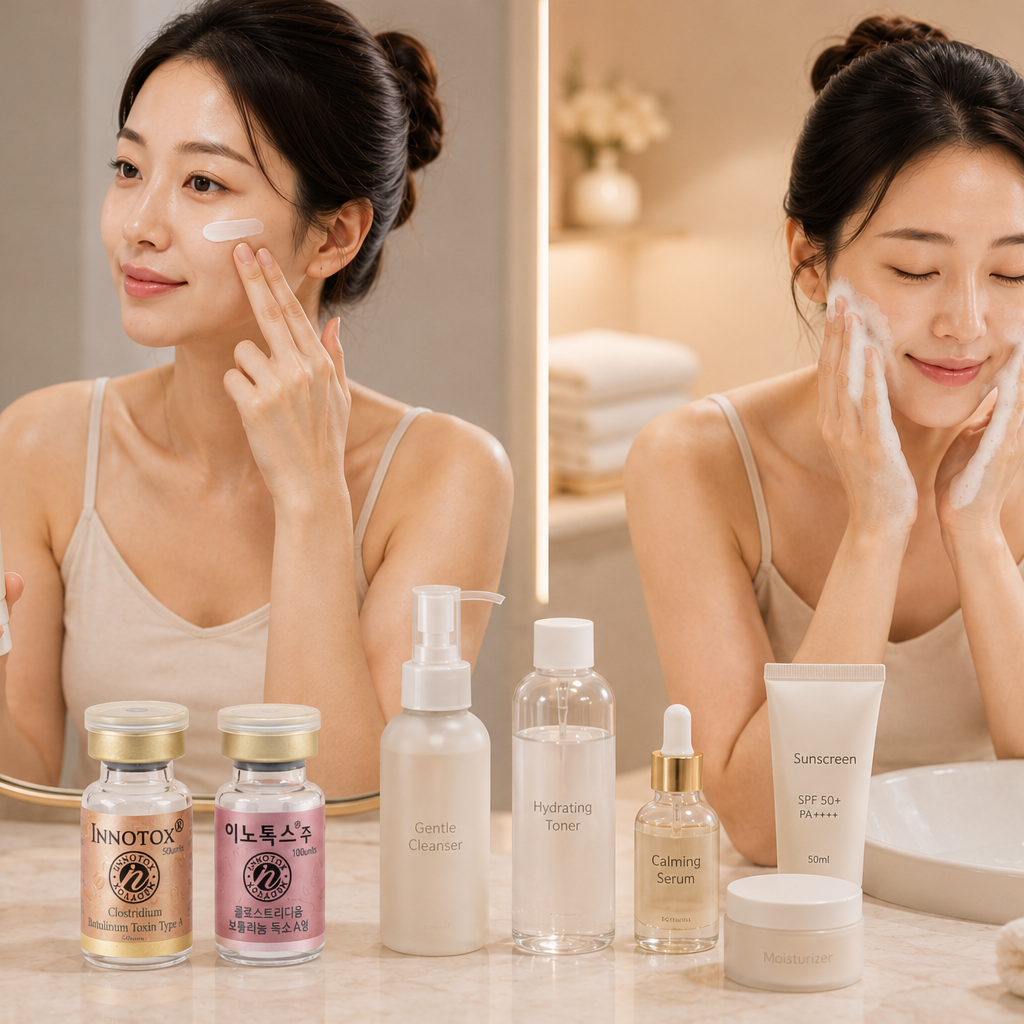
You must follow your doctor’s aftercare instructions to maximize the results of Innotox. You can wash your face before makeup. However, wait until your provider recommends cleansing. When cleansing:
● Use lukewarm water.
● Choose a gentle cleanser.
● Avoid scrubs.
● Pat dry with a soft towel.
● Do not rub vigorously.
Gentle cleansing prepares your skin for makeup without unnecessary irritation.
Healthy skin helps maintain beautiful cosmetic results. A simple routine often works best. Below is a sample skincare routine.
Morning Routine
● Gentle cleanser
● Hydrating serum
● Moisturizer
● Broad-spectrum sunscreen SPF 30 or higher
Evening Routine
● Gentle cleanser
● Moisturizer
● Barrier-supporting cream if needed
Keep your routine simple during the first day.
Skincare Ingredients to Avoid Immediately After Treatment
Certain active ingredients can temporarily increase sensitivity. Consider avoiding them for about 24 hours unless your practitioner advises otherwise.
These include:
● Retinol
● Retinoids
● Glycolic acid
● Salicylic acid
● Lactic acid
● Strong vitamin C formulas
● Benzoyl peroxide
Once your skin feels normal again, these products can usually be reintroduced gradually.
Other Important Innotox Aftercare Tips
Wearing makeup is only one part of proper aftercare.
Several other habits help protect your results.
1. Stay Upright
Remain upright for approximately four hours after treatment. Avoid lying flat immediately afterward.
2. Avoid Heavy Exercise
Delay strenuous exercise until the following day unless advised differently. Heavy activity increases circulation and sweating.
3. Skip Facial Massages
Avoid the following:
● Facial massage
● Gua sha
● Facial rollers
● Microcurrent devices
These should wait at least 24 hours.
4. Avoid Excessive Heat
Delay undergoing the following:
● Saunas
● Steam rooms
● Hot yoga
● Hot tubs
High temperatures may increase temporary redness.
5. Protect Your Skin From the Sun
Daily sunscreen helps protect your investment. Ultraviolet exposure contributes to collagen breakdown and premature aging.
When Can You Return to Your Normal Beauty Routine?
Most patients resume their regular routine within 24 hours. This usually includes:
● Full makeup
● Moisturizers
● Sunscreen
● Gentle skincare
● Normal cleansing
After the first day, your skin generally feels completely normal again.
Signs You Should Contact Your Provider
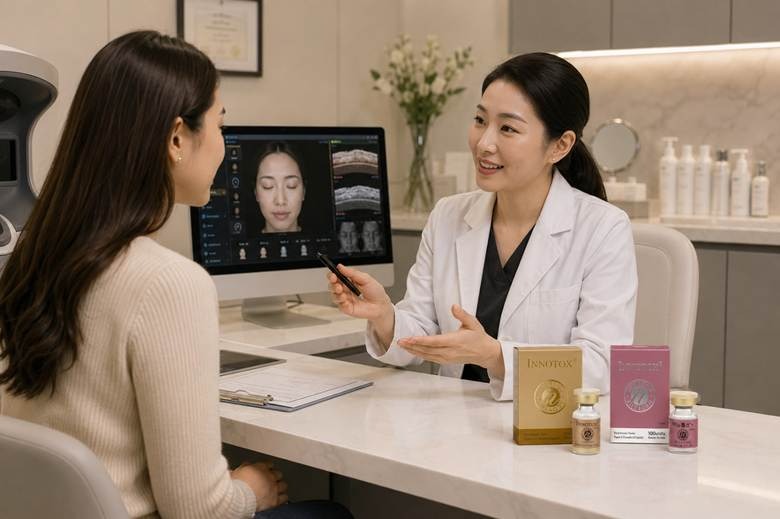
Mild redness, tiny bumps, or slight swelling often resolve within hours. However, contact your injector if you notice:
● Increasing pain
● Severe swelling
● Spreading redness
● Fever
● Pus
● Vision changes
● Difficulty swallowing
● Muscle weakness beyond the treated area
These symptoms are uncommon but should always be evaluated promptly.
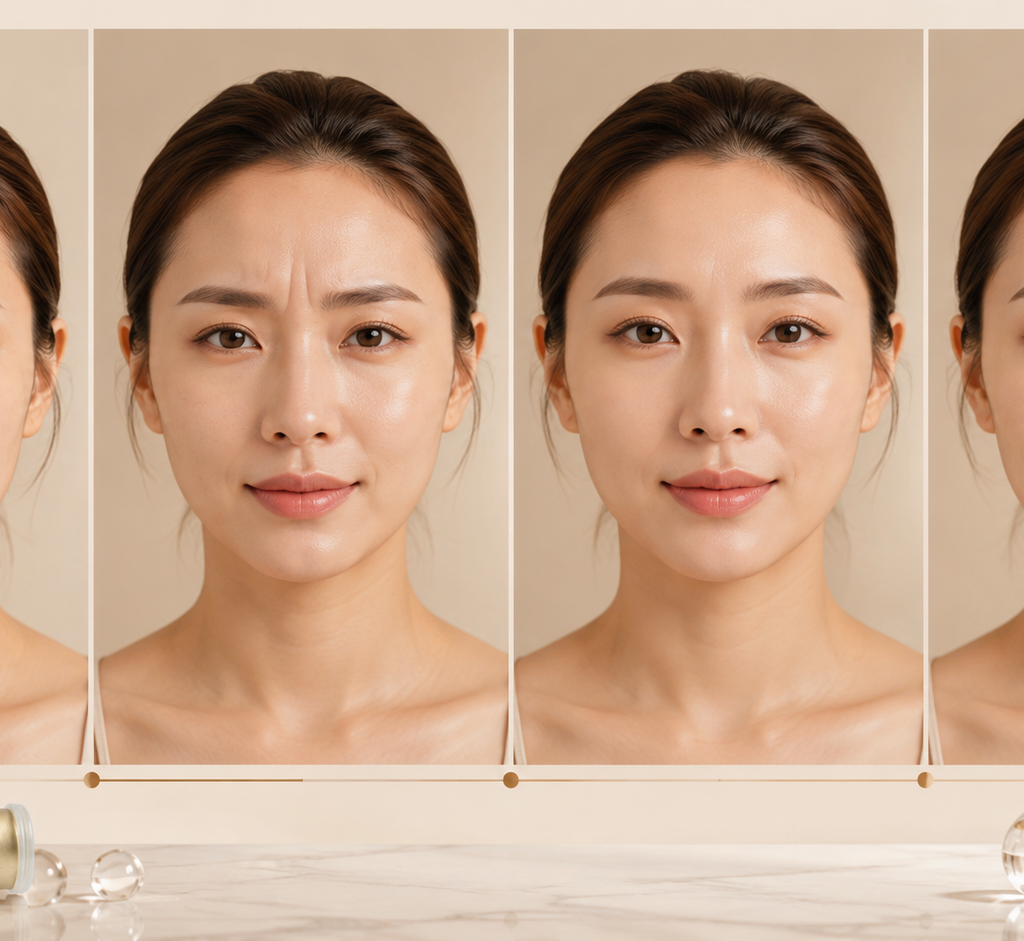
How Long Do Innotox Results Take to Appear?
While aftercare focuses on the first day, many patients also wonder when they will notice smoother skin.
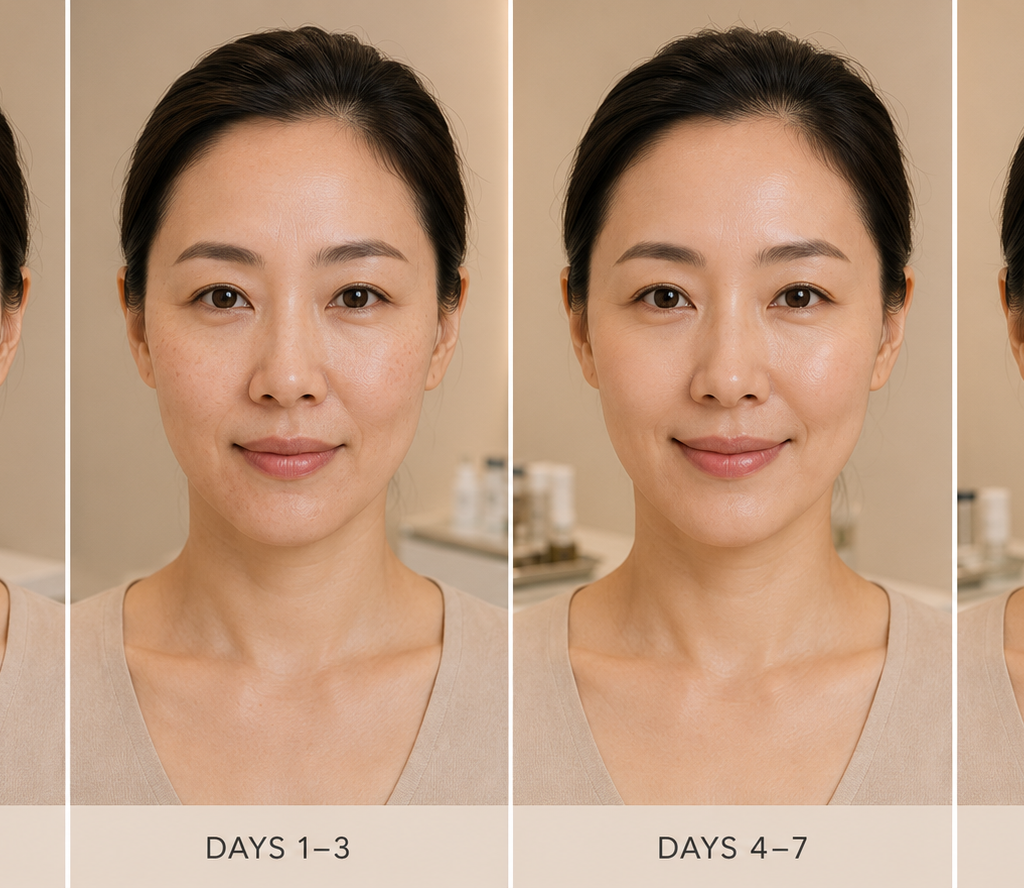
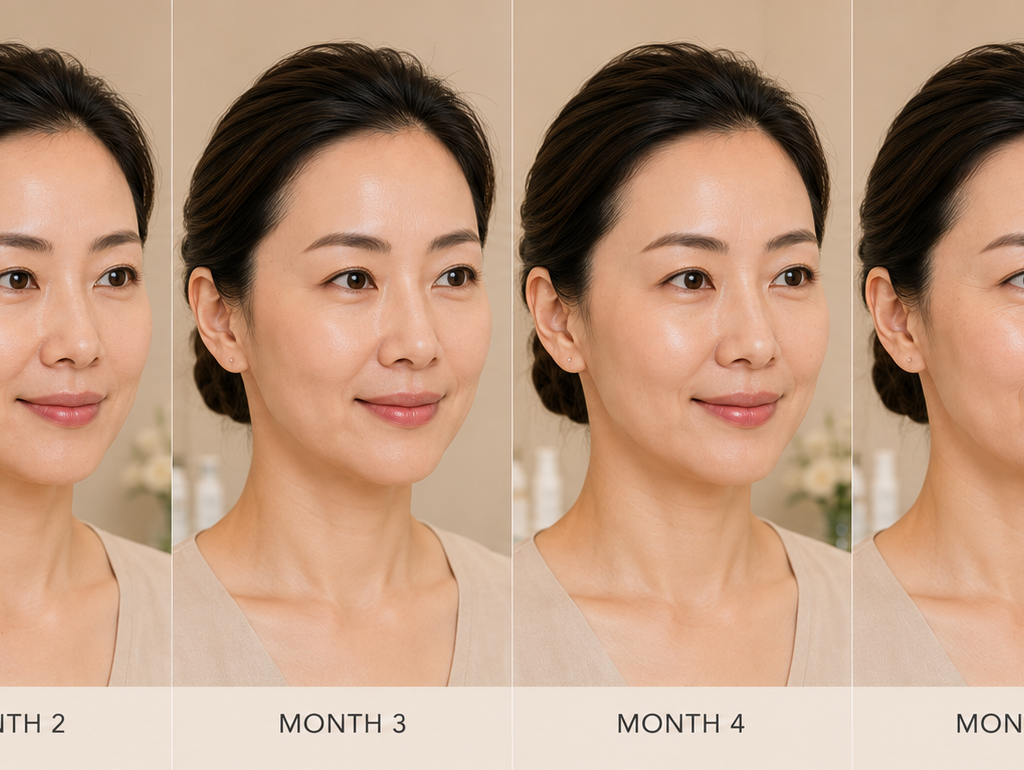
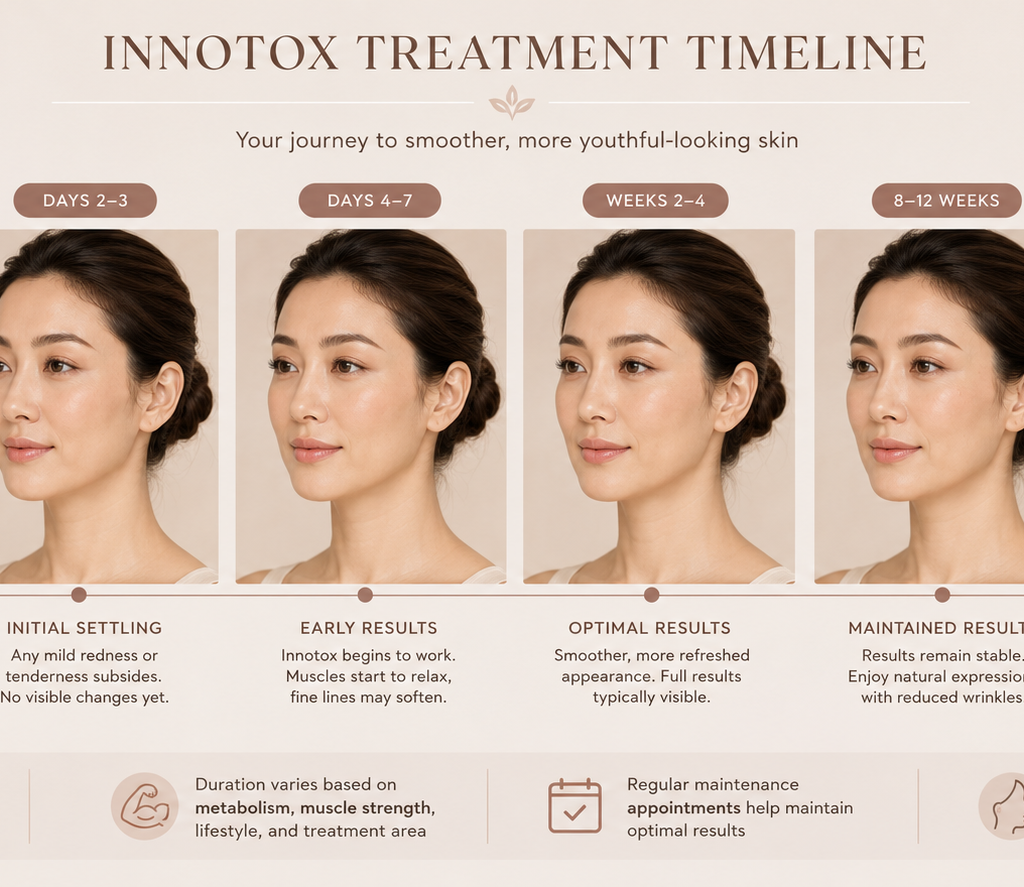
A typical timeline looks like this:
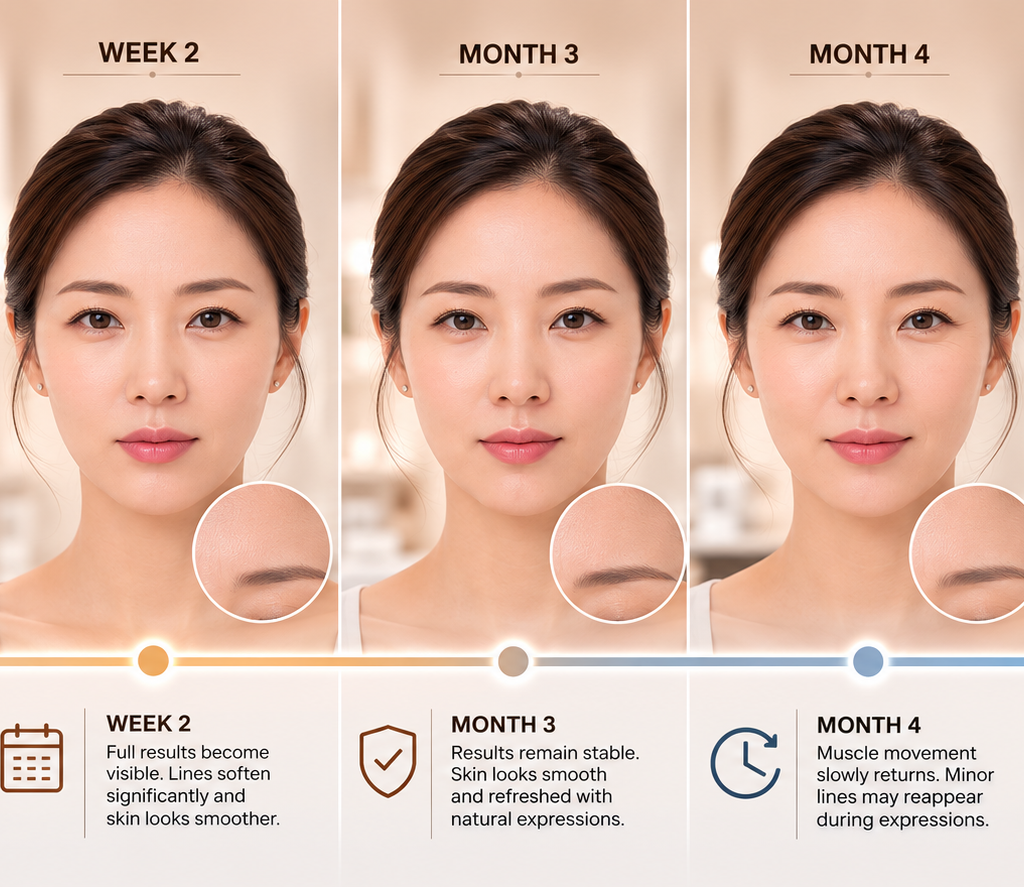
| Time | What to Expect |
| Day 1 | Mild redness or tiny injection marks may be visible |
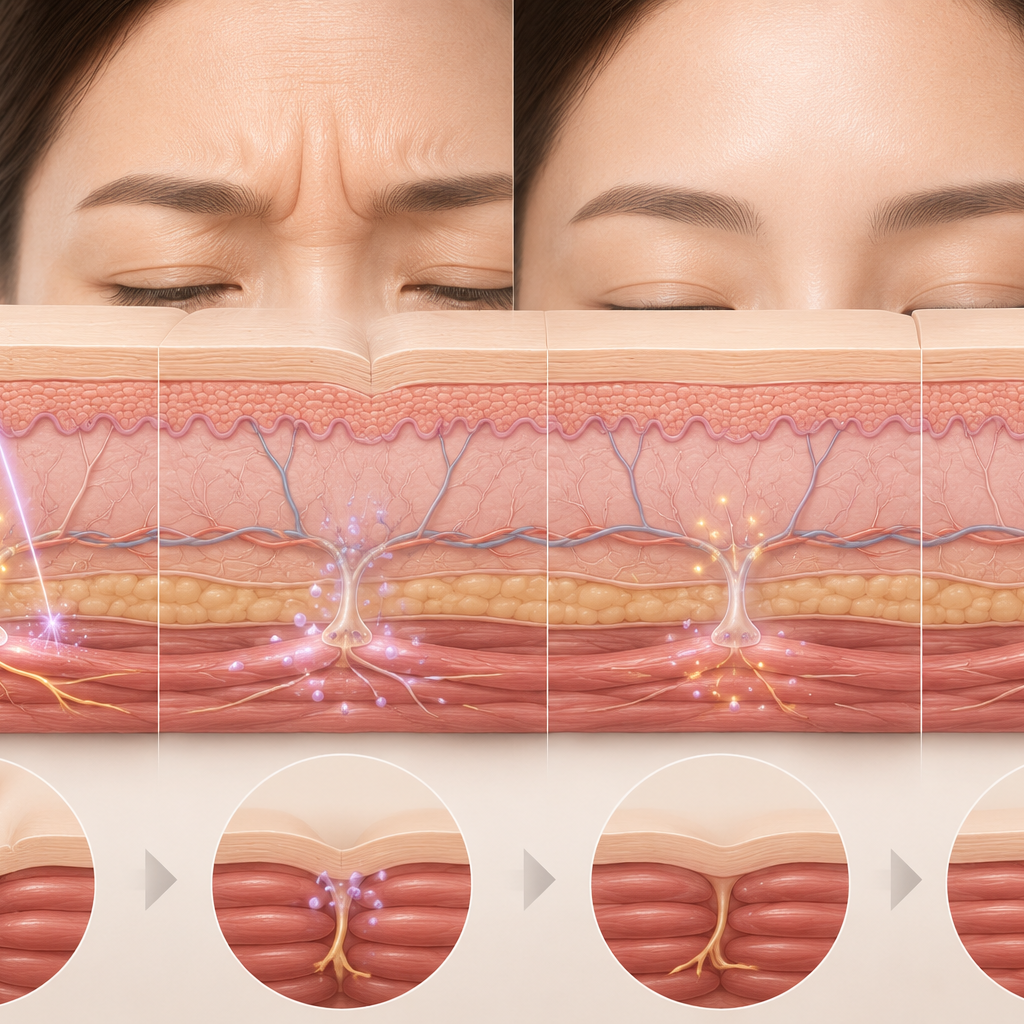
| Days 2–4 | Muscles gradually begin relaxing |
| Days 7–14 | Wrinkle softening becomes more noticeable |
| Around 2 Weeks | Full results are typically visible |
| 3–4 Months | Results gradually begin wearing off for many patients |
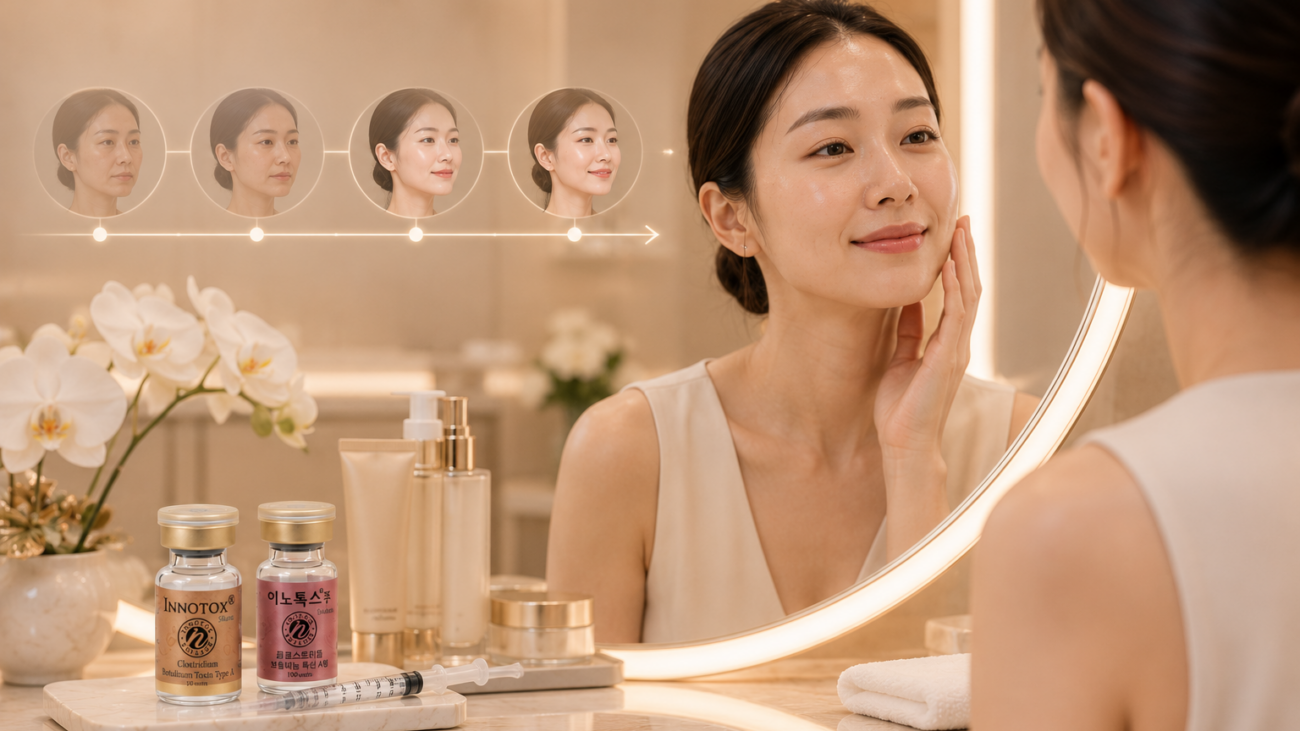
Following proper aftercare—including waiting before applying makeup—helps support a comfortable recovery while allowing you to enjoy your results with confidence.
Learn more about how long Innotox typically lasts and the factors that influence treatment longevity.
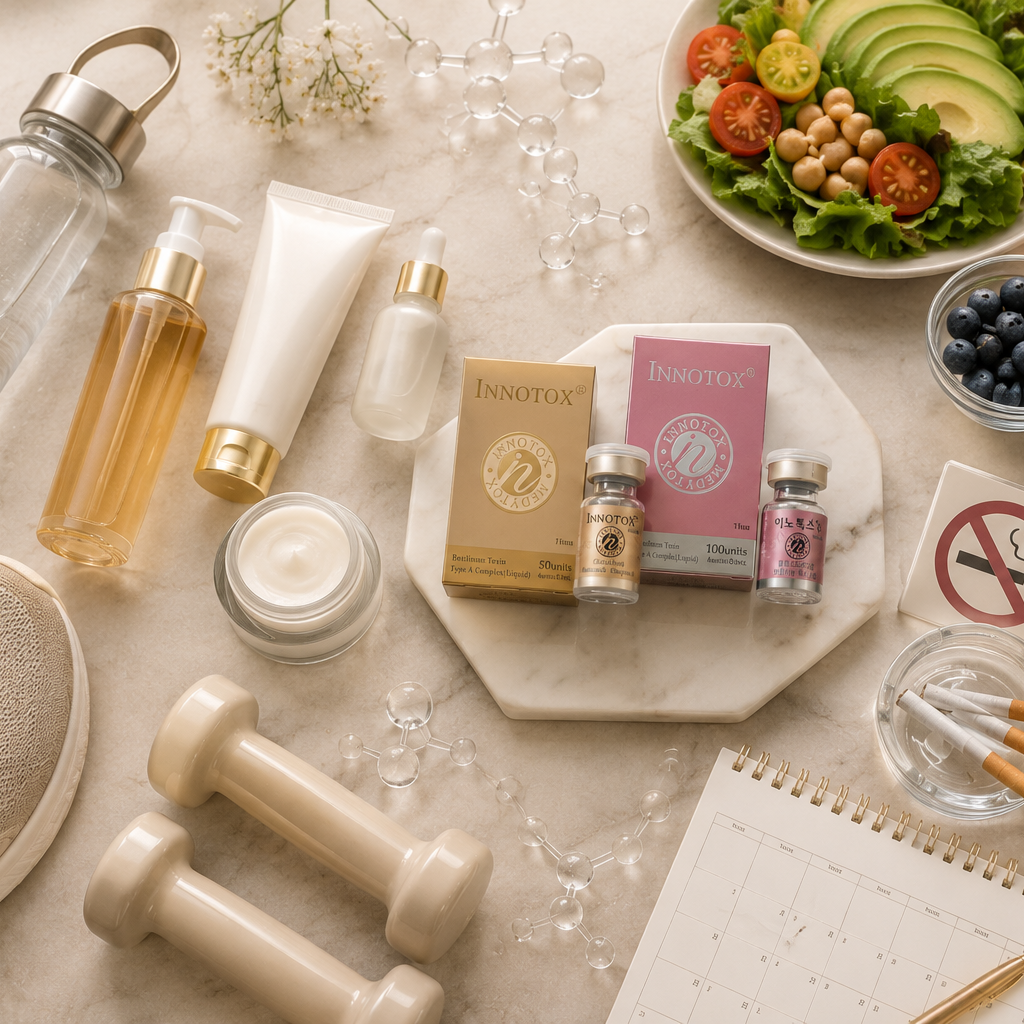
Tips for Long-Lasting Results
Although makeup timing will not change how long Innotox lasts, healthy habits can help maintain your skin’s appearance between treatments.
Try to do the following:
● Wear sunscreen every day.
● Stay hydrated.
● Follow a gentle skincare routine.
● Avoid smoking.
● Limit excessive sun exposure.
● Attend follow-up appointments if recommended.
● Schedule maintenance treatments as advised by your practitioner.
Healthy skin complements the wrinkle-smoothing effects of Innotox and contributes to a fresher overall appearance.
Final Thoughts
Wearing makeup after Innotox is usually safe—but timing matters.
Waiting at least 4 to 6 hours, or until your injector recommends, allows the tiny injection sites to begin healing and reduces the chance of irritation. When you do return to your routine, choose clean tools, lightweight products, and gentle application techniques.
Proper aftercare extends beyond makeup. Protecting your skin from heat, vigorous exercise, harsh skincare products, and excessive rubbing during the first day helps support a smooth recovery and allows you to enjoy your results with confidence.
When in doubt, always follow the personalized advice provided by your qualified medical professional. A few hours of patience can help ensure your skin looks and feels its best.
FAQs
Can I wear makeup immediately after Innotox?
No. Most practitioners recommend waiting at least 4–6 hours before applying makeup.
Is mineral makeup better after Innotox?
Yes. Mineral formulas are often lighter and less likely to irritate freshly treated skin.
Can I use a beauty blender after Innotox?
Yes, but only after the recommended waiting period. Use a clean sponge and dab gently instead of rubbing.
Should I avoid retinol after Innotox?
It is generally recommended to avoid retinol and other strong active ingredients for about 24 hours unless your practitioner advises otherwise.
Can sunscreen be applied after Innotox?
Yes. Once your provider says it is safe to touch the treated area, applying a broad-spectrum sunscreen is encouraged to protect your skin.
Can I wear foundation after Innotox?
Usually yes, but wait at least 4–6 hours or follow your injector’s advice. Apply it gently without rubbing.
Can I use concealer on injection marks?
If enough time has passed and your provider approves, a small amount of concealer may be used with light tapping motions.
Can makeup affect Innotox results?
The makeup itself does not affect the product. However, aggressive rubbing during application immediately after treatment may increase irritation and is best avoided.
Can I wear eye makeup?
Eye makeup is generally acceptable after the recommended waiting period. Apply mascara and eyeliner carefully without stretching the surrounding skin.
Should I replace my makeup sponge?
It is a good idea to use a clean sponge or freshly washed brushes after injections to minimize bacterial exposure.