Lip Flip vs. Lip Filler: Which Is Better?
Lip Flip vs. Lip Filler: Which Treatment Is Better for Natural-Looking Lips?
The desire for fuller, more youthful lips has never been greater. Social media, celebrity beauty trends, and advances in cosmetic medicine have all contributed to the popularity of lip enhancement treatments. Yet many people still find themselves asking the same question:
Should I get a lip flip or lip filler?
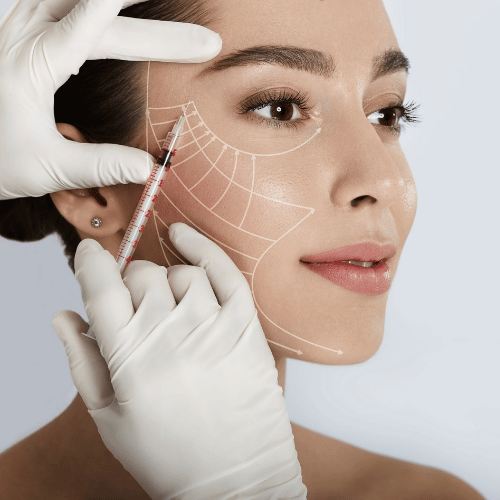
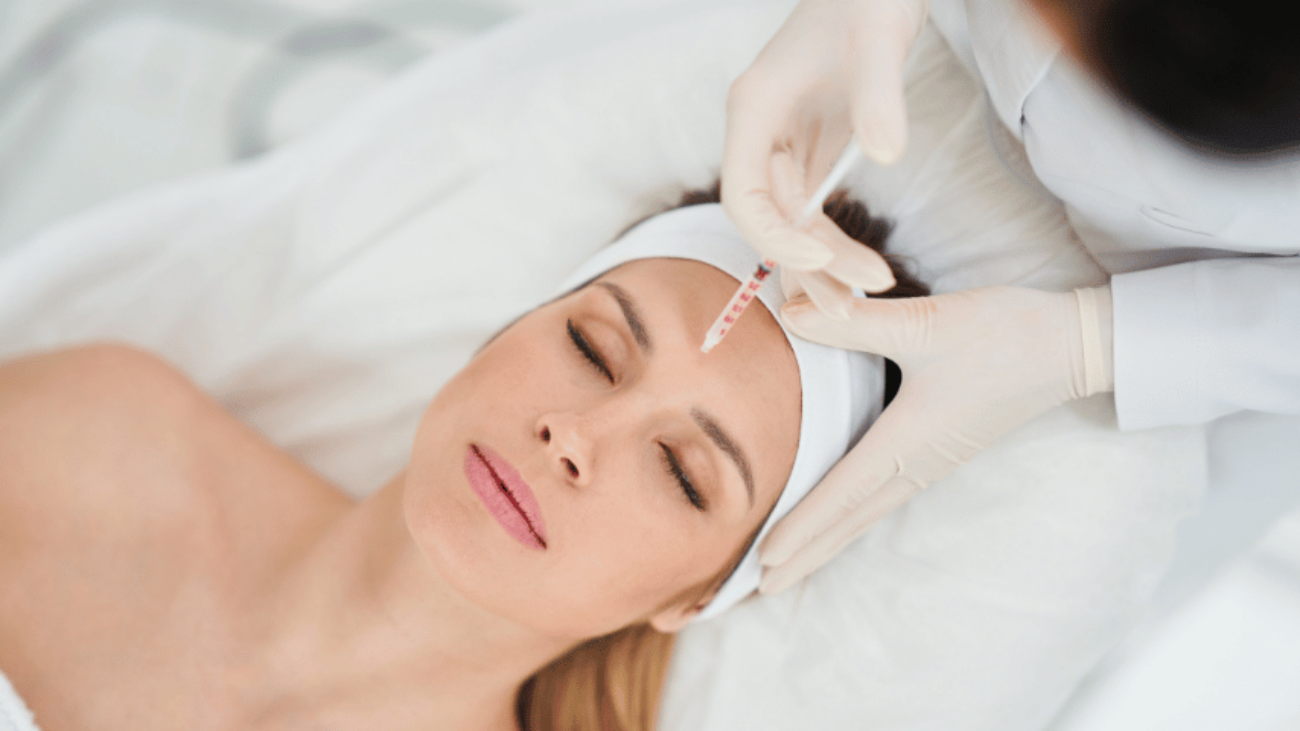
Although both treatments aim to improve the appearance of the lips, they achieve their results in very different ways. One relaxes muscles to subtly enhance the upper lip, while the other physically adds volume through injectable fillers.
If you’re considering a minimally invasive cosmetic procedure, understanding the differences between these two popular options can help you choose the treatment that best matches your goals.
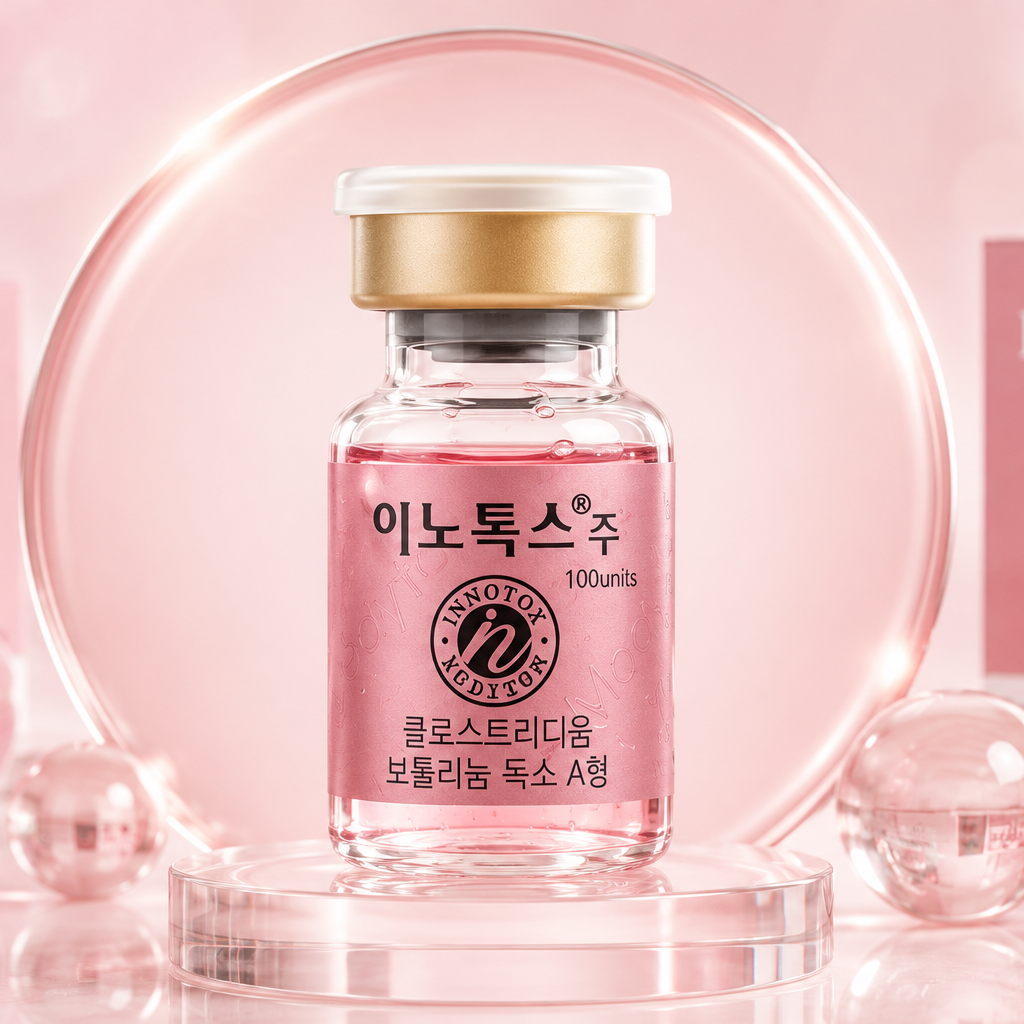
In this guide, we’ll compare lip flips and lip fillers, explain how each procedure works, discuss their benefits and limitations, and explore where Innotox, the ready-to-use liquid botulinum toxin, fits into modern lip enhancement.
What Is a Lip Flip?
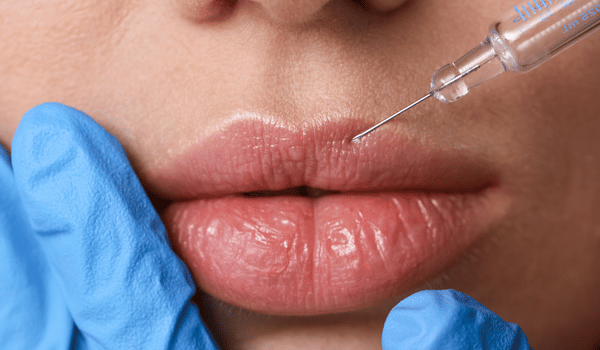
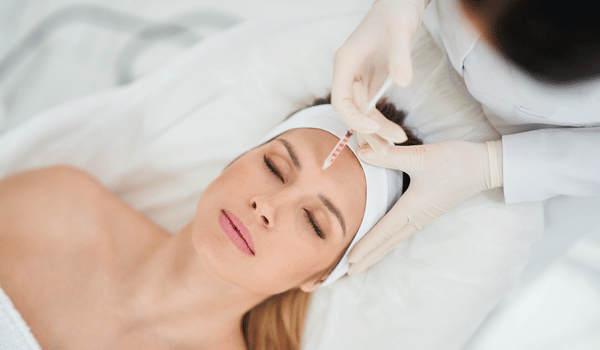
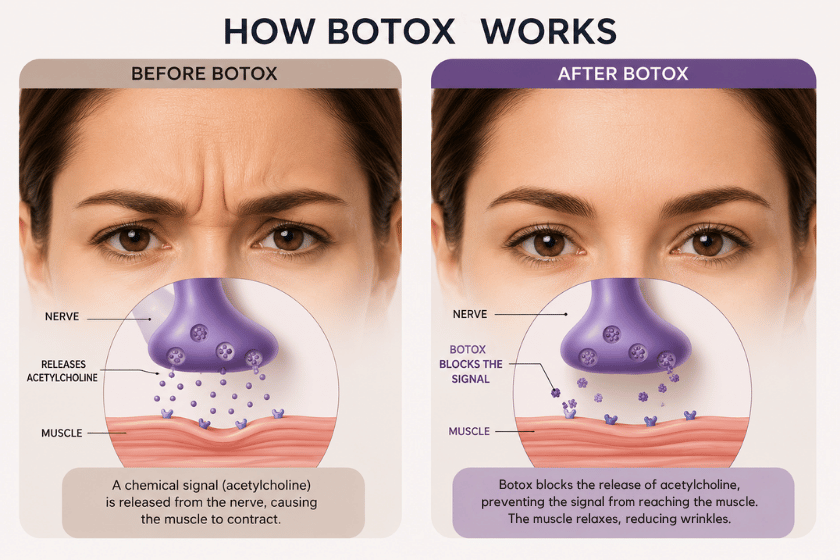
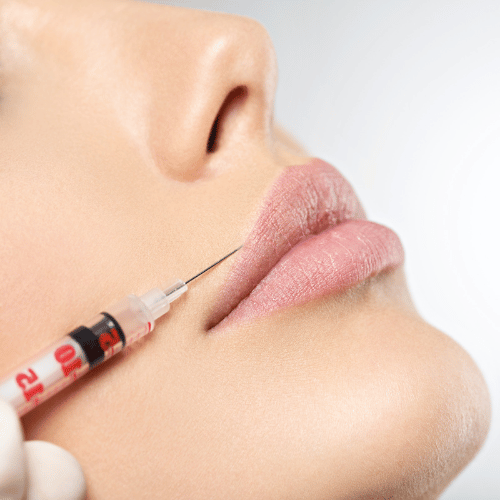
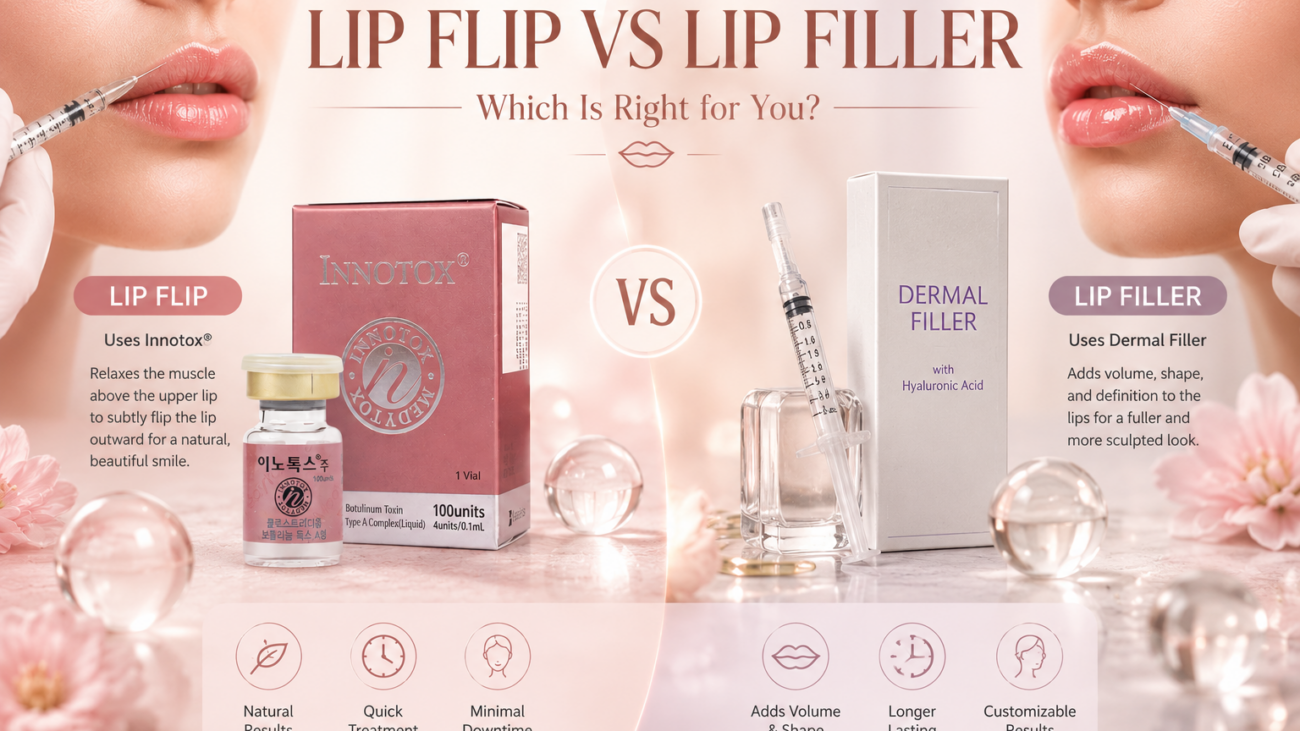
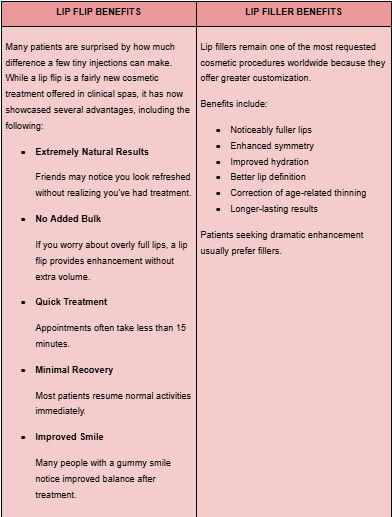
A lip flip is a cosmetic treatment that uses very small amounts of botulinum toxin to relax the muscles around the upper lip. Instead of adding volume, the treatment allows the upper lip to gently roll outward, exposing more of the pink lip tissue (vermilion). This creates the illusion of a fuller upper lip without increasing its actual size.
The procedure has become especially popular among people who want the following:
- A subtle enhancement
- Better upper lip definition
- Less “gummy smile”
- Natural-looking results
- Minimal downtime
Since the treatment only affects the muscles surrounding the lips, facial expressions remain largely unchanged when performed by an experienced injector.
What Is Lip Filler?
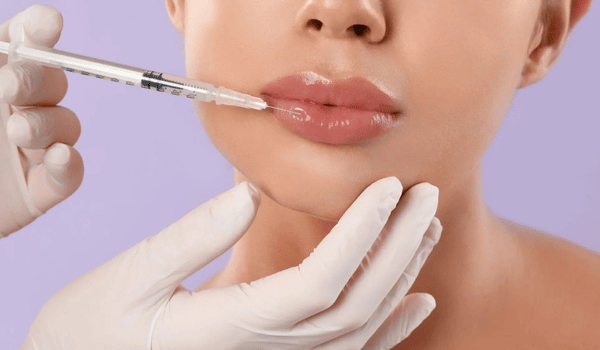
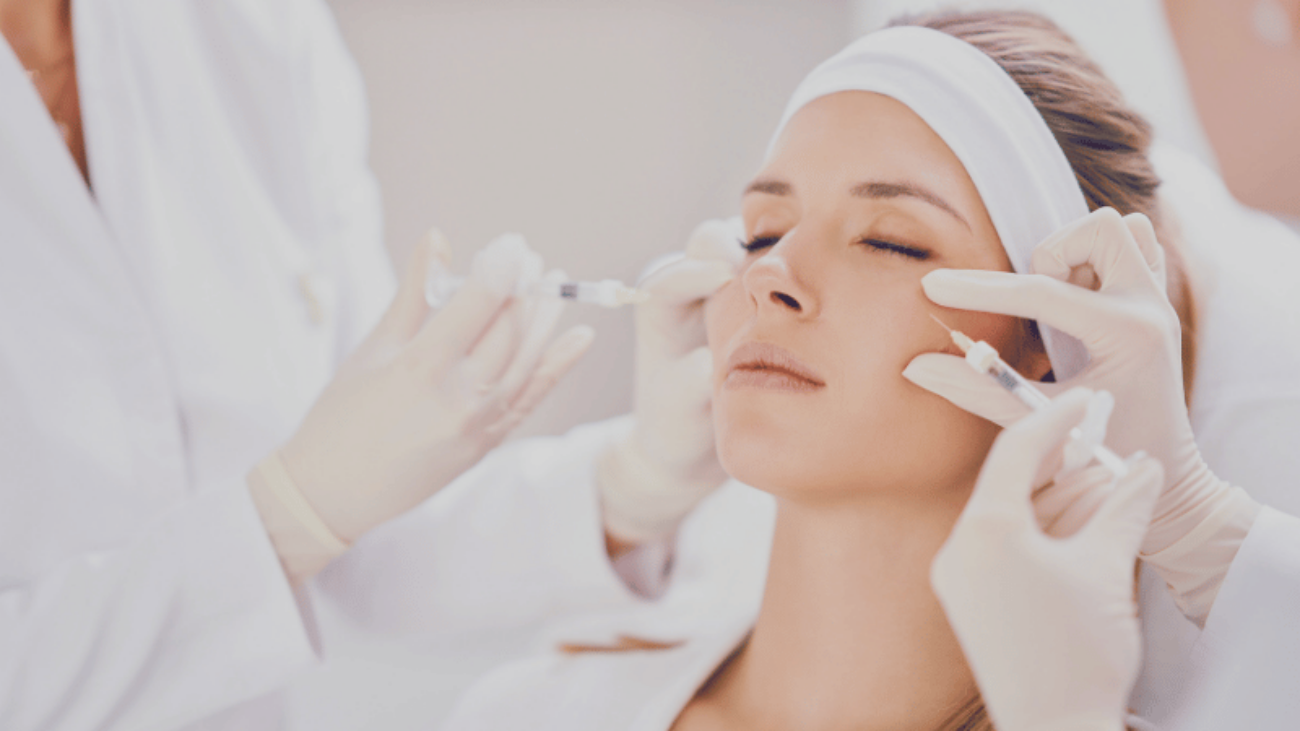
Lip fillers use injectable dermal fillers—most commonly those made from hyaluronic acid—to physically increase lip volume. Unlike a lip flip, fillers actually occupy space within the lips, allowing practitioners to reshape, contour, and enlarge both the upper and lower lips. Learn more about the differences between botulinum toxin injections and dermal fillers in this article.
Lip fillers can address the following:
- Thin lips
- Lip asymmetry
- Age-related volume loss
- Poor lip definition
- Fine vertical lip lines
Because filler physically changes the lip structure, the transformation is generally more dramatic than a lip flip.
Lip Flip vs. Lip Filler: The Biggest Difference
The easiest way to understand these treatments is to remember one simple distinction:
- A lip flip changes muscle movement.
- Lip filler changes lip volume.
A lip flip relaxes the muscles surrounding the mouth so the upper lip gently rolls outward. While a lip filler injects gel into the lips themselves, making them larger, fuller, and more sculpted. This fundamental difference affects nearly every aspect of the treatment, including results, longevity, cost, recovery, and ideal candidates.
Comparison Table: Lip Flip vs. Lip Filler
| Feature | Lip Flip | Lip Filler |
| Uses Botulinum Toxin | Yes | No |
| Adds Volume | No | Yes |
| Creates Fuller Appearance | Yes (illusion) | Yes (actual volume) |
| Procedure Time | 10–15 minutes | 20–40 minutes |
| Downtime | Minimal | Mild swelling and bruising |
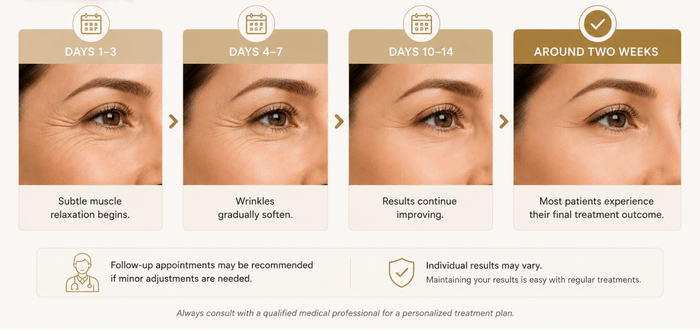
| Results Begin | 3–7 days | Immediate (with swelling) |
| Final Results | Around 2 weeks | 1–2 weeks |
| Duration | 2–4 months | 6–12 months |
| Reversible | Naturally wears off | Most HA fillers can be dissolved |
| Best For | Subtle enhancement | Noticeable volume increase |
How Does a Lip Flip Work?
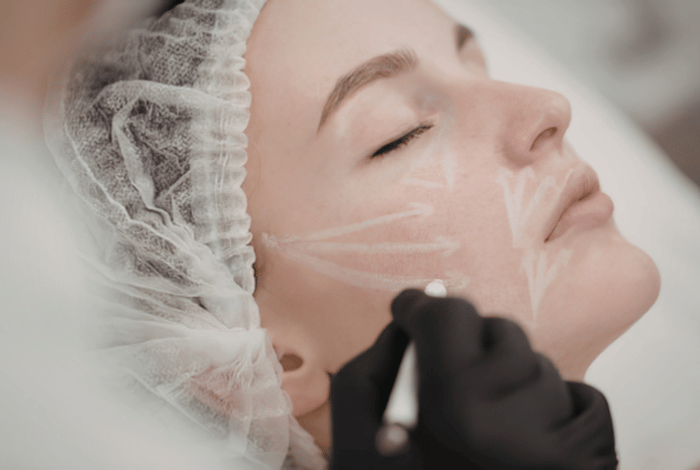
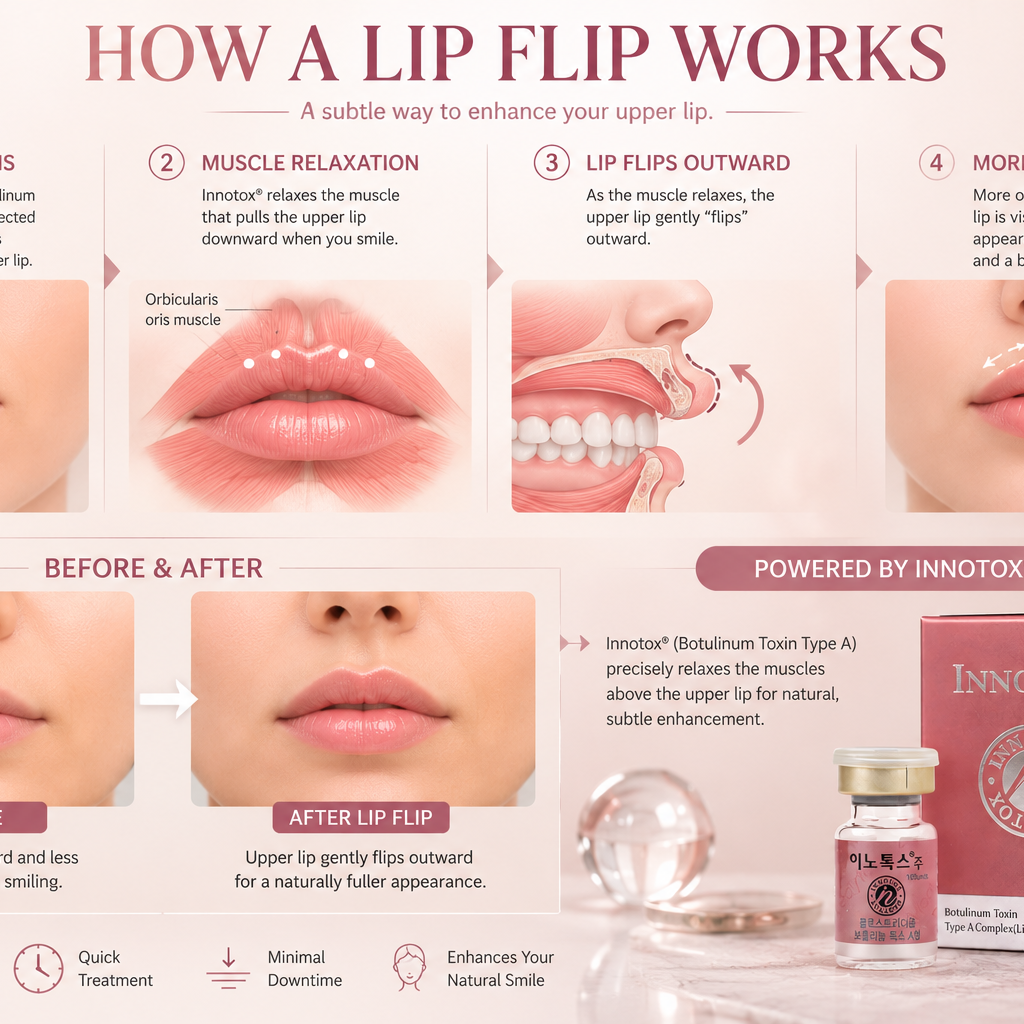
The upper lip is controlled by a circular muscle known as the orbicularis oris. During a lip flip, tiny injections of botulinum toxin are placed into strategic points of this muscle. As the muscle relaxes:
- The upper lip curls outward
- Less of the lip rolls inward while smiling
- More lip becomes visible
- The smile appears softer
- The upper lip looks fuller
Importantly, the lip itself does not become larger. Instead, its position changes. This subtle adjustment is what gives the treatment its naturally enhanced appearance.
How Lip Fillers Work
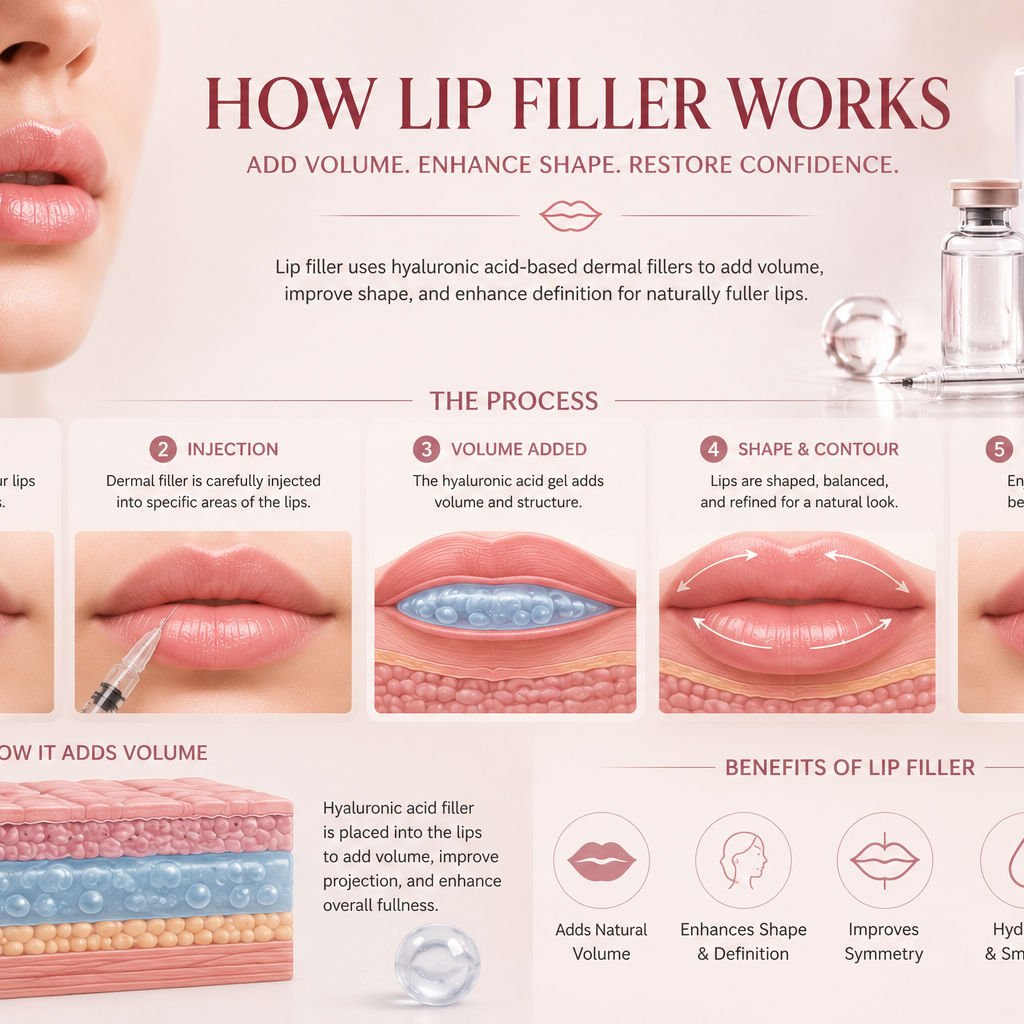
Lip fillers use cross-linked hyaluronic acid, a substance naturally found within the skin. After injection, the filler:
- Adds structural support
- Increases lip projection
- Improves hydration
- Enhances border definition
- Restores youthful fullness
Because filler occupies physical space, practitioners can customize the following:
- Lip shape
- Cupid’s bow
- Lip height
- Lip width
- Symmetry
- Overall volume
Where Does Innotox Fit Into a Lip Flip?
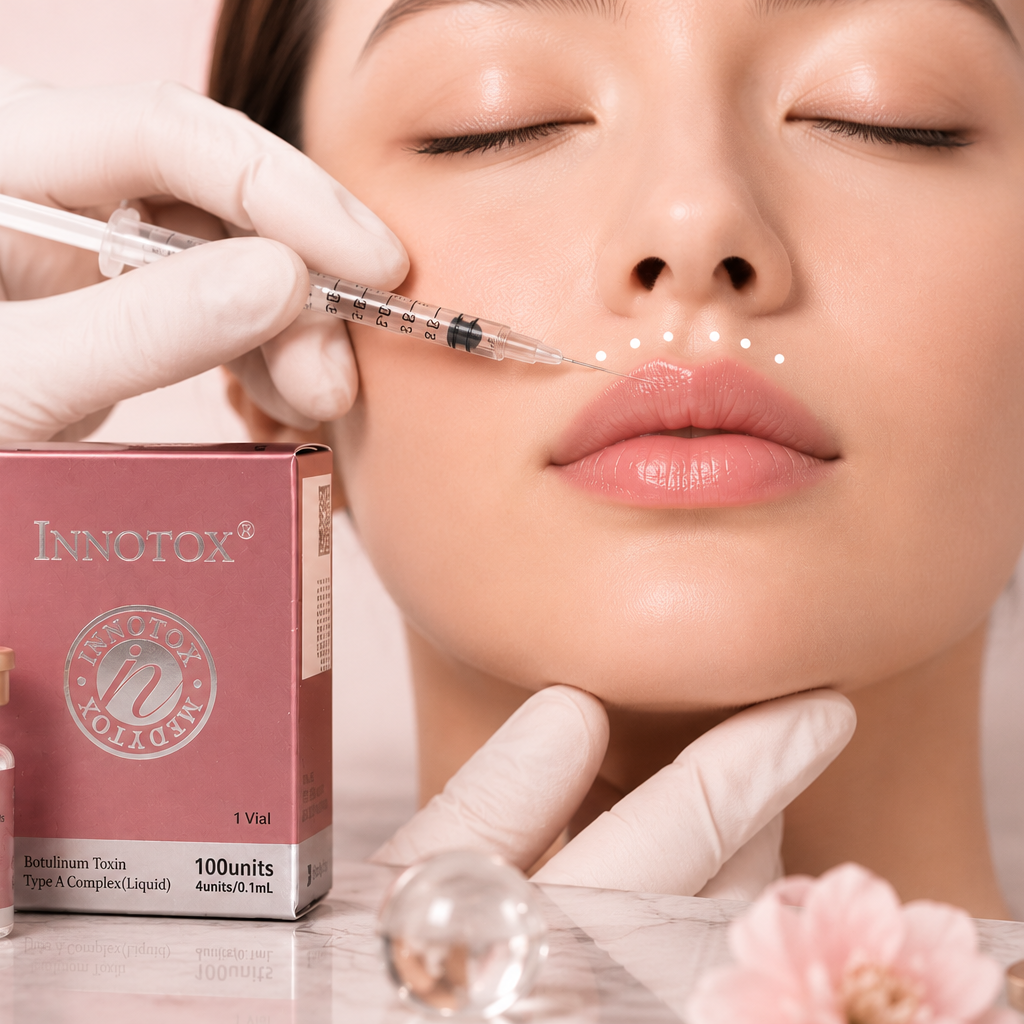
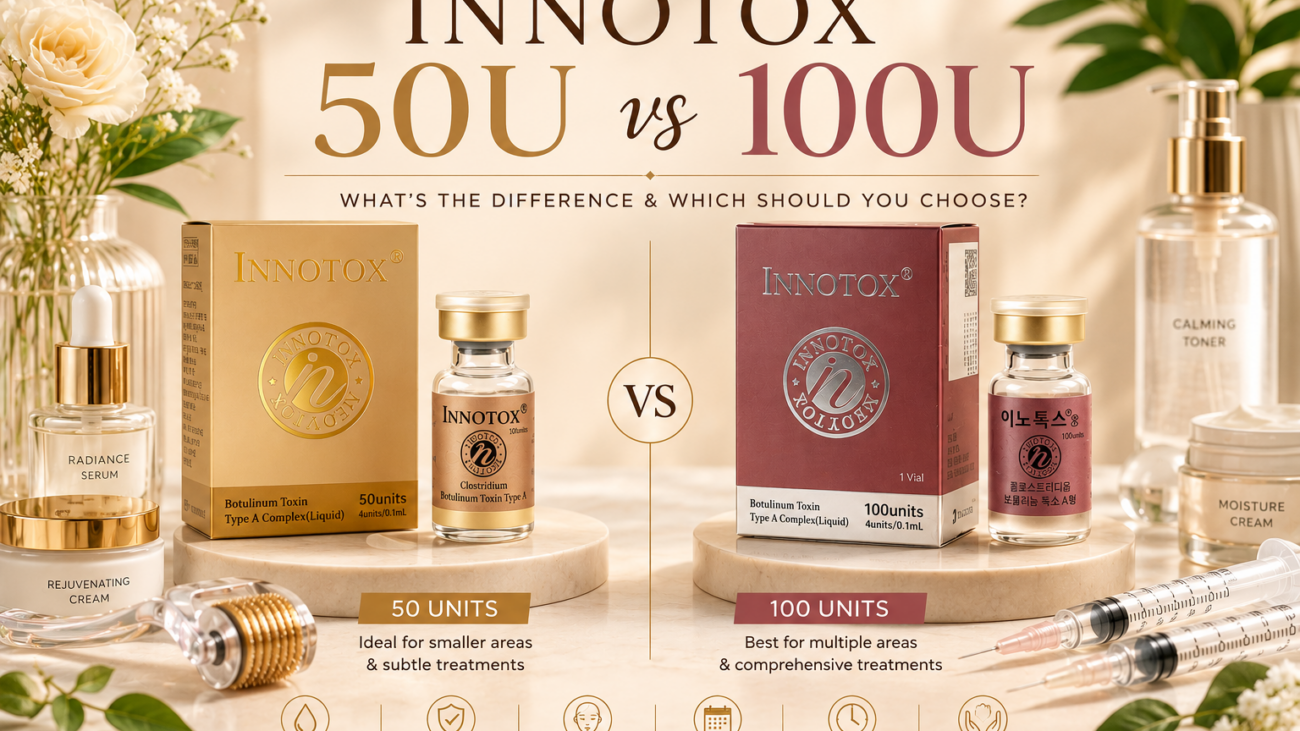
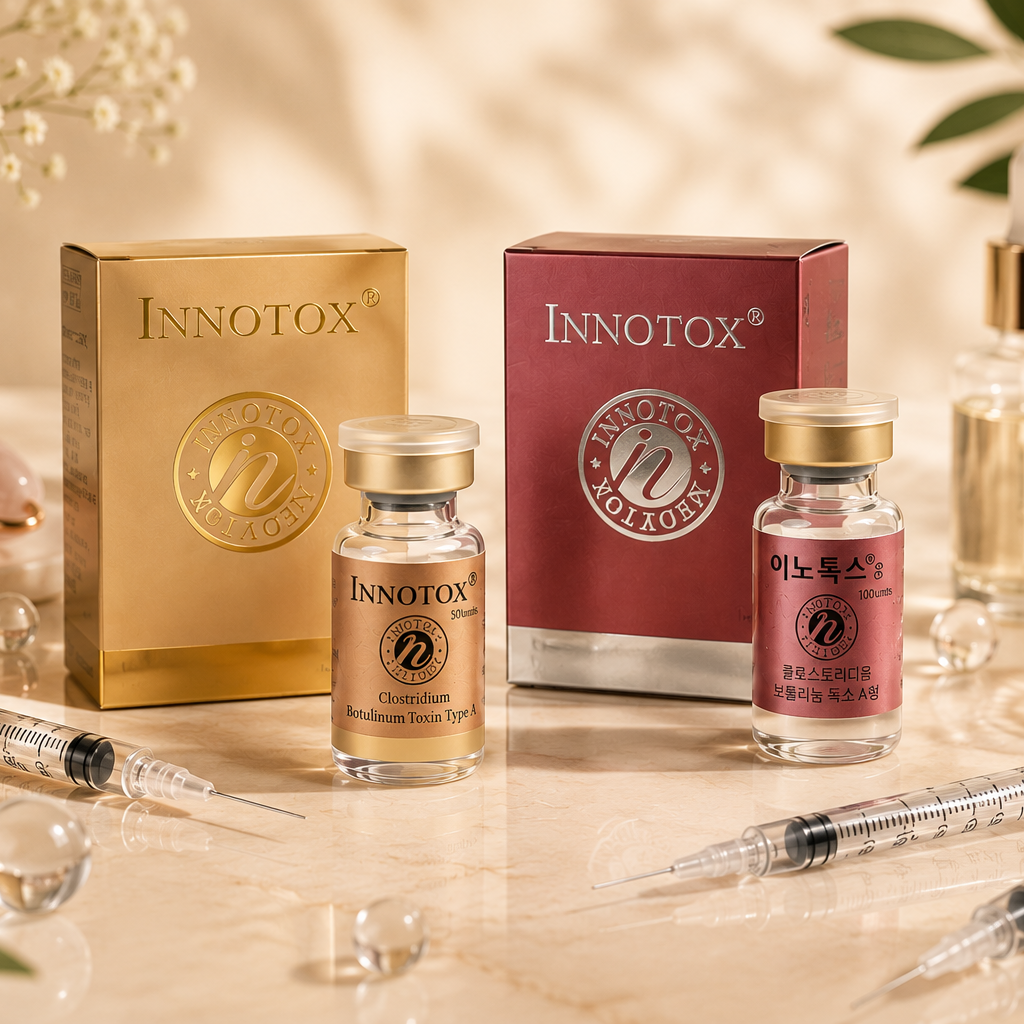
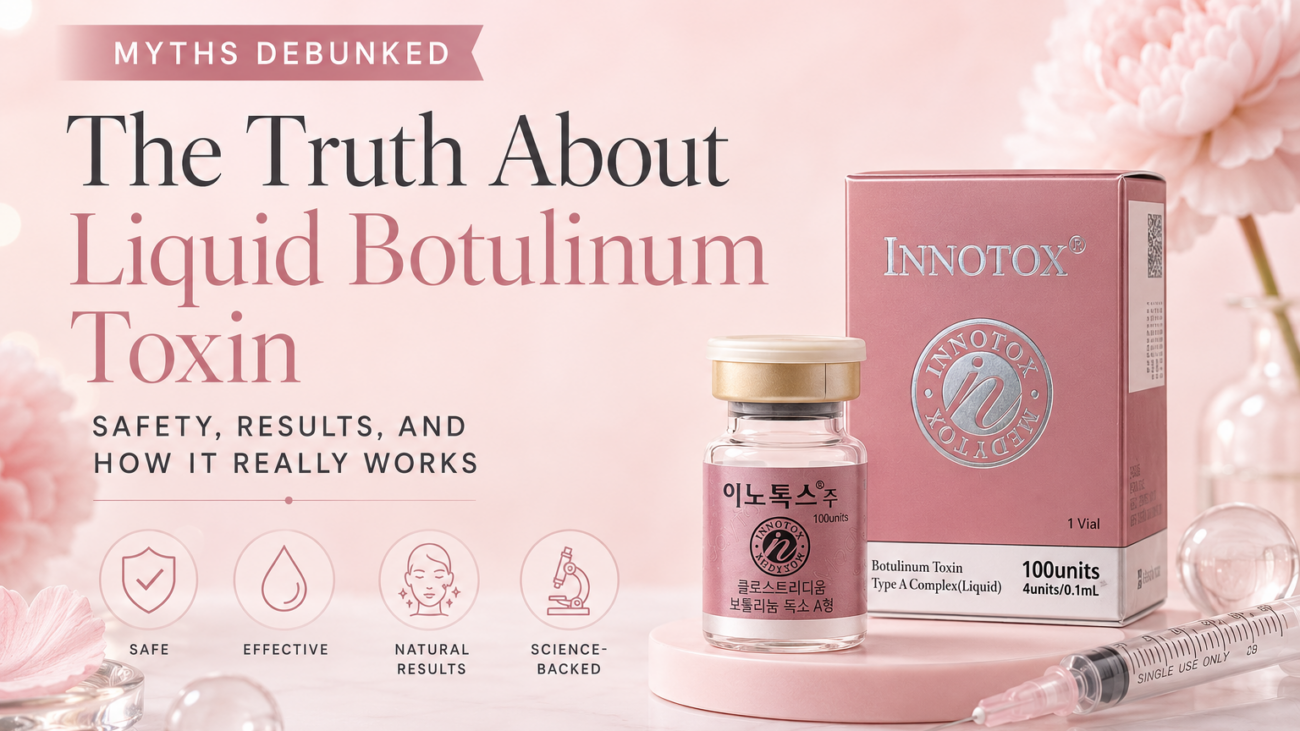
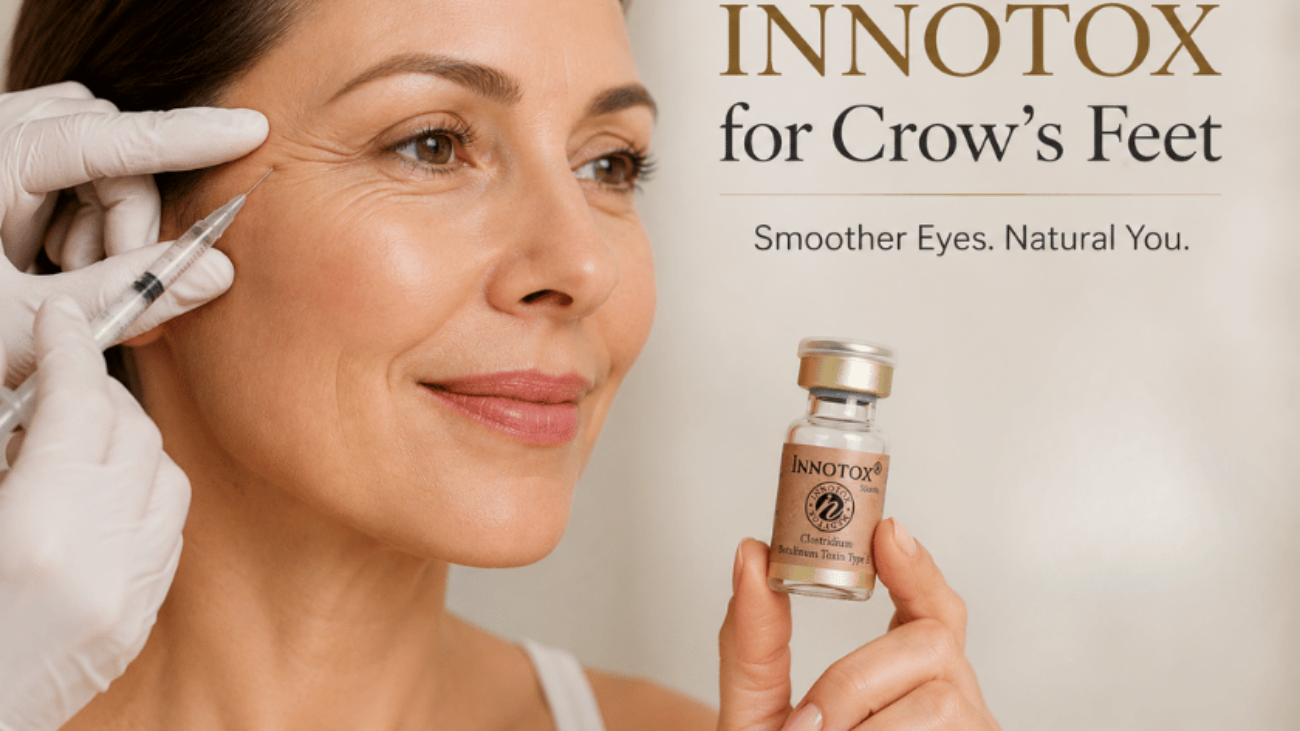
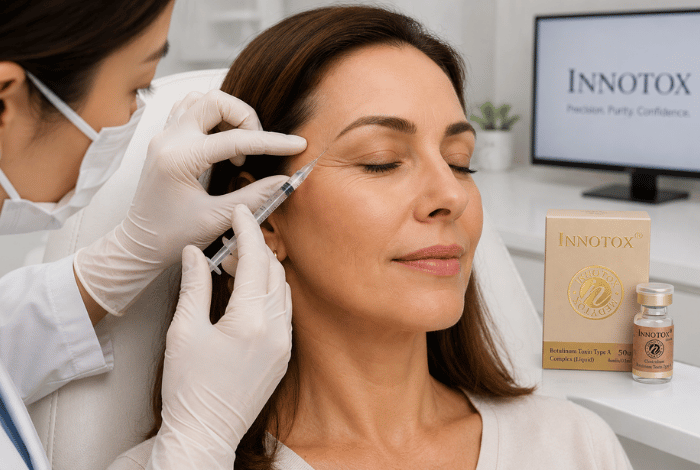
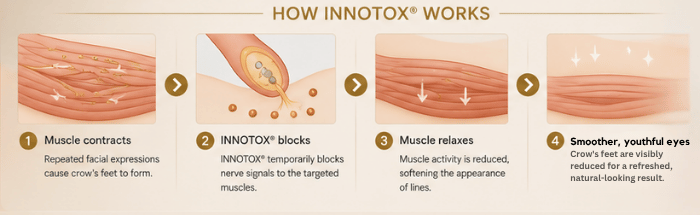
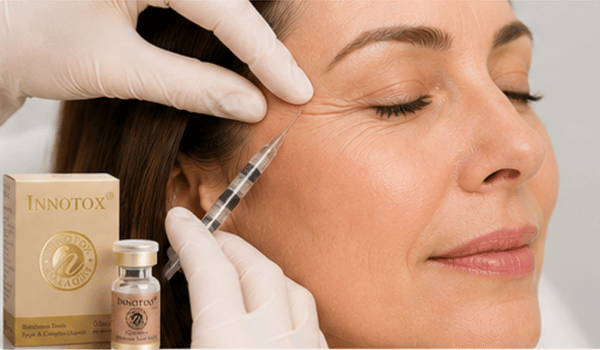
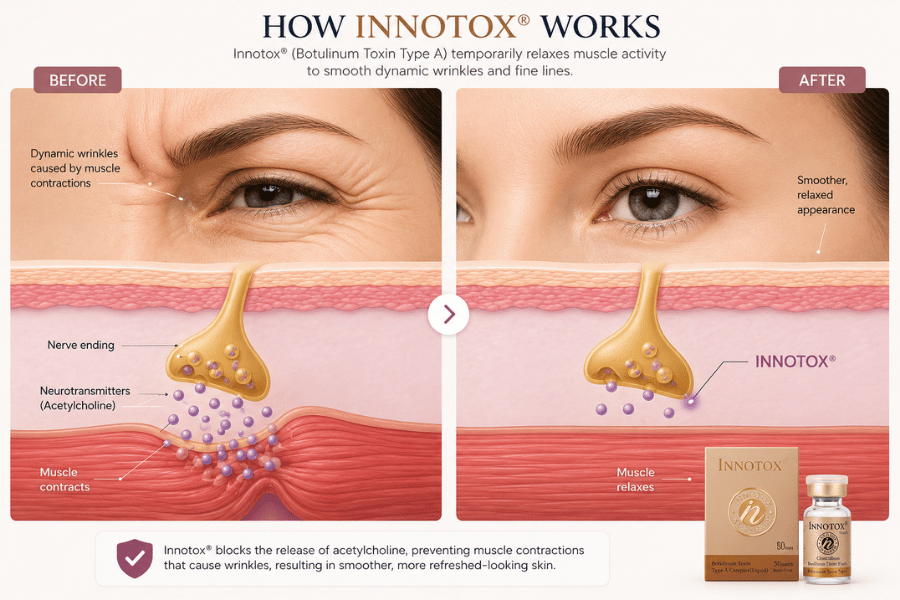
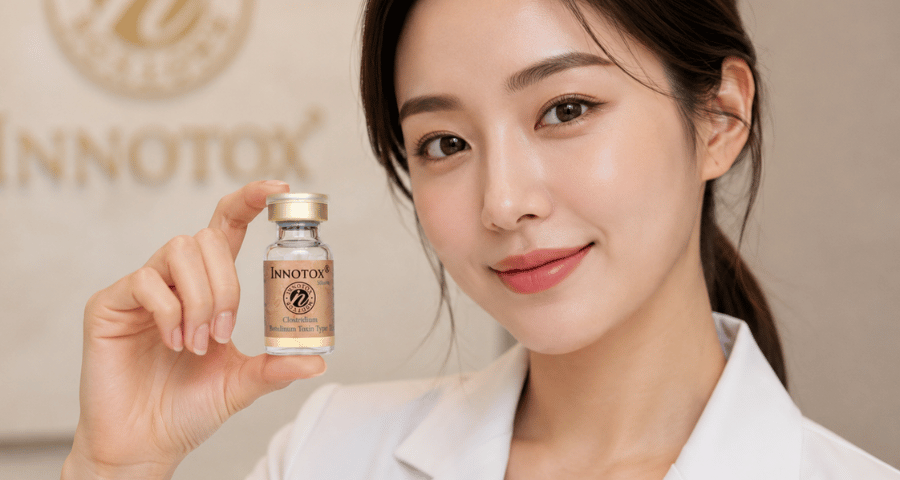
A lip flip requires a purified botulinum toxin—not dermal filler. This is where Innotox becomes relevant. Innotox is a ready-to-use liquid botulinum toxin formulation that does not require reconstitution before injection. For trained medical professionals, this offers several practical advantages, including:
- Consistent preparation
- Streamlined treatment workflow
- Accurate dosing
- Convenient handling
- Reliable injection precision
Because lip flips rely on extremely small doses placed with precision, consistency is especially important for achieving natural-looking results. As with all botulinum toxin treatments, Innotox should only be administered by qualified healthcare professionals.
Benefits of Choosing a Lip Flip vs. Lip Filler
Which Treatment Looks More Natural and How Long Do Results Last?
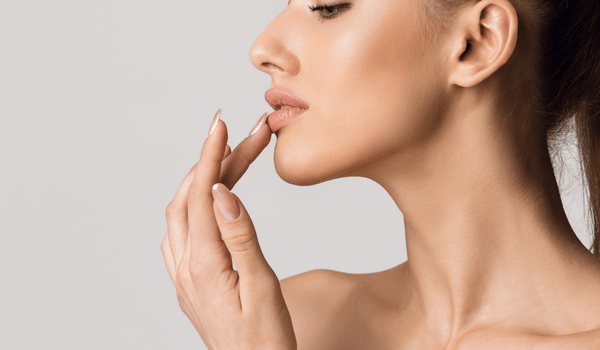
This depends entirely on the patient’s starting point and treatment goals. If someone simply wants slightly more visible lips, a softer smile, and subtle enhancement, a lip flip often appears exceptionally natural. But if someone has naturally thin lips or significant volume loss, fillers may actually produce the more balanced and natural result because they restore missing structure. When performed conservatively, both treatments can deliver beautiful, natural outcomes.
Additionally, one of the biggest differences involves longevity.
For those who have undergone lip flip treatments, most patients enjoy results for approximately 8–12 weeks; sometimes effects can last up to 4 months. Because facial muscles around the mouth move constantly while eating and speaking, the effects generally fade faster than Botox treatments elsewhere on the face.
On the other hand, those who were injected with lip fillers will experience varied duration results. Depending on the product used, fillers typically last for 6–12 months or occasionally longer.
Longevity depends on metabolism, lifestyle, and the specific filler chosen.
Recovery After Each Treatment
Lip Flip Recovery
Recovery is generally very simple. Patients may experience a few side effects, such as tiny injection marks, mild redness, and minimal swelling. These effects usually disappear within hours. To facilitate quick recovery, most providers recommend avoiding the following:
- rubbing the area
- strenuous exercise for 24 hours
- lying flat immediately after treatment
Lip Filler Recovery
In contrast, lip fillers typically involve the following:
- temporary swelling
- tenderness
- bruising
- firmness
Swelling often peaks within the first 24–48 hours before gradually improving over the following week. Final results usually become apparent after one to two weeks.
Who Are the Best Candidates for a Lip Flip vs. Lip Fillers?
You may be an excellent candidate for a lip flip procedure if you:
- Want a subtle enhancement
- Like your natural lip size
- Have a disappearing upper lip when smiling
- Want to reduce a gummy smile
- Prefer minimal downtime
- Are trying cosmetic injectables for the first time
Lip fillers may be ideal if you:
- Have naturally thin lips
- Want significantly fuller lips
- Have noticeable asymmetry
- Lost lip volume with aging
- Want more defined borders
- Desire longer-lasting results
Can You Combine a Lip Flip and Lip Filler?
Yes—and many experienced injectors do exactly that. Rather than viewing the treatments as competitors, they often complement one another. A combined approach can provide the following:
- Better upper lip projection
- Enhanced volume
- Improved smile balance
- More defined Cupid’s bow
- Natural facial harmony
In many cases, patients first receive filler to establish volume and shape, followed by a lip flip using botulinum toxin to optimize the upper lip’s position. This combination can produce a refined, balanced appearance without making the lips look overfilled.
Common Myths About Lip Flips
Myth #1: “A Lip Flip Makes Lips Bigger”
Not exactly. It creates the appearance of fuller lips but does not add actual volume.
Myth #2: “Lip Fillers Always Look Fake”
Modern injection techniques prioritize subtle enhancement. When performed conservatively, fillers can look incredibly natural.
Myth #3: “A Lip Flip Is Permanent”
No. The effects gradually wear off as muscle activity returns.
Myth #4: “Anyone Can Perform These Procedures”
These treatments require extensive anatomical knowledge and should only be performed by qualified medical professionals. Proper injection technique is essential for achieving safe, natural-looking results.
Lip Flip or Lip Filler? Choosing the Right Treatment For You
Before deciding, consider your primary goal. If you want a slight enhancement with little commitment, a lip flip may be the ideal starting point. But, if you’re looking for fuller lips, improved contour, or correction of volume loss, lip fillers may better suit your needs.
During a consultation, an experienced injector will evaluate your facial anatomy, lip proportions, smile dynamics, and aesthetic goals before recommending the most appropriate treatment. Remember that cosmetic enhancement is not about following trends—it’s about creating balance that complements your unique facial features.
Why Some Providers Choose Innotox for Lip Flip Procedures

Precision matters in every cosmetic injection, especially around the lips where only a few carefully placed units can influence the final result.
As a ready-to-use liquid botulinum toxin, Innotox eliminates the need for reconstitution, helping practitioners maintain consistency in preparation and dosing. For experienced injectors, this can contribute to efficient treatment workflows and predictable administration.
Ultimately, successful outcomes depend on proper patient assessment, anatomical expertise, and individualized treatment planning—not simply the product used. When administered by qualified professionals, Innotox can be an effective option for patients seeking the subtle muscle relaxation needed for a natural-looking lip flip.
Final Thoughts
The choice between a lip flip and lip filler ultimately comes down to the type of enhancement you’re looking for. A lip flip offers a subtle, natural-looking improvement by gently relaxing the muscles around the upper lip, making it an excellent option for those who want a more defined smile without adding volume. Lip fillers, on the other hand, physically enhance the lips by increasing their size, improving symmetry, and restoring youthful fullness.
Neither treatment is universally better—the right choice depends on your facial anatomy, aesthetic preferences, and desired outcome. For some individuals, a lip flip alone provides the perfect touch of refinement. Others may benefit more from fillers or even a combination of both procedures for a balanced, harmonious appearance.
For practitioners performing lip flip treatments, Innotox’s ready-to-use liquid formulation offers a convenient botulinum toxin option that supports precise administration. Regardless of the product used, achieving safe and natural-looking results always begins with treatment from a qualified, experienced medical professional who can tailor the procedure to your unique features and cosmetic goals.
Frequently Asked Questions
Is a lip flip painful?
Most patients experience only mild discomfort. The injections are quick and use very fine needles.
Can Innotox be used for a lip flip?
When deemed appropriate by a qualified medical professional, Innotox may be used as the botulinum toxin product for lip flip treatments. It should only be administered by trained practitioners.
Which lasts longer: a lip flip or lip filler?
Lip fillers generally last 6–12 months, while lip flips typically last around 2–4 months.
Can I eat after a lip flip?
Most patients can eat normally after treatment, although providers may recommend avoiding excessive manipulation of the lips immediately afterward.
Can I get both treatments on the same day?
In many cases, yes. Qualified practitioners often combine a lip flip with lip filler to achieve balanced, customized results based on the patient’s anatomy and goals.