

Innotox for TMJ: Jaw Pain & Teeth Grinding Relief
Innotox for TMJ Treatment: Can Botulinum Toxin Help Relieve Jaw Pain, Teeth Grinding, and Facial Tension?
Jaw pain can make even the simplest daily activities uncomfortable. Eating, speaking, yawning, or waking up after a night’s sleep may become painful when the muscles surrounding the jaw are constantly overworked. Many people experiencing temporomandibular joint (TMJ) disorders or chronic teeth grinding (bruxism) search for treatment options that provide relief beyond mouthguards and pain medications.
One option that has gained increasing attention is botulinum toxin therapy, which helps relax overactive jaw muscles. Among modern botulinum toxin products, Innotox has become well known for its ready-to-use liquid formulation and predictable performance in aesthetic medicine. Today, many healthcare professionals also use botulinum toxin injections for selected functional concerns involving excessive muscle activity, including jaw muscle tension.
If you’ve wondered whether Innotox for TMJ could help with jaw discomfort, facial tension, or nighttime grinding, this guide explains everything you should know—from how the treatment works to who may be a good candidate, expected results, aftercare, and frequently asked questions.
What Is TMJ Disorder?
TMJ stands for the temporomandibular joint, the hinge connecting your lower jaw (mandible) to your skull. You have one joint on each side of your face, located just in front of your ears. These joints allow movements required for:
- Speaking
- Chewing
- Swallowing
- Smiling
- Yawning
When the joint itself or the surrounding muscles become irritated, inflamed, or overactive, patients may develop temporomandibular disorders (TMD), commonly shortened to TMJ.
Although many people refer to the condition simply as “TMJ,” the more accurate term is TMD.
Common Symptoms of TMJ Disorders
Symptoms vary from person to person and may include:
- Jaw pain
- Facial muscle soreness
- Clicking or popping sounds
- Difficulty opening the mouth fully
- Jaw locking
- Morning headaches
- Ear discomfort
- Neck tension
- Pain while chewing
- Teeth grinding (bruxism)
- Jaw muscle fatigue
Many of these symptoms result from excessive contraction of the masseter and temporalis muscles.
What Causes TMJ Problems?
TMJ disorders usually develop from multiple contributing factors rather than a single cause. These may include:
- Chronic teeth grinding
- Jaw clenching
- Emotional stress
- Anxiety
- Arthritis
- Previous jaw injury
- Poor bite alignment
- Muscle overuse
- Connective tissue disorders
For many individuals, the muscles become overworked, creating a cycle of pain and tension. This is where muscle-relaxing treatments such as botulinum toxin may become part of a comprehensive treatment plan.
How Can Innotox Help Treat TMJ Disorders?
Innotox is a liquid botulinum toxin type A formulation developed in South Korea. Unlike many conventional neurotoxins supplied as freeze-dried powder, Innotox comes pre-dissolved and ready for injection, eliminating the need for reconstitution before use. Discover the truth about liquid Botox and how it really works here in this article.
Its liquid formulation offers several practical advantages for experienced medical professionals, including consistent preparation and convenient handling in clinical settings.
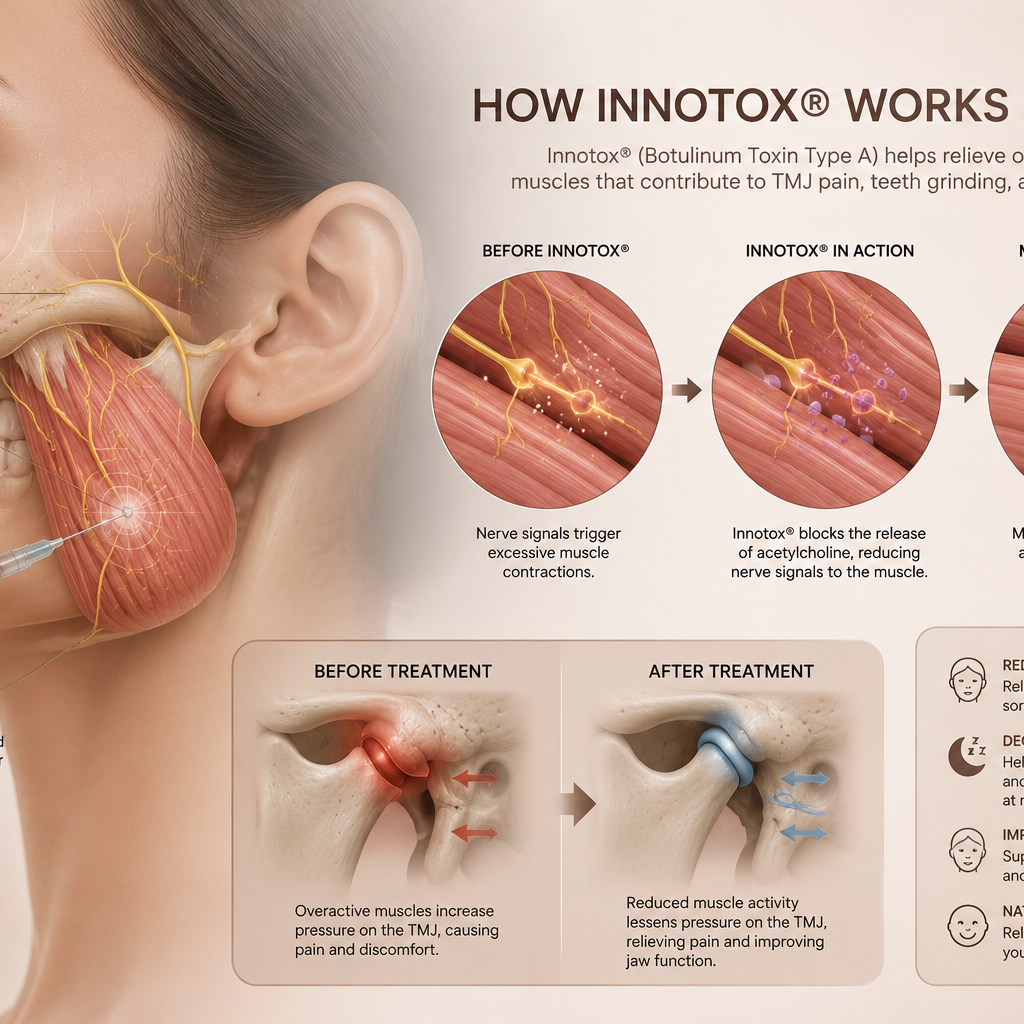
Like other botulinum toxin type A products, Innotox works by temporarily reducing communication between nerves and targeted muscles. This decreases excessive muscle contraction while preserving surrounding muscle function when administered correctly.
TMJ symptoms are often driven by overactive chewing muscles, particularly the masseter muscle. When Innotox is carefully injected into these muscles, it temporarily reduces their contraction strength. This may help:
- Decrease excessive jaw clenching
- Reduce teeth grinding
- Lower muscle fatigue
- Relieve facial tension
- Reduce pressure on the jaw joints
- Improve overall jaw comfort
Rather than directly treating the joint itself, Innotox addresses one of the underlying contributors—muscle overactivity.
Which Muscles Are Usually Treated?
The exact treatment plan depends on each patient’s symptoms and examination.
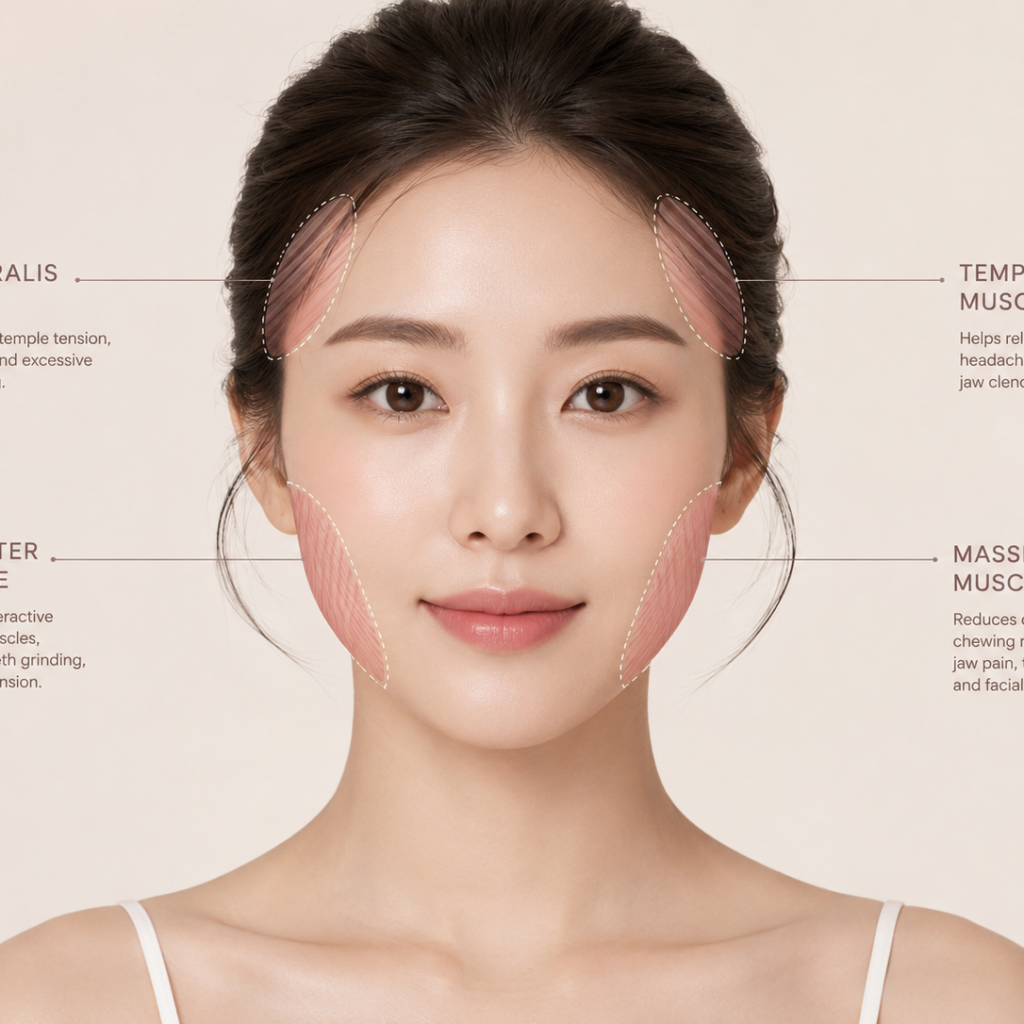
Common muscles include:
- Masseter Muscle
This large chewing muscle sits at the angle of the jaw. It is most commonly injected because it is frequently responsible for the following:
- Bruxism
- Jaw clenching
- Facial tension
- Enlarged jaw muscles
Relaxing the masseter may also create a slimmer lower-face appearance in some patients.
- Temporalis Muscle
Located along the sides of the head, the temporalis muscle assists chewing. Patients with temple headaches, forehead tension, and severe clenching may benefit when this muscle contributes significantly to symptoms.
- Additional Muscles
Depending on individual anatomy, experienced practitioners may evaluate other surrounding muscles involved in jaw movement. Treatment plans are always personalized rather than identical for every patient.
Benefits of Using Innotox for TMJ Treatment
Patients experiencing muscle-related TMJ symptoms may notice several potential benefits.
- Reduced Jaw Pain
Less muscle contraction often means less mechanical stress placed on the jaw. Many patients report decreased soreness during chewing and speaking.
- Less Teeth Grinding
Nighttime grinding may decrease as muscle activity is reduced. This may also lessen tooth wear over time when combined with other dental recommendations.
- Fewer Tension Headaches
Because jaw muscles connect with muscles surrounding the temples, reducing excessive contraction may lessen headache frequency in appropriate patients.
- Improved Jaw Mobility
Patients sometimes notice easier mouth opening, reduced stiffness, and improved comfort while eating
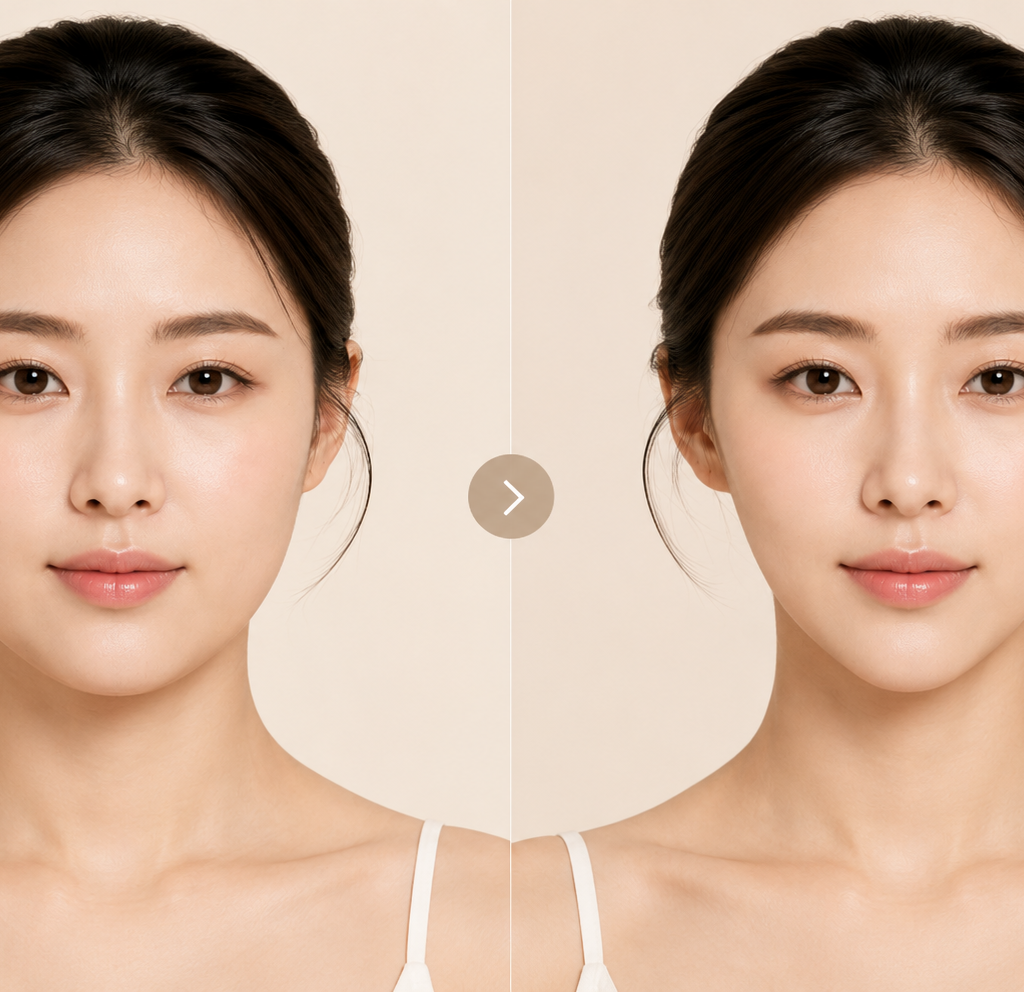
- Facial Slimming
One well-known aesthetic benefit is gradual reduction in enlarged masseter muscles. This can create softer jaw contours and a more V-shaped facial appearance
- Improved facial balance
Although cosmetic improvement is often welcomed, the primary objective for TMJ treatment is functional relief rather than facial reshaping.
How the Procedure For TMJ Treatment With Innotox Works
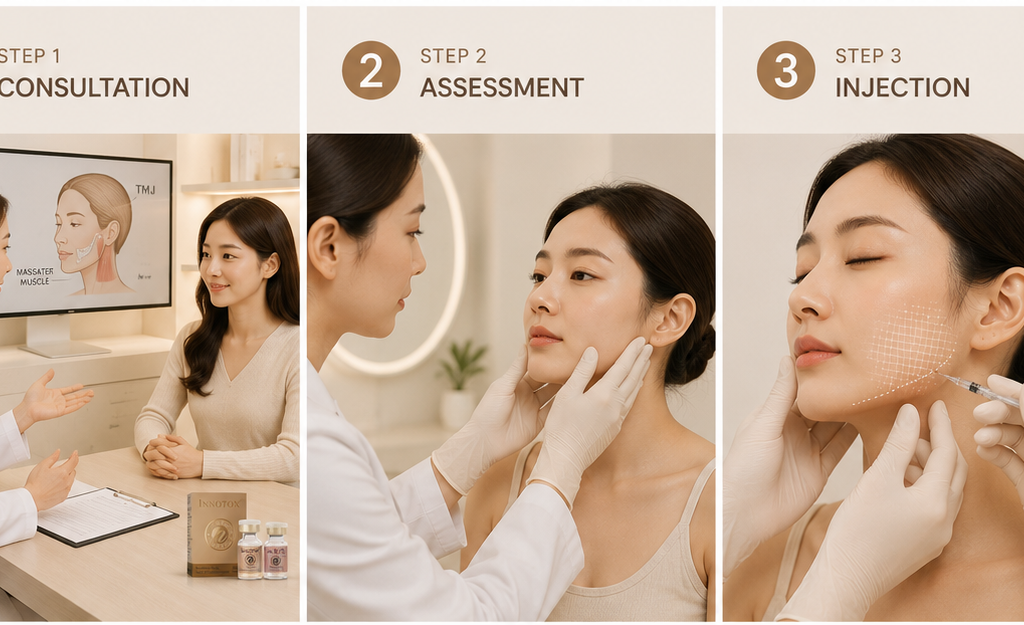
Step 1: Consultation
The healthcare provider evaluates various factors, such as:
- Medical history
- Symptoms
- Muscle activity
- Jaw movement
- Bruxism history
- Previous treatments
Patients may also be referred by dentists or oral surgeons.
Step 2: Examination
The practitioner identifies:
- Active trigger points
- Muscle thickness
- Areas of tenderness
- Jaw symmetry
Patients may be asked to clench their teeth to help locate the strongest portions of the masseter muscles.
Step 3: Injection
Small amounts of Innotox are injected into selected muscles using a very fine needle. Most patients describe the sensation as mild pinching. The procedure generally takes approximately 10 to 20 minutes.
Most patients tolerate treatment very well. The injections use an extremely fine needle, and discomfort is generally brief. Some practitioners may apply ice or a topical numbing cream if desired, although many patients do not require additional anesthesia.
Step 4: Return to Normal Activities
Most individuals resume normal daily routines immediately afterward. No surgery or lengthy recovery period is required.
When Will Results Become Noticeable and How Long Do Results Last?
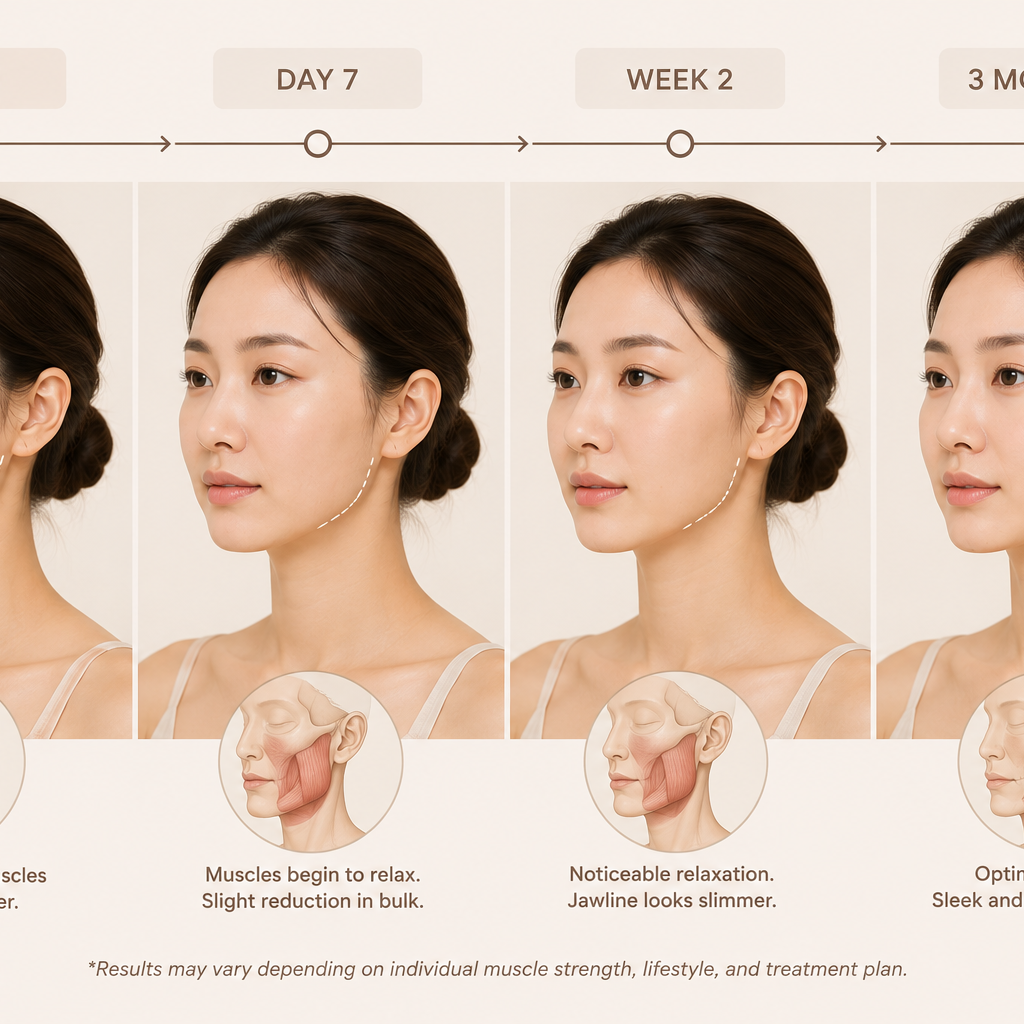
While every patient responds differently, a typical timeline may look like this:
| Timeline | What You May Notice |
| Days 1–3 | Initial muscle relaxation begins |
| Days 4–7 | Jaw tension gradually decreases |
| Weeks 2–4 | Maximum muscle relaxation is often achieved |
| 2–4 Months | Benefits gradually diminish as nerve activity returns |
Follow-up appointments allow practitioners to assess results and determine whether future maintenance treatment is appropriate. The duration varies depending on:
- Individual metabolism
- Muscle size
- Injection technique
- Dosage
- Severity of clenching
Many patients experience relief for approximately 3 to 4 months, though this can vary from person to person. Some individuals notice longer-lasting improvements after repeated treatments because the muscles gradually become less overactive.
Who May Be a Good Candidate?
You may be considered a potential candidate if you:
- Frequently clench your jaw
- Grind your teeth during sleep
- Experience muscle-related jaw pain
- Have enlarged masseter muscles
- Wake with facial soreness
- Experience recurrent tension headaches associated with jaw muscle overactivity
- Have not achieved sufficient relief from conservative treatment alone
A comprehensive evaluation by a qualified healthcare provider is essential to determine whether botulinum toxin therapy is appropriate for your specific condition. However, treatment may not be suitable for everyone. Patients should discuss their complete medical history with their healthcare provider, especially if they:
- Are pregnant or breastfeeding
- Have certain neuromuscular disorders
- Have an active infection at the injection site
- Have allergies to any treatment components
- Have TMJ symptoms caused primarily by structural joint abnormalities rather than muscle overactivity
A proper diagnosis is important because not all jaw pain is muscle-related.
Possible Side Effects and Aftercare Tips
Like any injectable treatment, temporary side effects may occur. These can include:
- Mild swelling
- Redness
- Bruising
- Tenderness
- Temporary chewing fatigue
- Mild asymmetry while muscles adjust
Serious complications are uncommon when treatment is performed by experienced, qualified medical professionals with a thorough understanding of facial anatomy. Following your provider’s instructions helps support a smooth recovery.
General recommendations may include:
- Avoid rubbing the treated area for several hours.
- Stay upright for several hours after treatment if advised.
- Skip strenuous exercise until your provider says it is appropriate.
- Avoid excessive heat, including saunas and steam rooms, for the remainder of the day.
- Follow all personalized post-treatment instructions.
- Attend follow-up appointments if recommended.
Can Innotox Be Combined with Other Treatments?

Yes. Depending on your diagnosis and goals, healthcare providers may recommend combining Innotox with other conservative or supportive therapies. Examples include:
- Night guards prescribed by a dentist
- Physical therapy
- Stress management techniques
- Jaw exercises
- Posture correction
- Massage therapy
- Orthodontic evaluation when indicated
A multidisciplinary approach often provides the most comprehensive management for TMJ disorders.
Final Thoughts
TMJ disorders can significantly affect comfort, sleep quality, and daily activities, particularly when persistent jaw clenching and teeth grinding are involved. While treatment depends on the underlying cause, reducing excessive muscle activity can provide meaningful relief for many individuals.
Innotox offers a modern liquid botulinum toxin formulation that may help relax overactive jaw muscles associated with TMJ-related discomfort and bruxism when administered by an experienced healthcare professional. By targeting the muscles responsible for excessive tension, treatment may reduce jaw pain, ease headaches, improve comfort during chewing, and even create a softer facial contour in suitable candidates.
Because TMJ disorders can stem from multiple factors—including joint conditions, dental issues, stress, and muscle dysfunction—a thorough evaluation is essential before deciding on treatment. Working with a qualified medical or dental professional ensures that the most appropriate and personalized care plan is selected.
Whether your goal is reducing chronic jaw tension, managing nighttime teeth grinding, or improving overall quality of life, understanding how Innotox fits into a comprehensive TMJ management strategy is an important first step toward informed treatment decisions.
Frequently Asked Questions
Does Innotox cure TMJ?
No. Innotox does not cure TMJ disorders. Instead, it may temporarily reduce muscle overactivity that contributes to symptoms such as jaw tension, clenching, and teeth grinding. Ongoing evaluation and comprehensive care may still be necessary.
Can Innotox stop teeth grinding completely?
Not always. While many patients experience reduced grinding and clenching, results vary depending on the underlying cause and individual response to treatment.
Will my face become slimmer?
If enlarged masseter muscles are present, gradual facial slimming may occur as the muscles become less active. This effect develops over several weeks and varies between individuals.
How often are treatments needed?
Many patients return every three to four months if continued treatment is recommended. The exact schedule depends on symptom recurrence and clinical evaluation.
Can I eat after treatment?
In most cases, yes. Some patients may experience mild chewing fatigue for the first few days, especially when eating tougher foods, but normal eating can usually continue.
Is Innotox FDA-approved for TMJ treatment?
Regulatory approvals vary by country and indication. Botulinum toxin products are commonly used in clinical practice for a variety of medically appropriate applications, including certain off-label uses. Patients should consult a qualified healthcare provider regarding treatment recommendations and local regulatory status.
Add a Comment