

Dynamic vs Static Wrinkles: Why Botox Works for Each
Dynamic vs Static Wrinkles: Why Botox Works Better for Some Wrinkles
Wrinkles are a natural part of aging, but not all wrinkles develop the same way. Some only appear when you smile, frown, or raise your eyebrows. Others stay visible even when your face is completely relaxed. Understanding this difference is the key to choosing the right treatment.
Many people assume Botox treats every wrinkle equally. In reality, Botox works best on dynamic wrinkles, while static wrinkles often require a combination approach. The earlier dynamic wrinkles are treated, the better the chance of preventing them from becoming permanent.
For people considering Innotox, a ready-to-use Korean liquid botulinum toxin, learning the difference between dynamic and static wrinkles helps set realistic expectations. It also explains why some patients notice dramatic improvements after one treatment while others may benefit from combining Botox with skin boosters, dermal fillers, or collagen-stimulating procedures. If you’re new to Korean liquid neurotoxins, you may also enjoy reading What Is Innotox? before learning how different wrinkle types respond to treatment.
This guide explains how both wrinkle types form, why Botox is more effective for certain facial lines, and how combination treatments can provide more complete facial rejuvenation.
What Are Dynamic Wrinkles?
Dynamic wrinkles are expression lines that appear because facial muscles repeatedly contract during everyday movements.
Every smile, laugh, squint, or frown activates small muscles beneath the skin. Over many years, these repeated contractions begin folding the skin in the same locations.
When you’re young, collagen, elastin, and hyaluronic acid allow the skin to bounce back immediately. As collagen production slows with age, those repeated folds become easier to see.
Dynamic wrinkles disappear once the muscles relax, especially in younger patients. They are also one of the reasons many people begin preventive Botox treatments before permanent lines develop.
Common examples include:
- Forehead lines
- Frown lines (glabellar lines)
- Crow’s feet
- Bunny lines
- Chin dimpling
- Neck bands
- Lip lines caused by repeated puckering
These wrinkles are considered the earliest visible signs of facial aging.
How Dynamic Wrinkles Develop
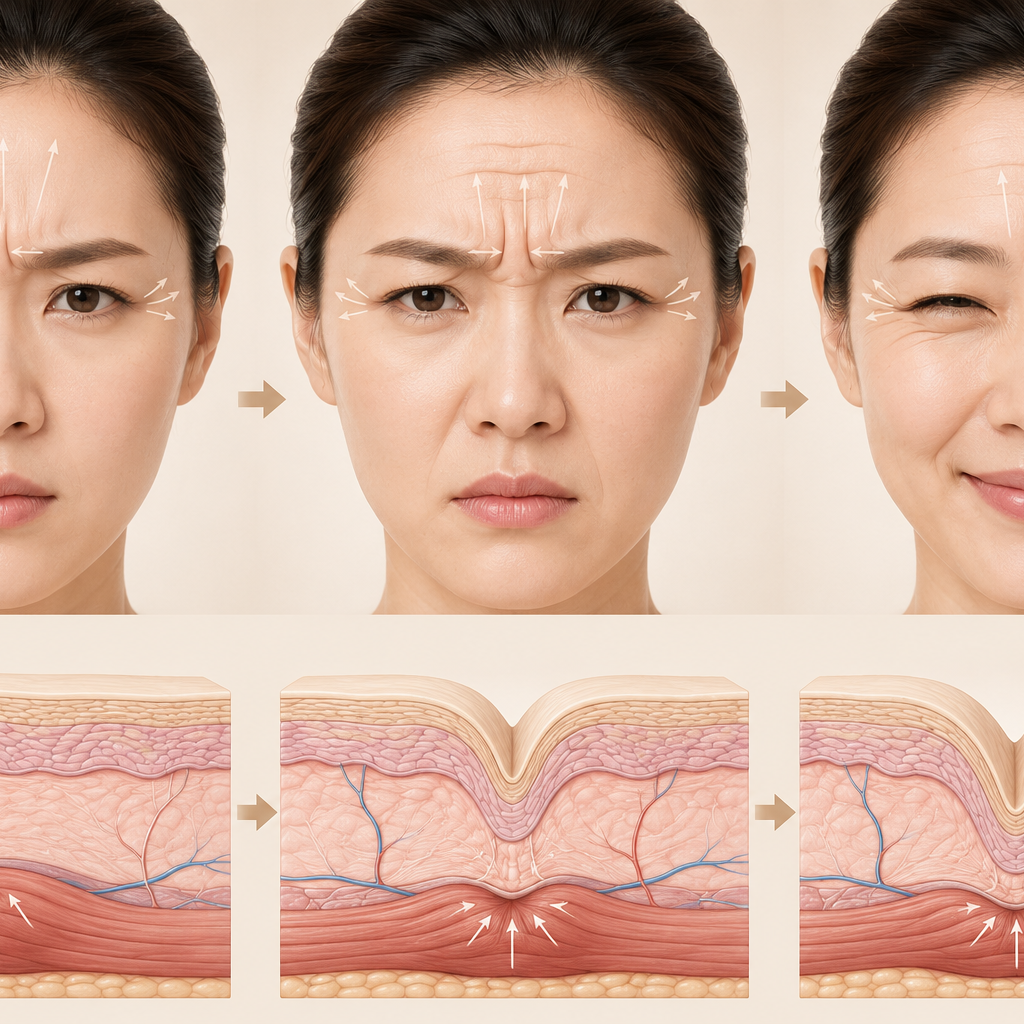
Dynamic wrinkles form gradually through repeated facial movement. Every facial expression places stress on the skin. Over months and years, those tiny folds become deeper.
Several factors speed up the process:
- Natural aging
- UV exposure
- Smoking
- Dehydration
- Poor skincare
- Genetics
- Repeated facial expressions
People who spend years squinting in bright sunlight or frequently frowning while concentrating often develop deeper expression lines sooner.
Fortunately, these wrinkles respond extremely well to botulinum toxin because muscle movement is their primary cause.
What Are Static Wrinkles?
Static wrinkles remain visible even when the face is completely relaxed. Unlike dynamic wrinkles, these lines are no longer caused only by muscle movement.
Instead, they result from structural changes inside the skin, including:
- Loss of collagen
- Reduced elastin
- Decreased hydration
- Fat volume loss
- Skin thinning
- Gravity
- Years of repeated facial folding
Because the skin itself has changed, relaxing the muscle alone cannot completely erase these wrinkles. Static wrinkles usually develop after years of untreated dynamic wrinkles.
Common Static Wrinkles
Static wrinkles often include the following:
- Deep forehead creases
- Nasolabial folds
- Marionette lines
- Permanent frown lines
- Fine cheek wrinkles
- Upper lip lines
- Neck creases
Some become visible as early as the late thirties, while others appear gradually during the forties and fifties.
Sun damage significantly accelerates this process by breaking down collagen fibers.
Why Static Wrinkles Become Permanent
Imagine folding a sheet of paper once. It unfolds easily. Fold the same paper hundreds of times. Eventually, the crease never disappears.
Skin behaves similarly.
Repeated muscle movement creates temporary folds at first. Over time, collagen weakens and the folds become permanent. Once structural support decreases, wrinkles remain even when muscles stop contracting.
That is why treating dynamic wrinkles early often delays static wrinkle formation.
Why Botox Works Better for Dynamic Wrinkles
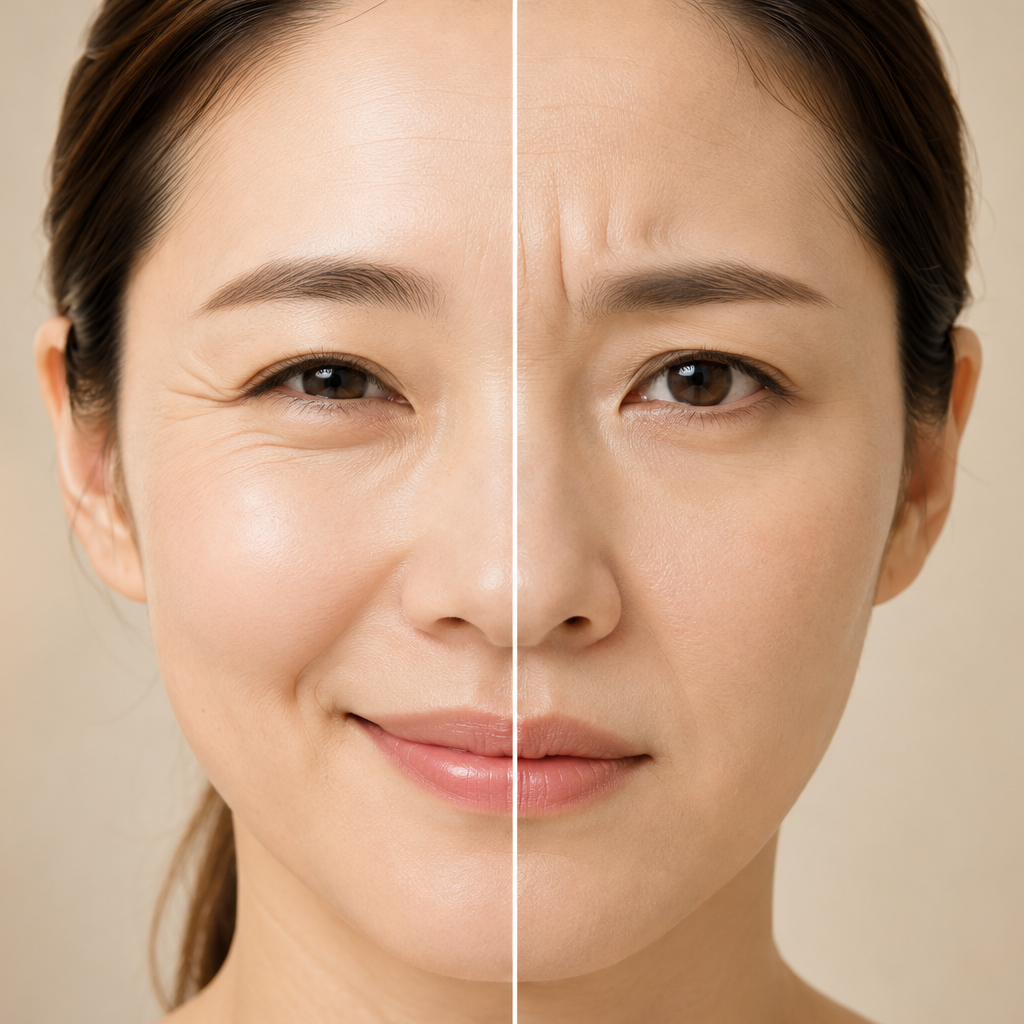
Botulinum toxin works by temporarily relaxing targeted muscles. When the muscle stops contracting as strongly, the skin above it experiences less folding.
As a result:
- Existing expression lines soften.
- New wrinkles form more slowly.
- Skin has time to recover.
- Collagen breakdown decreases from repetitive movement.
Because dynamic wrinkles are caused mainly by muscle activity, Botox directly addresses their source. This makes dynamic wrinkles the ideal treatment target.
Patients often notice:
- Smoother forehead
- Softer crow’s feet
- Less visible frown lines
- More refreshed appearance
- Natural facial expressions with proper dosing
Why Botox Has Limited Effects on Static Wrinkles
Static wrinkles involve damaged skin rather than overactive muscles. Even after Botox relaxes the muscle, the wrinkle itself may still remain because of the following:
- Collagen has already been lost.
- Skin elasticity has decreased.
- The crease has become permanently etched.
- Volume loss has occurred.
Botox may soften the appearance, but deeper static wrinkles often require additional treatments. This does not mean Botox has failed. Instead, it means the wrinkle has evolved beyond muscle movement alone.
Combination Treatments Often Produce Better Results
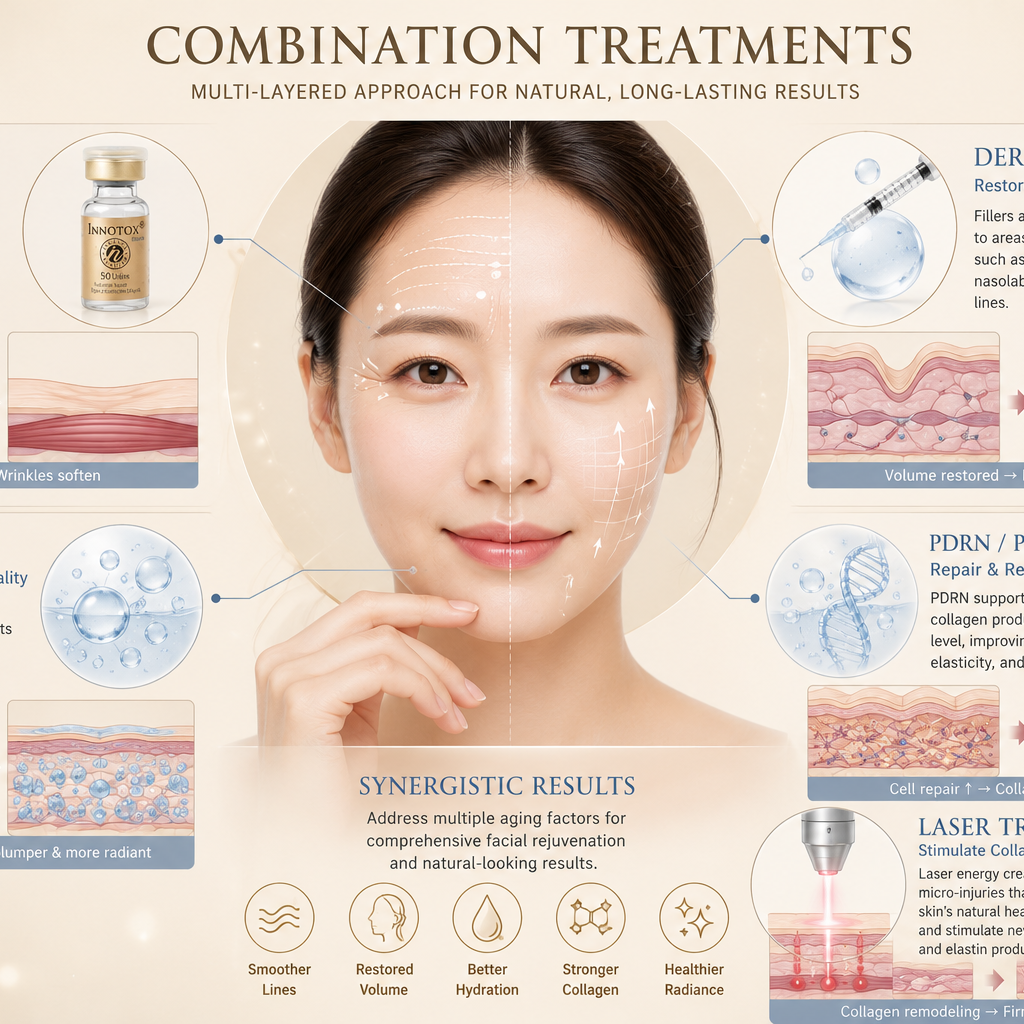
Many aesthetic practitioners recommend combining Botox with collagen-supporting procedures for mature skin. If your provider recommends multiple procedures, our guide on combining Innotox with skin boosters explains why these treatments often complement one another.
Common combinations include:
Dermal Fillers
Fillers restore lost facial volume and physically lift deep creases.
Best for:
- Nasolabial folds
- Marionette lines
- Deep static forehead lines
Skin Boosters
Skin boosters improve hydration while stimulating healthier skin quality.
Benefits include:
- Better elasticity
- Improved texture
- Increased hydration
- Smoother fine lines
PDRN Treatments
PDRN supports tissue repair and collagen production.
It works well alongside Botox by improving overall skin quality rather than relaxing muscles.
Laser Treatments
Fractional lasers stimulate collagen remodeling.
These procedures gradually reduce static wrinkles by encouraging new collagen formation.
Microneedling
Microneedling creates controlled micro-injuries that stimulate collagen and elastin production.
Over several months, skin becomes firmer and smoother.
Why Early Botox Can Prevent Static Wrinkles
One of Botox’s greatest advantages is prevention. Treating dynamic wrinkles before they become deeply etched reduces repetitive skin folding. Over time this helps preserve smoother skin.
Preventive treatment does not stop aging. Instead, it slows one of the major contributors to wrinkle formation. Many patients now begin treatment during their late twenties or early thirties when dynamic wrinkles first appear.
Early intervention often means the following:
- Shallower wrinkles later
- Less collagen breakdown
- Lower treatment intensity
- More natural aging
This preventive approach has become increasingly popular among younger adults.
Which Wrinkles Respond Best to Botox?
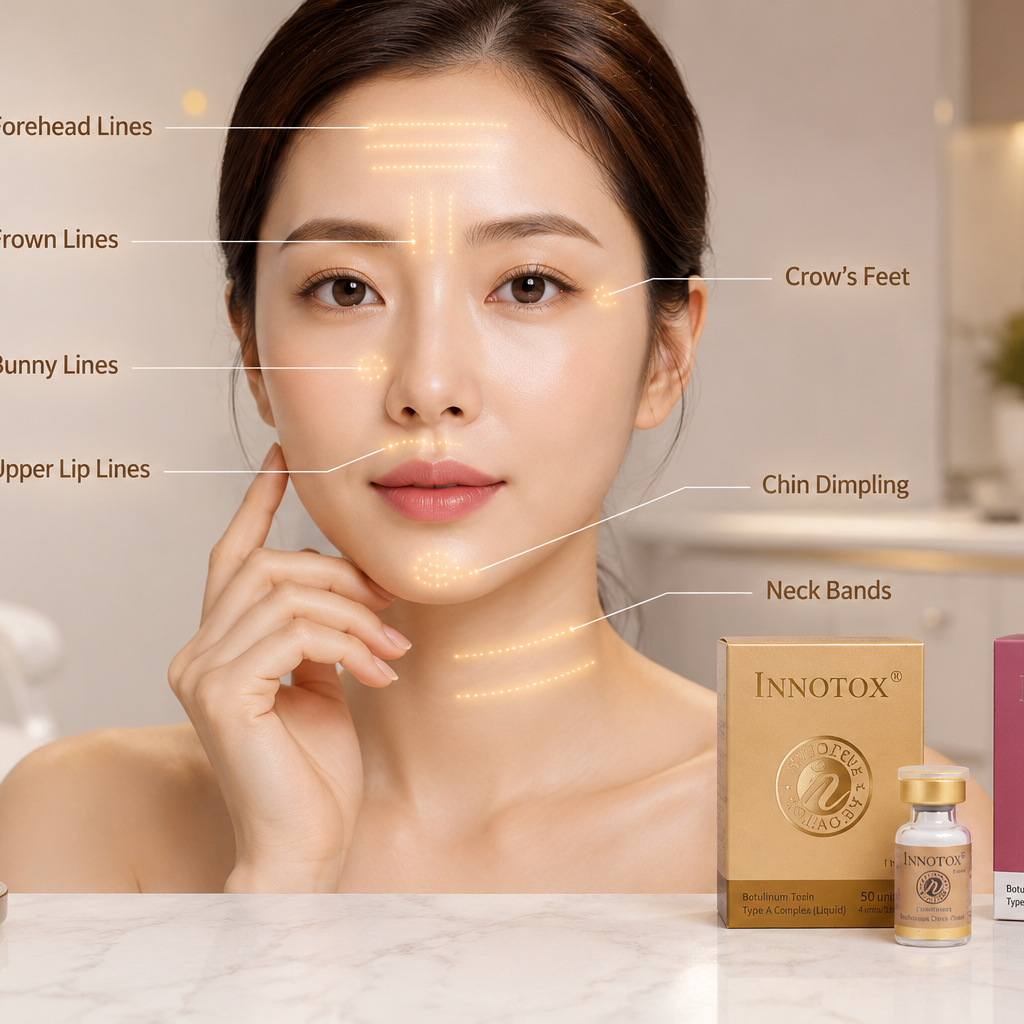
Botox provides excellent improvement for:
- Forehead Lines
Repeated eyebrow lifting creates horizontal forehead wrinkles. Botox relaxes the frontalis muscle while maintaining natural expression.
- Frown Lines
Glabellar lines between the eyebrows are among the best treatment areas. Patients often notice smoother skin within two weeks.
- Crow’s Feet
Small injections around the outer eyes soften smile lines while preserving a natural smile. If crow’s feet are your primary concern, our dedicated guide on Innotox for Crow’s Feet explains treatment techniques, expected results, and maintenance recommendations.
- Bunny Lines
Wrinkles across the nose respond well to small doses.
- Chin Dimpling
Relaxing the mentalis muscle smooths the chin surface.
- Neck Bands
Botox can soften visible platysmal bands for a smoother neck appearance.
How Innotox Fits Into Modern Wrinkle Treatment
Innotox is a ready-to-use liquid botulinum toxin developed in South Korea. Unlike many conventional formulations that require reconstitution, Innotox arrives pre-mixed for convenient preparation by qualified medical professionals.
Its mechanism is the same as other botulinum toxin products. It temporarily blocks communication between nerves and targeted facial muscles.
As muscle movement decreases:
- Dynamic wrinkles soften.
- Facial expressions remain natural with proper dosing.
- New wrinkle formation slows.
Innotox is commonly used for:
- Forehead lines
- Crow’s feet
- Glabellar lines
- Bunny lines
- Chin dimpling
- Neck bands
Treatment usually takes less than 30 minutes, making it a popular lunchtime procedure.
Not sure which vial is appropriate? Read our comparison of Innotox 50U vs. 100U to understand how practitioners select the right product for different treatment plans.
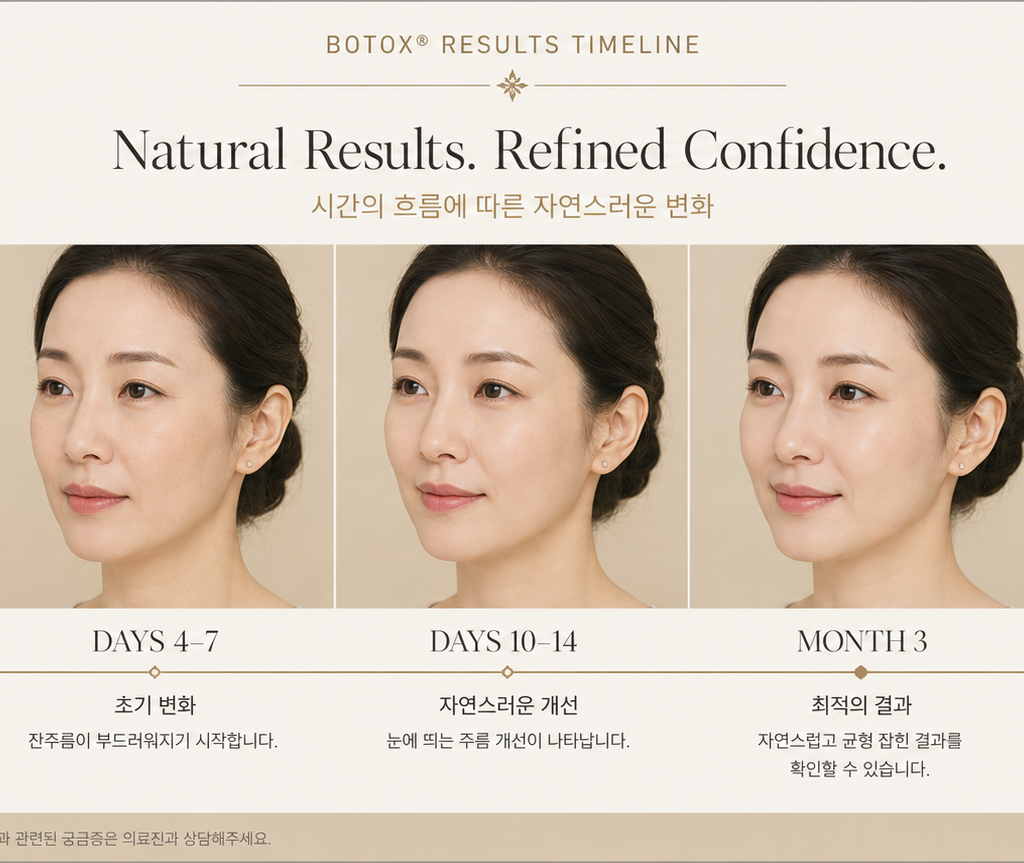
When Will You See Results?
Most patients experience gradual improvement rather than immediate changes. A typical timeline with Innotox treating fine lines and wrinkles would be the following:
| Timeline | What Happens |
| Day 1–3 | Muscle activity begins decreasing |
| Days 4–7 | Wrinkles start softening |
| Days 10–14 | Full treatment results become visible |
| Months 3–4 | Effects gradually begin wearing off |
| Months 4–6 | Muscle movement slowly returns |
Patients with primarily dynamic wrinkles often notice the greatest improvement during the first treatment. Those with deeper static wrinkles usually experience progressive improvement after combination therapies.
Can Static Wrinkles Ever Completely Disappear?
It depends on their severity. Early static wrinkles may improve significantly after the following:
- Botox
- Skin boosters
- Microneedling
- Laser resurfacing
Deep wrinkles present for many years may soften considerably but rarely disappear completely.
Most treatment plans focus on making wrinkles far less noticeable while preserving natural facial movement. Realistic expectations lead to the highest patient satisfaction.
Healthy Habits That Help Maintain Results
Professional treatments work best when combined with good skincare. Daily habits that slow wrinkle formation include:
- Wearing SPF 30–50 sunscreen every day
- Avoiding smoking
- Staying hydrated
- Using retinoids if recommended
- Sleeping well
- Eating antioxidant-rich foods
- Wearing sunglasses to reduce squinting
- Following your provider’s maintenance schedule
These habits protect collagen and support longer-lasting treatment results. Proper aftercare helps maximize results. Be sure to review What Not To Do After Innotox and Exercise After Botox before returning to your normal routine.
Final Thoughts

Understanding the difference between dynamic and static wrinkles is one of the most important steps in choosing the right anti-aging treatment. Dynamic wrinkles develop from repeated muscle movement and are typically the wrinkles that respond best to Botox. Static wrinkles, on the other hand, result from long-term collagen loss, reduced elasticity, and structural changes within the skin. While Botox can soften these deeper lines, additional treatments are often needed for the most noticeable improvement.
For many patients, Innotox offers an effective way to relax overactive facial muscles and reduce dynamic wrinkles before they become permanently etched into the skin. When combined with healthy skincare habits and, if appropriate, collagen-supporting treatments such as skin boosters, PDRN, microneedling, or laser therapy, it can be part of a comprehensive strategy for maintaining smoother, more youthful-looking skin.
The best treatment plan is always individualized. A consultation with a qualified aesthetic medical professional can help determine whether your wrinkles are primarily dynamic, static, or a combination of both, ensuring you receive the most effective approach for your skin and long-term aesthetic goals.
Frequently Asked Questions
Is Botox only effective for dynamic wrinkles?
Botox provides its best results on dynamic wrinkles because they are caused by muscle movement. Static wrinkles often improve but may require additional collagen-stimulating treatments.
Can dynamic wrinkles become static wrinkles?
Yes. Years of repeated facial expressions gradually create permanent skin creases, especially when collagen declines with age.
At what age should Botox be started?
There is no universal age. Many people begin treatment when dynamic wrinkles remain visible after facial expressions disappear, often during their late twenties or thirties.
Does Innotox completely remove wrinkles?
Innotox softens muscle-related wrinkles very effectively. Deep static wrinkles may improve but often require combination treatments for optimal results.
How often are treatments repeated?
Most patients undergo maintenance every three to six months, depending on muscle strength, metabolism, and treatment goals.
Add a Comment