
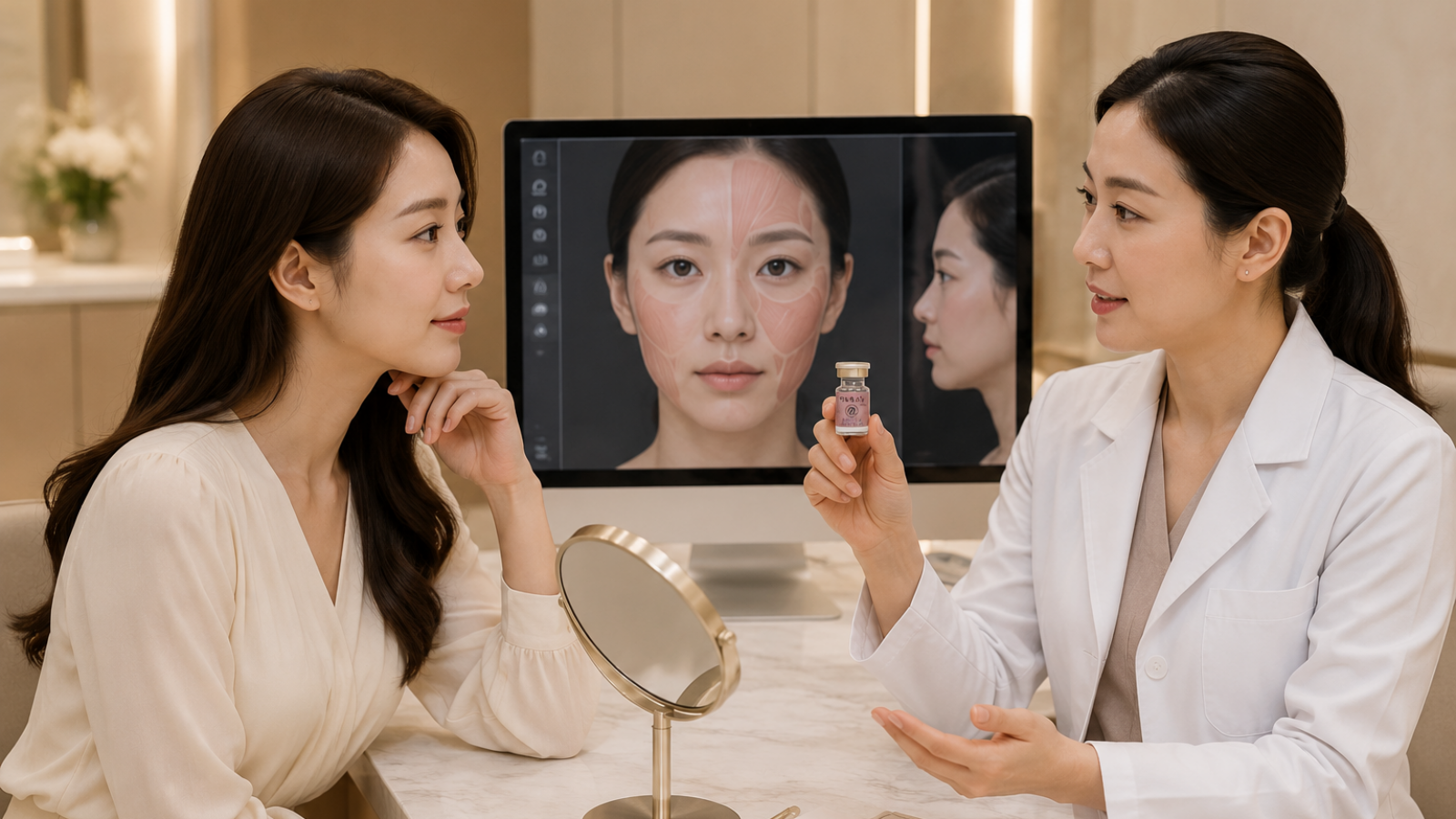
How Often Should You Get Botox? Complete Guide
How Often Should You Get Botox? A Complete Guide to Treatment Frequency and Maintenance
One of the most common questions people ask before starting Botox is, “How often will I need treatments?” The answer depends on more than a calendar.
If you’re new to aesthetic treatments, learning about ready-to-use liquid botulinum toxin can help you understand how Innotox works before planning your treatment schedule.
Your treatment schedule is influenced by your facial muscles, treatment goals, metabolism, dosage, and how your body responds over time.
For most people, Botox treatments are repeated every three to four months. However, some patients maintain great results for longer, while others benefit from earlier touch-ups. The key is to follow a personalized treatment plan rather than waiting until every wrinkle fully returns.
This guide explains how often you should get Botox, what affects treatment frequency, and how to maintain smooth, natural-looking results throughout the year.
Why Botox Needs Maintenance Treatments
Botox works by temporarily relaxing targeted facial muscles. It blocks the nerve signals that cause repeated muscle contractions, allowing dynamic wrinkles to soften while preventing deeper expression lines from forming.
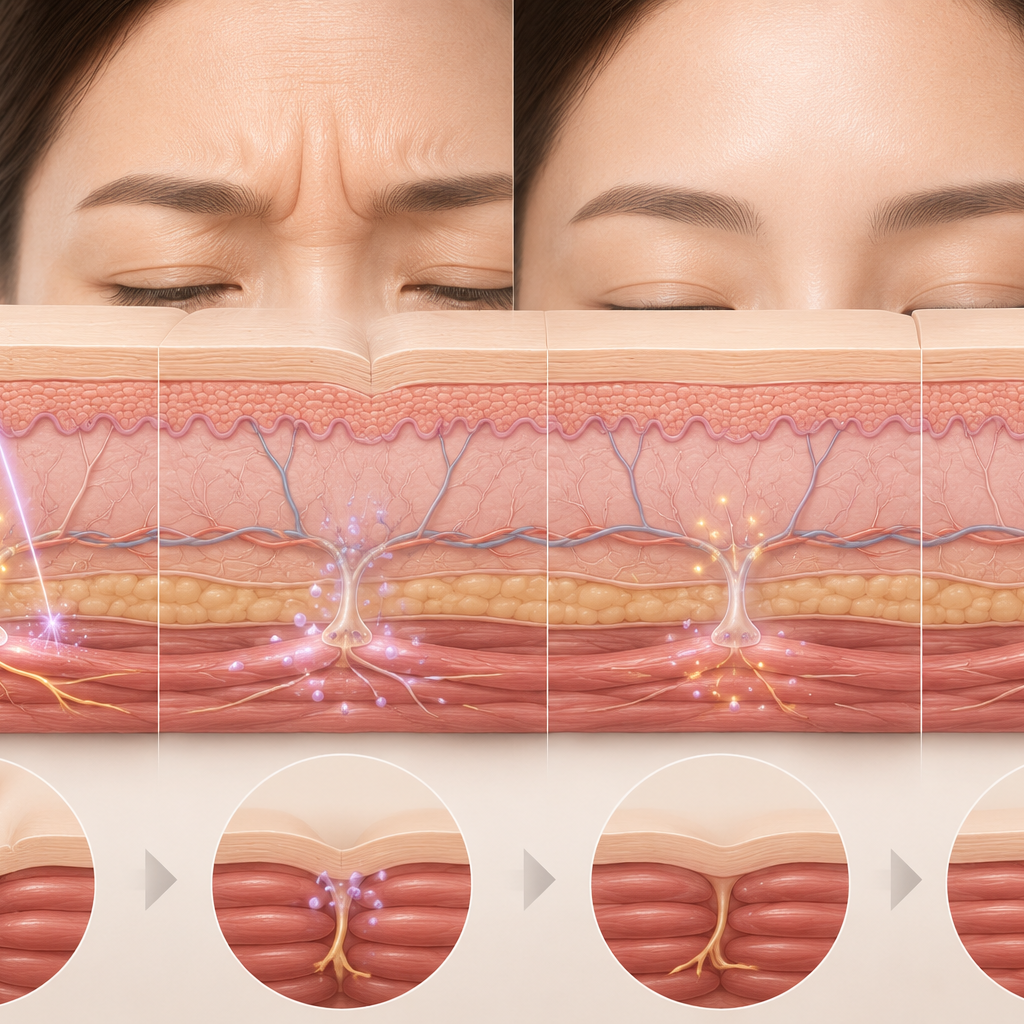
Unlike dermal fillers, Botox does not permanently change facial tissues. The treated nerves slowly regenerate, and muscle movement gradually returns. Because of this natural process, maintenance treatments are necessary to keep results consistent.
Most patients notice this timeline:
- Muscle relaxation begins within several days.
- Full results appear after about two weeks.
- Results remain stable for several months.
- Muscle activity slowly returns.
- Wrinkles gradually become visible again.
Receiving treatments before muscle movement fully returns often helps maintain smoother skin with less product over time.
How Often Should Most People Get Botox?
For most healthy adults, treatments every 3 to 4 months provide the best balance between effectiveness and natural movement.
This schedule allows the following:
- Consistent wrinkle reduction
- Better long-term prevention
- More predictable results
- Less dramatic fading between appointments
Many experienced providers recommend scheduling your next appointment before your previous treatment completely wears off.
Instead of starting over every few months, you simply maintain the existing improvement.
Typical Botox Maintenance Timeline
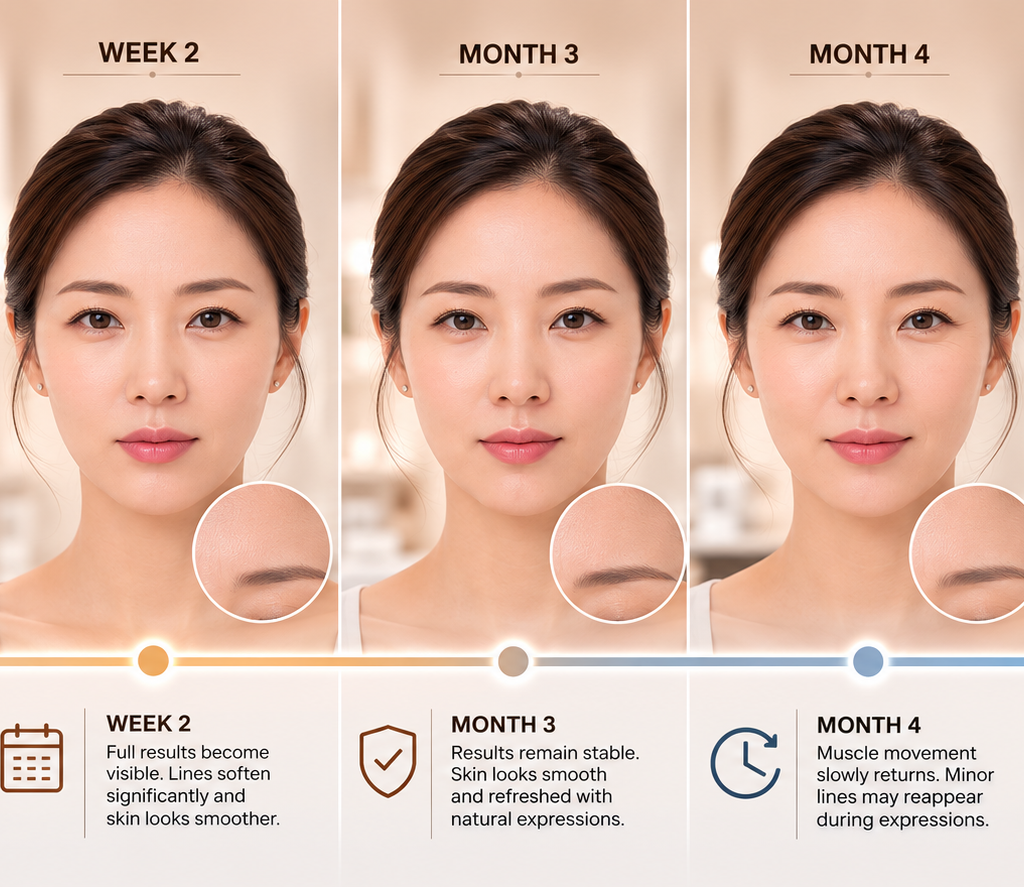
First Treatment
Your first treatment establishes how your muscles respond.
Many providers schedule a follow-up appointment after two weeks to evaluate the results and perform small adjustments if necessary.
Three Months
Most patients still enjoy noticeable wrinkle reduction.
Small facial movements may begin returning, especially in stronger muscles like the forehead.
Some people choose to receive maintenance treatment at this point.
Four Months
For many individuals, Botox gradually begins wearing off.
Wrinkles become slightly more visible during facial expressions.
This is one of the most common maintenance intervals.
Five to Six Months
Some patients—particularly those with smaller facial muscles or preventive treatments—continue seeing benefits.
However, stronger muscles often regain most movement by this stage.
Many providers recommend avoiding waiting too long if wrinkle prevention is your goal.
Factors That Affect Botox Frequency
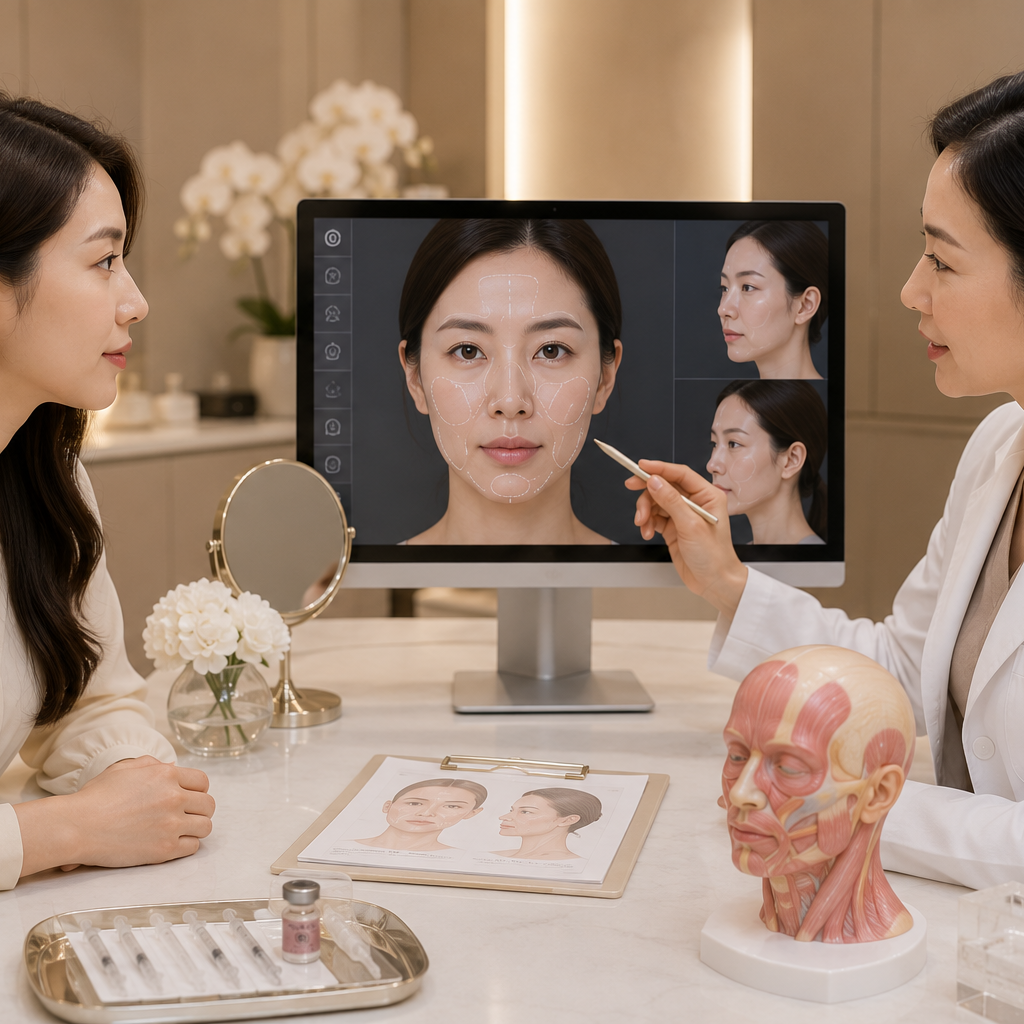
No two patients need exactly the same schedule.
Several factors influence how often treatments are recommended.
- Muscle Strength
People with stronger facial muscles usually metabolize Botox more quickly.
This commonly includes:
- Men
- Individuals with strong frown lines
- People who naturally have expressive facial movements
These patients sometimes benefit from treatments closer to every three months.
- Treatment Area
Different muscles recover at different speeds. Larger muscles often maintain results longer because higher doses are typically used.
For example:
| Treatment Area | Typical Duration |
| Forehead | 3–4 months |
| Frown lines | 3–5 months |
| Crow’s feet | 3–4 months |
| Bunny lines | 3–4 months |
| Chin | 3–4 months |
| Neck bands | 3–5 months |
| Masseter | 4–6 months |
- Dosage
Lower doses usually wear off sooner.
Higher doses generally provide longer-lasting muscle relaxation.
However, increasing dosage simply to extend longevity is not always appropriate.
Your provider balances are
- Natural facial movement
- Safety
- Desired appearance
- Long-term maintenance
- Individual Metabolism
Everyone processes medications differently.
People with faster metabolisms sometimes notice Botox wearing off sooner.
Age, genetics, and overall physiology also influence longevity.
- Physical Activity
Highly active individuals may occasionally notice slightly shorter treatment duration.
Although research remains mixed, athletes sometimes report needing maintenance slightly earlier than average.
- Treatment History
Patients who receive Botox consistently for several years often find that their muscles gradually become less active.
Some eventually extend maintenance intervals because treated muscles become weaker over time.
Is It Better to Wait Until Botox Completely Wears Off?
Not usually. Waiting until all muscle activity returns allows repeated facial expressions to recreate wrinkles.
Instead, many aesthetic providers recommend maintaining consistent muscle relaxation.
This approach may help:
- Prevent deeper wrinkle formation
- Preserve smoother skin
- Reduce dramatic ups and downs
- Improve long-term consistency
Maintenance is often easier than repeatedly correcting fully developed wrinkles.
Can You Get Botox Too Often?
Yes, receiving Botox too frequently is not recommended. Treatments performed too close together may increase the risk of:
- Excessive muscle weakness
- Unnatural facial movement
- Product resistance in rare cases
- Difficulty assessing previous results
Most experienced providers recommend waiting at least three months between full treatment sessions unless a medically appropriate touch-up is required. Patience produces more predictable outcomes.
What Happens If You Wait Too Long?
Delaying treatment is not dangerous. Botox simply wears off naturally.
However, several changes occur:
- Muscle movement returns.
- Dynamic wrinkles reappear.
- Deep lines may become more noticeable.
- Prevention benefits gradually decrease.
Restarting treatment later is completely possible, although some patients require slightly more product to regain previous results.
Preventive Botox May Require Different Scheduling
People beginning Botox in their late 20s or early 30s often seek prevention rather than correction.
Their goals include:
- Limiting repetitive muscle movement
- Preventing wrinkle formation
- Preserving youthful skin
Because wrinkles are still mild, these patients sometimes maintain excellent results with:
- Lower doses
- Longer treatment intervals
- Fewer treatment areas
Their provider adjusts frequency according to changing facial movement. If your goal is wrinkle prevention rather than correction, read our guide to Preventive Botox in Your 20s to learn how treatment schedules may differ.
How Providers Decide Your Next Appointment
Rather than following one universal schedule, experienced injectors evaluate several factors.
These include:
- Remaining muscle movement
- Wrinkle severity
- Facial symmetry
- Patient satisfaction
- Previous treatment response
- Desired level of facial expression
Personalized scheduling often produces the most natural results.
Signs It’s Time for Your Next Botox Treatment

Instead of watching the calendar alone, pay attention to your facial movement.
Common signs include:
- Wrinkles becoming visible during expressions
- Increased forehead movement
- Stronger frown lines
- Crow’s feet returning while smiling
- Makeup settling into expression lines again
- Photos showing more visible facial movement
Scheduling treatment at this stage often prevents wrinkles from becoming fully established again.
Tips to Help Maintain Botox Results Longer
Although Botox naturally wears off, healthy skincare habits help preserve your overall appearance.
Good habits include:
- Wearing sunscreen every day
- Using quality moisturizers
- Avoiding smoking
- Staying hydrated
- Following a consistent skincare routine
- Managing stress
- Sleeping well
- Following your provider’s aftercare instructions
Healthy skin complements the effects of Botox.
Combining Botox With Other Treatments

Many patients combine Botox with treatments that improve skin quality while Botox relaxes facial muscles.
Common combinations include:
- Skin boosters
- Hyaluronic acid treatments
- Microneedling
- Laser resurfacing
- Chemical peels
- Medical-grade skincare
These treatments address skin texture, pigmentation, hydration, and collagen production, creating more comprehensive facial rejuvenation. If you’re unsure which treatment is right for you, our guide comparing Botox vs. dermal fillers explains when each option is most appropriate.
Final Thoughts
There is no single Botox schedule that works for everyone. While most people achieve the best results with treatments every three to four months, your ideal maintenance plan depends on your facial muscles, treatment goals, metabolism, and how your body responds.
Rather than waiting for wrinkles to fully return, regular maintenance helps preserve smoother skin and natural facial movement throughout the year. A personalized treatment plan also reduces the need for dramatic corrections later.
The best approach is to work with a qualified medical provider who can assess your facial anatomy, monitor your results, and recommend the right treatment interval. With consistent care and realistic expectations, Botox can remain an effective part of a long-term facial rejuvenation strategy while maintaining natural-looking results.
Frequently Asked Questions
Can I get Botox every two months?
Routine treatment every two months is generally not recommended. Most providers prefer waiting around three months unless a small touch-up is medically appropriate.
Does Botox last longer after multiple treatments?
Often, yes. Consistent treatment may gradually reduce muscle strength, allowing some patients to maintain results for slightly longer intervals.
Will stopping Botox make wrinkles worse?
No. Your muscles simply return to their normal activity. Wrinkles gradually return to how they would have naturally appeared without treatment.
Can I schedule Botox before a special event?
Yes. Most providers recommend treatment about two weeks before weddings, vacations, or important events so the medication reaches its full effect.
Is maintenance cheaper than starting over?
Many patients find regular maintenance easier because wrinkle severity often remains lower over time. However, treatment costs depend on dosage, treatment areas, and provider pricing.
Add a Comment